




Emergency HVAC in Independence, MO
Facing an HVAC emergency in Independence? Priority dispatch available 24/7. Quick, reliable solutions by certified technicians. Learn more now.
Restore Your Home Comfort Immediately After a System Failure
Is your heater or air conditioner giving up during the extreme Independence weather when you need it most? Don't suffer through uncomfortable temperatures or risk property damage—secure priority dispatch for your system by contacting us here.
When an HVAC system fails during a heatwave or a freeze, time is the most critical factor. Homeowners facing a total system blackout need immediate resolution, not long wait times or vague appointment windows. All Day Comfort Heating and Cooling LLC provides the urgency and technical expertise required to stabilize your indoor environment.
- Fast, 24/7 responses to all heating and cooling emergencies to prevent safety hazards.
- Reliable diagnostics and full system replacements handled with same-day urgency.
- Experienced service from certified technicians capable of working on all makes and models.
All services are fully licensed, insured, and backed by a customer satisfaction guarantee to ensure your investment is protected.
Today’s Services: Fast, Reliable, and Comprehensive
When you request emergency service, the objective is to restore safety and comfort as quickly as possible. An emergency isn't just an inconvenience; in the height of summer or the depth of winter, it can be a health risk. The service provided today focuses on rapid diagnostics and immediate corrective action. Whether the issue stems from a failed compressor, a cracked heat exchanger, or an electrical failure, the goal is to minimize downtime.
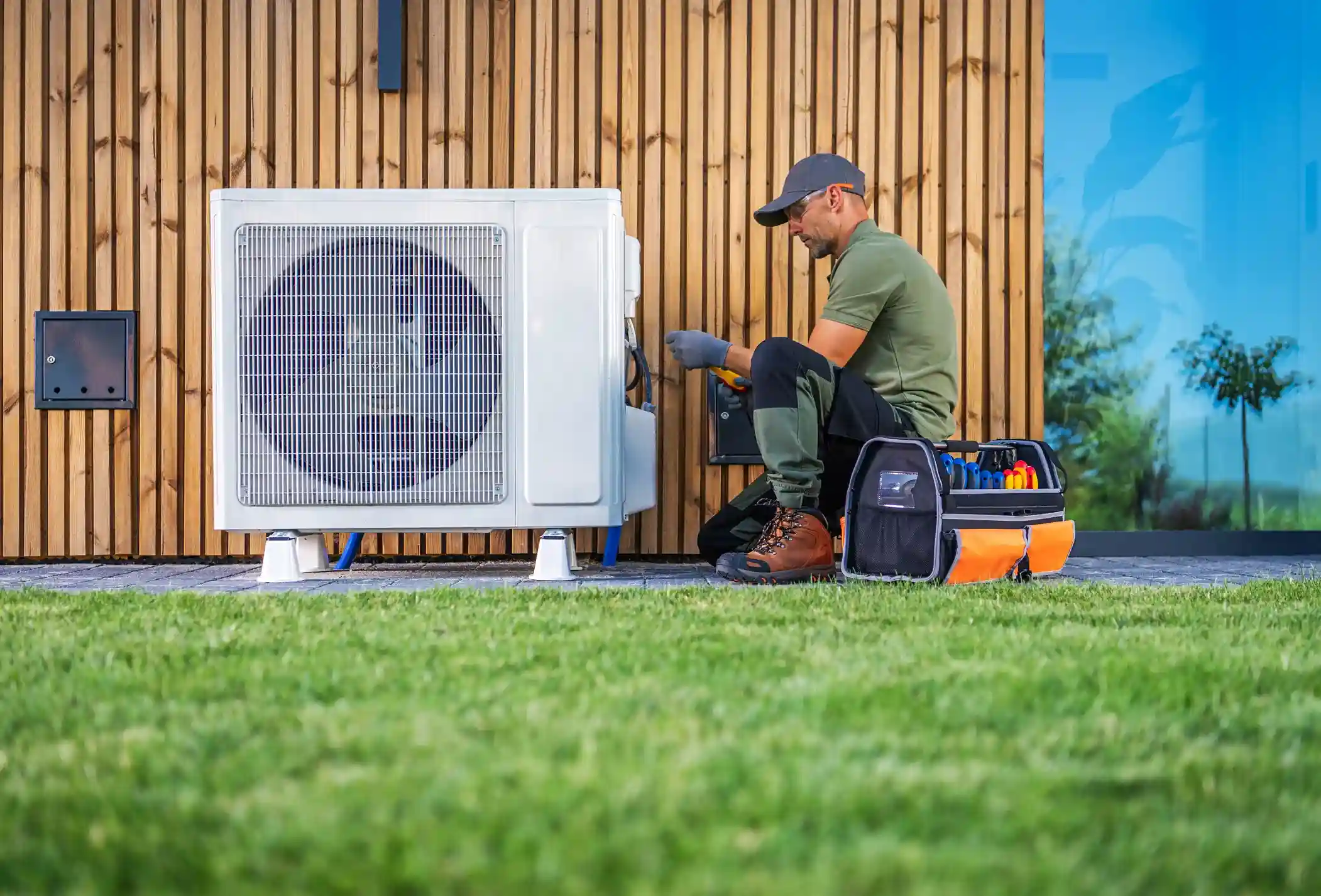
Scope of Emergency Response
Emergency service covers a wide array of critical failures. Technicians arrive in fully stocked vehicles designed to handle common breakdown scenarios on the spot. This "mobile warehouse" approach reduces the need for parts runners and second visits, ensuring that most repairs happen during the initial appointment.
- Loss of Heat: During freezing temperatures, a lack of heat can lead to frozen pipes and structural damage. Priority is given to restoring the furnace or heat pump to operational status.
- AC Failure in High Heat: When indoor temperatures rise uncontrollably, humidity spikes, risking mold growth and respiratory distress. Services focus on restoring the refrigerant cycle and airflow.
- Electrical Hazards: Buzzing noises, burning smells, or tripping breakers indicate dangerous electrical faults within the HVAC unit that require immediate professional isolation and repair.
- Refrigerant Leaks: Hissing sounds or frozen coils often indicate a leak. This is an environmental hazard and a system efficiency killer that requires certified handling.
- Gas Leaks: If a gas furnace has a cracked heat exchanger or a valve issue, the unit is shut down immediately, and repairs are expedited to ensure carbon monoxide does not enter the living space.
Timeline and Availability
Breakdowns rarely happen during standard business hours. Emergency protocols ensure that calls are answered 24/7, including weekends and holidays. The timeline for resolution depends on the severity of the issue. Simple component replacements, such as capacitors or igniters, are often resolved within an hour of arrival. More complex issues, such as compressor failure or heat exchanger replacement, may require extensive labor, but temporary solutions or expedited replacement options are discussed immediately.
Understanding the Emergency HVAC Service Process
Knowing what to expect during an emergency call removes the uncertainty from a stressful situation. The process is streamlined to move from problem identification to solution implementation without unnecessary delays.
- Initial Triage: Upon contact, the dispatch team assesses the severity of the issue. Situations involving gas smells, sparks, or total loss of climate control in extreme weather are prioritized.
- On-Site Diagnostic: A licensed technician arrives and performs a systematic inspection. This involves testing electrical voltages, measuring refrigerant pressures, checking airflow restrictions, and inspecting safety switches.
- Clear Explanation and Quote: Once the root cause is identified, you receive a clear explanation of the failure. You are presented with the options available: a direct repair, a major component replacement, or a full system replacement if the unit is beyond viable repair.
- Execution of Work: With your approval, the technician proceeds with the work. If parts are on the truck, the repair begins immediately. If a full system replacement is required, installation teams are coordinated to begin the project as soon as possible.
- System Testing: After the repair or installation, the system is not just turned on; it is calibrated. Technicians check static pressure, temperature splits, and safety controls to ensure the fix is permanent.
- Site Cleanup: Work areas are returned to their original condition, and old parts or equipment are hauled away for proper disposal.
Deciding Between HVAC Repair & Replacement
One of the most difficult decisions during an emergency is whether to pour money into an aging unit or invest in a new system. While a quick repair is often the cheapest short-term solution, it is not always the most financially improved decision. Making the right choice depends on specific data points regarding your current equipment.
The 50% Rule
Industry standards suggest using the 50% rule. If the cost of the emergency repair approaches 50% of the value of a new system, replacement is generally the better option. For example, replacing a compressor in an out-of-warranty unit often costs nearly as much as a down payment on a modern, high-efficiency system.
System Age and Efficiency
Heating and cooling systems have a finite lifespan. Most air conditioners last 10 to 15 years, while furnaces may last 15 to 20 years. If your system is nearing the end of this window, a major breakdown is often the first of many.
- Older Units: Systems over 10 years old likely use outdated refrigerant (R-22), which is expensive and difficult to source.
- Efficiency Ratings: Modern units with higher SEER2 (Seasonal Energy Efficiency Ratio) and AFUE (Annual Fuel Utilization Efficiency) ratings can lower utility bills significantly. Replacing an old unit often pays for itself over time through energy savings.
Frequency of Repairs
If this is the second or third service call in the last two years, the system is likely entering a failure cascade. At this stage, All Day Comfort Heating and Cooling LLC often recommends replacement to stop the cycle of throwing good money after bad. A new system resets the warranty clock, providing 10 years of parts coverage and peace of mind that an old unit cannot offer.
Capacity and Comfort
Sometimes a system fails because it was never sized correctly for the home. If your current unit has always struggled to keep up with extreme temperatures or runs constantly without cycling off, it may be undersized. Replacing the unit allows for a new load calculation (Manual J) to ensure the new equipment perfectly matches the heating and cooling demands of the property.
Independence HVAC Requirements & Recommendations
Operating an HVAC system in Independence, MO, requires specific attention to local climate patterns and regulatory codes. The region experiences distinct seasonality that stresses different parts of the system at different times of the year.
Regional Climate Impact
- High Humidity Summers: The summers here bring intense humidity. An air conditioner does not just cool the air; it dehumidifies it. If a system is short-cycling (turning on and off too quickly), it fails to remove moisture, leading to a clammy indoor environment. Emergency services often involve calibrating systems to handle this latent heat load.
- Freezing Winters: The winters can drop well below freezing. Heat pumps often require auxiliary heat strips to maintain temperature when the outdoor air is too cold to extract heat efficiently. Ensuring these backup systems are functional is a key part of winter emergency service.
- Storm Season: Spring and summer thunderstorms can cause power surges. These surges often burn out capacitors or control boards. Installing surge protectors specifically for HVAC equipment is a recommended upgrade for local homeowners.
Permits and Codes
When a simple repair turns into a system replacement, adherence to local building codes is mandatory. In Independence, replacing a furnace or air conditioner typically requires a permit to ensure the installation meets safety standards. This includes verifying gas line connections, venting protocols, and electrical disconnect access.
- Venting: High-efficiency furnaces produce condensation and require PVC venting. Upgrading from an older metal-vented unit requires modifications to the home’s venting infrastructure to meet code.
- Refrigerant Handling: Federal regulations strictly control how refrigerant is handled during repairs. Venting refrigerant into the atmosphere is illegal. Technicians must use recovery machines to capture old refrigerant safely.
Utility Considerations
Local utility providers, such as Independence Power & Light, occasionally offer rebates or incentives for upgrading to high-efficiency equipment. When selecting a replacement unit during an emergency, it is worth checking if the new heat pump or air conditioner qualifies for these programs or federal tax credits, which can offset the initial investment cost.
Why Professional Emergency Service Matters
Attempting DIY repairs on modern HVAC equipment is dangerous and often voids manufacturer warranties. These systems operate using high-voltage electricity, combustible gases, and high-pressure refrigerants. Professional intervention ensures that the root cause is addressed, not just the symptom.
Safety Protocols
Certified technicians follow strict safety protocols to protect your home and family. This includes checking for carbon monoxide leaks after furnace work, ensuring electrical connections are tight to prevent fire hazards, and verifying that safety limit switches are operational.
Warranty Preservation
Manufacturers require proof of professional maintenance and repair to honor parts warranties. Using a licensed provider ensures that your warranty remains valid. Additionally, professional installation guarantees that the equipment performs to its rated efficiency. An improperly installed high-efficiency unit will operate like a low-efficiency one if the airflow or refrigerant charge is incorrect.
Accurate Diagnostics
The most expensive part of a repair is often misdiagnosis. Swapping out parts until the unit works is an inefficient and costly method of repair. Professional tools, such as manometers, multimeters, and psychrometers, allow technicians to pinpoint the exact failure point. This precision reduces labor time and parts costs.
When your comfort systems fail, you need a partner who understands the urgency of the situation and the technical requirements of the equipment. All Day Comfort Heating and Cooling LLC delivers the expertise required to navigate repair versus replacement decisions, local codes, and complex mechanical failures. Don't let a broken HVAC system compromise your safety or comfort. Click here to schedule your emergency diagnostic now.
Get Emergency HVAC Service Now
When your HVAC system fails during extreme Independence weather, every minute matters. All Day Comfort Heating and Cooling LLC responds immediately with 24/7 emergency service, rapid diagnostics, and same-day solutions to restore your home’s safety and comfort. Whether you’re facing a furnace shutdown, AC failure, electrical hazard, or refrigerant leak, our certified technicians arrive prepared to fix the issue on the spot. Get priority emergency service now and protect your home from dangerous temperatures—schedule your diagnostic today.
Contact Us
customer reviews
Areas We Serve




Copyright © 2026 All Day Comfort Heating and Cooling.
All rights reserved.
