




Water Heater Service in Independence, MO
Experiencing water heater problems in Independence, MO? Contact All Day Comfort for immediate repair or replacement services and secure your comfort today.
Quickly Resolve Your Water Heater Issues Today
Struggling with a failing water heater in Independence, MO? You need fast, reliable service that ensures your comfort and safety without the wait.
Get your hot water restored immediately by contacting us here.
A cold shower is often the first sign of a much larger plumbing issue. Whether you are waking up to freezing water, noticing a puddle forming at the base of your tank, or hearing alarming rumbling noises from the utility closet, immediate action is required to prevent property damage and restore normalcy to your home. All Day Comfort Heating and Cooling LLC specializes in diagnosing and resolving these critical plumbing failures efficiently. We understand that hot water is not a luxury; it is a necessity for sanitation, cooking, and daily comfort.
We provide:
- Same-day service to get your hot water running smoothly in no time.
- Professional installations and repairs performed by certified local experts.
- 24/7 emergency assistance available to tackle unexpected breakdowns.
All services come with comprehensive warranties and adhere strictly to local building codes.
What You Get With Professional Water Heater Service
When you request service for a malfunctioning water heater, the objective is a definitive solution, not a temporary patch. Homeowners in Independence need a systematic approach to diagnostics that identifies the root cause of the failure, whether it is a mechanical breakdown, an electrical fault, or a sediment issue.
Upon arrival, a qualified technician performs a thorough assessment of the entire water heating system. This is not a guessing game; it is a technical evaluation designed to provide you with clear options.
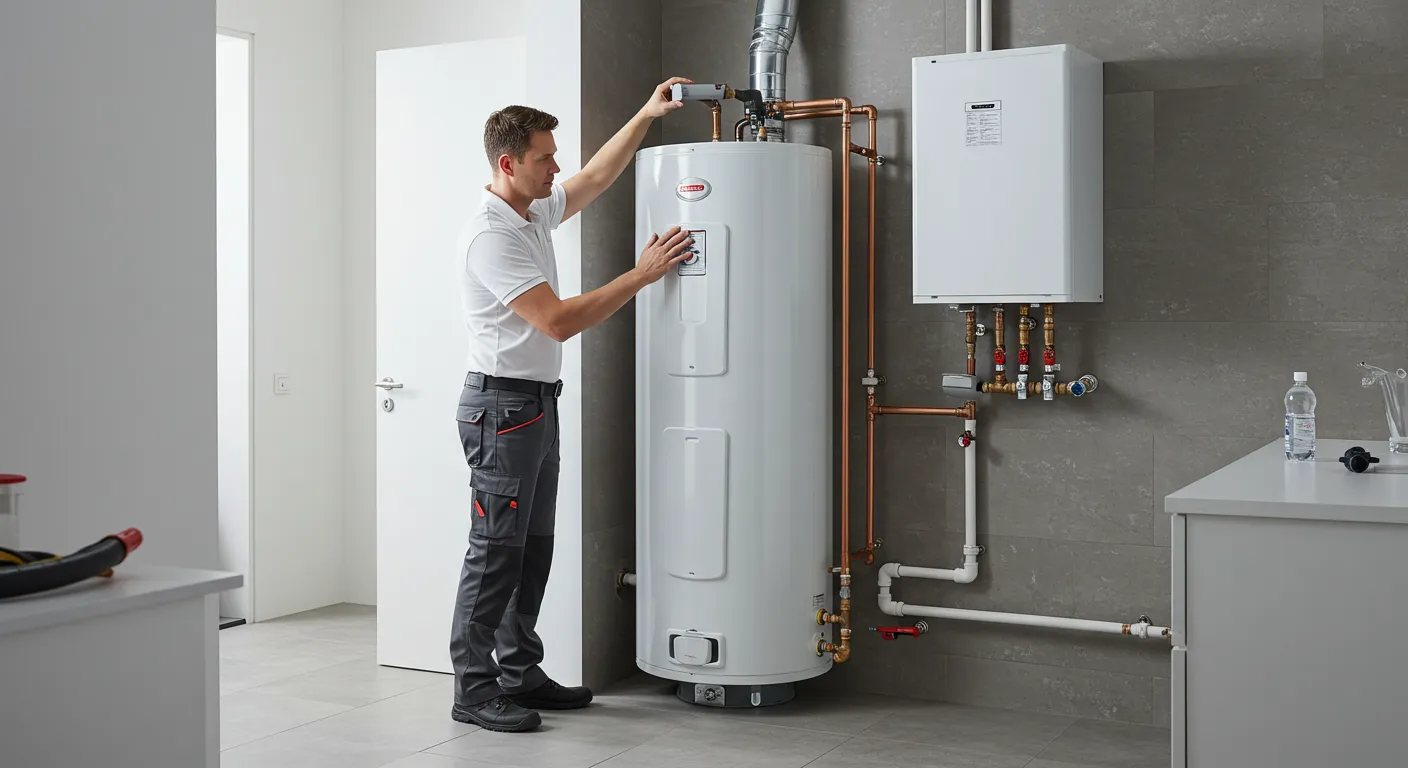
Comprehensive Diagnostics
The service begins with a multi-point inspection. For electric units, this involves testing heating elements with a multimeter to ensure they are drawing the correct amperage and checking the thermostats for continuity. For gas units, technicians inspect the pilot light assembly, thermocouple, gas control valve, and burner assembly for safe operation and proper combustion.
Safety Inspections
Water heaters involve high heat, pressure, and potential fuel sources. Service includes checking the Temperature and Pressure (T&P) relief valve to ensure it is not seized. If this safety device fails, it can lead to dangerous pressure build-up. Technicians also inspect the flue and venting system for gas units to prevent carbon monoxide back-drafting into the home.
Sediment and Debris Management
Missouri water conditions can lead to mineral buildup. A key part of the service often involves assessing sediment levels at the bottom of the tank. If the unit is rumbling or banging (kettling), flushing the tank might be necessary to restore efficiency and prevent the bottom of the tank from overheating and rusting out.
Transparent Timeline and Scope
You receive a clear explanation of the problem. If a repair is feasible, such as replacing a thermocouple or a heating element, it is often completed on the spot using stocked service vehicles. If the unit has suffered catastrophic failure, such as a ruptured tank, the focus shifts immediately to containment and replacement options.
How The Installation and Replacement Process Works
When a repair is no longer viable or cost-effective, moving forward with a replacement ensures reliable hot water for the next decade or more. The installation process is rigorous, ensuring that the new unit operates at peak efficiency and meets all safety standards.
Site Preparation and Removal
The process begins with safety. Technicians shut off the fuel source (gas or electric) and the water supply. The existing tank is drained completely using a hose connected to the drain valve. This can take time depending on the amount of sediment blocking the flow. Once drained, the old unit is disconnected, removed from the premises, and disposed of responsibly.
Positioning and Connection
The new water heater is positioned in a drain pan to protect the floor from future leaks. Technicians level the unit to ensure proper operation.
- Water Connections: New dielectric unions or flexible connectors are used to join the water heater to the home’s copper or PEX piping. This prevents galvanic corrosion between dissimilar metals.
- Fuel Connections: For gas units, the gas line is reconnected with a new sediment trap (drip leg) if required by code. The connection is leak-tested using a specialized solution or electronic detector. For electric units, the wiring is inspected and connected to the unit’s junction box.
- Venting: The draft hood and vent piping are aligned and secured with sheet metal screws to ensure exhaust gases are directed safely outside.
Final Testing and Calibration
The tank is filled with water before the power or gas is turned on to prevent "dry firing," which can instantly destroy heating elements. Once full, the system is energized. Technicians check the water temperature output, adjust the thermostat to a safe level (typically 120°F to prevent scalding), and cycle the unit to ensure it shuts off properly once the target temperature is reached.
When Replacement Beats Repair
Deciding between repairing an existing unit and investing in a new one is a common dilemma. While repairs are often cheaper upfront, there are specific scenarios where replacement is the financially sounder choice for homeowners in Independence.
Age of the Unit
The average lifespan of a traditional tank water heater is 8 to 12 years. If your unit is approaching or has exceeded the 10-year mark, putting money into repairs is often diminishing returns. A new unit offers improved insulation and efficiency, likely lowering utility bills immediately.
Leaking Tank
If there is water pooling around the base of the heater and it is confirmed to be coming from the tank body rather than a fitting or valve, replacement is the only option. A fractured glass lining or rusted steel tank cannot be patched safely. Ignoring a slow leak can lead to a catastrophic burst and significant water damage.
Recurring Failures
If you have repaired the unit multiple times in the last year—replacing elements, thermostats, or gas valves—the system is likely reaching the end of its useful life. The cost of cumulative repairs often exceeds the cost of a down payment on a modern, efficient system.
Visible Rust and Corrosion
Rusty water coming from the hot side taps usually indicates the anode rod has been depleted and the tank interior is corroding. Once rust sets in, leaks are inevitable. Similarly, heavy rust on the exterior casing or around the draft hood indicates compromised integrity.
Efficiency Needs
Older units typically have lower energy factors. If your energy bills are rising despite normal usage, or if the recovery rate (how fast the water heats up) has slowed significantly, upgrading to a modern unit or a tankless system can provide better performance and long-term savings.
Local Factors Affecting Your Water Heater
Operating a water heater in this region requires attention to specific environmental and regulatory factors. The local climate and infrastructure influence how your system performs and how it must be maintained.
Winter Temperature Drops
Winters here bring temperatures dipping into the low 20s. This dramatically lowers the temperature of the groundwater entering your home. Your water heater must work significantly harder to raise 40°F inlet water to 120°F compared to warmer months. This added strain is why many older units fail during the first deep freeze of the year. Ensuring your unit is properly sized to handle this winter "temperature rise" is crucial for maintaining consistent hot water.
Hard Water Impact
The mineral content in the local water supply can accelerate sediment buildup. Calcium and magnesium precipitate out of the water when heated, forming a layer of scale at the bottom of the tank. This scale acts as an insulator, forcing the burner or element to work longer to heat the water, eventually causing overheating and failure. Regular flushing is more critical here than in areas with naturally soft water.
Permits and Code Compliance
Replacing a water heater is a major plumbing alteration that requires adherence to strict safety codes.
- Expansion Tanks: Closed plumbing systems often require a thermal expansion tank to handle the pressure increase as water heats up.
- Gas Line Updates: Older homes may need updates to gas shut-off valves or sediment traps to meet current safety standards.
- Venting Requirements: Changes in furnace or water heater efficiency may require modifications to the chimney liner or venting materials to prevent condensation and corrosion.
Professional service ensures that all work is permitted and inspected according to city regulations, protecting your home’s value and your family’s safety.
Professional Standards and Technical Precision
Selecting a service provider goes beyond finding someone with a wrench. It is about finding technical expertise that guarantees safety and longevity for your plumbing systems. Water heaters combine water, electricity, and combustible gas or high voltage; improper handling poses serious risks, including flooding, fire, and carbon monoxide poisoning.
Qualified technicians undergo continuous training to stay updated on the latest water heating technologies, including high-efficiency heat pump water heaters and tankless on-demand systems. They understand the nuances of load calculation, ensuring the unit installed can handle the peak demand of your specific household size and usage patterns.
Stocked Mobile Warehouses
Service vehicles are stocked with a wide array of universal parts, including thermocouples, gas valves, heating elements, and relief valves. This preparation minimizes the need for second trips and ensures that many repairs can be completed during the initial diagnostic visit.
Detailed Warranty Protection
Labor and parts are backed by solid warranties. When a new unit is installed, the warranty registration is handled for you, ensuring you are fully covered by the manufacturer. Beyond the manufacturer's warranty, the craftsmanship of the installation itself is guaranteed, providing peace of mind that the connections, venting, and setup were done correctly.
Respect for Property
The workspace is treated with care. Drop cloths are used to protect flooring, and old equipment is hauled away and recycled. The goal is to leave the utility area cleaner than it was found.
For homeowners facing water heater trouble, the path to resolution is clear. Do not wait for a minor leak to become a basement flood or for a pilot light issue to leave you in the cold. All Day Comfort Heating and Cooling LLC is ready to restore your hot water supply with precision and speed. Secure your comfort and protect your home from water damage today. Contact us today!
Schedule Your Water Heater Service Now
Don’t let water heater issues disrupt your day or put your home at risk. Whether you’re dealing with cold showers, leaks, or complete system failure, All Day Comfort Heating and Cooling LLC delivers fast, code-compliant, and dependable water heater service right here in Independence, MO. With same-day repairs, 24/7 emergency support, and certified technicians equipped to handle any model, we restore your hot water—and your peace of mind—quickly and safely. Schedule your service now and get your hot water flowing again without delay.
Contact Us
customer reviews
Areas We Serve




Copyright © 2026 All Day Comfort Heating and Cooling.
All rights reserved.
