




AC Maintenance in Kansas City, MO
Beat the heat with our professional AC maintenance in Kansas City. Ensure your system runs efficiently with our comprehensive tune-ups. Schedule now and save!
Feeling the Heat? Professional AC Maintenance Now Saves Money Later
Struggling with inconsistent AC performance during Kansas City's harsh summer heat? Regular maintenance not only ensures comfort but slashes potential high emergency repair costs, preventing breakdowns when you need cooling the most. Contact us today to schedule your comprehensive system inspection and tune-up.
Professional maintenance delivers immediate results for your home comfort system:
- Prolong your system's lifespan with expert tune-ups that catch minor issues before they become major failures.
- Reduce your energy bills with optimized AC performance that requires less electricity to cool your home.
- Prevent costly downtime with seasonal inspections designed to prepare your unit for peak summer loads.
Licensed, insured, and EPA-certified technicians are ready to secure your comfort.
What to Expect During a Professional AC Tune-Up
When you invest in professional air conditioning maintenance, you are paying for a comprehensive restoration of your system’s efficiency, not just a quick visual check. Over months of operation, your cooling unit accumulates dust, vibrates loose connections, and undergoes significant thermal stress. A proper tune-up reverses these effects, returning the system to factory specifications.
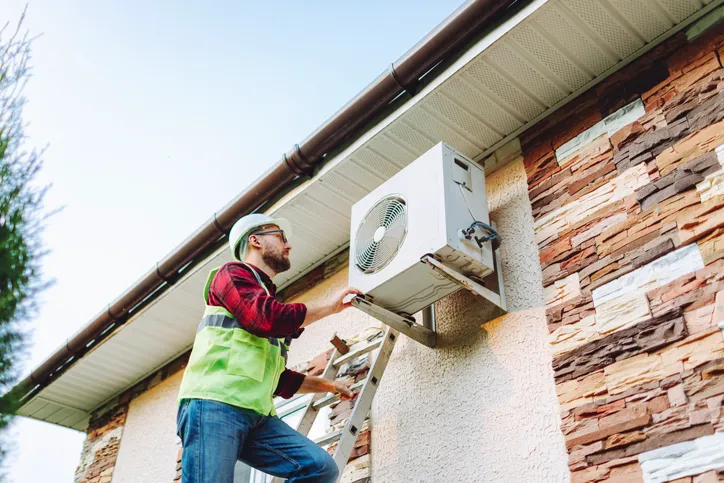
All Day Comfort Heating and Cooling LLC approaches maintenance as a rigorous, multi-point inspection process. The goal is to maximize the heat transfer capabilities of the unit while ensuring all electrical and mechanical components are operating within safe ranges.
Comprehensive Cleaning and Airflow Optimization
The core of air conditioning is heat exchange. If the coils are dirty, the system cannot remove heat from your home effectively.
- Evaporator and Condenser Coil Cleaning: Dust and debris on coils act as insulation, preventing the refrigerant from absorbing or releasing heat. This forces the compressor to run longer and harder. Technicians meticulously clean these coils to restore efficient heat transfer.
- Blower Motor Inspection: The blower fan circulates air throughout the ductwork. If the wheel is caked with dust, it becomes heavy and unbalanced, stressing the motor. Cleaning the blower assembly ensures proper airflow volume.
- Air Filter Replacement or Cleaning: While homeowners should change filters regularly, a professional service includes checking the static pressure drop across the filter to ensure the current filtration setup isn't suffocating the system.
Electrical Component Analysis
Electrical failure is a leading cause of AC breakdowns. Components wear out over time due to heat and high voltage.
- Tightening Electrical Connections: Loose connections create resistance, which generates heat and can lead to burnt wires or component failure. Technicians inspect and tighten all voltage connections.
- Capacitor Testing: Capacitors start the motors in your system. A weak capacitor forces the compressor or fan motor to work harder to start, significantly shortening the life of these expensive parts. Testing reveals if a capacitor is below the manufacturer's rating and needs proactive replacement.
- Thermostat Calibration: If your thermostat reads the temperature incorrectly, your system will run too long or not long enough. Calibration ensures the temperature you set is the temperature you get.
Refrigerant and Mechanical Checks
The refrigerant level is critical for cooling and dehumidification.
- Refrigerant Level Check: An AC unit does not consume refrigerant; it circulates it. Low levels indicate a leak. Operating with low refrigerant damages the compressor and freezes the evaporator coil. Technicians measure superheat and subcooling to ensure the charge is exact.
- Lubrication of Moving Parts: Friction causes heat and wear. Motors and bearings require precise lubrication to operate smoothly and quietly.
- Condensate Drain Inspection: Your AC removes moisture from the air. This water travels down a drain line. If this line clogs with algae or sludge, water can back up and damage your home. Technicians flush and treat the condensate line to prevent blockages.
How the Maintenance Process Works
Securing your home's comfort requires a systematic approach to service. The process is designed to be thorough, transparent, and non-intrusive, getting your system back online quickly.
- Scheduling and Arrival: You book a service window that fits your schedule. A technician arrives fully equipped with the diagnostic tools and common parts needed for most units.
- Initial System Assessment: Before touching a tool, the technician operates the system to listen for unusual noises, check the cycle times, and measure temperature splits between supply and return air.
- Deep Clean and Tune-Up: The technician shuts off power to the unit and proceeds with the cleaning, tightening, and lubricating steps outlined in the scope of work. Panels are removed to access internal components.
- Safety and Performance Testing: Once cleaned, the system is powered back on. The technician measures amp draws on motors to ensure they aren't straining and verifies that safety limits and controls are functioning correctly.
- Reporting and Recommendations: You receive a detailed report of the work performed. If a part is near failure or the system requires a specific repair, the technician explains the issue clearly so you can make an informed decision.
When Replacement Beats Repair
While maintenance can extend the life of an air conditioner significantly, there comes a point where a system is no longer economically viable to keep running. Understanding the difference between a unit that needs a tune-up and one that needs retirement helps you allocate your budget wisely.
The Age Factor and Repair Frequency
Air conditioners generally last between 10 to 15 years. If your unit is approaching or has surpassed this age range, major component failures become a question of "when," not "if."
- The 50% Rule: A common industry standard suggests that if the cost of a repair equals 50% or more of the cost of a new system, replacement is the smarter financial move — view financing options today.
- Frequency of Breakdowns: If you find yourself calling for service multiple times in a single season despite regular maintenance, the system has likely reached the end of its reliable service life.
- R-22 Refrigerant Availability: Older units utilizing R-22 (Freon) are becoming increasingly expensive to service due to the phase-out of this refrigerant. Leaks in these systems often necessitate a full system replacement.
Efficiency and Performance Drop-Offs
Even if an older unit runs, it may be costing you a fortune.
- Rising Energy Bills: As internal components wear, efficiency drops. If your utility bills are climbing year over year despite comparable usage, your AC is losing its ability to convert electricity into cooling effectively.
- Inconsistent Cooling: If some rooms are freezing while others remain hot, or if the unit runs constantly without reaching the set temperature, the compressor may be losing compression, signaling the need for a modern replacement.
Seasonal Considerations and Efficiency Standards
Operating an air conditioner in this region requires specific attention to local climate variables. Kansas City experiences hot, humid summers where temperatures frequently exceed 30°C (86°F), combined with significant humidity levels. This climate places a dual load on your air conditioner: sensible cooling (lowering temperature) and latent cooling (removing moisture).
Battling High Humidity
Humidity control is just as important as temperature control. High humidity makes the air feel warmer, prompting homeowners to lower the thermostat, which increases energy consumption.
- Dehumidification Function: A well-maintained AC acts as a dehumidifier. Dirty coils or improper airflow reduce the system's ability to pull moisture from the air, leaving the home feeling clammy.
- Drainage Importance: Because of the high humidity, your system produces a large volume of condensate water. Ensuring the drainage system is clear is critical to prevent overflow switches from tripping and shutting down the unit during a heatwave.
Energy Efficiency Ratings (SEER)
The efficiency of your unit is measured by the Seasonal Energy Efficiency Ratio (SEER).
- Minimum Standards: Modern standards require higher SEER ratings than units installed just a decade ago.
- Impact of Maintenance: A lack of maintenance effectively lowers the operating SEER of your unit. A 16 SEER unit with dirty coils and low refrigerant may perform like a 10 SEER unit, wasting the energy savings you paid for. Keeping the system clean ensures it operates at its rated efficiency, handling the intense summer workload without excessive power draw.
Protecting Your Investment with Certified Expertise
Your air conditioning system is likely one of the most expensive appliances in your home. Entrusting it to qualified professionals is essential for protecting that investment and maintaining warranty coverage.
Validating Manufacturer Warranties
Most AC manufacturers require proof of annual maintenance to keep parts warranties valid. If a compressor fails under warranty but the owner cannot prove the system was maintained, the manufacturer may deny the claim. Professional documentation from a service visit serves as this proof.
NATE and EPA Certifications
Technical expertise matters.
- EPA Certification: Handling refrigerant requires strict adherence to environmental regulations. Certified technicians ensure that refrigerant is recovered, recycled, and charged correctly, preventing environmental harm and system damage.
- NATE Certification: North American Technician Excellence (NATE) certification represents a high level of real-world knowledge. Technicians with these credentials have demonstrated mastery in troubleshooting and servicing complex HVAC systems.
Safety First
Air conditioning maintenance involves working with high-voltage electricity and pressurized gases. Attempting DIY maintenance beyond simple filter changes can lead to personal injury or severe equipment damage. Professionals carry the right tools and training to identify hazards such as frayed wires, shorted components, or compromised safety switches that a homeowner might miss.
By addressing small issues today, you prevent the stress and expense of emergency failures tomorrow. A tuned-up system runs quieter, costs less to operate, and provides the consistent cooling your home requires.
Stay Cool, Save Money — Act Now with All Day Comfort Heating and Cooling LLC
Don’t wait for the next heatwave to expose hidden issues in your air conditioning system. All Day Comfort Heating and Cooling LLC provides fast, reliable, and precision-driven AC maintenance designed to keep your home consistently cool while reducing your long-term energy and repair costs. Our certified technicians ensure your system operates at peak performance, protecting your investment and preventing expensive breakdowns during the hottest days of the year. Schedule your professional tune-up today and experience the peace of mind that comes with a fully optimized, summer-ready cooling system—your comfort is our priority.
Contact Us
customer reviews
Areas We Serve




Copyright © 2026 All Day Comfort Heating and Cooling.
All rights reserved.
