




Indoor Air Quality in Mission, KS
Explore our professional indoor air quality solutions in Mission, KS for a healthier home environment. Schedule your air quality assessment today and ensure your home's comfort.
Breathe Easier with Professional Indoor Air Quality Solutions
Struggling with allergens, humidity, or unknown irritants in your home can turn your sanctuary into a source of discomfort. Discover how state-of-the-art air quality solutions can transform your indoor environment and contact us today to schedule a comprehensive air quality assessment.
In Mission, KS, where weather patterns fluctuate drastically, maintaining a consistent and healthy indoor atmosphere requires more than just a standard furnace filter. Homeowners often face a mix of seasonal pollen, trapped winter viruses, and summer humidity that promotes mold growth. All Day Comfort Heating and Cooling LLC provides targeted strategies to eliminate these invisible threats, ensuring the air you breathe is cleaner and safer for your family.
- Immediate assessment and action plan for improving air quality based on data.
- Custom solutions tailored to your home’s specific layout and existing HVAC system.
- Continuous monitoring options are available for peace of mind and long-term control.
Includes comprehensive warranties and flexible financing to ensure your satisfaction.
Comprehensive Indoor Air Quality Systems and Services
Improving the air inside a home involves a multi-layered approach. It is rarely solved by a single product but rather a combination of filtration, purification, and humidity control working in tandem with the central heating and cooling system. A professional approach moves beyond the capabilities of portable, single-room units, integrating powerful hardware directly into the ductwork to treat 100% of the air circulating through the property.
Air Filtration and Purification
Standard fiberglass filters are designed primarily to protect the HVAC equipment, not the people living in the home. Advanced media air cleaners and filtration cabinets offer a significantly higher surface area and density. These systems capture microscopic particles including pet dander, dust mites, and pollen. For biological contaminants, UV-C germicidal lights are installed within the system. These lights neutralize bacteria, viruses, and mold spores that often colonize on the moist surfaces of an AC evaporator coil, preventing them from being blown into the living space.
Humidity Control Solutions
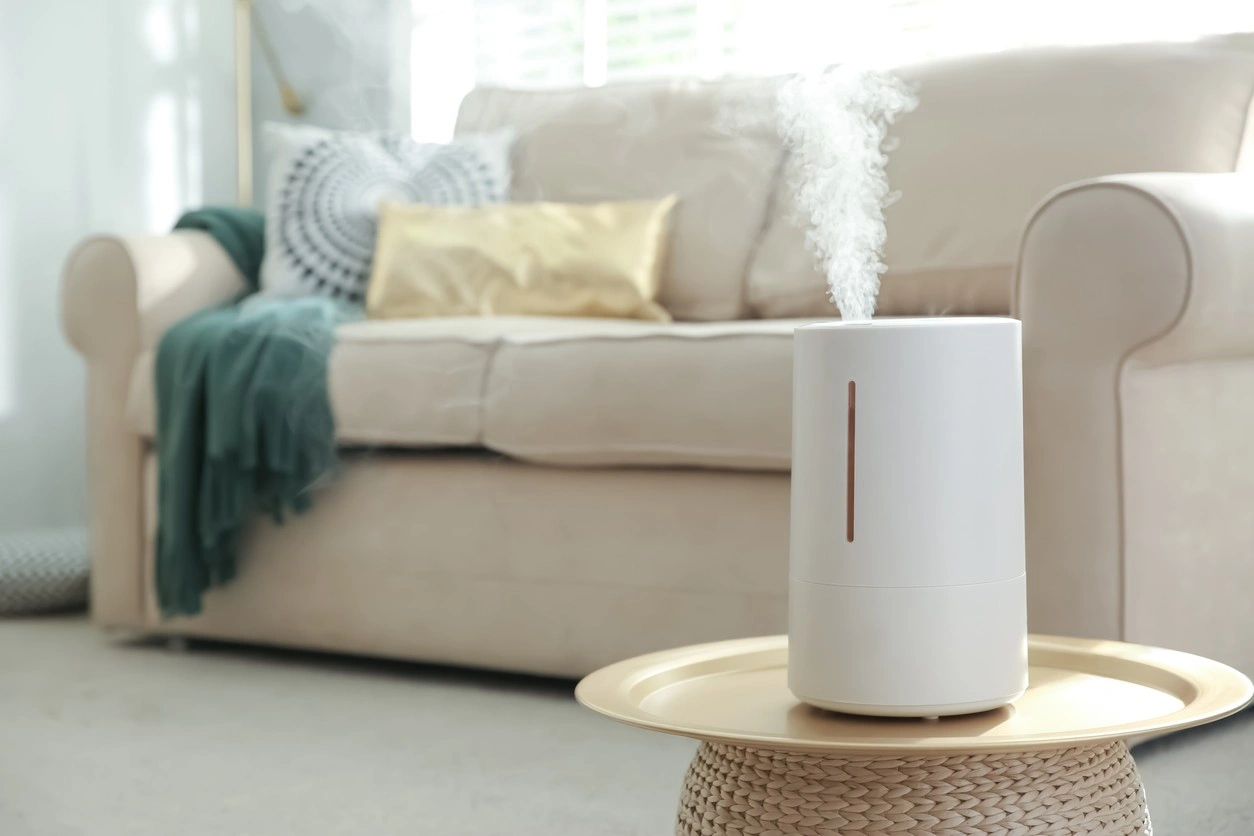
Air quality is inextricably linked to moisture levels. When air is too dry, viruses thrive and wooden furniture cracks; when it is too damp, mold and dust mites proliferate. Whole-home humidifiers add necessary moisture during the dry heating months, while dedicated whole-home dehumidifiers remove excess water vapor during humid stretches without over-cooling the space.
Ventilation Systems
Modern homes are built tightly to conserve energy, which often leads to "stale air" syndrome where pollutants accumulate. Heat Recovery Ventilators (HRVs) and Energy Recovery Ventilators (ERVs) mechanically exchange stale indoor air with fresh outdoor air. These devices transfer thermal energy from the outgoing air to the incoming air, ensuring fresh ventilation without putting a heavy load on the furnace or air conditioner.
Monitoring and Diagnostics
Data drives the decision-making process. Installation often begins with diagnostic testing using high-precision equipment to measure Particulate Matter (PM2.5), Volatile Organic Compounds (VOCs), Carbon Dioxide (CO2), and relative humidity. Integration with smart monitors, such as those from Airthings or PurpleAir, allows for real-time tracking of pollutant levels, giving homeowners visibility into invisible hazards.
The Installation and Integration Process
Implementing a whole-home air quality solution is a technical process that requires modification of the existing HVAC infrastructure. The goal is to create a sealed, efficient loop where air is treated every time it passes through the central handler.
System Assessment and Sizing
The process begins with an evaluation of the current HVAC system's static pressure and airflow capabilities. Adding high-efficiency filtration can restrict airflow if not sized correctly, potentially damaging the blower motor. Technicians calculate the allowable resistance and select equipment that cleans the air without choking the system.
Strategic Placement
Equipment is installed at strategic points within the mechanical system.
- Media cabinets are typically installed at the return air drop to filter air before it enters the furnace.
- UV lights are mounted directly over the evaporator coil or within the supply plenum to target biological growth zones.
- Humidifiers and dehumidifiers are ducted into the supply and return sides to ensure even distribution of moisture-controlled air.
Electrical and Drainage Integration
Many IAQ devices require dedicated electrical circuits or low-voltage connections to the thermostat. Hardwiring ensures that devices like UV lights and humidifiers only activate when the blower fan is running. Additionally, systems that manage moisture, such as dehumidifiers and steam humidifiers, require proper plumbing connections to drain lines or condensate pumps to safely remove water from the system.
Verification and Testing
Once the hardware is physically installed, the system undergoes rigorous testing. Technicians verify that airflow remains within manufacturer specifications and that the new components actuate correctly with the thermostat. Post-installation air quality readings may be taken to establish a baseline for improvement.
Determining When to Upgrade Your Air Quality Strategy
Homeowners often rely on portable purifiers or basic filters until symptoms become undeniable. Recognizing the tipping point between minor annoyance and the need for a professional, whole-home intervention is critical for long-term health and comfort.
Persistent Health Symptoms
If occupants experience chronic allergies, sinus congestion, headaches, or respiratory issues that seem to worsen when inside the house, the indoor air is likely the culprit. This is particularly true during the shoulder seasons in Mission when windows are closed, and the HVAC system recirculates the same air repeatedly.
Visible Dust and Biological Growth
Excessive dust accumulation on furniture shortly after cleaning indicates that the current filtration system is failing to capture airborne particulates. More concerning is the presence of mold or mildew on window sills, in bathrooms, or around vents. This suggests a humidity control failure that requires immediate attention to prevent structural damage and health risks.
Lingering Odors and Stale Air
Cooking smells, pet odors, or a general "musty" scent that refuses to dissipate are signs of high VOC levels or poor ventilation. While sprays and candles mask these odors, they add more chemicals to the air. A whole-home purification system oxidizes these compounds, neutralizing the odor at the molecular level rather than covering it up.
HVAC System Inefficiency
A dirty HVAC system is an inefficient one. If the evaporator coil is clogged with debris or the blower fan is caked in dust, the system must work harder to heat and cool the home. Upgrading filtration and installing UV purification keeps the internal components of the heating and cooling system clean, maintaining efficiency and extending the lifespan of the equipment.
Navigating Local Climate Factors and Requirements
The climate in Mission, KS presents specific challenges that dictate which air quality solutions are most effective. The region experiences distinct seasonal extremes that impact the indoor environment differently throughout the year.
Winter Dryness and Tight Homes
During the cold winter months, the heating system runs frequently, significantly lowering indoor humidity levels. Dry air can irritate nasal passages, increase susceptibility to infection, and cause wood flooring to shrink. Furthermore, because homes are sealed tight against the cold, winter is often when indoor pollutants reach their highest concentrations. Proper ventilation and steam or bypass humidification are essential during this season.
Summer Humidity and Allergens
The hot, humid summers bring a different set of challenges. High outdoor humidity infiltrates the home, making the air feel sticky and forcing the AC to run longer. If the AC cannot dehumidify fast enough, mold potential rises. Additionally, this region sees high pollen counts in spring and fall. High-MERV filtration is necessary to capture these allergens before they circulate through the ductwork.
Transition Months and Tornado Season
Spring brings severe weather and high precipitation. During these periods, barometric pressure changes and moisture intrusion can affect indoor air pressure and humidity. Ensuring that ventilation intake vents are properly shielded and that the home has a strategy for managing rapid humidity spikes is vital.
Permits and Standards
Installing whole-home IAQ equipment involves electrical and mechanical work. Adherence to local building codes regarding electrical connections and condensate disposal is non-negotiable. Using certified equipment that meets EPA standards and local safety regulations ensures that the installation does not void home insurance policies or manufacturer warranties on existing HVAC units.
Professional Implementation vs. DIY Solutions
While retail stores offer numerous portable air quality devices, they lack the capacity and integration of professional-grade systems. A portable unit treats the air in a single room, whereas a whole-home system treats the entire volume of air in the house multiple times per hour.
Holistic Air Management
Professional installation looks at the home as a complete system. It accounts for how a humidifier interacts with the furnace, how filtration affects static pressure, and how ventilation changes heating loads. This holistic view prevents the "band-aid" effect of spot solutions that fail to address the root cause of poor air quality.
Advanced Technology Access
Contractors have access to commercial-grade technology not available to the general public. This includes Photo-Catalytic Oxidation (PCO) cleaners, high-intensity UV-C systems, and HEPA-grade bypass filtration units. These technologies provide a level of purification that far exceeds standard consumer products.
Long-Term Reliability
With All Day Comfort Heating and Cooling LLC, the focus is on long-term reliability. Professional installation ensures that equipment is serviceable, with accessible filters and bulbs for easy maintenance. Warranties on labor and parts provide protection that over-the-counter products cannot match.
Secure Your Indoor Environment Today
The quality of the air inside your home directly impacts your daily life, sleep quality, and long-term health. Waiting until visible mold appears or respiratory issues worsen leads to more expensive remediation efforts later. Taking proactive steps to control humidity, filter particulates, and neutralize biological threats creates a safer haven for everyone under your roof.
Investing in a professionally installed air quality system ensures that your home in Mission remains comfortable regardless of the weather outside. From precise humidity control to hospital-grade filtration, the right equipment makes a tangible difference in how your home feels and smells.
Take the next step toward a cleaner, healthier home environment. Contact All Day Comfort Heating and Cooling LLC to schedule your professional indoor air quality assessment and breathe easier knowing your home is protected — contact us today.
Contact Us
customer reviews
Areas We Serve




Copyright © 2026 All Day Comfort Heating and Cooling.
All rights reserved.
