




Duct Installation in Mission, KS
Discover professional duct installation in Mission to achieve balanced home temperatures. Contact us today for an evaluation or to discuss financing options.
Is Compromised Ductwork Disrupting Your Home Comfort?
Experiencing inconsistent temperatures at home can make each day uncomfortable, especially when your HVAC system seems to run constantly without delivering results. Whether you are dealing with hot spots in the summer or drafts in the winter, discover how our professional duct installation services can restore the comfort and efficiency you desire in Mission.
Contact us today to schedule an evaluation or discuss financing options for your system upgrade.
- Achieve balanced home temperatures with expertly designed and installed ductwork.
- Rapid installation services to ensure minimal disruption to your daily routine.
- Durable solutions with long-term warranties for peace of mind.
All installations are fully licensed, adhere to local building codes, and come with comprehensive warranties. At All Day Comfort Heating and Cooling LLC, we focus on delivering precise air distribution systems that maximize the lifespan of your heating and cooling equipment.
Professional Duct Installation: Scope and Expectations
When you invest in new ductwork, you are purchasing the circulatory system of your home. The efficiency of your furnace or air conditioner is irrelevant if the delivery method is flawed. A professional installation ensures that the air produced by your HVAC unit reaches every room with the correct velocity and volume. This service goes beyond simply hanging sheet metal; it involves a comprehensive approach to airflow dynamics, ensuring that your home in Mission maintains a consistent climate regardless of the weather outside.
The scope of a standard installation project includes a thorough assessment of your home’s layout and heating load requirements. This ensures the ductwork is sized correctly according to industry standards. Undersized ducts create high static pressure, which can burn out blower motors and reduce airflow. Oversized ducts can lead to poor velocity, meaning conditioned air never reaches the second floor or distant bedrooms. The goal is to create a balanced system where supply and return air are perfectly matched — request service today.
Modern duct installation also prioritizes air quality and energy conservation. New installations utilize materials that resist corrosion and microbial growth. Furthermore, the connections are sealed tight to prevent air loss. In many older homes, up to 30% of conditioned air is lost through leaks in the duct system before it ever reaches the living space. By addressing these issues with a fresh installation, homeowners often see an immediate reduction in utility costs and a significant improvement in indoor air quality.
Our Installation Process: From Assessment to Airflow
A systematic approach is required to ensure that the installation meets the specific needs of the structure. We utilize a detailed workflow to minimize errors and ensure that the final product delivers optimal performance. The process is designed to be efficient, clean, and minimally invasive to your daily life.
- Initial Load Calculation and Design: The process begins with a Manual J and Manual D calculation. This involves measuring the square footage, window placement, insulation levels, and orientation of the home. These calculations dictate exactly how much air is needed in each room and what size ducts are required to deliver it quietly and efficiently.
- Removal of Existing Materials: If this is a replacement project, the old, compromised ductwork is carefully removed. Technicians take care to seal off vents during removal to prevent dust and debris from old ducts from contaminating the living space. All old materials are disposed of according to local regulations.
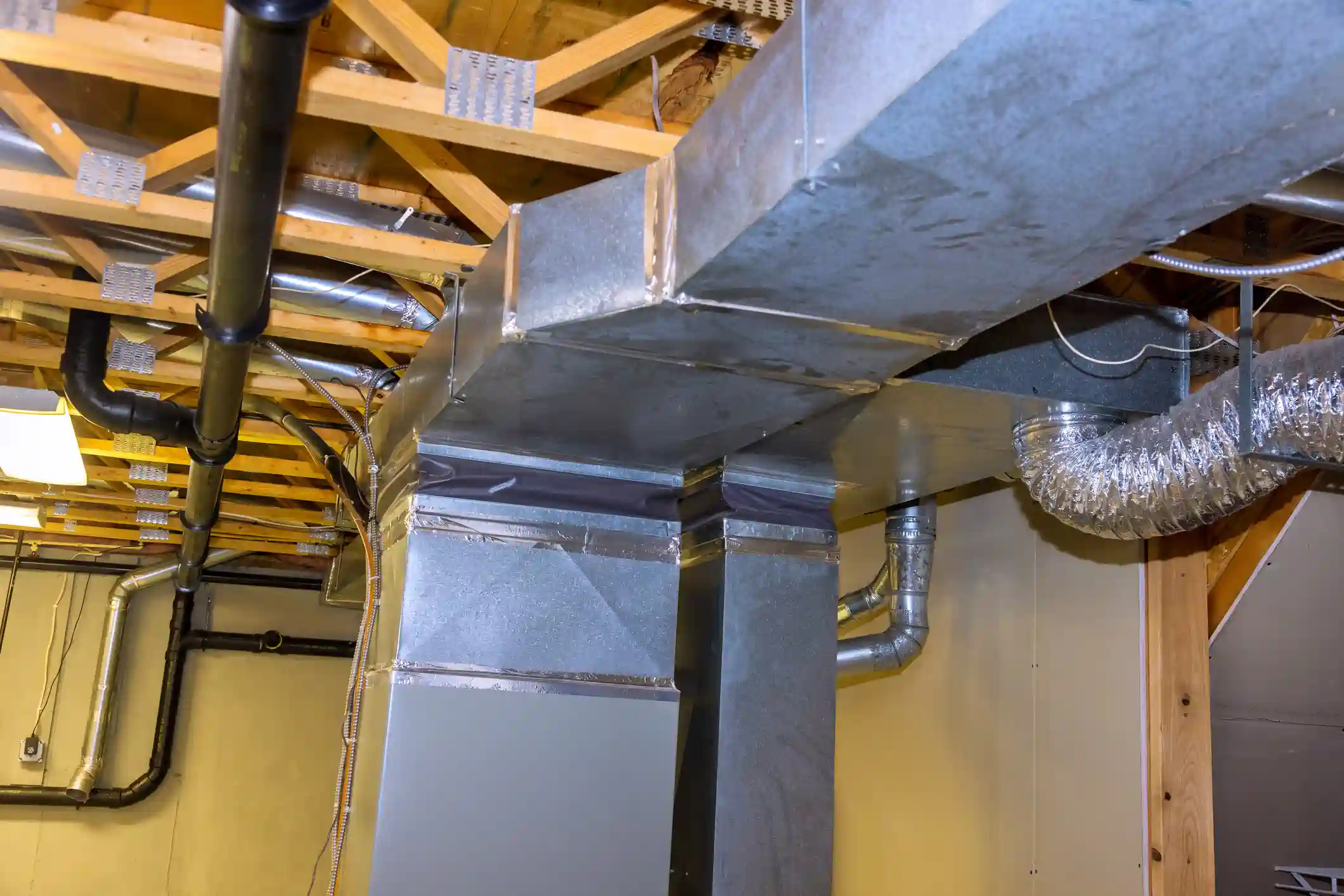
- Plenum and Trunk Line Installation: The installation begins at the HVAC unit with the supply and return plenums. These are the central hubs of the system. From there, the main trunk lines are installed. These are typically rigid metal ducts designed to carry the bulk of the airflow to different sections of the house.
- Branch Run Installation: From the main trunk, smaller branch runs are installed to route air to specific registers. Depending on the application and local building codes, these may be rigid metal or high-quality flexible ductwork. Proper strapping is applied to ensure no sagging occurs, which can restrict airflow.
- Sealing and Insulation: Every joint and connection is sealed using mastic sealant or UL-181 foil tape. This creates an airtight seal that prevents pressure loss. If the ducts run through unconditioned spaces like attics or crawlspaces, they are wrapped in high-R-value insulation to prevent thermal loss and condensation.
- Final Testing and Balancing: Once the physical installation is complete, the system is tested. Technicians measure static pressure and airflow at each register. Dampers are adjusted to balance the system, ensuring that no room is getting too much or too little air.
Deciding Between Duct Repair and Full Replacement
Homeowners often hesitate between repairing existing ductwork and opting for a complete replacement. While repair is a viable option for minor leaks or disconnected segments, there are specific scenarios where replacement is the only financially sound decision. Continuing to patch a failing system can cost more in the long run through high energy bills and repeated service calls.
- Age of the Ductwork: Ductwork typically has a lifespan of 15 to 20 years. After this period, seals degrade, joints separate, and insulation loses its effectiveness. If your ducts are approaching two decades of use, replacement is often more cost-effective than attempting to reseal the entire system.
- Severe Damage or Collapse: If sections of the ductwork have been crushed, kinked, or have collapsed due to age or accidental damage, airflow is permanently restricted. Flexible ducts, in particular, are prone to tearing and collapsing over time. In these cases, repair is rarely successful, and replacement is necessary to restore flow.
- Presence of Mold or Contaminants: If moisture has entered the system and mold growth is extensive within the insulation or the duct interior, cleaning is often insufficient. Mold in porous duct materials cannot be completely removed. To ensure the health of the household, removing the contaminated ducts and installing new, sterile materials is the safest course of action.
- System Incompatibility: When upgrading to a high-efficiency HVAC unit, the existing ductwork may not be compatible. Modern high-efficiency systems often require different airflow rates than older units. Connecting a new, powerful unit to old, undersized ductwork can damage the new equipment. All Day Comfort Heating and Cooling LLC evaluates the compatibility of your current infrastructure with any proposed equipment upgrades to ensure you are not voiding warranties or reducing efficiency.
- Persistent Hot and Cold Spots: If your system has always had uneven temperatures despite the equipment running well, the issue is likely the design of the ductwork itself. No amount of sealing will fix a system that was poorly designed from the start. Replacement allows for a redesign that corrects these airflow imbalances.
Navigating Local Regulations and Climate Challenges
Installing ductwork in this region requires specific attention to local climate conditions and building regulations. The area experiences significant temperature variations, with winter lows often dropping into the teens and summers bringing high humidity and heat. These environmental factors heavily influence how ductwork must be installed and insulated.
In a humid continental climate, condensation is a major concern. If ducts running through unconditioned spaces (like an attic) are not properly insulated, the temperature difference between the cold air inside the duct and the hot, humid attic air will cause water to form on the outside of the duct. This "sweating" can lead to water damage in ceilings and promote mold growth. Professional installation includes utilizing insulation with the correct R-value to prevent this thermal transfer.
Furthermore, local building codes in Mission dictate specific requirements for duct sealing and support. Compliance with these codes is mandatory for safety and efficiency. Permits are generally required for significant ductwork modification or replacement. Professional installers manage the permitting process, ensuring that the work passes all municipal inspections. This includes adhering to strict standards regarding air leakage limits, which are often verified through duct blaster testing during the final inspection.
Seasonality also dictates the timing of installation. Spring and autumn are ideal times for duct replacement, as the demand on the HVAC system is lower. However, emergency replacements can be performed year-round. Understanding the local seasonal load helps in designing a system that can handle the peak heating demands of January and the peak cooling loads of July without straining the equipment.
Why Precision Matters for Your HVAC System
The difference between a mediocre installation and a high-performance system lies in the details. Precision in duct installation affects everything from the noise level of your system to your monthly energy expenditure. When ducts are installed with too many sharp turns or without proper sizing, turbulence is created. This turbulence creates noise and resistance, forcing your blower motor to work harder than necessary.
Static pressure is a critical metric that professionals monitor. Think of it like blood pressure for your HVAC system. If the pressure is too high due to restrictive ductwork, the "heart" of the system (the blower) is under constant strain. This leads to premature failure of expensive components. By prioritizing aerodynamic design and smooth transitions, a professional installation keeps static pressure within manufacturer specifications, protecting your investment.
Proper sealing is another differentiator. Using high-quality mastic gum rather than standard duct tape ensures a seal that lasts for decades. Standard tape dries out and fails within a few years, leading to leaks. Mastic dries to a hard, durable finish that is impervious to temperature changes. This attention to detail ensures that the air you pay to condition stays inside your home.
Finally, return air pathways are often overlooked in amateur installations. A system can only push out as much air as it pulls in. Insufficient return air starves the system, reducing performance and comfort. A professional installation ensures that return vents are adequately sized and placed to facilitate proper air circulation throughout the entire home.
Secure Your Home Comfort Today
Don't let inefficient or damaged ductwork compromise your home's comfort or drive up your energy bills. A properly installed system is the foundation of a healthy, efficient home environment. Whether you are upgrading your HVAC equipment or addressing persistent airflow issues, professional installation is the key to long-term satisfaction.
Trust the team at All Day Comfort Heating and Cooling LLC to provide a solution tailored to your specific needs. Take the next step toward a more comfortable home. Contact us now to schedule your comprehensive ductwork assessment.
Contact Us
customer reviews
Areas We Serve




Copyright © 2026 All Day Comfort Heating and Cooling.
All rights reserved.
