




Duct Repair in Mission, KS
Struggle with high energy bills or uncomfortable rooms in Mission, KS? Contact us for ductwork repair, improve your home comfort, and cut down on energy costs.
Eliminate Airflow Issues and Rising Energy Costs
Dealing with rising energy bills or uneven heating and cooling in your home often points to a hidden issue within your infrastructure. Faulty ductwork is frequently the culprit, allowing conditioned air to escape into attics or crawlspaces before it ever reaches your living areas. If you are noticing dust buildup, clammy air, or rooms that never seem to reach the right temperature in Mission, KS, contact us today to schedule a comprehensive assessment.
All Day Comfort Heating and Cooling LLC provides targeted solutions to identify breaches, seal leaks, and restore the proper airflow required for a comfortable home.
- Identify and seal air leaks to immediately enhance system efficiency and reduce utility waste.
- Same-day service availability to promptly address urgent airflow concerns and temperature imbalances.
- Professional assessments and pressure testing to ensure lasting solutions, rather than temporary tape fixes.
All services are backed by a comprehensive warranty to ensure your system performs reliably for years to come.
Comprehensive Duct Inspection and Repair Scope
When you request duct repair, the objective is to secure the "V" in HVAC—ventilation and distribution. Many homeowners in the area operate systems that lose between 20% and 30% of their conditioned air due to poor connections, holes, or fallen duct runs. A professional service visit focuses on tightening the building envelope to ensure that the air you pay to heat or cool actually stays inside the living space.
The scope of a standard repair service goes beyond simply applying tape to a joint. It involves a forensic look at the static pressure of your system. Technicians evaluate the supply and return sides of the ductwork to ensure they are balanced. If the return side is leaking, your system may be pulling in dirty, unconditioned air from the attic or crawlspace, introducing allergens and humidity into the home. If the supply side is leaking, you are paying to heat the outdoors.
The repair process typically includes:
- Visual and Physical Inspection: Technicians crawl through accessible areas to physically inspect duct runs for kinks, crushes, disconnects, and deterioration.
- Sealing and Mastic Application: Unlike standard duct tape, which degrades quickly, professionals use water-based mastic sealant or metal-backed foil tape designed for extreme temperature fluctuations.
- Insulation Verification: Ensuring that the ducts themselves are properly insulated is critical to preventing condensation (sweating ducts) which can lead to moisture damage and mold growth.
- Connection Tightening: Loose registers, boots, and plenum connections are mechanically secured to prevent future separation.
This service is designed to be decisive. You should expect a noticeable difference in airflow strength at the registers and a reduction in dust accumulation shortly after the work is completed — read our customer testimonials.
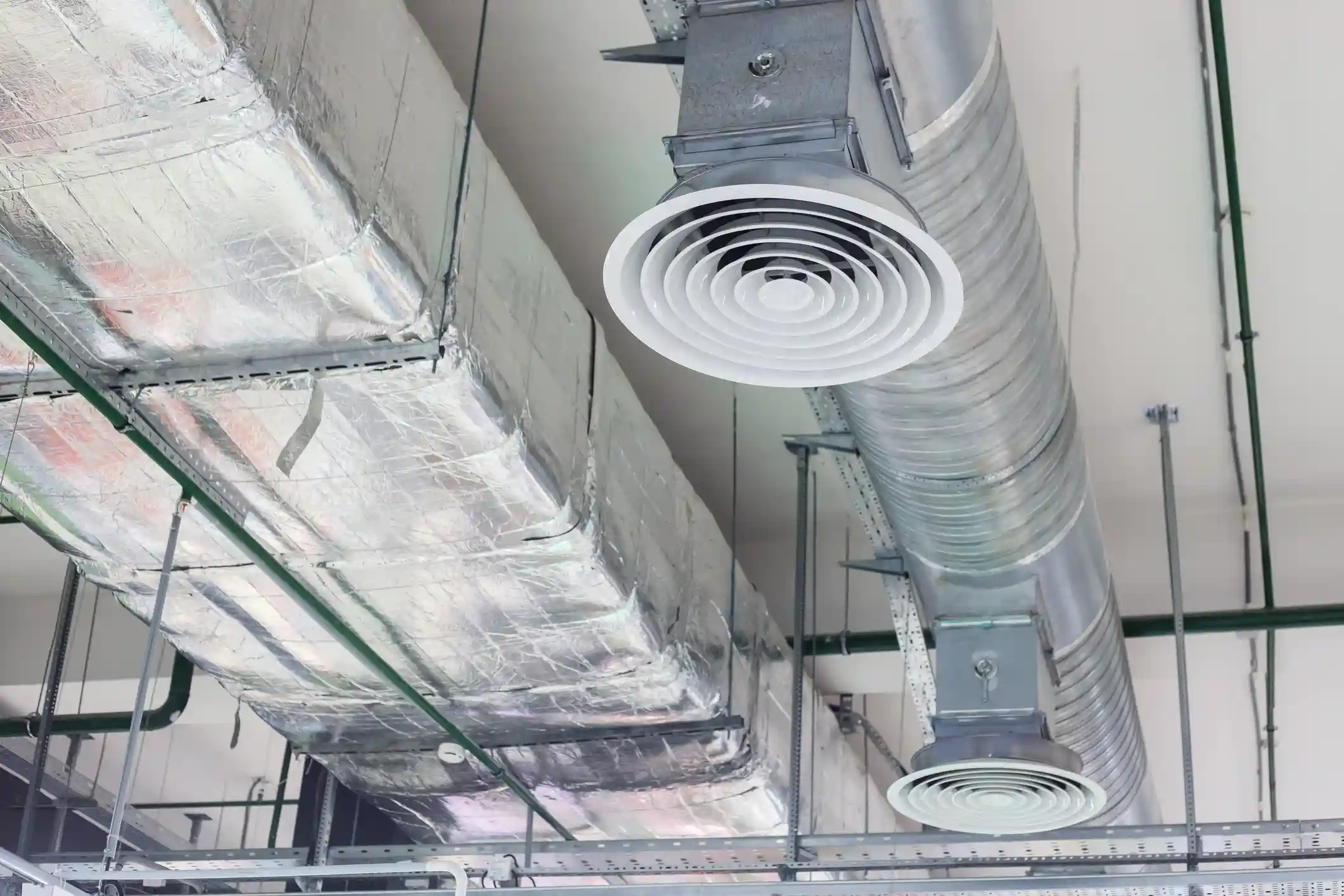
The Professional Duct Repair Process
Understanding how a technician approaches a compromised duct system helps in knowing what to expect during the appointment. The process is methodical, prioritizing the largest leaks first to gain the maximum efficiency improvement. Rather than guessing where the air is going, the approach relies on data and visual confirmation.
- Initial Diagnostics and Assessment: The technician begins by turning on the system to monitor airflow at the unit and the registers. This highlights immediate disparities in pressure. If specific rooms are cold while others are hot, it narrows down the location of the potential blockage or disconnect. Static pressure tests may be performed to determine if the ducts are undersized or if there is a major restriction impeding flow.
- Leak Isolation and Access: Once the problem areas are identified, the technician gains access to the ductwork. This often involves working in attics, basements, or crawlspaces. In finished basements where ducts are hidden behind drywall, technicians use specialized cameras or airflow sensors to locate leaks without unnecessary demolition. The goal is to reach the failure point with minimal disruption to the home.
- Structural Repair and Sealing: For flexible ductwork, repairs may involve splicing in new sections if the inner liner is torn or if the wire helix is crushed. For rigid metal ductwork, the focus is on sealing joints and seams. Technicians apply a thick layer of mastic sealant over seams and joints. This substance hardens into a durable, airtight seal that creates a permanent bond. If a duct has fallen due to broken straps, it is re-hung using proper support materials to ensure straight runs and optimal airflow velocity — browse our project gallery.
- Verification and System Testing: After repairs are made, the system is run through a full cycle. The technician verifies that air is now reaching previously problem areas. They check that the furnace or air conditioner is not overheating or freezing up due to changes in pressure. This step confirms that the repair has resolved the root cause of the inefficiency.
Repair vs. Replacement: Making the Right Decision
Homeowners often face the choice between repairing existing ductwork or investing in a full replacement. This decision depends on the age of the material, the extent of the damage, and the original design of the system. While repair is often the most cost-effective route for localized issues, there are scenarios where patching the system will yield diminishing returns.
When to Repair:
- Localized Damage: If the damage is limited to a few specific sections, such as a disconnected boot or a puncture from animal activity, repair is the logical choice.
- Accessible Leaks: When leaks are located in exposed areas like an unfinished basement or accessible attic, sealing them is straightforward and highly effective.
- Newer Systems: If the ductwork is relatively new (under 10-15 years) and made of rigid metal, it likely only requires resealing and insulation upgrades rather than removal.
- Budget Constraints: Sealing and insulating is significantly less expensive than a full tear-out and provides immediate efficiency gains — apply for financing.
When to Replace:
- Systemic Collapse: In older homes with flexible ductwork, the inner liner can become brittle and collapse, blocking airflow entirely. If the outer vapor barrier is disintegrating, replacement is necessary.
- Mold and Contamination: If there has been significant water damage or pest infestation inside the ducts, cleaning may not be sufficient. Porous materials like flex duct and duct board cannot be effectively sanitized if mold has penetrated the insulation.
- Improper Sizing: If the original ductwork was never sized correctly for the home’s square footage or the HVAC unit’s capacity, no amount of sealing will fix the airflow problem. Undersized ducts create high static pressure that kills blower motors. In this case, redesigning and replacing the plenum or trunk line is required.
- Asbestos Materials: Some older homes still have duct tape or insulation containing asbestos. If this material is deteriorating, professional abatement and replacement of the ductwork is the safest option.
Navigating Local Climate and Code Requirements
The weather in this region dictates strict requirements for duct efficiency. With a humid continental climate, the area experiences significant temperature swings. Summers bring high humidity and temperatures in the 90s, while winters can drop well below freezing. This variability places immense stress on ductwork located in unconditioned spaces like attics.
During the summer, an attic can reach temperatures exceeding 130 degrees. If your cooling ducts are leaking, you are not only losing cold air, but you are also likely drawing that superheated, dusty attic air into the system through return leaks. This forces your air conditioner to run continuously to combat the heat load, driving up electric bills and shortening the lifespan of the compressor.
Conversely, in winter, leaky ducts in a crawlspace can cause pipes to freeze if the heating envelope is compromised. All Day Comfort Heating and Cooling LLC understands these local challenges. The approach to repair involves not just stopping air loss but ensuring that the insulation value (R-value) of the ducts is sufficient to prevent thermal transfer.
Local building codes also play a role in how repairs are conducted. Regulations typically require specific sealing methods and insulation standards for any new or modified ductwork.
- Adherence to local fire and safety codes regarding materials used for sealing and support.
- Compliance with energy conservation codes that mandate specific leakage rates for duct systems.
- Proper venting requirements for gas appliances to prevent backdrafting of carbon monoxide into the living space via the duct system.
Ensuring your system meets these local standards is vital for safety and for maintaining the resale value of the home.
Why Professional Workmanship Matters
Duct repair is often mistaken for a DIY project, but effective results require an understanding of airflow dynamics and building science. Simply wrapping tape around a pipe does not account for pressure imbalances or thermal bridging. Professional technicians utilize diagnostic tools to measure the static pressure within the system, ensuring that repairs do not inadvertently restrict airflow and damage the HVAC equipment.
The durability of the materials used is a key differentiator. Hardware store duct tape loses adhesion within a few seasons due to the thermal expansion and contraction of the ducts. Professionals use mastic sealant and UL-181 rated tapes that cure to form a permanent seal. Additionally, properly supporting the ducts is essential. Flex ducts that are allowed to sag restrict air movement, similar to kinking a garden hose. Professional installation ensures that ducts are pulled taut and supported at correct intervals to maximize velocity.
Furthermore, a professional assessment looks at the system holistically. A technician will check if the return air is sufficient for the supply air being delivered. If a room has a supply vent but no return path, pressurization issues will prevent that room from ever being comfortable, regardless of how well the ducts are sealed. Addressing these airflow pathways is part of a complete repair service.
Securing Your Home’s Efficiency
Ignoring duct issues leads to a cycle of wasted energy, increased wear on your heating and cooling equipment, and compromised indoor air quality. Whether it is a simple disconnect or a system-wide sealing project, addressing the problem restores control over your indoor environment. Your HVAC system is the lungs of your home; ensuring the airways are clear and sealed is essential for health and comfort.
All Day Comfort Heating and Cooling LLC is ready to evaluate your system and provide the necessary repairs to keep your home running efficiently. Stop paying to heat and cool your attic and start directing that comfort where it belongs. Take control of your energy costs and indoor comfort by scheduling your duct repair service today.
Contact Us
customer reviews
Areas We Serve




Copyright © 2026 All Day Comfort Heating and Cooling.
All rights reserved.
