




Emergency HVAC in Shawnee, KS
Experiencing a system breakdown? Secure quick HVAC repairs in Shawnee with immediate dispatch. Trust our licensed team for fast and effective solutions. Call now!
Heating or Cooling System Failure Demands Immediate Attention
When your AC stops working in the heat of summer or your heater fails during a freeze, every minute counts toward restoring safety and comfort in your home. Call us immediately at to dispatch an expert technician or ask about our available financing options to handle unexpected repairs.
- Technicians onsite within hours - not days.
- Round-the-clock service for all HVAC emergencies.
- Solutions that ensure your comfort in any season.
Licensed and insured for your peace of mind, with flexible financing available.
Why Quick HVAC Repair Matters – Especially in Extreme Weather
A broken HVAC system is more than just an inconvenience; in our region, it can quickly escalate into a safety hazard or cause significant property damage. Shawnee experiences distinct and intense seasonal shifts that put heavy strain on climate control systems. During the winter months, temperatures often drop below freezing. If a furnace fails during a cold snap, the interior temperature of a home can plummet rapidly. This drop poses a risk to the health of occupants, particularly the elderly and young children, but it also threatens the structural integrity of the house. Without heat, pipes can freeze and burst, leading to catastrophic water damage that far exceeds the cost of a furnace repair.
Conversely, the summer months bring high humidity and temperatures frequently reaching the upper 90s. An air conditioner failure during a heatwave creates a dangerous environment where heat exhaustion becomes a real possibility. Furthermore, without the dehumidifying properties of a functioning AC unit, moisture can build up inside the home, encouraging mold growth and warping wood floors or furniture. Speed is the critical factor in mitigating these risks. An emergency response ensures that a minor mechanical failure does not spiral into a major home renovation project or a medical emergency. Addressing the issue immediately protects both the physical property and the people living inside it.
What You Get Today: Immediate Service and Effective Solutions
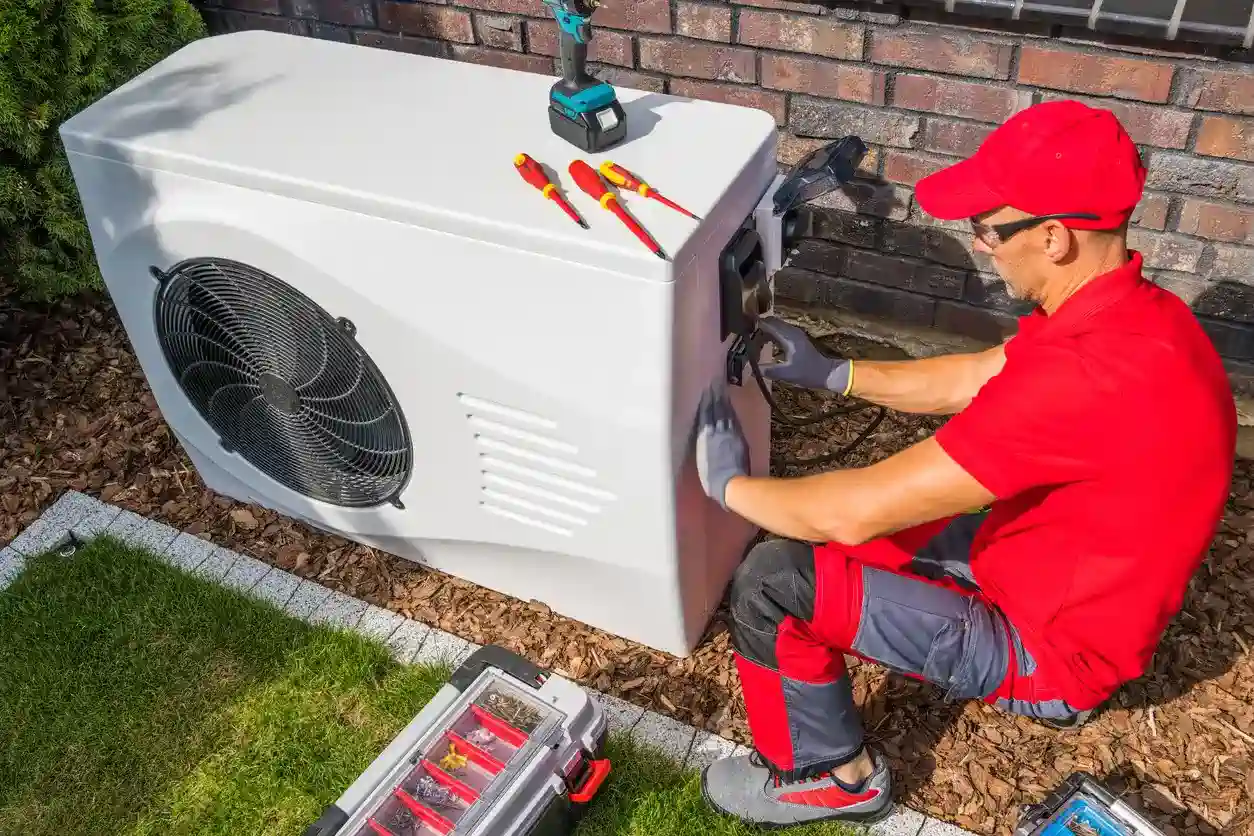
When you request emergency service, the objective is to restore functionality as quickly and safely as possible. You are not booking a consultation for next week; you are securing a resource that prioritizes your call. Our technicians arrive in fully stocked service vehicles designed to handle the vast majority of repairs on the first visit. This "warehouse on wheels" approach minimizes the need to drive back and forth to supply houses, which wastes valuable time when your home is uncomfortable.
Upon arrival, the service includes a comprehensive diagnostic of the system. This goes beyond just identifying the obvious broken part. Technicians trace the root cause of the failure—whether it is an electrical short, a failed compressor, a cracked heat exchanger, or a refrigerant leak. You receive a clear explanation of what is wrong, exactly what is required to fix it, and a direct quote for the repair work. There is no guesswork involved.
You can expect the following during an emergency visit:
- Rapid mobilization: Dispatch systems prioritize emergency tickets to get a technician to your door faster.
- Safety inspection: Technicians check for gas leaks, carbon monoxide issues, and electrical hazards immediately upon arrival.
- Accurate diagnostics: Advanced tools are used to measure pressure, voltage, and airflow to pinpoint the exact failure.
- Transparent solutions: You are presented with the repair options and costs before any wrench is turned.
How Our Emergency HVAC Service Works – From Call to Comfort
Navigating a system breakdown can be stressful, so the process is designed to be seamless and transparent. We remove the friction from the situation so you can focus on getting back to normal life. The workflow is strictly defined to ensure consistency and speed.
- Initial Contact and Triage: When you reach out, the dispatch team collects vital information about your system and the nature of the problem. This allows the technician to prepare mentally and physically for the specific type of equipment they will be servicing. If the situation involves a potential gas leak or immediate safety threat, you will be advised on how to shut off fuel sources while help is on the way.
- Dispatch and Arrival: You receive a notification when the technician is en route. This prevents you from being stuck in a four-hour window without knowing when help will arrive. The technician arrives uniformed, badged, and ready to work.
- System Assessment: The technician performs a thorough evaluation. This involves testing the thermostat, checking the breaker panel, inspecting the indoor and outdoor units, and measuring refrigerant levels or gas pressure.
- Approval and Repair: Once the problem is identified, the solution is explained to you. Repairs only begin after you have authorized the work. The technician then replaces the faulty components, cleans the affected area, and tests the system to ensure it is running at manufacturer specifications.
- Final Verification: Before leaving, the technician cycles the system through a full run to verify that the repair holds and that the temperature in the home is stabilizing.
When Replacement Beats Repair – Making the Cost-Effective Choice
In some emergency scenarios, the most logical path forward is not a repair but a replacement. While the immediate goal is to fix the current unit, pouring money into a dying system is often financially unwise. All Day Comfort Heating and Cooling LLC technicians assist homeowners in evaluating the long-term value of a repair versus a new installation.
There are specific benchmarks used to determine if a replacement is the better investment. The "$5,000 Rule" is a common metric used in the industry. If the age of the unit multiplied by the cost of the repair exceeds $5,000, replacement is generally recommended. For example, if a 15-year-old furnace requires a $500 repair, the score is 7,500, suggesting that the money would be better spent on a new, warranted unit.
Other factors influencing this decision include:
- Refrigerant Type: Older AC units often use R-22 (Freon), which has been phased out and is incredibly expensive to replenish. If an R-22 system has a leak, replacement is almost always the only viable financial option.
- Frequency of Breakdowns: If the system has required multiple emergency repairs in the last two years, it has become unreliable. A new system provides stability and eliminates the recurring cost of emergency service calls.
- Energy Efficiency: Modern systems have significantly higher SEER (Seasonal Energy Efficiency Ratio) and AFUE (Annual Fuel Utilization Efficiency) ratings. Replacing a 15-year-old unit can lower monthly utility bills enough to offset a portion of the installation cost over time.
- Major Component Failure: If a compressor in an AC unit or a heat exchanger in a furnace fails, the cost of the part and labor is nearly half the cost of a new system. In these cases, a new warranty and improved efficiency make replacement the smarter move.
Shawnee's Seasonal HVAC Needs and How We Meet Them
The local climate presents specific challenges that dictate how HVAC systems must be serviced and maintained. In this area, equipment must be robust enough to handle high humidity in the summer and deep freezes in the winter. A generic approach does not work; the service must be tailored to the environmental realities of the region.
Winter Challenges
During the winter, the primary concern is the reliability of the ignition system and the venting of exhaust gases. Furnaces run for long cycles to combat freezing temperatures. This puts immense stress on the heat exchanger and the blower motor. Emergency service often involves addressing issues caused by this extended runtime, such as overheated motors or cracked igniters. Furthermore, ensuring that the flue pipes are clear of ice and snow is critical for preventing carbon monoxide buildup.
Spring and Fall Volatility
Transitional seasons bring severe weather, including thunderstorms and tornado warnings. Power surges and fluctuations during storms are a common cause of HVAC electrical failure. Capacitors can blow, and control boards can short out. We see a spike in service calls immediately following severe weather events. Additionally, these seasons are when systems sit idle or switch rapidly between heating and cooling, which can cause seizing in reversing valves or stuck relays.
Summer Humidity and Heat
The intense heat and humidity require air conditioners to run at maximum capacity. This is when capacitor failures, frozen evaporator coils, and clogged condensate drains occur most frequently. A system that is low on refrigerant will freeze up quickly in high humidity, completely blocking airflow. Our local service protocols include checking clear drainage pathways to prevent water damage from overflowing condensate pans, a common issue in humid climates.
Why Choose Us? Local Expertise and Trusted Technicians
Selecting a service provider during an emergency requires trust. You need to know that the technician entering your home is qualified, vetted, and capable of solving the problem. We focus on technical proficiency and adherence to local codes and safety standards — browse our gallery today.
- Licensed Professionals: Every technician holds the necessary state and local licensures to perform HVAC work. This ensures that all repairs comply with current building codes and manufacturer warranty requirements.
- Diagnostic Technology: We invest in modern diagnostic tools that eliminate guesswork. Thermal imaging, digital manometers, and electronic leak detectors allow for precision repairs that last.
- Fully Stocked Trucks: Time is wasted if a technician has to leave to find a common part. Trucks are stocked with universal parts, including capacitors, contactors, motors, and control boards, ensuring high first-time fix rates.
- Warranty Adherence: Repairs are performed using parts and practices that maintain your existing equipment warranty. If a replacement is needed, we register the new equipment to ensure you receive full coverage.
We understand that you have choices when it comes to emergency services. However, technical expertise combined with a deep understanding of local infrastructure and climate allows us to provide a superior level of service. Whether it is navigating local permit requirements for a system change-out or understanding the specific load calculations for homes in the area, we bring a level of detail that ensures the job is done right.
Troubleshooting Before You Call
While we are ready to deploy 24/7, there are a few simple checks you can perform that might restore your system immediately without a service fee.
- Check the Thermostat: Ensure the batteries are fresh and the setting is correct (Cool vs. Heat). Sometimes, a simple battery change is all that is needed.
- Inspect the Air Filter: A completely clogged filter can restrict airflow enough to trip the system’s safety limit switch or freeze the coils. If it is dirty, replace it and wait 30 minutes to see if the system resets.
- Check the Breaker Panel: Locate the circuit breaker for your HVAC unit. If it has tripped to the "Center" or "Off" position, flip it firmly to "Off" and then back to "On." If it trips again immediately, do not reset it a second time; this indicates a dangerous electrical short that requires professional attention.
- Clear Vents and Intakes: Ensure that supply and return vents inside the home are not blocked by furniture or rugs. Outside, check that the condenser unit is not choked by leaves, grass clippings, or snow drifts.
If these steps do not resolve the issue, you have a mechanical failure that requires professional intervention. Do not attempt to open the furnace cabinet or the outdoor condenser unit, as high voltage and flammable gases are present.
Secure Your Comfort Now
Don’t wait when an HVAC emergency strike—whether it’s freezing temperatures in winter or a heatwave in summer, All Day Comfort Heating and Cooling LLC is here to ensure your home stays safe and comfortable. Our licensed technicians are ready to respond within hours, with fully stocked trucks and 24/7 emergency services. Call now for fast, reliable HVAC repairs or ask about our flexible financing options to make unexpected repairs more manageable.
Contact Us
customer reviews
Areas We Serve



Copyright © 2026 All Day Comfort Heating and Cooling.
All rights reserved.
