




Heating Maintenance in Shawnee, KS
Struggling with uneven heating in Shawnee? Contact All Day Comfort Heating and Cooling LLC for expert maintenance services. Ensure your system's efficiency and safety.
Is Your Furnace Failing to Keep Up with Freezing Temperatures?
Are chilly indoor temperatures making your winter unbearable while your energy bills continue to rise? You might need a professional heating system maintenance check to identify the root cause of the inefficiency before the unit shuts down completely. If your heater is acting up or you simply want to ensure reliability for the season, contact us today to schedule your comprehensive tune-up or call for immediate assistance.
All Day Comfort Heating and Cooling LLC specializes in restoring system efficiency and safety through rigorous inspections and cleaning protocols.
- Experienced technicians available 24/7 to restore your comfort.
- Prevent future breakdowns with thorough maintenance checks.
- Affordable rates with transparent pricing—no surprises.
Fully licensed and insured for peace of mind, with easy financing options available.
Comprehensive Heating Maintenance: What to Expect
When you schedule a maintenance visit, you are paying for more than just a quick visual inspection. Professional maintenance involves a deep dive into the mechanical, electrical, and safety components of your heating system. The goal is to return the unit to factory specifications, ensuring it runs as efficiently as possible while mitigating the risk of carbon monoxide leaks or fire hazards. Over time, components wear down, connections loosen, and debris accumulates. Addressing these issues proactively saves significant money on emergency repairs later.
A standard maintenance visit covers the entire anatomy of your heating unit, whether it is a gas furnace, electric handler, or heat pump. The technician evaluates the sequence of operation to ensure the system ignites, runs, and shuts down exactly as designed. Without this calibration, your system may short-cycle, overheat, or fail to distribute heat evenly across your home in Shawnee.
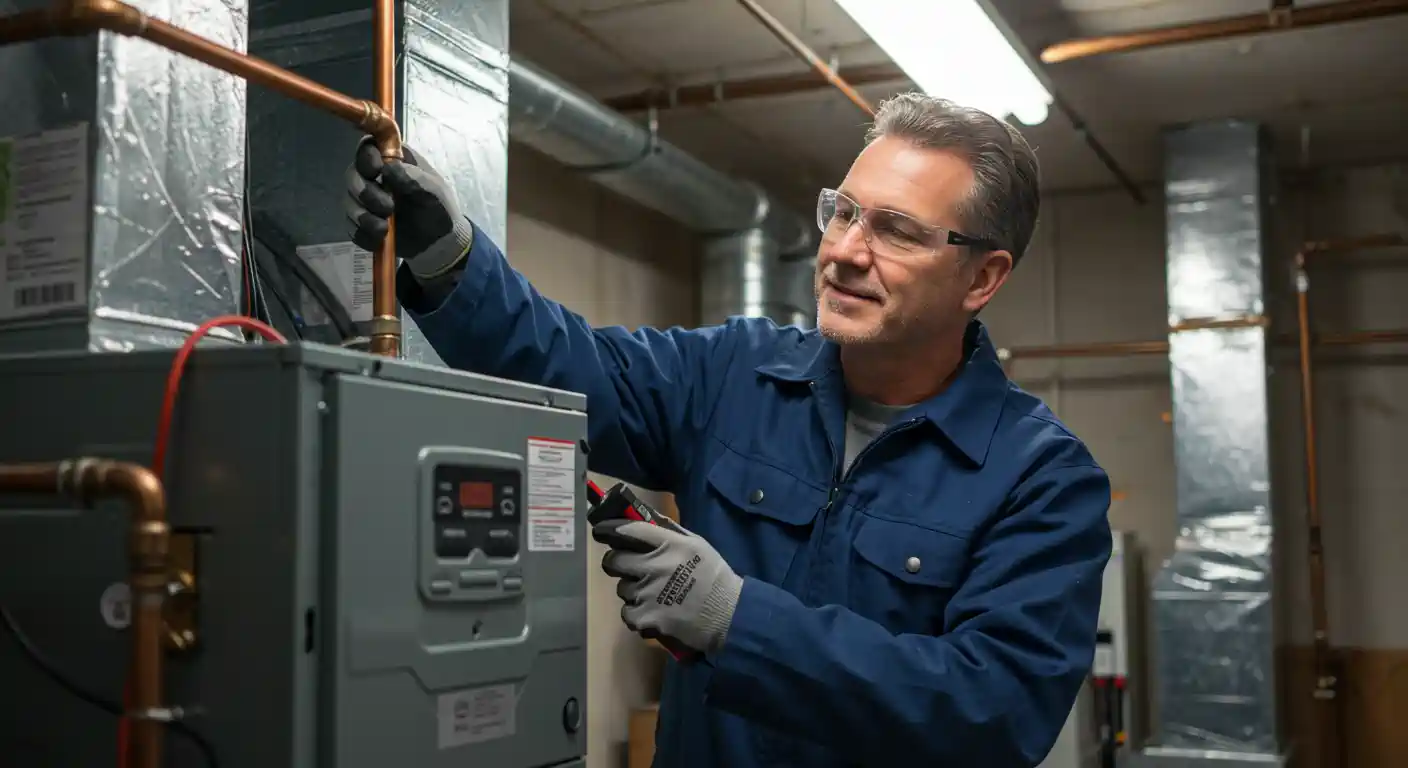
Critical Safety Inspections
Safety is the primary focus of any heating tune-up. Gas furnaces rely on the combustion of fuel to generate heat, which produces exhaust gases that must be properly vented.
- Heat Exchanger Analysis: Technicians inspect the heat exchanger for cracks or corrosion. Even hairline cracks can allow dangerous carbon monoxide to escape into your living space.
- Vent System and Flue Pipe Check: The venting system is examined to ensure there are no blockages (such as bird nests or debris) and that the draft is pulling exhaust gases safely out of the home.
- Gas Pressure and Valve Operation: Incorrect gas pressure can lead to inefficient burning or overheating. Technicians adjust the manifold pressure to manufacturer specifications and test the gas valve for proper shut-off capabilities.
- Safety Switch Testing: Limit switches, rollout switches, and pressure switches are tested to ensure they automatically shut the system down if unsafe conditions, such as overheating or a blocked flue, are detected.
Efficiency and Performance Tuning
Once safety is confirmed, the focus shifts to maximizing performance. A tuned system moves air better and uses less fuel.
- Blower Motor Inspection: The blower motor is responsible for circulating air. Technicians check the amp draw to ensure it isn't overworking, clean the blower wheel to improve airflow, and lubricate bearings if necessary.
- Burner Cleaning: Dirty burners result in poor combustion and soot buildup. Cleaning them ensures a clean, blue flame that generates maximum heat.
- Electrical Connection Tightening: Vibrations can loosen electrical wires over time, leading to arcing or component failure. All connections are tightened, and voltage is measured.
- Thermostat Calibration: The thermostat is the brain of the system. Technicians verify that the temperature reading on the wall matches the actual temperature in the room and that the cycle rate is set correctly for your specific heating unit.
Our Systematic Approach to Heating Tune-Ups
Understanding the process helps homeowners know exactly what is happening during a service call. We utilize a structured workflow to ensure no component is overlooked and that the service is completed efficiently.
- Initial System Assessment: The process begins with a conversation about any specific issues you have noticed, such as strange noises, cold spots in the house, or rising utility bills. The technician then performs a static test of the system to hear how it starts up and runs before touching any tools.
- The Deep Clean and Tune: Power is turned off to the unit for safety. The technician systematically disassembles access panels to clean the cabinet, burners, and sensor rods. The flame sensor, a critical component for keeping the gas valve open, is cleaned to prevent nuisance lockouts. Air filters are inspected and replaced if a new one is provided or available.
- Component Testing: Using specialized multimeters and manometers, the technician reads the electrical usage of motors and the pressure of the gas supply. The capacitor, which helps start the motor, is tested for microfarads; if it is outside the acceptable range, it is recommended for replacement to prevent motor failure.
- Operational Check and Report: After reassembly, the system is powered back on. The technician measures the "temperature rise," which is the difference in temperature between the air entering the furnace and the air leaving it. This confirms the system is producing the correct amount of heat. Finally, you receive a detailed report outlining the health of the system and any recommended repairs.
Deciding Between Repair, Maintenance, or Replacement
One of the most common questions homeowners face is whether to continue maintaining an aging unit or to invest in a replacement. Maintenance can extend the life of a heater significantly, but there is a point of diminishing returns. Knowing when to make the switch helps avoid throwing money into a dying system.
The Age and Efficiency Factor
Heating systems typically last between 15 and 20 years. If your unit is approaching the 15-year mark, major components like the heat exchanger or compressor (in heat pumps) are at higher risk of failure.
- Efficiency Drop-off: Older units often have AFUE (Annual Fuel Utilization Efficiency) ratings of 70% or 80%, meaning 20-30% of the fuel you pay for is wasted. Modern systems can reach up to 98% efficiency.
- Frequency of Repairs: If you find yourself calling for service more than once a year outside of routine maintenance, the system is likely becoming unreliable.
- The 50% Rule: A general industry guideline suggests that if the cost of a necessary repair approaches 50% of the cost of a new system, replacement is the wiser financial choice.
When Maintenance is the Solution
If your system is under 10 years old and the issues are related to airflow, dirty sensors, or minor electrical parts, maintenance is usually the correct path. Many performance issues, such as a furnace blowing cold air or making rattling noises, are solved simply by cleaning the flame sensor, tightening a loose panel, or unclogging a condensate trap. Regular tune-ups from All Day Comfort Heating and Cooling LLC keep these younger systems running like new and preserve the manufacturer's warranty.
Local Considerations for Heating Systems
Operating a heating system in Shawnee presents specific challenges due to the regional climate. The transition from hot, humid summers to freezing winters places a unique strain on HVAC equipment. Systems here must work hard year-round, which accelerates wear and tear compared to more moderate climates.
Seasonal Temperature Swings
Winter lows often drop into the teens, and cold snaps can linger for days. This requires your heating system to run for long, continuous cycles. If a system has not been maintained, these long run times can cause motors to overheat or limit switches to trip. Ensuring your insulation and ductwork are sealed is also vital in this area to prevent heat loss into attics or crawl spaces.
Utility and Permit Guidelines
When maintenance uncovers the need for a major repair or a full replacement, local regulations come into play.
- Permitting Requirements: Most routine maintenance and minor repairs do not require permits. However, if a heat exchanger needs replacing or gas lines need to be altered, local codes require proper permitting to ensure safety compliance.
- Utility Coordination: Whether you rely on natural gas or electricity, ensuring your equipment meets the efficiency standards set by local utility providers can sometimes qualify you for rebates.
- Venting Codes: Local building codes regarding flue pipes and chimney liners are strictly enforced to prevent carbon monoxide poisoning. During a maintenance check, technicians verify that your current setup meets these local safety standards.
Why Professional Maintenance Matters for System Longevity
Skipping annual maintenance is the leading cause of premature heating system failure. While changing a filter is a good step for a homeowner, it is not a substitute for professional calibration. Modern heating systems contain complex electronics and safety circuits that require specialized diagnostic tools to evaluate.
Manufacturer Warranty Compliance
Most HVAC manufacturers include a clause in their warranty terms stating that the warranty is void if the equipment is not maintained annually by a licensed professional. If a major part fails five years into a ten-year warranty, you may be asked to provide proof of maintenance logs. Without them, you could be stuck paying for an expensive part that should have been covered. Professional service ensures you have the documentation needed to protect your investment.
Improved Air Quality and Comfort
A clean heating system directly impacts indoor air quality. Dust, mold spores, and pollen can accumulate inside the furnace cabinet and on the blower wheel. When the heat turns on, these contaminants are circulated throughout your home. A professional cleaning removes this buildup, resulting in cleaner air and a cleaner home. Furthermore, a properly calibrated system balances humidity levels and eliminates cold spots, ensuring every room in your house stays comfortable regardless of the weather outside.
Economic Benefits
The cost of a tune-up is a fraction of the cost of a major repair or increased energy bills.
- Lower Energy Bills: A tuned-up system runs less often to maintain the set temperature, directly lowering monthly utility costs.
- Extended Lifespan: Lubricated motors and clean burners experience less friction and heat stress, allowing the unit to last years longer than a neglected one.
- Catastrophe Prevention: Catching a failing capacitor or a fraying wire during a scheduled visit prevents the system from failing at 2:00 AM on the coldest night of the year.
By choosing professional maintenance, you are investing in the safety, efficiency, and longevity of your home’s heating infrastructure. Don't wait for the first freeze to discover a problem. Ready to secure your comfort for the season? Contact All Day Comfort Heating and Cooling LLC today to schedule your precision heating maintenance service.
Heating Efficiency Starts Here
Don’t let winter catch you unprepared. At All Day Comfort Heating and Cooling LLC, we offer heating maintenance in Shawnee, KS, to ensure your system is running efficiently and safely. Our expert technicians provide thorough inspections, cleaning, and performance tuning to prevent costly breakdowns and improve your system’s efficiency. Schedule your comprehensive heating maintenance today, and keep your home warm all winter long—while saving on energy bills!
Contact Us
customer reviews
Areas We Serve




Copyright © 2026 All Day Comfort Heating and Cooling.
All rights reserved.
