



Heating Installation in Shawnee, KS
Need efficient heating Installation in Shawnee? Ensure your home is warm with our quick, reliable services. Schedule your consultation today for expert solutions!
Is Your Heating System Failing When You Need It Most?
Facing sudden heating failures or inefficiencies in your home during a freezing winter night can be dangerous and stressful. You are likely dealing with a system that refuses to turn on, blows cold air, or is making alarming noises while the temperature outside drops. Contact us immediately to schedule an assessment or ask about our financing options to restore your heat.
Residents in Shawnee and the surrounding Kansas City metropolitan area know that winter lows often dip around 18°F. A reliable heating system is not a luxury; it is a necessity for safety and property protection. When a breakdown occurs, you need a solution that goes beyond a temporary patch. You need a comprehensive installation service that ensures your home remains warm for years to come.
- Experience same-day heating installation to restore your comfort quickly before the house freezes.
- Benefit from comprehensive warranties and reliable customer support that protects your investment.
- Enjoy easy financing options to manage costs without stress, ensuring you don't have to compromise on safety.
All installations are fully licensed, strictly adhering to local codes for your complete peace of mind.
What You Can Expect From Your New Heating Installation
When you invest in a new heating system, you are purchasing more than just a metal box; you are securing a complex thermal management system designed to regulate your home’s climate precisely. The focus is on delivering consistent warmth, improving air quality, and reducing monthly energy consumption.
Modern heating installation involves a complete overhaul of how your home generates and distributes heat. High-efficiency units available today are vastly different from the systems installed just ten years ago. They utilize variable-speed blowers and modulating gas valves to adjust heat output in small increments, maintaining a constant temperature rather than blasting hot air and then shutting off.
Here is what is included in a professional installation scope:
- System Sizing and Selection: A unit that is too big will short-cycle, wearing out parts prematurely, while a unit that is too small will run constantly without warming the house. Professional sizing ensures the equipment matches the thermal envelope of your home.
- Old Unit Removal and Disposal: The service includes the safe disconnection of gas lines and electrical wiring, followed by the physical removal and environmentally responsible disposal of the old furnace or heat pump.
- Ductwork Assessment and Modification: Connecting a high-efficiency unit to leaking or undersized ductwork defeats the purpose of the upgrade. The installation process includes inspecting the plenum and transition ducts to ensure airflow is unobstructed.
- Thermostat and Control Integration: Modern systems often require smart thermostats to communicate effectively. The installation includes setting up these controls so you can manage your home’s temperature from anywhere.
- Post-Installation Calibration: The job is not finished until the gas pressure is adjusted, the temperature rise is measured, and the static pressure in the ducts is verified to meet manufacturer specifications.
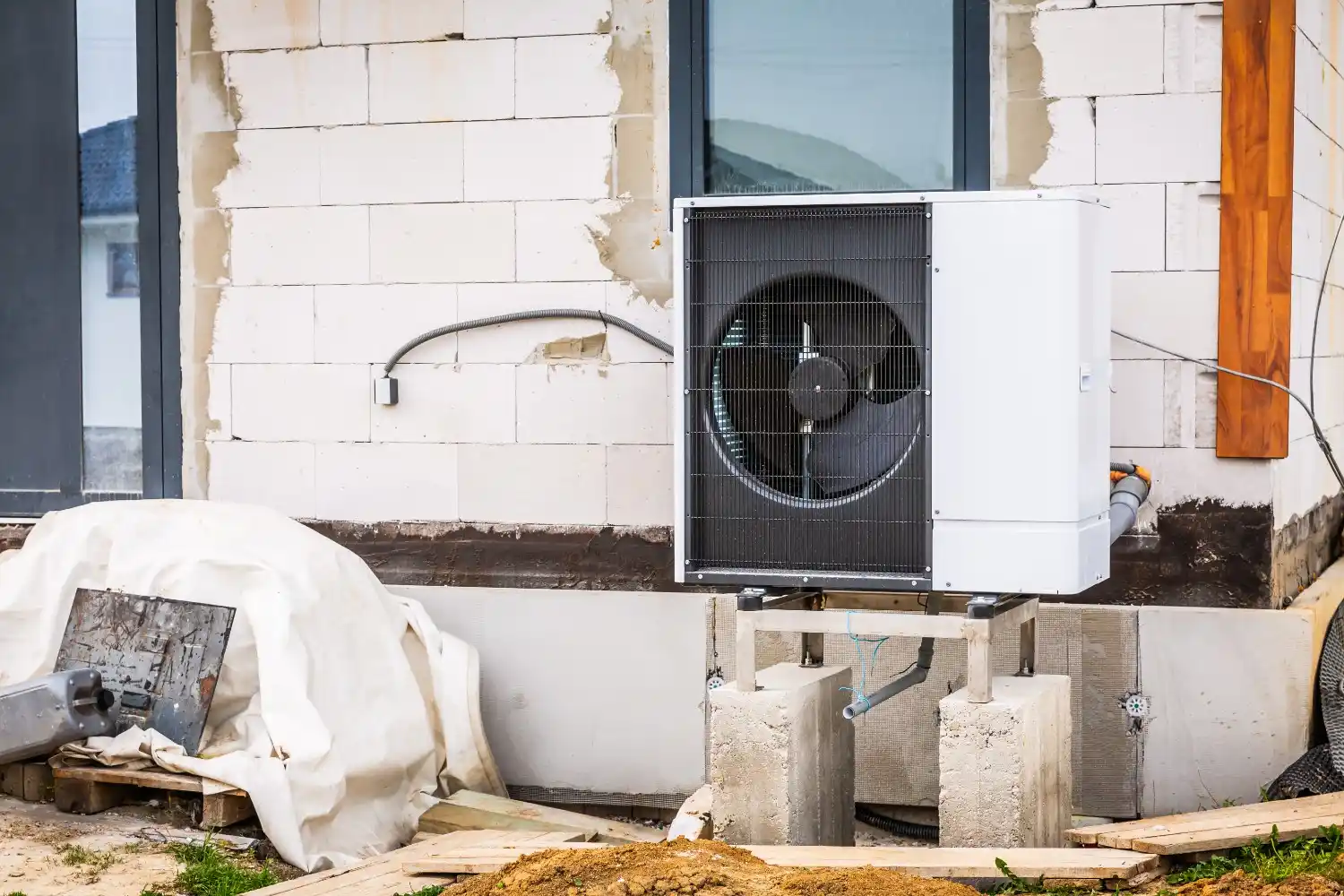
How The Heating Installation Process Works
A seamless installation minimizes disruption to your daily life while ensuring the technical integrity of the system. The process is systematic, adhering to a strict checklist of safety and performance protocols.
- First, a technician performs a Manual J load calculation. This technical assessment measures windows, insulation levels, square footage, and local climate data for Shawnee to determine the exact BTU output required for your home. This step eliminates the guesswork that often leads to efficiency problems — request service for an assessment.
- Next, the installation team prepares the site. This involves laying down drop cloths to protect your flooring and clearing the workspace around the utility closet or basement area. Safety switches are turned off, and gas lines are capped to prevent leaks during the transition.
- Then, the existing equipment is carefully disconnected and removed. Technicians inspect the area for any signs of mold, water damage, or structural issues that might have been hidden behind the old unit. If necessary, the sub-flooring or mounting pad is leveled to prevent vibration noise.
- Following the removal, the new heating unit is positioned and connected. This includes fitting the flue pipe for proper ventilation of combustion gases, connecting the gas line with sediment traps to protect the valve, and wiring the high and low-voltage electrical connections.
- After the physical installation is complete, the startup procedure begins. The system is fired up, and technicians test for carbon monoxide leaks, gas leaks, and proper airflow. They measure the temperature difference between the supply and return air to ensure the heat exchanger is functioning correctly.
- Finally, the team walks you through the new system. You will learn how to operate the thermostat, how to change the filter, and what maintenance schedule is required to keep the warranty valid.
Deciding When Replacement Beats Repair
Homeowners often struggle with the decision to repair an aging unit or invest in a replacement. While a repair might seem cheaper upfront, it is often a temporary fix for a system that is nearing the end of its useful life. In climates like ours, where the heating season is long and demanding, relying on a failing system is a gamble.
There are specific technical and financial indicators that signal it is time to stop repairing and start replacing.
- The 50% Rule: If the cost of the repair approaches 50% of the value of a new system, replacement is the financially sound choice. Dumping money into an old unit rarely pays off.
- Age of the Equipment: Most gas furnaces last between 15 and 20 years, while heat pumps may last 10 to 15 years. If your system is within this age range and requires a major component replacement, such as a blower motor or control board, it is time to upgrade.
- Cracked Heat Exchanger: This is a non-negotiable safety hazard. If the heat exchanger is cracked, it can leak carbon monoxide into your home. This component is expensive to replace, and a crack usually indicates the entire system has suffered from metal fatigue. Replacement is the only safe option.
- Rising Energy Bills: As internal components wear out, motors experience more friction and heat transfer becomes less efficient. If your utility bills have spiked despite normal usage, your system is wasting energy. A modern system with a high AFUE (Annual Fuel Utilization Efficiency) rating can lower these costs significantly.
- Uneven Heating: If some rooms are freezing while others are hot, the system likely lacks the power to circulate air effectively or the blower motor is failing. Replacement allows for the installation of zoning systems or variable-speed units that resolve these comfort issues.
All Day Comfort Heating and Cooling LLC focuses on helping you make this decision based on data and the specific condition of your current equipment.
Local Considerations: Permits, Climate, and Codes
Installing a heating system in Shawnee involves more than just mechanical labor; it requires adherence to specific regional requirements that ensure safety and efficiency. The local climate presents unique challenges that influence how systems should be selected and installed.
Permits and Inspections
In this region, replacing a furnace or heat pump is a regulated activity. Permits are generally required to ensure that the installation meets current building codes. This is particularly important for gas-fired appliances, where improper venting or piping can pose serious risks. Professional installers manage the permitting process, ensuring that the work passes inspection. This documentation is also vital if you ever decide to sell your home, as unpermitted work can complicate real estate transactions.
Handling the Cold and Humidity
The local weather patterns include hot, humid summers and dry, freezing winters.
- Heating Capacity: With winter lows averaging 18°F, the heating capacity (BTUs) must be sufficient to maintain indoor warmth without running continuously at maximum capacity.
- Humidification: Cold winter air is naturally dry, and heating it further reduces relative humidity. This can cause dry skin, static electricity, and damage to wood flooring. Many local installations include whole-home humidifiers integrated directly into the ductwork to maintain healthy humidity levels.
- AFUE Ratings: Because the heating season is substantial, investing in a high-efficiency unit (90% AFUE or higher) yields a faster return on investment here than in warmer climates.
Utility Coordination
Upgrading to a more powerful system or switching fuel sources (e.g., from electric to gas or adding a heat pump) may require coordination with local utility providers to ensure the gas meter or electrical panel can handle the new load. Professional installers assess these infrastructure needs before work begins to avoid surprises.
Why Professional Installation Matters
The longevity and efficiency of your heating system are determined more by the quality of the installation than by the brand of the equipment. Even the most expensive, top-tier furnace will fail prematurely if it is installed incorrectly.
Poor installation practices lead to a host of long-term problems. Improper venting can cause moisture buildup and rust. Incorrect gas pressure settings can damage the heat exchanger. Leaky duct connections can pull dust and allergens from the attic or basement into your living space.
Choosing a professional service ensures:
- Safety First: Strict protocols regarding gas line connections and electrical wiring prevent fire hazards and leaks.
- Warranty Protection: Manufacturers often void warranties if the equipment is not installed by a licensed professional. Proper documentation preserves your coverage.
- Technical Expertise: Access to specialized tools for measuring static pressure and combustion efficiency ensures the system runs at peak performance from day one.
- Respect for Your Home: Technicians use drop cloths, wear shoe covers, and clean up the workspace, leaving your home exactly as they found it—just warmer — see our testimonials.
Schedule Your Service Now
When the temperature drops and your system fails, you need a partner who prioritizes speed, accuracy, and long-term reliability. Don't wait until the pipes freeze or the repair bills stack up. Secure a heating solution that is tailored to your home and built to withstand the local winter. Trust All Day Comfort Heating and Cooling LLC to handle your installation with the precision and urgency you deserve. Secure your heating installation today—schedule your consultation now.
Contact Us
customer reviews
Areas We Serve




Copyright © 2026 All Day Comfort Heating and Cooling.
All rights reserved.
