




Water Heater Replacement in Belton, MO
Need urgent water heater replacement in Belton? Our skilled technicians offer quick installations, eco-friendly options, and financing to guarantee warm showers. Contact us now!
Restore Hot Water Reliability Immediately
Experiencing a lack of hot water, sudden breakdowns, or a leaking tank can be highly disruptive to your home life, particularly given the variable weather in Belton. Our skilled technicians provide prompt water heater replacement services to ensure you are not left dealing with cold showers or potential water damage. Contact us immediately to schedule an assessment or ask about our available financing options.
When your system fails, you need a solution that is fast, permanent, and compliant with safety standards. We focus on getting your hot water running again with minimal downtime.
- Same-day replacement services to restore comfort swiftly and prevent further inconvenience.
- Comprehensive warranties ensure your new unit is protected against future defects.
- Eco-friendly and high-efficiency options available to reduce energy consumption and qualify for potential rebates.
- Licensed and insured, all work complies with local building codes and is fully guaranteed.
Water Heater Replacement Services: What You Need to Know
Replacing a water heater is a significant investment in your home’s infrastructure. It is not merely about swapping one box for another; it involves assessing your household's current water demand, energy usage patterns, and the physical constraints of your mechanical room. In Belton, where inlet water temperatures can drop significantly during winter, choosing a unit with the correct recovery rate and first-hour rating is essential for maintaining consistent comfort.
Modern water heaters have advanced significantly in terms of technology and efficiency standards. Federal regulations now require higher energy factors, which often means new tanks are wider or taller than older models due to increased insulation. This reality requires professional planning to ensure the new unit fits within your designated space while maintaining required clearances for service and safety.
All Day Comfort Heating and Cooling LLC specializes in navigating these technical requirements. We ensure that the transition from your old unit to a new, high-performance system is seamless. Whether your home utilizes natural gas, propane, or electricity, our team identifies the correct sizing and venting requirements to optimize performance.
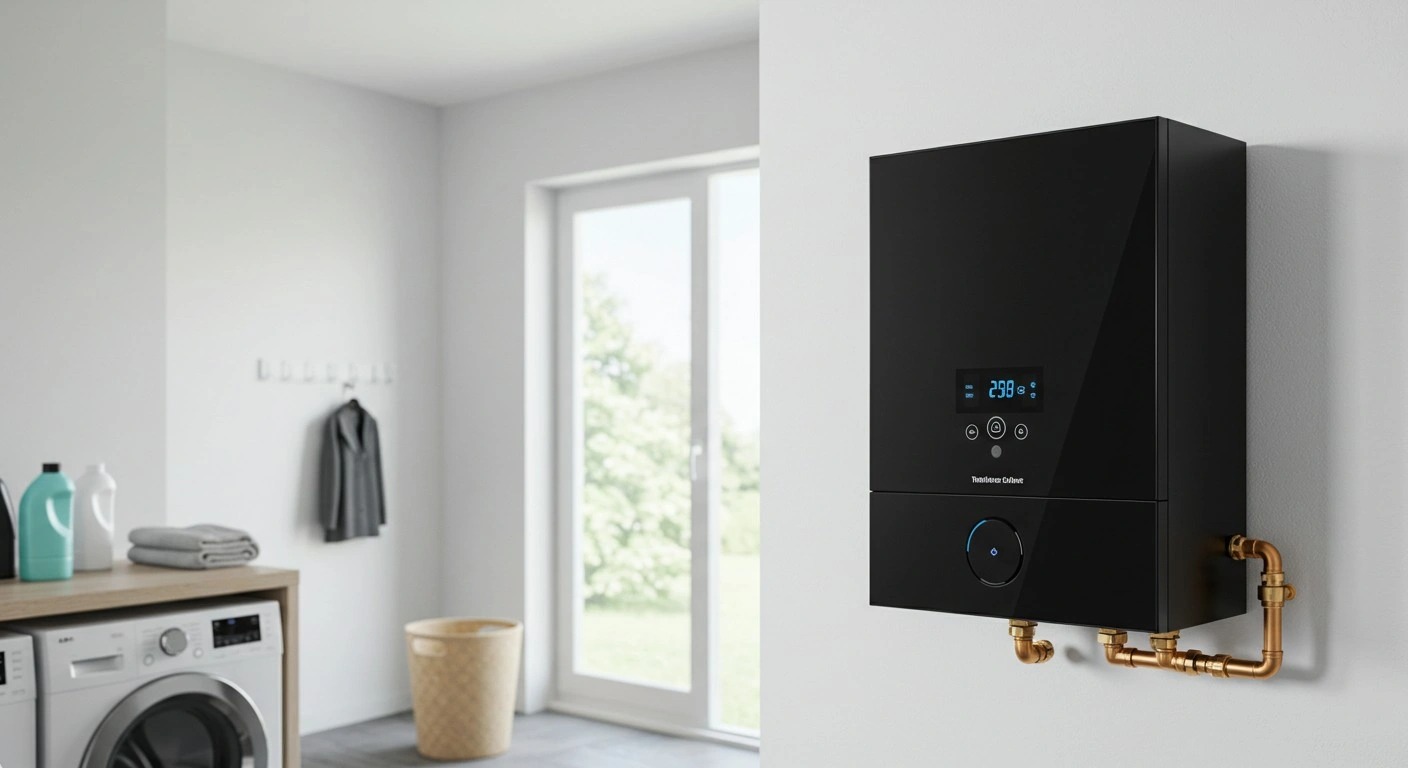
Tank vs. Tankless Systems
Homeowners facing a replacement often have the choice between traditional tank-style water heaters and tankless (on-demand) systems.
- Traditional Tank Water Heaters: These units store a specific volume of hot water—typically 40, 50, or 80 gallons—keeping it heated and ready for use. They are generally more affordable upfront and offer a simpler installation process if replacing a similar unit. However, once the tank is depleted, there is a recovery period before hot water is available again.
- Tankless Water Heaters: These systems heat water directly as it flows through the device without the use of a storage tank. This provides a continuous supply of hot water, which is ideal for large families or homes with high demand. While the upfront cost is higher, they offer significant energy savings over time because they do not waste energy keeping a large tank of water hot when it is not in use. They also have a longer lifespan and require less physical space.
Energy Efficiency and UEF Ratings
Understanding the Uniform Energy Factor (UEF) is critical when selecting a replacement. The UEF rating measures how efficiently a water heater converts energy into heat.
- Higher UEF ratings indicate better efficiency and lower operating costs.
- High-efficiency models often utilize electronic ignition instead of a standing pilot light, eliminating constant gas usage.
- Hybrid electric heat pump water heaters pull heat from the surrounding air to heat the water, offering extreme efficiency for electric-only homes.
Fast and Efficient Replacement Process: What to Expect
A professional replacement follows a strict protocol to ensure safety, property protection, and system longevity. We do not cut corners; every step is calculated to meet manufacturer specifications and local safety codes.
- Site Assessment and Safety Check: The process begins with shutting off the fuel source (gas or electricity) and the cold water supply. We verify the condition of the existing piping and venting to ensure they are safe for the new unit.
- Draining and Removal: The old tank must be completely drained. This can be time-consuming if sediment has built up, blocking the drain valve. We utilize pumps to expedite this process, disconnect the plumbing and flue, and carefully remove the heavy unit from your property to avoid damage to floors or walls.
- Positioning and Connection: The new water heater is positioned in a drain pan (if required) and leveled. Leveling is crucial for proper operation and to prevent uneven stress on the tank. We then connect the water lines, often installing new dielectric unions to prevent galvanic corrosion between dissimilar metals.
- Gas and Venting Integration: For gas units, the gas line is reconnected and tested for leaks using electronic sniffers or bubble solutions. The venting system is inspected for proper draft to ensure carbon monoxide is safely exhausted outside the home.
- Filling and Testing: The tank is filled with water, and a hot water tap is opened to release trapped air. Once full, the power or gas is turned on. We test the temperature and pressure relief (T&P) valve and check the thermostat settings to ensure water is delivered at a safe temperature (typically 120 degrees Fahrenheit) to prevent scalding while inhibiting bacterial growth.
Choosing the Right Water Heater: Help Deciding When Replacement Beats Repair
Deciding between repairing a malfunction or investing in a full replacement is a common dilemma. While some issues are minor, pouring money into an aging or failing unit is often not cost-effective.
Critical Signs for Replacement
There are specific scenarios where replacement is the only logical financial and practical decision.
- Age of the Unit: Traditional tank water heaters have an average lifespan of 8 to 12 years. If your unit is over 10 years old and requires a significant repair, replacement is generally recommended. Tankless units can last 20 years, but age is still a factor in parts availability.
- Leaking Tank: If the tank itself is leaking, it cannot be repaired. The steel lining has corroded, and a patch is not possible. A leaking tank is an emergency that requires immediate replacement to prevent flooding.
- Rusty Water: If you notice rust-colored water coming from the hot side only, it indicates the interior of the tank is rusting. This usually signals that the anode rod is depleted and the tank is deteriorating rapidly.
- Rumbling and Noise: Loud banging or rumbling noises indicate significant sediment buildup at the bottom of the tank. This sediment creates a barrier between the burner and the water, causing the metal to overheat and eventually crack. While flushing can help, advanced buildup often signals the end of the unit's efficient life.
- Insufficient Hot Water: If the unit no longer provides enough hot water for your household's needs, or if recovery times have increased drastically, the burner or heating elements may be failing, or the unit may simply be undersized for your current usage.
Compliance and Rebates: Navigating Local Codes and Savings
Water heater installation is governed by strict building codes to ensure the safety of the occupants. Improper installation can lead to gas leaks, carbon monoxide poisoning, water damage, or electrical fires.
Local Code Considerations
In the Belton area, specific regulations must be followed during a replacement.
- Expansion Tanks: Closed plumbing systems often require a thermal expansion tank. When water is heated, it expands. If the system is closed (due to a check valve or pressure reducing valve), this pressure has nowhere to go, stressing the tank and plumbing joints. An expansion tank absorbs this excess pressure.
- Venting Upgrades: Older atmospheric vents may not meet current code requirements for new, higher-efficiency units. Upgrading to Type B venting or converting to a power-vented setup (using PVC piping through the side of the house) may be necessary.
- Drip Pans and Drainage: If the water heater is located in a finished area or on an upper floor, codes typically require a drip pan under the unit piped to a drain to prevent catastrophic water damage in the event of a leak.
- Seismic Strapping: While less common in this region than the West Coast, stabilizing the unit is always good practice and required in certain setups to prevent tipping.
Financial Incentives
Replacing an old unit with an energy-efficient model can often offset the installation cost through various financial avenues.
- Utility Rebates: Local gas and electric providers frequently offer rebates for installing high-efficiency Energy Star rated water heaters.
- Tax Credits: Federal tax credits are often available for upgrading to heat pump water heaters or high-efficiency gas tankless systems.
- Operational Savings: A modern, high-efficiency unit can lower monthly energy bills significantly, providing a return on investment over the life of the system.
Why Professional Installation Matters for Longevity
The longevity and efficiency of your water heater are directly tied to the quality of the installation. A unit that is excellent on paper will fail prematurely if installed incorrectly.
Professional installers ensure that the gas pressure is calibrated correctly for the unit. Too much pressure can damage the gas valve; too little leads to inefficient combustion and soot buildup. We also verify that the venting has the correct pitch to prevent condensation from running back into the unit, which causes corrosion.
Furthermore, correct piping practices prevent "thermal siphoning," where heat escapes through the pipes even when water isn't being used. We utilize heat traps or specific piping configurations to maximize heat retention.
All Day Comfort Heating and Cooling LLC prioritizes the details that differ between a functioning unit and a high-performing one. We handle the disposal of your old unit responsibly, ensuring it is recycled according to environmental regulations. We leave the workspace clean and provide a thorough walkthrough of how to operate your new system, including how to adjust temperatures and perform basic maintenance like flushing the tank.
Seasonal Considerations for Belton Homeowners
The local climate affects how your water heater performs. During winter, the groundwater entering your home is colder. This means the water heater must work harder to raise that water to the desired temperature (the "temperature rise").
- An undersized unit that worked fine in summer might struggle in January.
- We calculate the necessary BTU input to ensure you have consistent hot water even when the inlet temperature drops.
- We inspect pipe insulation near the unit to prevent freezing and heat loss in unconditioned spaces like garages or basements.
Secure Your Comfort and Safety Today
Ignoring water heater issues leads to inefficiency, higher utility bills, and the looming threat of a cold shower or a flooded utility room. A proactive replacement puts you in control of your home’s comfort and energy usage.
You deserve a reliable system that meets your family's demands without hesitation. Our team delivers precise, code-compliant installations that prioritize safety and long-term performance. We handle the entire process, from permitting to final inspection, providing you with peace of mind and reliable hot water for years to come.
Don't wait for a total system failure. Call All Day Comfort Heating and Cooling LLC now to schedule your water heater replacement service.
Contact Us
customer reviews
Areas We Serve




Copyright © 2026 All Day Comfort Heating and Cooling.
All rights reserved.
