




Water Heater Service in Belton, MO
Dealing with no hot water in Belton? Contact All Day Comfort Heating and Cooling LLC for rapid water heater repair, professional installation, and reliable service. Schedule now!
When Your Hot Water Stops: Fast, Reliable Repair Service
Is your shower running cold, or is your water heater making strange noises? At All Day Comfort Heating and Cooling LLC, we ensure you’re not left in the cold with prompt repair and installation services. Whether you are dealing with a leaking tank or a pilot light that refuses to stay lit, our team provides the immediate solutions Belton homeowners need to restore normalcy. Contact us today to schedule a diagnostic visit or ask about our flexible financing options for system replacements.
- Rapid response teams available 24/7 to address urgent repairs.
- Professional installation ensuring your water heater runs efficiently.
- Complete diagnostics and maintenance to prevent future issues.
Workmanship guaranteed with extended warranties and flexible financing options.
What You Get Today: Comprehensive Water Heater Diagnostics
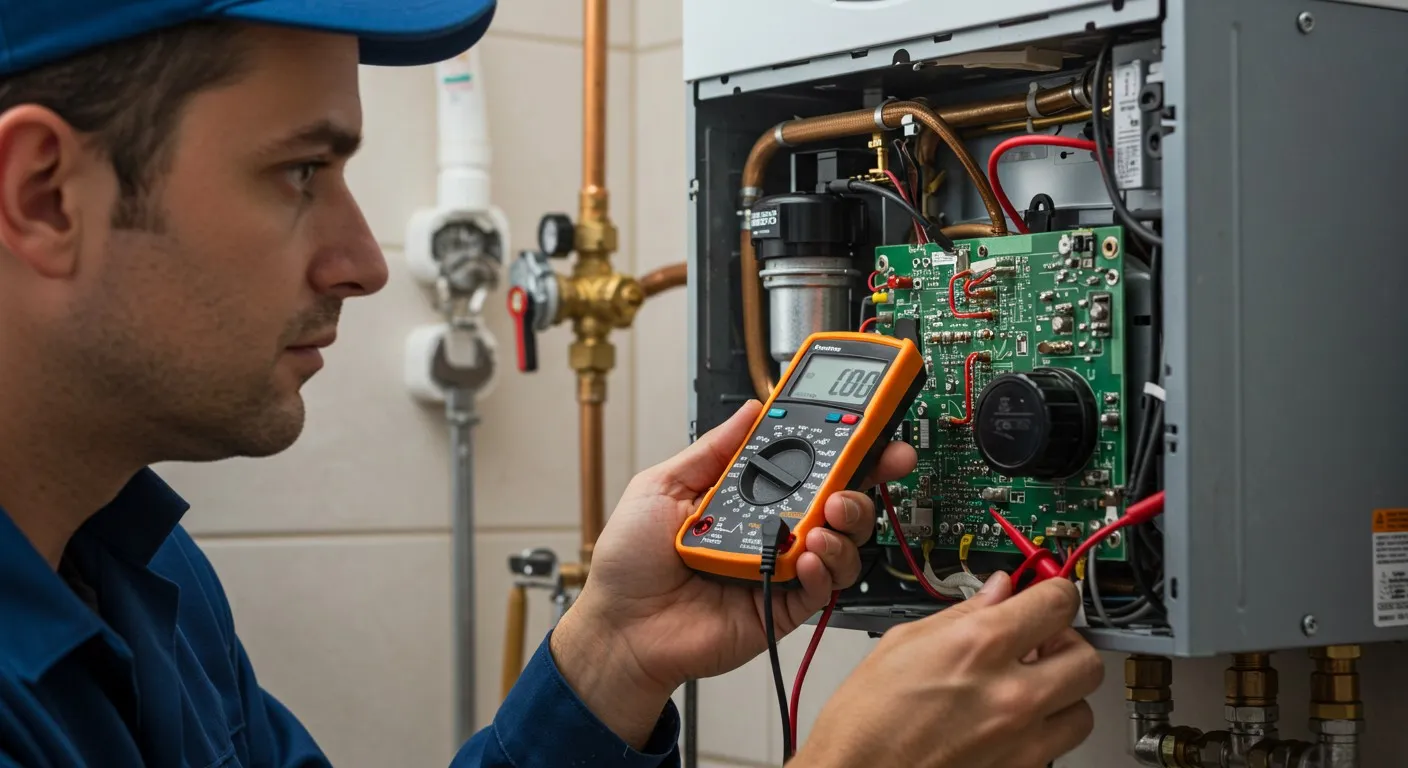
When you experience a loss of hot water, the immediate goal is identifying the root cause accurately to avoid unnecessary expenses. A water heater is a complex system involving gas lines, electrical components, thermostats, and pressure valves. Our service begins with a thorough assessment of your existing unit to determine if a simple part replacement can restore function or if the system has reached the end of its lifecycle.
We arrive fully equipped to handle standard repairs on the spot. Most water heater issues stem from a handful of specific component failures. By focusing on these high-probability areas, we reduce the time you spend without hot water — request service today. We examine the burner assembly for proper ignition, test the heating elements in electric units, and inspect the tank specifically for signs of corrosion or structural compromise.
Your service visit includes a detailed evaluation of the following components:
- Thermostat and Control Valve Analysis: We test the thermostat to ensure it is reading temperatures accurately and signaling the burner or elements correctly. A faulty thermostat is often the culprit when water is lukewarm or dangerously hot.
- Heating Element and Burner Inspection: For electric units, we measure the resistance in the heating elements. For gas units, we inspect the burner assembly and pilot light operation to ensure clean combustion and proper drafting.
- Anode Rod Status: We check the sacrificial anode rod. This component is designed to rust so your tank does not. If it is fully depleted, the tank itself will begin to corrode, leading to leaks.
- Pressure Relief System Check: The Temperature and Pressure (T&P) relief valve is a critical safety feature. We test this valve to ensure it can release excess pressure, preventing dangerous buildup inside the tank.
- Sediment and Scale Assessment: In areas with mineral-heavy water, sediment builds up at the bottom of the tank. We listen for the tell-tale "popping" or "rumbling" sounds that indicate sediment is trapping heat and damaging the tank floor.
How Installation and Replacement Works
When a repair is no longer feasible or safe, moving forward with a replacement requires precise sizing and code-compliant installation. A water heater is not a "plug and play" appliance. Improper installation can lead to gas leaks, carbon monoxide back-drafting, or water damage. Our process ensures that the new unit integrates perfectly with your home’s existing plumbing and gas infrastructure while meeting all local safety regulations.
We manage the entire lifecycle of the replacement, from removing the heavy, water-filled old unit to commissioning the new system. We do not leave the old tank on your curb; disposal is handled as part of the service. We also verify that the new unit is sized correctly for your household's peak demand, ensuring you do not run out of hot water during consecutive showers or laundry cycles.
The installation process follows a strict protocol to ensure safety and longevity:
- Site Preparation and Safety Shutoffs:
- The first step involves shutting off the water supply, gas line, or electrical breaker dedicated to the water heater.
- We then drain the existing tank using a hose connected to a floor drain or pumped outside, taking care to minimize sediment blockage during drainage.
- Once empty, the old unit is disconnected from the flue, water lines, and fuel source and removed from the property.
- Positioning and Connection:
- The new unit is positioned in a drain pan to protect your floors from future potential leaks.
- We level the unit to ensure proper operation and stability.
- New dielectric unions or flex lines are installed to connect the water lines, preventing galvanic corrosion between dissimilar metals.
- Venting and Fuel Integration:
- For gas units, we inspect and reconnect the flue venting. Proper slope and diameter are verified to ensure exhaust gases draft upward and out of the home effectively.
- The gas line is reconnected with a sediment trap (drip leg) to prevent debris from clogging the control valve.
- We apply a soap solution to all gas connections to test for leaks immediately after opening the gas valve.
- Final Commissioning:
- The tank is filled with water while a hot water faucet in the home is left open. This purges air from the lines and prevents "dry firing" the elements.
- Once full, we ignite the pilot or turn on the power.
- We monitor the unit through a full heating cycle to verify the thermostat cuts off at the set temperature and that there are no leaks at any connection point.
When Replacement Beats Repair
Deciding between repairing an old unit and investing in a new one is a common dilemma. While repair is often cheaper upfront, it can be a poor financial decision if the unit is nearing the end of its useful life. Continuing to patch a failing system can lead to catastrophic tank failure, which may cause significant water damage to your home.
There are specific indicators that shift the recommendation from repair to replacement. Understanding the age and condition of your unit helps you make an informed decision rather than throwing money at a dying appliance. If your unit is over ten years old, efficiency losses alone may justify an upgrade. Modern units are significantly better insulated and more efficient at heat transfer, which can lower monthly utility bills.
Consider replacement if your system meets the following criteria:
- The 50% Rule: If the cost of the repair approaches 50% of the cost of a new unit, replacement is generally the wiser financial choice. This is especially true for older units where one failure is often followed by another.
- Tank Leakage: If there is water pooling around the base of the heater and it is confirmed to be coming from the tank body (not a connection or valve), the unit must be replaced immediately. A compromised tank cannot be patched safely.
- Age of the Unit: Most tank-style water heaters have a lifespan of 8 to 12 years. If your unit is in this age range or older, investing in repairs is often a sunk cost.
- Persistent Sediment Noise: If the unit rumbles, bangs, or pops loudly while heating, the sediment layer has likely hardened. This calcification overheats the tank bottom, making a leak imminent and reducing efficiency drastically.
- Rusty Hot Water: If the hot water comes out with a reddish-brown tint but the cold water is clear, the interior lining of the tank is rusting. This indicates the anode rod has failed and the tank integrity is degrading.
At All Day Comfort Heating and Cooling LLC, we provide honest assessments. If a repair can extend the life of your unit significantly, we will perform it. If replacement is the safer, more economical long-term path, we will outline your options clearly.
Local Considerations for Water Heater Performance
Operating a water heater in Belton requires specific attention to local climate patterns and water quality. The region experiences significant temperature fluctuations, with hot summers and cold winters where temperatures frequently drop below freezing. These environmental factors influence how hard your water heater has to work and how it should be maintained to prevent premature failure.
The temperature of the incoming ground water changes with the seasons. In the winter, the water entering your home is much colder, meaning the water heater requires more energy and time to raise it to the desired 120-140 degrees. This increased thermal load can stress older heating elements and burners, leading to failures during the coldest months when you need hot water the most.
Local factors impacting your water heater service include:
- Sediment and Mineral Buildup: The local water supply contains minerals that precipitate out of the water when heated, settling at the bottom of the tank. Regular flushing is critical in this area to maintain capacity and prevent the lower heating element or gas burner from overheating.
- Venting and Chimney Standards: Many older homes in the area use masonry chimneys for venting gas appliances. Modern codes often require chimney liners or specific venting materials to prevent condensation from destroying the masonry or causing carbon monoxide back-drafting.
- Thermal Expansion Requirements: Closed plumbing systems, which are common due to check valves on municipal meters, require a thermal expansion tank. This small tank absorbs the pressure increase as water heats and expands. Without it, the T&P valve may leak frequently, or the tank seam may rupture.
- Freeze Protection: For water heaters located in unconditioned spaces like garages or unfinished basements, insulation becomes vital during winter cold snaps. Exposed pipes leading to the heater must be insulated to prevent bursting.
Evaluating Tankless vs. Traditional Tank Systems
When the time comes for replacement, homeowners often weigh the benefits of switching to a tankless system versus sticking with a traditional tank. Both systems have distinct advantages depending on your household’s usage patterns and the physical infrastructure of your home. A traditional tank stores a large volume of hot water and keeps it hot 24/7, ready for use. A tankless unit heats water on demand, only consuming energy when a hot water tap is opened.
Understanding the operational differences helps determine which system aligns with your lifestyle. Large families who often run multiple showers simultaneously may find a large capacity tank more consistent, whereas smaller households or those prioritizing energy efficiency often prefer tankless models.
Comparison points for decision making:
- Space Requirements:
- Traditional tanks are bulky and require a significant footprint, typically in a basement or utility closet.
- Tankless units are compact, wall-mounted boxes that free up valuable floor space.
- Energy Efficiency:
- Traditional tanks suffer from standby heat loss, as they must keep water hot even when you are sleeping or at work.
- Tankless units eliminate standby loss completely, potentially lowering gas or electric bills.
- Hot Water Supply:
- Tanks provide a finite amount of hot water. Once the tank is depleted, you must wait for the recovery cycle to finish before hot water is available again.
- Tankless units provide an endless supply of hot water, provided the demand (gallons per minute) does not exceed the unit’s heating capacity.
- Upfront Investment vs. Long-Term Gain:
- Traditional tanks have a lower upfront installation cost but a shorter lifespan (8-12 years).
- Tankless units require a higher initial investment, often involving gas line upgrades, but can last 20+ years with proper maintenance.
Why Professional Service Matters
Water heaters are often taken for granted until they fail, but they are powerful appliances that require respect and expertise. Attempting DIY repairs on gas control valves or high-voltage electrical connections poses severe safety risks. Furthermore, improper installation is a leading cause of premature failure and voided manufacturer warranties.
We prioritize safety and transparency in every service call. Our technicians are trained to identify not just the obvious failure, but the underlying cause—whether it is high water pressure, poor ventilation, or electrical irregularities. We do not offer band-aid fixes that leave you vulnerable to another breakdown a few weeks later.
Our commitment to quality service includes:
- Code Compliance: We ensure every repair and installation meets current safety codes, protecting your home and family.
- Transparent Estimates: You receive a clear explanation of the work required and the associated costs before we begin any repair or installation.
- Quality Parts: We use OEM (Original Equipment Manufacturer) parts and high-grade professional water heaters that are not available at big-box retail stores.
- Cleanup and Disposal: We respect your property, wearing shoe covers and using drop cloths. We remove all debris and the old unit, leaving your home as clean as we found it.
Whether you need a quick repair to get the morning showers back on track or a full system replacement to improve your home’s energy efficiency, we provide the expertise required to get the job done right. Don't let a cold shower ruin your day. Trust All Day Comfort Heating and Cooling LLC for reliable, professional water heater services that stand the test of time.
Ready to Restore Your Hot Water?
If you are dealing with inconsistent temperatures, leaks, or a complete lack of hot water, do not wait for the problem to escalate. Secure your comfort and safety with professional service today.
Contact us now to schedule your repair or consultation.
Contact Us
customer reviews
Areas We Serve




Copyright © 2026 All Day Comfort Heating and Cooling.
All rights reserved.
