



Heating Repair in Belton, MO
Struggling with a broken heater in Belton, MO? Contact our certified technicians for rapid, reliable furnace repair and restore warmth to your home safely and swiftly.
Restoring Warmth When Your Furnace Fails
Facing freezing nights with a non-functional heater causes immediate stress and safety concerns for your household. You need quick, reliable repair to restore your comfort before the indoor temperature drops to dangerous levels in Belton, MO. Contact us immediately for emergency service or view our financing options to get your system running today.
- Rapid response with 24/7 emergency service availability to prevent frozen pipes and discomfort.
- Professionally certified technicians ensure quality and reliability on every diagnostic visit.
- Guaranteed repairs backed by a solid warranty for peace of mind regarding long-term performance.
All services are fully licensed with extended warranties and flexible financing options available.
Immediate Help for Your Heating Woes
When a heating system fails in the middle of a Missouri winter, the priority is restoring heat quickly and safely. Homeowners often notice warning signs before a total breakdown, such as strange noises, odd smells, or a system that runs constantly without reaching the set temperature. Addressing these issues immediately prevents minor component failures from cascading into catastrophic system damage.
The primary goal of professional heating repair is to diagnose the root cause of the malfunction rather than just treating the symptom. A furnace that blows cold air might have a pilot light issue, a failing ignitor, or a breached limit switch. A heat pump that refuses to switch modes might be suffering from a stuck reversing valve or a refrigerant leak. Identifying the specific mechanical or electrical failure ensures that the repair lasts through the season.
Residents in Belton encounter specific challenges due to the regional climate. The shift from humid summers to freezing winters puts significant strain on HVAC equipment. Systems must work harder to combat heat loss, increasing the wear and tear on motors, belts, and bearings. Professional intervention ensures your unit is calibrated to handle these heavy loads.
Today's Heating Repair Services: What to Expect
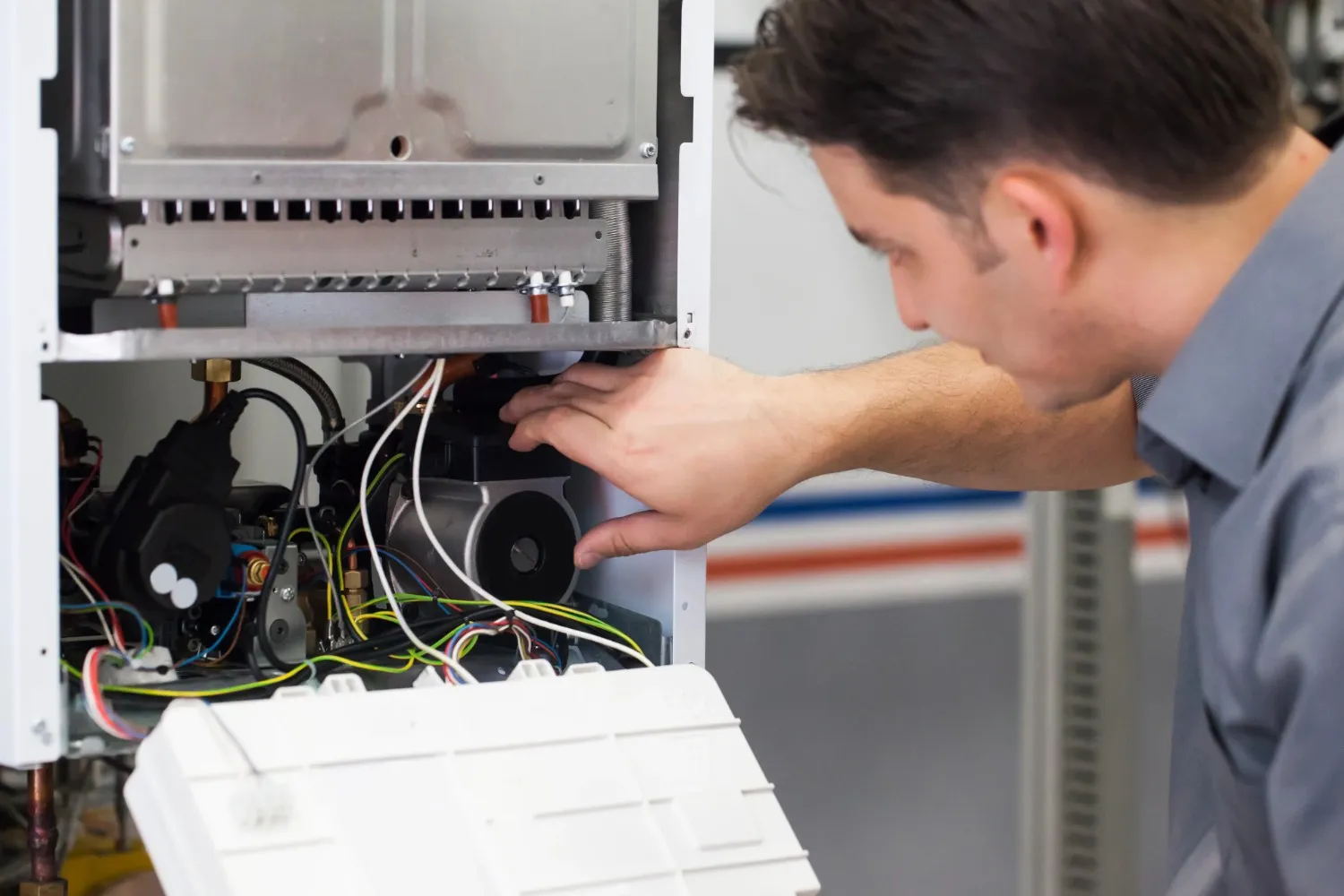
When you schedule a service call, you are looking for a definitive solution, not a temporary patch. The scope of modern heating repair covers a comprehensive assessment of the entire heating envelope. This includes the heat source (furnace, boiler, or heat pump), the distribution network (ductwork or radiators), and the control systems (thermostats and sensors).
Technicians arrive equipped to handle a wide array of common failures on the spot. Most service trucks are stocked with universal parts such as capacitors, ignitors, flame sensors, and pressure switches. This inventory management aims to resolve the majority of heating issues in a single visit, reducing the downtime your family experiences.
Here is what is typically included in a standard repair service:
- Comprehensive Safety Inspection: The technician checks for carbon monoxide leaks, gas line integrity, and proper venting to ensure the system is safe to operate.
- Electrical Component Testing: All Day Comfort Heating and Cooling LLC technicians measure voltage and amperage on motors and compressors to detect electrical faults or impending failures.
- Airflow Analysis: Restricted airflow due to dirty filters or blocked ducts is a leading cause of overheating and system failure; this is measured and corrected.
- Ignition System Troubleshooting: For gas furnaces, the ignition sequence is tested to ensure burners light smoothly and safely every time.
- Thermostat Calibration: The interface between the user and the machine is checked to verify that the temperature reading matches the actual room temperature.
The timeline for a repair varies based on the severity of the issue. Simple electrical fixes or sensor cleanings often take less than an hour. More complex repairs, such as replacing a blower motor or a heat exchanger, may require more time. You will receive a clear timeline and upfront explanation of the work required before any tools are applied to your system.
Your Guide to Heating System Repair Steps
Understanding the process of a professional repair helps alleviate the anxiety associated with a broken heater. The workflow is designed to be systematic and transparent, ensuring no steps are missed and that the final result is a fully functional system.
- Initial Scheduling and Arrival: The process begins when you request service. Dispatchers prioritize calls based on urgency, particularly during extreme cold snaps. You receive a notification when the technician is en route. Upon arrival, the technician respects your property by wearing shoe covers and using drop cloths where necessary.
- Diagnostic Phase: The technician listens to your description of the problem—strange noises, smells, or cycling issues. They then perform a series of tests using specialized tools like combustion analyzers and multimeters. This data isolates the faulty component. For example, if a furnace is "short cycling" (turning on and off rapidly), the technician investigates the flame sensor, the thermostat location, or the heat anticipator.
- Proposal and Approval: Once the problem is identified, you are presented with the findings. The technician explains what failed, why it failed, and the options for fixing it. This discussion includes a transparent quote for parts and labor. No work proceeds until you understand the scope and approve the repair.
- Execution of Repair: The technician performs the approved work. This involves removing the defective part, cleaning the surrounding assembly, and installing the new component. If the issue involves a gas valve or refrigerant line, specific safety protocols are followed to ensure a sealed, leak-free system.
- System Testing and Verification: After the repair is physically complete, the system is not just turned on; it is put through a full operational cycle. The technician measures temperature rise (the difference between air entering and leaving the furnace) to ensure it falls within manufacturer specifications. They also verify that all safety switches are engaging correctly.
- Final Walkthrough: The service concludes with a review of the work performed. The technician shows you the old part, explains the warranty coverage on the new repair, and provides maintenance tips to prevent recurrence.
Deciding Between Repair or Full Replacement
One of the most difficult decisions homeowners face is determining when a heating system has reached the end of its viable life. While repairs are often the most cost-effective immediate solution, there is a tipping point where continuing to patch an old unit becomes financially imprudent.
Making this decision requires analyzing several critical factors regarding your current equipment.
- The Age of the System: Furnaces typically last 15 to 20 years, while heat pumps have a lifespan of 10 to 15 years. If your unit is approaching or has exceeded this range, a major failure often signals the beginning of a series of breakdowns. Repairing a 20-year-old furnace is rarely recommended because parts may be obsolete, and efficiency has likely degraded significantly.
- Frequency of Breakdowns: If you have required multiple repairs in the last two seasons, the system is becoming unreliable. The cumulative cost of these service calls often approaches the down payment on a new, high-efficiency unit. Chronic reliability issues also pose a risk of failure during the coldest days of the year when you need heat the most.
- The "50% Rule": A general industry standard suggests that if the cost of the repair equals 50% or more of the value of a replacement system, you should opt for replacement. This is especially true if the system is out of warranty. Investing substantial money into an old asset yields diminishing returns.
- Safety Concerns: Certain failures necessitate immediate replacement for safety reasons. A cracked heat exchanger in a gas furnace is a critical danger, as it can allow carbon monoxide to mix with the air circulating in your home. In almost all cases, a cracked heat exchanger warrants a full system replacement rather than a repair due to the cost and complexity of the labor involved.
- Energy Efficiency Considerations: Older systems often have AFUE (Annual Fuel Utilization Efficiency) ratings of 60% to 70%, meaning 30% to 40% of the fuel you pay for is wasted. Modern systems achieve ratings of 90% to 98%. If your energy bills are skyrocketing despite moderate usage, upgrading to a new system can offset the installation cost through monthly savings over time.
Local Heating Regulations and Seasonal Advice
Operating a heating system in Belton involves navigating specific environmental and regulatory conditions. The local climate is characterized by cold winters with lows consistently in the mid-20s°F and occasional dips below zero. This hard freeze potential means that heating systems are life-safety devices, not just convenience appliances.
Utility and Code Considerations
Any significant repair involving gas lines or electrical circuits must adhere to local building codes and manufacturer specifications. Working with gas piping requires precision to prevent leaks, and adherence to codes ensures that your home insurance remains valid. If a repair involves venting, technicians must ensure that flue gases are properly exhausted to the outdoors, complying with local safety regulations regarding distance from windows and air intakes.
Seasonal Preparation
Given the region's humidity in spring and summer, moisture control is a year-round concern. In the winter, however, the air inside the home can become excessively dry as the heater runs constantly. Technicians often advise on whole-home humidifiers during repair visits to protect wood flooring and improve respiratory comfort.
Additionally, the transition periods in Spring and Fall, which bring heavy rain and severe weather, can impact roof vents and outdoor heat pump units. Debris from storms can block airflow or damage fan blades. Checking the outdoor unit after a storm is a prudent step for any homeowner.
Permit Requirements
For standard repairs, permits are generally not required. However, if a repair turns into a system replacement or involves altering the gas supply line significantly, professional providers handle the necessary permitting processes with the City of Belton or relevant local authorities. This ensures that all work passes inspection and meets current safety standards.
Why Choose Us: Client Testimonials and Credentials
Selecting a service provider for heating repair is a decision based on trust and technical competence. You need a partner who understands the urgency of a cold house and possesses the technical skills to resolve the issue correctly the first time.
- Technical Expertise: Technicians undergo rigorous training to stay updated on modern HVAC technology, including communicating systems, variable-speed motors, and smart thermostat integration. This depth of knowledge allows for accurate diagnostics that save time and money.
- Fully Stocked Mobile Warehouses: Service vehicles are maintained as mobile warehouses, carrying a vast inventory of parts. This commitment to logistics means that the majority of repairs are completed immediately, without waiting for parts to be ordered or shipped.
- Transparent Pricing: There are no hidden fees or surprise charges. Diagnostic fees and repair costs are communicated clearly before work begins. You remain in control of the budget throughout the process.
- Respect for Your Home: Technicians treat your home with care, using protective gear to keep work areas clean. The goal is to leave the space in better condition than it was found, with the only evidence of the visit being a warm, comfortable home.
- Local Commitment: As a locally focused provider, the reputation of All Day Comfort Heating and Cooling LLC depends on the satisfaction of neighbors in the community. This drives a commitment to integrity and high-quality workmanship on every call.
Restore Your Heat Fast: Schedule Today
If your heating system is making strange noises, failing to keep up with the thermostat, or has stopped working entirely, do not wait for the temperature to drop further. Professional, reliable help is available to restore safety and warmth to your home; contact us today.
Contact Us
customer reviews
Areas We Serve




Copyright © 2026 All Day Comfort Heating and Cooling.
All rights reserved.
