




AC Installation in Liberty, MO
Beat the Missouri heat with our expert AC installation services in Liberty. Enjoy energy-efficient cooling, professional service, and peace of mind. Call us today!
Is Your Home Losing the Battle Against Summer Heat?
Dealing with Missouri's scorching summer heat can be exhausting, especially when your current AC just can't keep up or fails entirely. Don't sweat it—our expert AC installation services ensure you stay cool and comfortable all season long, so contact us today for a consultation. Residents in Liberty, MO know that humidity levels here require a system that does more than just blow cold air; it requires a precisely calibrated cooling solution.
When you choose a professional installation, you are investing in the long-term comfort and safety of your home. We focus on getting the technical details right the first time, ensuring your new system operates at peak efficiency from the moment we turn it on.
- Receive a professional, customized AC installation that matches your home's unique airflow and cooling needs.
- Benefit from modern, energy-efficient units that significantly reduce your monthly energy bills compared to older models.
- Enjoy peace of mind with comprehensive manufacturer warranties and responsive support for any post-installation questions.
All installations are fully compliant with local codes, backed by robust warranties, and available with flexible financing options to fit your budget.
What to Expect From A Modern Cooling System Installation
Replacing an air conditioner is a significant investment, but modern technology offers immediate returns in terms of comfort and cost savings. When you schedule an installation today, you are not simply swapping one metal box for another. You are upgrading the respiratory system of your home.
The scope of a proper installation goes beyond the outdoor condenser. It involves a holistic assessment of how air moves through your property. New systems are designed to meet higher SEER2 (Seasonal Energy Efficiency Ratio) standards, which were updated recently to ensure lower energy consumption for the same amount of cooling output.
Here is what is included in a comprehensive installation service:
- Load Calculation: We perform a Manual J load calculation to determine the exact cooling requirements of your home. This prevents the common issue of installing a unit that is too large (causing short cycling and humidity issues) or too small (running constantly without cooling the space).
- System Matching: We ensure the outdoor condenser matches perfectly with your indoor evaporator coil and furnace or air handler. Mismatched systems significantly reduce efficiency and lifespan.
- Ductwork Assessment: Before installation, we inspect accessible ductwork to ensure it can handle the airflow of the new high-efficiency system. Leaky ducts can lose up to 30% of your cooling energy.
- Thermostat Integration: We install or calibrate smart thermostats that communicate effectively with your new unit, allowing for precise temperature control and scheduling.
- Debris Removal: The service includes the safe removal and environmentally responsible disposal of your old unit and any refrigerant it contains.
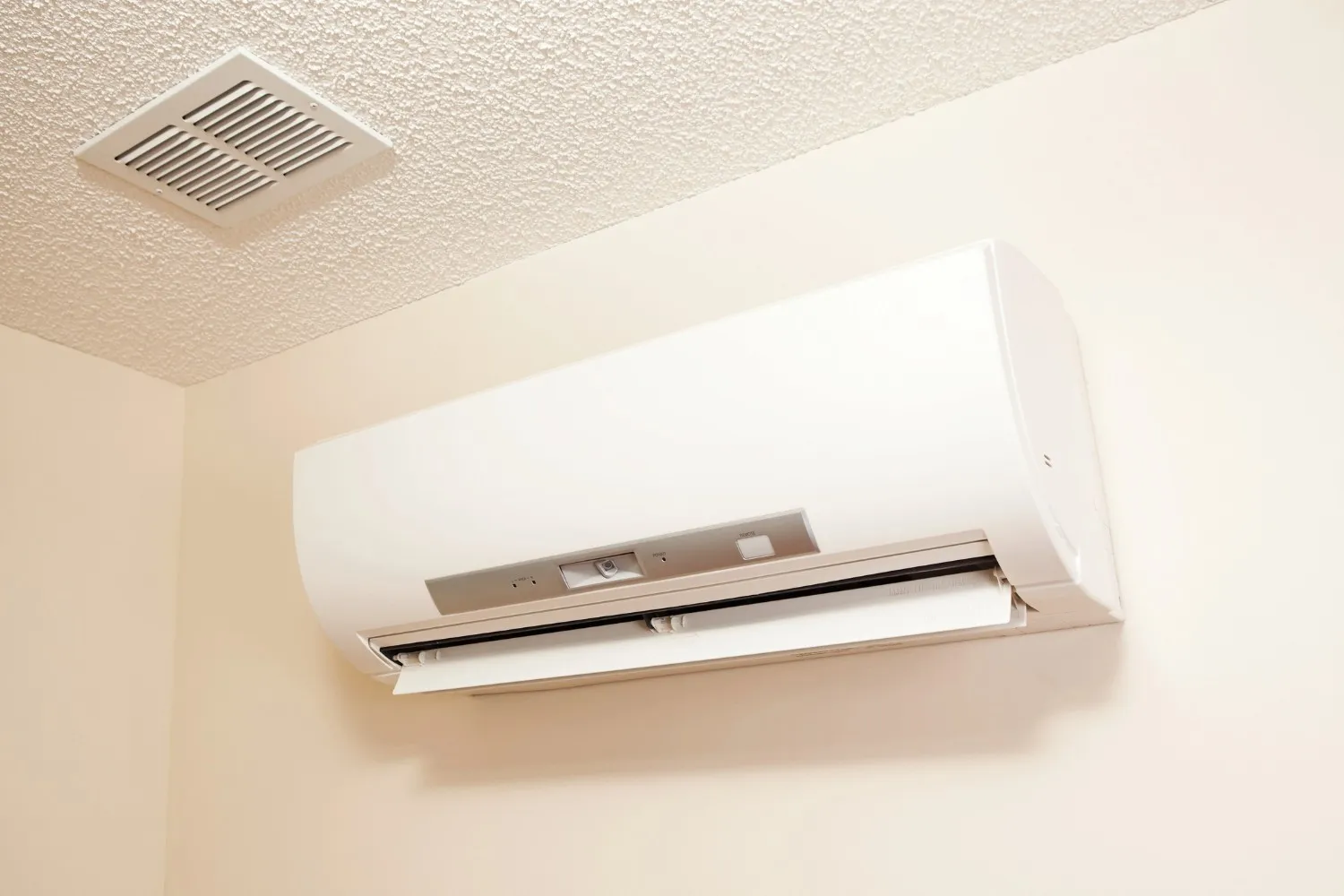
The Installation Process: Step-by-Step
Understanding the workflow helps homeowners prepare for the installation day. A professional replacement usually takes one full day, though complex jobs involving ductwork modification may take longer. We prioritize protecting your property and maintaining a clean workspace throughout the project.
We follow a rigorous protocol to ensure every component is installed to manufacturer specifications:
- Site Preparation: Technicians lay down drop cloths and protective gear to safeguard your floors and surroundings. The power supply to the HVAC system is shut off at the breaker panel to ensure safety.
- Refrigerant Recovery: If the old unit still contains refrigerant, it is pumped out into recovery cylinders according to EPA regulations. Venting refrigerant into the atmosphere is illegal and harmful.
- Equipment Removal: The old outdoor condenser and the indoor evaporator coil are disconnected and removed. This often involves cutting the old refrigerant lines and disconnecting high-voltage electrical wiring.
- Indoor Coil Installation: The new evaporator coil is installed on top of your furnace or inside your air handler. This is a critical step, as the coil must be level and sealed tightly to the ductwork to prevent air leaks.
- Outdoor Condenser Setup: The new condenser is positioned on a composite pad to dampen vibration and keep it level. We ensure proper clearance around the unit for airflow and serviceability.
- Line Set Connection: The copper refrigerant lines (line set) connecting the indoor and outdoor units are installed. If existing lines are reused, they are flushed and cleaned to remove contaminants.
- Brazing and Sealing: Technicians braze the copper connections using nitrogen to prevent oxidation inside the pipes. This step requires high skill to ensure leak-proof seals.
- Pressure Testing: The system is pressurized with nitrogen to test for leaks. The pressure must hold steady for a specific duration to verify the integrity of the welds.
- Vacuum and Charging: A vacuum pump removes air and moisture from the lines. Once a deep vacuum is achieved, the system is charged with the precise amount of refrigerant required by the manufacturer.
- Final Startup and Commissioning: The system is powered on. Technicians measure static pressure, temperature differential (the drop in temperature between return and supply air), and voltage amp draws to certify the system is running perfectly. All Day Comfort Heating and Cooling LLC ensures every metric meets technical standards before finishing the job.
Making the Decision: Repair vs. Replace
Deciding between repairing an aging unit and investing in a new AC installation is a common dilemma. While repairs may seem cheaper upfront, they can be a "band-aid" solution that costs more over time. There are specific technical indicators that suggest replacement is the more financially sound option.
Consider these factors when evaluating your current system:
- The 50% Rule: If the cost of the repair equals 50% or more of the cost of a new system, replacement is generally the better investment.
- Age of the Unit: Most air conditioners last between 10 and 15 years. If your unit is over 10 years old and requires a major repair (like a compressor or motor), putting money into it usually yields diminishing returns.
- Refrigerant Type: If your older unit uses R-22 (Freon), which has been phased out, refrigerant leaks are incredibly expensive to fix. New systems use R-410A or newer refrigerants that are more environmentally friendly and available.
- Frequency of Breakdowns: If you have required service calls more than once a season for the past two years, the system is likely unreliable and nearing catastrophic failure.
- Energy Bills: A sudden spike in summer utility bills often indicates the compressor or coils are degrading and working harder to produce the same amount of cooling.
- Comfort Issues: Uneven cooling, hot spots in certain rooms, or an inability to maintain the set temperature on hot afternoons are signs the unit has lost compression or is undersized.
Local Considerations for Liberty Homeowners
Installing an air conditioner in this region requires specific attention to local climate patterns and regulations. The Midwest climate oscillates between freezing winters and humid, hot summers, meaning your HVAC system works hard year-round.
- Humidity Control: The high humidity levels in Liberty during July and August mean your AC must be excellent at dehumidification. We often recommend two-stage or variable-speed compressors. These units run for longer periods at lower speeds, which pulls more moisture out of the air compared to a single-stage unit that blasts cold air and shuts off quickly.
- Permitting and Codes: Installation work typically requires a mechanical permit to ensure compliance with safety standards. This includes verifying proper electrical disconnects, wire sizing, and breaker compatibility. Professional installers handle the application and inspection process to ensure your home remains code-compliant.
- Clearance Requirements: Local zoning or HOA rules may dictate where an outdoor unit can be placed relative to property lines or windows. We ensure the unit location meets these requirements while also optimizing airflow and minimizing noise near bedroom windows.
- Electrical Infrastructure: Older homes in the area may have outdated electrical panels. Modern high-efficiency AC units often have different amperage requirements. We verify your panel has the capacity to support the new equipment without tripping breakers.
Technical Differentiators: Inverter Technology and SEER2
When selecting a new unit, you will encounter terms like Single-Stage, Two-Stage, and Variable Speed (Inverter). Understanding these technologies helps you choose the right level of comfort.
- Single-Stage: The traditional AC technology. The compressor is either 100% on or 100% off. It is the most affordable upfront but can lead to temperature swings and higher energy usage.
- Two-Stage: This compressor has a "high" and "low" setting. It runs on low (about 60-70% capacity) on mild days, saving energy and running quieter. It only kicks into high gear during extreme heat waves.
- Variable Speed (Inverter): This is the gold standard for efficiency. The compressor adjusts its speed in tiny increments, much like a car's cruise control. It maintains the temperature within a fraction of a degree, runs almost silently, and offers the best dehumidification.
The Department of Energy recently transitioned to SEER2 ratings, a stricter testing standard that better reflects real-world conditions. A 14.3 SEER2 unit today is roughly equivalent to a 15 SEER unit under the old system. Higher SEER2 ratings mean greater efficiency and lower operating costs over the lifespan of the equipment.
Ensuring Long-Term Performance
The longevity of your new air conditioner depends heavily on the quality of the installation. A high-end unit installed poorly will fail sooner and run less efficiently than a mid-range unit installed perfectly. Critical factors like nitrogen brazing (to prevent internal soot buildup), proper vacuum decay testing (to remove moisture that causes acid), and precise refrigerant charging are what separate a professional job from a quick fix.
We also focus on airflow. Even the best AC cannot cool your home if the filter is restrictive or the return air drop is undersized. We assess the static pressure of your duct system to ensure the blower motor is not overworking, which prevents premature motor failure.
By addressing these technical nuances during installation, we prevent the common "callbacks" that plague improper installs—such as water leaks from clogged drains, frozen coils from low airflow, or electrical shorts from loose connections.
Secure Your Comfort With Expert Installation
Summer heat does not wait for a convenient time to strike. Upgrading your air conditioning system is a proactive step toward a cooler, more energy-efficient home. Rather than worrying about whether your old unit will survive another heatwave, you can enjoy consistent temperature control and reduced humidity.
Our team is ready to help you select the right size and model for your specific needs, ensuring a seamless transition from your old equipment to a modern, high-performance system. All Day Comfort Heating and Cooling LLC is dedicated to providing installation services that stand the test of time and temperature. Ready to upgrade your home cooling system? Contact us today to schedule your AC installation estimate.
Contact Us
customer reviews
Areas We Serve




Copyright © 2026 All Day Comfort Heating and Cooling.
All rights reserved.
