




Water Heater Repair in Liberty, MO
Facing cold showers or leaks? Schedule a professional water heater repair in Liberty. Rapid service, clear pricing, and licensed repairs. Contact us today!
Is Your Water Heater Leaking or Failing to Heat?
Waking up to an icy shower or discovering a puddle spreading across your utility room floor creates immediate stress for homeowners in Liberty. You need a solution that restores your hot water supply quickly, prevents structural water damage, and ensures your home remains sanitary and comfortable. Contact us now to schedule an emergency diagnostic and repair.
When you request service, you can expect:
- Rapid response times to mitigate water damage and restore comfort.
- Comprehensive diagnostics that identify the root cause, not just the symptom.
- Clear, upfront explanations of necessary repairs without hidden fees.
Reassurance: All Day Comfort Heating and Cooling LLC provides fully licensed repairs backed by a satisfaction guarantee.
What to Expect From Your Water Heater Repair Service
When a water heater fails, the immediate priority is stabilization and restoration. Residents in Liberty encounter specific challenges regarding water quality and seasonal temperature shifts that can accelerate wear on standard units. A professional service call is designed to address these issues systematically, moving from safety checks to functional restoration.
The scope of a repair visit goes beyond simply swapping out a part. It involves a holistic inspection of the unit’s health. Technicians evaluate the integrity of the tank, the condition of the connections, and the efficiency of the heating mechanism. Whether you are dealing with a gas unit that refuses to light or an electric model that produces lukewarm water, the objective remains the same: safe, efficient, and lasting operation.
A standard repair appointment includes:
- Safety Inspection: Verification that gas lines (for gas models) are sealed and venting is drafted correctly to prevent carbon monoxide buildup. For electric models, technicians check for safe voltage levels and grounded connections.
- System Diagnostic: Testing of thermostats, heating elements, thermocouples, and sensors to isolate the failure.
- Sediment Evaluation: Checking the tank for mineral buildup that causes popping noises and reduced efficiency, a common issue in Missouri due to hard water profiles.
- Pressure Testing: Ensuring the Temperature and Pressure (T&P) relief valve is functioning to prevent dangerous pressure buildup inside the tank.
The Water Heater Repair Process
Understanding the workflow of a repair helps you prepare for the service visit. Professional technicians follow a strict protocol to ensure the repair is done correctly and safely. This structured approach minimizes downtime and ensures that the fix addresses the core issue rather than applying a bandage to a larger problem.
The Diagnostic Phase
The process begins with a thorough assessment. Upon arrival, the technician will ask about the symptoms—how long the water has been cold, if there are strange noises, or if the water is discolored. Following this discussion, they perform a physical inspection.
- First, the technician isolates the power or gas supply to ensure a safe working environment.
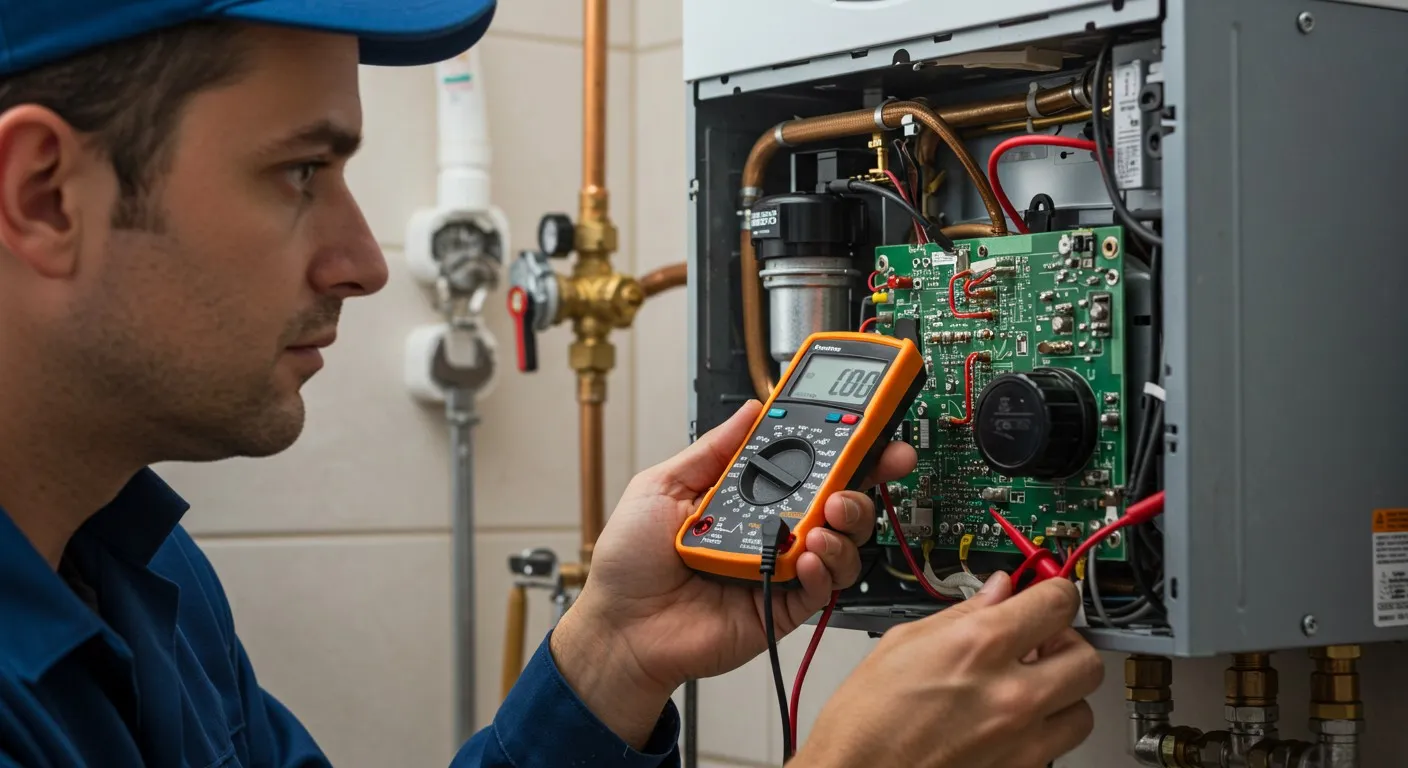
- Next, they use multimeters to test electrical continuity in elements and thermostats or manometers to check gas pressure.
- Then, they inspect the tank exterior and plumbing connections for signs of corrosion or active leaks.
The Repair Phase
Once the issue is identified, the technician explains the required repair and provides a quote. Upon approval, the physical work begins.
- The technician drains the tank if necessary to replace immersion elements or remove sediment.
- Defective components such as thermocouples, gas control valves, or heating elements are removed and replaced with OEM-quality parts.
- If a leak is found at a connection point, pipes are soldered or tightened; if the tank itself is compromised, a discussion about replacement options is initiated.
Testing and Restoration
The job is not complete until the system is proven to work.
- The tank is refilled, and air is bled from the lines to prevent "dry firing" which can ruin new heating elements.
- Power or gas is restored, and the pilot is lit or the breaker is flipped.
- The technician cycles the unit to ensure it reaches the target temperature and shuts off automatically, verifying the thermostat's calibration.
Common Components That Require Repair
Water heaters are complex appliances with multiple fail points. Understanding which part has failed can help you gauge the severity of the repair.
Heating Elements (Electric)
In electric water heaters, the upper and lower heating elements are responsible for heating the water. If you have lukewarm water, usually one element has failed. If you have no hot water, both may have failed, or the thermostat is broken. Mineral buildup often coats these elements, causing them to overheat and burn out.
Thermocouples and Pilot Lights (Gas)
For gas units, the thermocouple is a safety device that senses if the pilot light is on. If the pilot light goes out and won't stay lit, the thermocouple is often the culprit. It shuts off the gas supply to prevent a leak. Replacing this small sensor restores the unit’s ability to maintain a flame.
Dip Tubes
The dip tube directs incoming cold water to the bottom of the tank to be heated. If this plastic tube disintegrates (often due to age or chemical reaction), cold water mixes with the hot water at the top of the tank. The result is water that starts hot but turns cold very quickly during a shower.
Anode Rods
The "sacrificial" anode rod is a core component designed to rust so your tank doesn't. It attracts corrosive elements in the water. Once the rod is fully corroded, the tank walls begin to rust. Replacing a depleted anode rod is a repair that significantly extends the lifespan of your unit.
T&P Relief Valves
The Temperature and Pressure relief valve is a critical safety feature. If the tank pressure gets too high, this valve opens to release water and prevent an explosion. If this valve is leaking, it must be replaced immediately to maintain safety standards.
Signs You Need Immediate Repair
Waiting too long to address water heater issues can lead to catastrophic tank failure and significant water damage. Certain symptoms indicate that a breakdown is imminent and requires professional attention right away.
Inconsistent Water Temperature
If your shower fluctuates between scalding and freezing, or if the hot water runs out much faster than usual, the heating mechanism is struggling. This often points to sediment covering the heating element or a failing thermostat.
Discolored or Smelling Water
Rusty or brown water indicates corrosion inside the tank or on the anode rod. If the water smells like rotten eggs, bacteria may be growing in the sediment at the bottom of the tank. Both issues require flushing and potential part replacement.
Strange Noises
Rumbling, popping, or banging sounds coming from the tank are not normal. This is usually caused by sediment hardening at the bottom of the tank. As the water trapped under the sediment heats up, it boils and bursts through the layer, creating the noise. This causes the metal tank to overheat and eventually crack.
Moisture Around the Base
Any visible water around the base of the heater is a red flag. While it could be a simple loose valve or connection, it often signals a micro-fracture in the tank. Catching this early prevents a full-blown flood.
Repair vs. Replacement: Making the Financial Decision
Homeowners often struggle with the choice between fixing an existing unit or investing in a new one. There are clear metrics to help guide this decision based on age, cost, and efficiency.
The 50% Rule
A general guideline in the industry is the 50% rule. If the cost of the repair is more than 50% of the cost of a brand-new water heater, replacement is the smarter financial move — view our financing options.
Age of the Unit
Most tank-style water heaters have a lifespan of 10 to 12 years. If your unit is over 10 years old and requires a significant repair, investing that money into a new unit is usually better. A new unit resets the clock on the warranty and offers better energy efficiency.
Efficiency Considerations
Older units often have significant sediment buildup that makes them work harder to heat water, driving up utility bills. Newer models offer better insulation and heating technology. If your energy bills have been creeping up, a replacement might pay for itself over time through utility savings.
Frequency of Breakdowns
If you have required repairs more than once in the last year, the unit is likely reaching the end of its service life. Continually replacing parts on a dying system is not cost-effective.
Local Factors Affecting Water Heaters in Liberty
Operating a water heater in Liberty, MO, presents specific regional challenges that affect how often repairs are needed and what types of failures occur.
Water Hardness and Sediment
The local water supply contains minerals that precipitate out of the water when heated. This creates scale buildup on the bottom of gas tanks and on the elements of electric units. Residents in this area typically need to flush their tanks more frequently—at least once a year—to prevent this buildup from insulating the water from the heat source and causing premature failure.
Seasonal Temperature Swings
Missouri winters can be harsh. The inlet water temperature drops significantly in the winter, meaning your water heater has to work much harder to bring that water up to 120 degrees than it does in the summer. This increased workload often exposes weak components, leading to failures during cold snaps. Additionally, if the unit is located in an unconditioned space like a garage, it is susceptible to freezing if not properly insulated.
Storm Activity and Power Surges
Late spring and early summer in Liberty bring frequent thunderstorms. Lightning strikes and power grid fluctuations can send surges through the electrical system. For electric water heaters, this can fry thermostats and heating elements. Even gas heaters with electronic ignition systems are vulnerable to circuit board damage during these storms.
Permits and Codes
Repairs involving gas lines or significant plumbing alterations often require adherence to local building codes. Liberty has specific regulations regarding venting, expansion tanks, and gas line sediment traps. Professional technicians ensure that all repairs meet these safety standards, which is crucial for insurance validity and future home sales.
Why Professional Diagnosis Matters
Attempting DIY repairs on water heaters poses significant risks. Gas leaks, carbon monoxide poisoning, and electrical shock are real dangers when untrained individuals attempt to service these appliances.
Safety Assurance
Professionals have the tools to detect gas leaks that are imperceptible to the human nose. They understand how to safely discharge capacitors and verify that electrical circuits are truly dead before working.
Warranty Preservation
Most manufacturer warranties require that service be performed by a licensed professional. DIY repairs can void the warranty, leaving you responsible for the full cost of the unit if a major failure occurs later.
Correct Parts Sourcing
Universal parts often fit poorly or function inefficiently. All Day Comfort Heating and Cooling LLC utilizes OEM or high-grade equivalent parts that are specifically rated for your model, ensuring the repair lasts.
Preventative Maintenance to Avoid Future Repairs
Once your water heater is repaired, a few maintenance steps can prevent recurrence and extend the unit's life.
- Annual Flushing: Draining a few gallons of water from the bottom of the tank every year removes loose sediment before it can harden. This maintains heating efficiency and protects the tank bottom.
- T&P Valve Checks: Lifting the test lever on the relief valve annually ensures it hasn't seized up. It should release a burst of hot water and snap back shut. If it doesn't, it needs replacement.
- Anode Rod Inspection: Checking the anode rod every 3-4 years is the single most effective way to prevent tank rust. If the rod is more than 50% depleted, replace it to keep the tank protected.
- Insulation: Adding an insulation blanket to older units (where allowed by the manufacturer) can reduce standby heat loss, especially in cold basements or garages during Liberty winters.
Getting Your Hot Water Back
Disruption to your hot water supply impacts every aspect of daily life, from cooking and cleaning to basic hygiene. When failures occur, you need a service provider who understands the local infrastructure, carries the right parts, and prioritizes safety.
Whether you are dealing with a leaking valve, a pilot light that won't stay lit, or a complete lack of hot water, prompt action minimizes damage and inconvenience. Trusting a licensed team ensures that the repair complies with all local codes and restores your system to peak efficiency. All Day Comfort Heating and Cooling LLC is ready to diagnose the issue and implement a lasting solution for your home. Don't let a broken water heater disrupt your life any longer—schedule your repair service today.
Contact Us
customer reviews
Areas We Serve




Copyright © 2026 All Day Comfort Heating and Cooling.
All rights reserved.
