




HVAC Installation in Liberty, MO
Explore top-tier HVAC installation services with All Day Comfort Heating and Cooling in Liberty, MO. Ensure your home's comfort with our professional, reliable solutions. Sign up now!
Is Your Current Heating and Cooling System Failing to Keep Up?
Is your heater or AC failing just when you need it most? You are not alone—residents in Liberty, MO frequently face HVAC challenges, especially during the peak weather months when humidity spikes or temperatures drop near freezing. An unreliable system does more than just make your home uncomfortable; it increases energy bills and poses safety risks to your household.
Call tel: or apply for financing today to restore your home's comfort immediately.
When you choose a professional installation service, you eliminate the guesswork and constant repairs associated with aging units. Homeowners need a solution that addresses the specific climate demands of Clay County, ensuring consistent temperature control regardless of the season.
- Fast, prompt HVAC installation ensures you are never left in the cold or extreme heat.
- Professional and experienced technicians are committed to quality service and precise system sizing.
- Flexible financing options are available to make high-efficiency comfort affordable.
All services are fully licensed and insured with extended warranties for peace of mind. All Day Comfort Heating and Cooling LLC specializes in removing the stress of system failure by providing seamless, code-compliant installations that stand the test of time.
What You Can Expect From a Modern Installation Service
Investing in a new HVAC system is a significant decision that impacts your home’s value and your daily quality of life. The installation process involves far more than simply swapping out a box. It requires a comprehensive approach to ensure the new equipment integrates perfectly with your existing ductwork, electrical systems, and home infrastructure.
When you schedule an installation, the focus is on immediate relief and long-term performance. You receive a full assessment of your home’s thermal characteristics. This ensures that the equipment selected is not just new, but the correct fit for the square footage and layout of your property. Improper sizing is the leading cause of early system failure, and professional installers prioritize load calculations to avoid this pitfall.
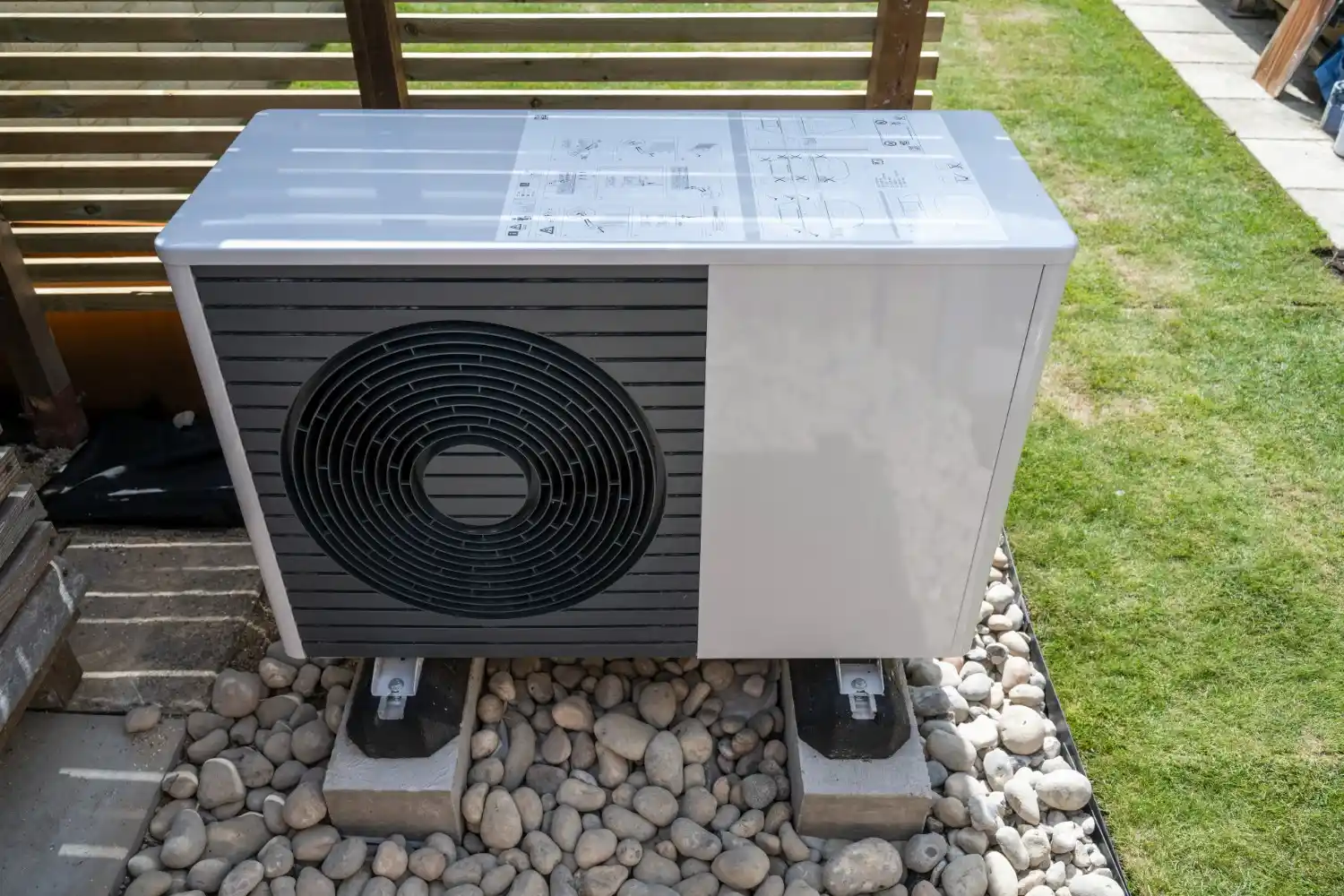
The scope of work generally covers the safe removal and disposal of the old unit, adhering to all environmental regulations regarding refrigerant handling. Site preparation follows, which may include leveling the ground for outdoor condensers or modifying indoor plenums to accommodate modern, larger evaporator coils. Every connection, from gas lines to high-voltage electrical wiring, is inspected and upgraded if necessary to meet current safety standards.
Modern installations also include the integration of advanced thermostat controls. Whether you opt for a standard programmable model or a smart Wi-Fi-enabled thermostat, the goal is to give you total control over your indoor climate. Technicians ensure these controls are calibrated correctly to communicate effectively with the new furnace, heat pump, or air conditioner, maximizing energy efficiency from day one.
How the Installation Process Works
A structured installation process is critical to the longevity of your heating and cooling equipment. Experienced technicians follow a rigorous workflow designed to minimize disruption to your home while ensuring every technical specification is met.
- First, the technical team conducts a pre-installation walkthrough. This step involves verifying measurements, checking access points, and laying down protective floor coverings to keep your home clean. This is also when the team confirms the location of the unit and identifies any potential obstructions in the utility room or outdoor yard space.
- Next, the existing equipment is disconnected and removed. Technicians turn off gas and electricity supplies to the unit to ensure safety. The old system is carefully disassembled, and hazardous materials, such as old refrigerant or metal scraps, are loaded onto the truck for proper recycling or disposal.
- Following removal, the installation area is prepped. This often involves cleaning the evaporator coil housing, sealing gaps in the existing ductwork to prevent air leaks, and ensuring the mounting pad for outdoor units is level and stable. If the new unit requires different electrical breakers or gas pipe diameters, those upgrades are performed at this stage.
- The new equipment is then positioned and connected. The indoor and outdoor components are linked via refrigerant lines, which are brazed and vacuum-tested to ensure there are no leaks. Electrical wiring is connected, and the condensate drain line is installed to route moisture away from the equipment and your foundation.
- Once the physical installation is complete, the system undergoes a rigorous commissioning process. Technicians charge the system with the precise amount of refrigerant required by the manufacturer. They fire up the furnace or air handler to check flame sensors, gas pressure, and airflow static pressure.
- Finally, the team performs a post-installation inspection with the homeowner. This includes a demonstration of how to operate the new thermostat, how to change the air filter, and a review of the warranty documentation. The workspace is cleaned, and all debris is removed, leaving your home ready for comfort.
Deciding Between Repair and Full Replacement
Determining whether to repair an aging unit or invest in a new system is a common dilemma for homeowners. While repairs can offer a short-term fix, there are specific indicators that suggest replacement is the more financially sound option.
- The Age of the System: Most air conditioners and heat pumps have a lifespan of 10 to 15 years, while furnaces may last 15 to 20 years. If your equipment is approaching or has exceeded this range, parts will become obsolete, and major components like compressors or heat exchangers are more likely to fail. Replacing a unit in this age bracket preemptively avoids emergency outages during extreme weather.
- The 50% Investment Rule: A general guideline used by industry professionals is the 50% rule. If the cost of a necessary repair approaches 50% of the value of a new system, replacement is the better choice. Spending thousands on a compressor for a 12-year-old unit is often a sunk cost, as other parts are likely to fail shortly after.
- Frequency of Breakdowns: If you find yourself calling for service multiple times a year, the cumulative cost of service fees and minor repairs will quickly outpace the monthly payment of a financed new system. Chronic breakdowns also indicate that the system is fatigued and unreliable.
- Rising Energy Bills: As HVAC systems age, they lose efficiency. Buildup on coils, worn-out motor bearings, and aging compressors force the unit to work harder to maintain the same temperature. If your utility bills in Liberty are climbing despite normal usage, it is a sign that the Seasonal Energy Efficiency Ratio (SEER) or Annual Fuel Utilization Efficiency (AFUE) of your current unit is no longer competitive with modern standards.
- Comfort Consistency: Old systems often struggle to push air to the second floor or the far corners of a house. If you notice significant hot or cold spots, or if the unit runs constantly without reaching the set temperature, the system may be undersized or losing compression. A new installation corrects these airflow issues.
Navigating Local Requirements and Climate Challenges
Installing HVAC equipment requires adherence to specific local building codes and an understanding of regional weather patterns. Liberty, MO, experiences a climate that puts significant stress on heating and cooling systems year-round. From the humid subtropical summers to winters that see snow and freezing rain, the equipment installed must be robust enough to handle wide temperature swings.
- Local Permits and Inspections: Professional installation includes the management of all necessary permits required by the city or county. Code compliance is not optional; it ensures that gas lines are pressure-tested to prevent leaks and that electrical circuits are grounded properly to prevent fire hazards. An unpermitted installation can cause issues when selling a home or filing insurance claims.
- Sizing for Humidity Control: In this region, high humidity is a major factor during the summer. An air conditioner that is too large for the home will cool the air too quickly without running long enough to remove moisture. This leads to a cold, clammy indoor environment and potential mold growth. Technicians use Manual J load calculations to size the unit precisely, balancing cooling capacity with humidity removal.
- Winterization and Heating Loads: Winter temperatures often dip into the 20s and 30s. Heat pumps used in this area often require a dual-fuel setup or electric heat strips to provide auxiliary heating during deep freezes. Ensuring the system is rated for the specific heating load of the home prevents the furnace from running continuously, which saves on wear and tear.
- Electrical and Gas Infrastructure: Older homes in the area may need upgrades to the electrical panel or gas piping to support high-efficiency modern equipment. Variable-speed blowers and two-stage compressors are sensitive to voltage fluctuations. Assessing the home’s infrastructure is a standard part of the process for All Day Comfort Heating and Cooling LLC to ensure the new system operates without interruption.
Efficiency Ratings and Long-Term Value
Modern HVAC systems are vastly more efficient than those manufactured even a decade ago. Understanding efficiency ratings helps homeowners make informed decisions about which tier of equipment to install.
- SEER2 Ratings: The Seasonal Energy Efficiency Ratio (SEER2) measures cooling efficiency. The higher the number, the less electricity the unit uses to cool the home. While federal minimums set the baseline, moving to a higher SEER2 unit can result in significant savings on monthly electric bills, often offsetting the higher upfront cost over the life of the system.
- AFUE Ratings: For furnaces, the Annual Fuel Utilization Efficiency (AFUE) measures how much fuel is converted into heat versus how much is lost up the flue. Older furnaces may operate at 70% or 80% efficiency. Modern condensing furnaces can reach up to 98% efficiency, meaning nearly every dollar spent on gas goes directly into heating the living space.
- Variable Speed Technology: Basic systems operate at full blast or not at all. Higher-tier systems utilize variable-speed motors that adjust airflow based on demand. This results in quieter operation, better air filtration, and more consistent temperatures throughout the home.
Securing Your Home Comfort Investment
Choosing the right installation partner ensures that your new system performs according to the manufacturer's specifications. A quality installation protects the manufacturer’s warranty, which typically covers parts for 10 years. Improper installation is the most common reason for warranty claims to be denied, making the choice of contractor as important as the choice of brand.
Professional installers provide labor warranties that cover the workmanship of the project. This protection ensures that if a weld fails, a wire comes loose, or a drain line leaks due to installation error, it is corrected at no cost to the homeowner. It shifts the risk away from the homeowner and places the accountability on the service provider.
Furthermore, a new installation is an opportunity to improve indoor air quality. During the changeout, technicians can install media cabinets for high-efficiency filters, UV lights to kill bacteria, or whole-home humidifiers to combat dry winter air. These add-ons are most cost-effective when integrated during the initial installation rather than retrofitted later.
Don't let an unpredictable system compromise your safety or comfort any longer. Upgrade to a high-efficiency solution that lowers energy costs and provides consistent temperature control year-round. Contact All Day Comfort Heating and Cooling LLC today to schedule your system assessment and secure a comfortable environment for your home.
Contact Us
customer reviews
Areas We Serve




Copyright © 2026 All Day Comfort Heating and Cooling.
All rights reserved.
