




Heating Installation in Liberty, MO
Experience top-notch heating service in Liberty, MO. Our certified technicians offer rapid diagnosis, efficient installations, and comprehensive maintenance to keep your home warm. Schedule today for reliable heating solutions!
Is Your Heating System Failing to Keep Up with the Cold?
Are you facing persistent heating problems or worrying about a sudden breakdown as the freezing winter temperatures approach Liberty, MO? When your furnace falters, you need immediate, professional intervention to restore safety and warmth to your home; contact us today to schedule your assessment or discuss financing options. Let our certified technicians provide quick, reliable solutions tailored to your specific heating needs.
- Rapid response times to diagnose issues and restore your comfort before the house freezes.
- High-efficiency heating systems installed by certified professionals to significantly reduce your monthly utility bills.
- Comprehensive service plans that cover maintenance and repairs to extend the lifespan of your HVAC equipment.
Enjoy peace of mind with extended warranties and flexible financing options available on all new installations.
Solving Your Heating Challenges Today
A failing heater acts as a significant disruption to your daily life, especially when local temperatures drop near freezing. The primary goal of a professional heating service is to eliminate the uncertainty of an unreliable system. Whether the unit is making strange noises, cycling on and off too frequently, or simply blowing cold air, these are symptoms of underlying mechanical issues that require expert attention. Ignoring these signs often leads to higher energy consumption and the risk of complete system failure during the coldest night of the year.
All Day Comfort Heating and Cooling LLC focuses on resolving these challenges through technical expertise and precise load calculations. By addressing the root cause of the inefficiency rather than just treating the symptom, homeowners can expect a system that performs consistently regardless of the weather outside. The transition from a problematic unit to a reliable heating source begins with a thorough evaluation of the current infrastructure.
Quick Diagnosis and Immediate Response
Time is a critical factor when a heating system goes down — request service immediately. A cold house poses risks to plumbing infrastructure, such as frozen pipes, and creates an uncomfortable environment for families. Professional technicians utilize advanced diagnostic tools to pinpoint electrical failures, cracked heat exchangers, or airflow restrictions within minutes of arriving on site.
- System Analysis: Technicians test the ignition system, flame sensors, and blower motors to identify the exact failure point.
- Safety Checks: Immediate testing for carbon monoxide leaks and gas line integrity ensures the home remains safe during the assessment.
- Transparent Reporting: Homeowners receive a clear explanation of the issue, detailing exactly what is broken and the steps required to fix it.
- Part Availability: Service trucks are stocked with common components to facilitate immediate repairs whenever possible, reducing downtime.
Installation and Repair Services
While some issues are resolved with a simple part replacement, others require a more comprehensive approach. Professional service covers the entire spectrum of HVAC needs, from minor adjustments to full-scale system replacements. The focus remains on restoring heat efficiently while adhering to local safety codes.
- Component Replacement: Replacing worn-out ignitors, capacitors, or control boards to extend the life of an existing unit.
- Ductwork Modification: Adjusting or sealing ductwork to ensure heated air reaches every room in the house evenly.
- Full System Replacement: Removing obsolete equipment and installing modern, high-efficiency furnaces or heat pumps designed for the specific square footage of the property.
- Thermostat Integration: Installing and calibrating smart thermostats to give homeowners better control over their heating schedules and energy usage.
What You Get with Our Expert Services
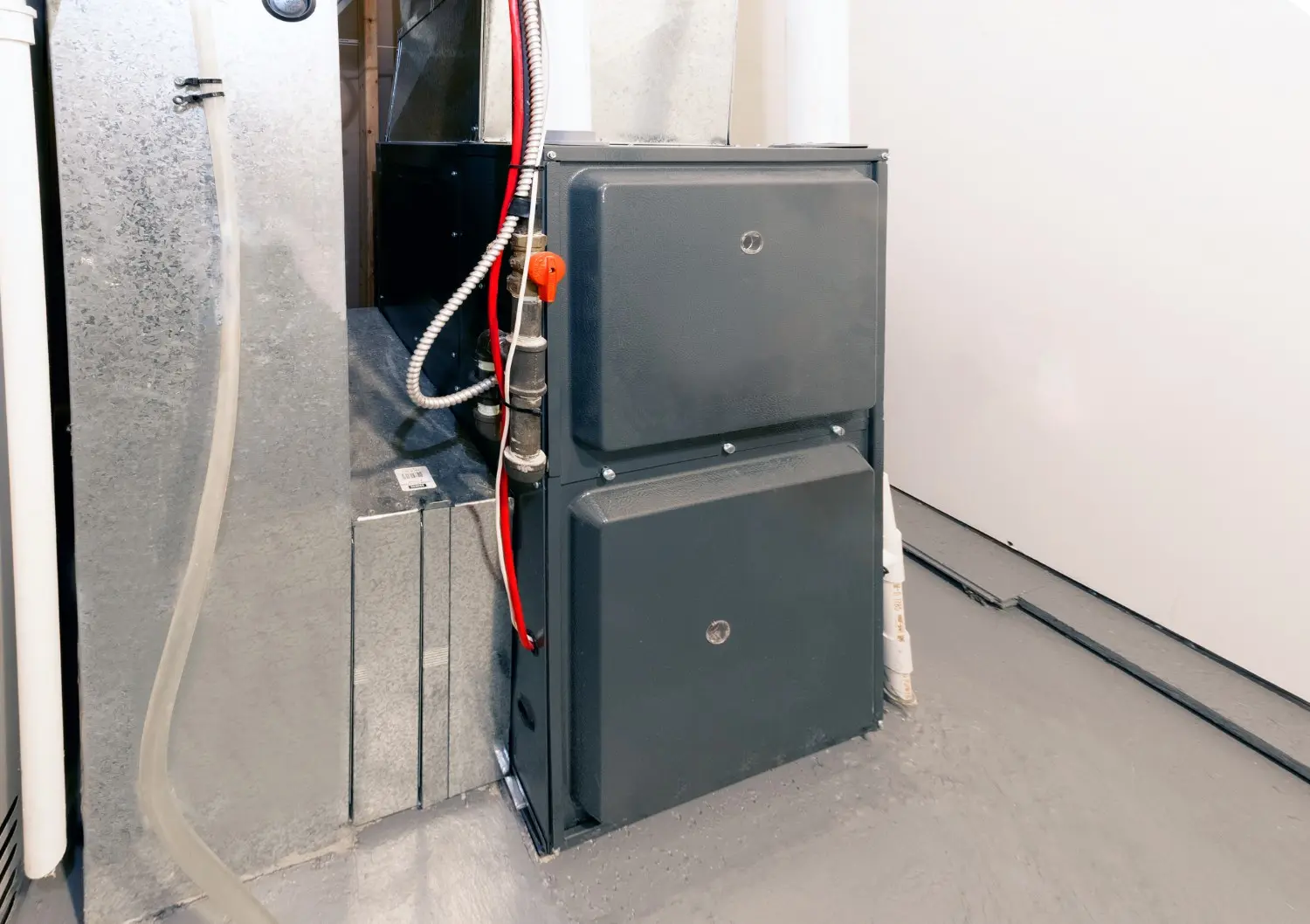
Investing in professional heating installation goes beyond simply placing a box in the basement or attic. It involves a holistic approach to home comfort that prioritizes long-term performance and operational costs. A correctly installed system changes how a home feels, eliminating cold spots and reducing the noise associated with operation. Homeowners receive a system that is engineered to handle the specific thermal load of their property, ensuring that the unit does not overwork itself or short-cycle, both of which lead to premature failure.
Energy Efficiency and Longevity
Modern heating systems are designed with efficiency ratings that far surpass units manufactured just a decade ago. The Annual Fuel Utilization Efficiency (AFUE) rating measures how much fuel is converted into heat versus how much is lost. Higher AFUE ratings translate directly to lower monthly energy bills. However, achieving these ratings requires precise installation practices.
- Sealed Combustion: High-efficiency units often utilize sealed combustion, drawing air from outside rather than the home, which improves safety and efficiency.
- Variable Speed Blowers: These motors adjust airflow based on the heating demand, using less electricity and providing more consistent temperatures than single-speed motors.
- Proper Sizing: Installing a unit that is too big causes short cycling, while a unit that is too small runs constantly; expert calculation ensures the perfect fit for maximum longevity.
- Zoning Capabilities: Advanced systems allow for zoning, enabling you to heat specific areas of the home only when necessary, further reducing waste.
Customized Solutions for Every Home
Every building has a unique thermal profile determined by its insulation, window quality, orientation, and square footage. A "one size fits all" approach to heating installation results in inefficiency and discomfort. Professional installers perform a Manual J load calculation to determine the exact heating requirements of the structure.
- Insulation Assessment: Technicians evaluate current insulation levels in attics and walls to recommend the best heating capacity.
- Ductwork Evaluation: Existing ducts are checked for leaks, sizing issues, and cleanliness to ensure the new system can deliver air effectively.
- Fuel Source Consultation: Advice is provided on the benefits of gas furnaces versus electric heat pumps or dual-fuel systems based on local utility rates.
- Indoor Air Quality Add-ons: Options for integrating humidifiers, dehumidifiers, or air purifiers directly into the heating system are discussed to improve overall home health.
Our Process for Heating Installation
A structured installation process ensures that nothing is overlooked and that the new system operates at peak performance from day one. This process minimizes disruption to the household and guarantees that all manufacturer specifications are met to keep warranties valid.
- Site Evaluation and Sizing: The process begins with a visit to measure the home and assess the existing HVAC infrastructure. This includes checking gas lines, electrical connections, and venting pathways.
- System Selection: Based on the evaluation, a range of options is presented, detailing the upfront costs, expected energy savings, and warranty coverage for each model.
- Safe Removal and Disposal: The old unit is disconnected safely. Refrigerant is recovered if necessary, and the old equipment is removed from the property for proper recycling or disposal.
- Site Preparation: The installation area is prepped. This may involve leveling the ground for a heat pump, modifying the plenum for a furnace, or upgrading electrical breakers to handle new loads.
- Installation and Connection: The new unit is positioned and connected. Gas lines are pressure-tested for leaks, electrical wiring is secured, and flue pipes are installed to vent exhaust gases safely.
- Commissioning and Testing: Once connected, the system is turned on and put through a rigorous testing cycle. Technicians measure static pressure, temperature rise, and gas pressure to ensure they match factory specifications.
- Walkthrough: The homeowner is shown how to operate the new thermostat, how to change the filter, and what maintenance tasks are required to keep the system running smoothly.
Deciding Between Repair or Replacement
One of the most difficult decisions for a homeowner is knowing when to stop repairing an old unit and invest in a new one. While repairs offer a lower immediate cost, they can become a financial drain if the system is nearing the end of its useful life. Making the right choice depends on a few clear factors regarding the age, condition, and performance of the current heater.
- The Age of the System: Furnaces typically last between 15 and 20 years, while heat pumps have a lifespan of 10 to 15 years. If the equipment is within this age range or older, replacement is often the more prudent financial decision.
- Frequency of Breakdowns: If the system has required multiple repairs in the last two years, or if the repairs are becoming increasingly expensive, the unit is likely unreliable.
- The 50% Rule: A general industry standard suggests that if the cost of a repair approaches 50% of the cost of a new system, replacement is the better option.
- Rising Energy Bills: As components wear out, the system works harder to produce the same amount of heat. A steady increase in energy costs without a change in usage indicates lost efficiency.
- Uneven Heating: If some rooms are hot while others are freezing, the system may have lost its ability to distribute air effectively, often due to a failing blower or heat exchanger.
- Safety Concerns: Any sign of a cracked heat exchanger—which can leak carbon monoxide—requires immediate replacement of the furnace. This is a non-negotiable safety issue.
Local Considerations in Liberty, MO
Operating a heating system in this region requires specific attention to local climate patterns and building codes. The weather in Liberty fluctuates significantly, with winter lows regularly dipping into the 20s and occasionally lower. This demands a heating system that is not only powerful enough to handle peak cold snaps but also efficient enough to run economically during milder transitional months.
- Permitting and Inspections: Installations must comply with local building codes. This often involves obtaining permits before work begins and having a municipal inspector verify the safety of the gas piping and electrical work upon completion. Professional installers handle this paperwork to ensure full compliance.
- Utility Rebates: Local utility providers frequently offer rebates for upgrading to high-efficiency equipment. These incentives can significantly offset the initial cost of installation.
- Humidity Control: Winters can be dry, leading to static electricity and respiratory issues. Integrating a whole-home humidifier during the installation is a common and recommended practice in this area.
- Seasonal Maintenance: Because the system works hard during the winter and the AC works hard during the humid summer, the equipment undergoes year-round stress. Local expertise ensures the selected unit is durable enough to withstand these distinct seasonal shifts.
Why Professional Execution is Critical
Attempting DIY repairs or hiring unlicensed contractors for heating installation poses severe risks. Heating systems involve high-voltage electricity, combustible gases, and potential exposure to carbon monoxide. The complexity of modern HVAC systems means that even a small error in installation can reduce efficiency by up to 30% or void the manufacturer's warranty entirely.
All Day Comfort Heating and Cooling LLC prioritizes safety and precision in every job. Professional technicians carry the necessary certifications to handle refrigerants and gas connections legally and safely. Furthermore, manufacturer warranties almost exclusively require proof of professional installation. By choosing expert service, homeowners protect their investment and ensure their property remains insurable and code-compliant.
- Warranty Protection: Manufacturers require licensed installation to honor parts warranties.
- Safety Assurance: Proper venting and gas line installation prevent fire hazards and carbon monoxide poisoning.
- Correct Calibration: Only trained professionals have the tools to measure airflow and static pressure to tune the system for maximum efficiency.
- Long-Term Support: Establishing a relationship with a service provider ensures you have a partner for future maintenance and emergency needs.
Secure Your Home’s Comfort Now
Don't wait for the first freeze to discover your heating system is inadequate. Whether you need a comprehensive assessment of your current unit or are ready to upgrade to a high-efficiency system, taking action now prevents emergency situations later. Ensure your home remains warm, safe, and energy-efficient throughout the winter. Contact our team immediately to schedule your heating installation or repair service and experience the difference of professional care.
Contact Us
customer reviews
Areas We Serve




Copyright © 2026 All Day Comfort Heating and Cooling.
All rights reserved.
