




HVAC Maintenance in Blue Springs, MO
Struggling with HVAC issues in Blue Springs, MO? Contact All Day Comfort for expert maintenance and repair services. Ensure your home stays comfortable year-round.
Experiencing HVAC Troubles? We Keep Your Home Comfortable
Struggling with a failing heater or an inefficient air conditioner right when you need it most? You're not alone, and ignoring these signs often leads to costlier breakdowns later. Call us now or contact us online to schedule your comprehensive maintenance service.
Dealing with inconsistent temperatures, strange noises, or spiking energy bills creates unnecessary stress for homeowners in Blue Springs, MO. An unmaintained system struggles to keep up with demand, leading to reduced comfort and higher operational costs.
- Call now for immediate assessment and rapid repair services.
- Benefit from our extensive local service area, ensuring a technician is always nearby.
- Enjoy peace of mind with our clear pricing and no hidden fees.
All services are fully licensed, bonded, and insured for your safety and satisfaction. All Day Comfort Heating and Cooling LLC provides the expertise required to restore efficiency and reliability to your climate control systems.
Comprehensive System Checks for Year-Round Performance
Routine maintenance is not simply a cursory glance at your equipment; it is a rigorous process designed to reverse the wear and tear accumulated during peak operating seasons. When you request service, the goal is to return the system to factory specifications, ensuring it operates as efficiently as the day it was installed. A properly tuned system moves air more effectively, regulates humidity better, and consumes less energy.
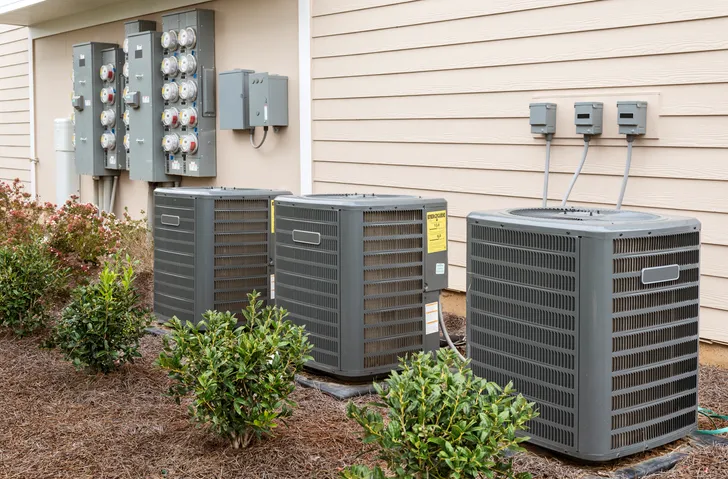
Our technicians perform a multi-point inspection that covers every critical component of your heating and cooling infrastructure. This detailed approach identifies friction points that cause mechanical stress. By addressing these minor issues immediately, you avoid the domino effect where one failing part damages others. The scope of a professional tune-up involves specific, technical tasks that go beyond changing a filter.
Air Conditioning and Heat Pump Tune-Up Inclusions
During the warmer months, your cooling system works overtime to combat humidity and heat. The maintenance protocol focuses on heat rejection and airflow.
- Condenser Coil Cleaning: The outdoor unit gathers dirt, grass clippings, and pollen, which insulate the coil and prevent heat release. Technicians chemically clean these coils to restore heat transfer efficiency.
- Refrigerant Level Inspection: Incorrect refrigerant levels—whether too high or too low—drastically reduce cooling capacity and can damage the compressor. Gauges are used to ensure pressures match manufacturer specifications.
- Electrical Connection Tightening: Vibrations can loosen electrical connections over time, leading to arcing or component failure. All wiring is inspected and tightened to prevent electrical hazards.
- Condensate Drain Clearing: Clogged drain lines can cause water damage to your home and increase humidity levels. The drain line is flushed to prevent algae buildup and overflow.
- Capacitor Testing: Start and run capacitors are tested to ensure they are delivering the correct voltage to the motor and compressor, preventing hard starts that shorten equipment life.
Furnace and Heating Maintenance Inclusions
As the weather turns cold, safety becomes the primary focus alongside efficiency. Combustion-based heating systems require precise calibration to operate safely.
- Heat Exchanger Inspection: This is a critical safety check. Technicians inspect the heat exchanger for cracks or corrosion that could allow carbon monoxide to leak into the living space.
- Burner Assembly Cleaning: Dirty burners result in improper combustion, reducing heat output and wasting fuel. The assembly is removed, cleaned, and adjusted for a clean blue flame.
- Ignition System Testing: Whether your system uses a hot surface igniter or a pilot light, the ignition sequence is tested to ensure reliable startup without delay or lockout.
- Flame Sensor Cleaning: A dirty flame sensor will cause the furnace to shut down shortly after igniting. Cleaning this sensor ensures the system recognizes when a flame is present.
- Gas Pressure Calibration: The gas valve is adjusted to ensure the manifold pressure matches the unit’s specifications, preventing overheating or under-heating.
The Maintenance Process: What to Expect
Professional HVAC maintenance follows a systematic workflow designed to be thorough yet non-intrusive. Homeowners need to know that their property will be respected and that the job will be done correctly the first time. The process is structured to provide transparency regarding the health of the system.
- Arrival and Site Protection: The technician arrives within the scheduled window, equipped with the necessary tools and diagnostic equipment. Shoe covers and drop cloths are used to protect flooring and surrounding areas near the indoor unit.
- Initial Assessment and Operation: Before opening the unit, the system is run through a full cycle to listen for unusual sounds, check airflow, and measure temperature differentials (delta T) between supply and return air.
- Internal Inspection and Cleaning: Power is disconnected for safety. Panels are removed to access internal components. This phase involves the hands-on cleaning, lubricating of moving parts like motor bearings, and electrical testing described in the scope of work.
- Safety and Performance Testing: Once cleaning and adjustments are complete, the system is powered back on. The technician monitors the system for a sustained period to verify that pressures, temperatures, and amp draws are stable and within safe operating ranges.
- Reporting and Recommendations: You receive a detailed report of the findings. If a component is nearing the end of its lifespan or if a repair is recommended to prevent future breakdown, this is explained clearly without aggressive sales pressure.
Identifying When Equipment Requires Replacement
While maintenance extends the life of your equipment, there comes a point where repair costs outweigh the value of the system. Maintenance visits often serve as the diagnostic tool that reveals whether a unit has reached the end of its viable service life. Making the decision to replace a unit is significant, and it should be based on data and technical realities rather than guesswork.
Our technicians help you navigate this decision by evaluating specific criteria during the maintenance visit. If the system is deemed unsafe or economically unviable, options for replacement are discussed — view financing options.
- Age of the System: Air conditioners and heat pumps generally last 10 to 15 years, while furnaces may last 15 to 20 years. If your system is within this window and requires significant repairs, replacement is often the more financially sound choice.
- Frequency of Repairs: If you find yourself calling for service multiple times a year, or if the "cost to keep it running" approaches 50% of the cost of a new unit, investment in a modern system is recommended.
- Efficiency Ratings: Older units often have SEER (Seasonal Energy Efficiency Ratio) or AFUE (Annual Fuel Utilization Efficiency) ratings far below modern standards. Upgrading can result in immediate monthly savings that offset the installation cost over time.
- Refrigerant Type: Systems that utilize R-22 refrigerant (Freon) are becoming prohibitively expensive to repair due to the phase-out of this chemical. If an R-22 system develops a leak, replacement is usually the only logical option.
- Comfort Consistency: If certain rooms are never the right temperature, or if the unit runs constantly without satisfying the thermostat, the system may be undersized or the compressor may be losing compression.
Navigating Local Climate and Infrastructure Needs
Operating an HVAC system in Blue Springs requires specific attention to the regional climate conditions. The local weather patterns fluctuate significantly, swinging from humid subtropical summers to freezing winters with potential ice storms. These extremes place a unique strain on residential heating and cooling equipment, making generic maintenance insufficient.
Combating Humidity and Heat
Summer conditions in this region are characterized by high humidity. An air conditioner does more than cool the air; it dehumidifies it. If coils are dirty or refrigerant is low, the system cannot effectively remove moisture. This leads to a clammy indoor environment and increases the risk of mold growth in ductwork. Maintenance ensures the evaporator coil is cold enough to condense water vapor effectively, keeping indoor relative humidity at optimal levels for comfort and health.
Winter Safety and Reliability
The threat of ice storms and freezing temperatures means a heating failure can quickly become an emergency. For homes relying on gas furnaces, the integrity of the flue pipe and ventilation system is paramount. Snow or ice accumulation can block exhaust vents, causing safety switches to trip or, worse, forcing carbon monoxide back into the home. During a tune-up, the venting system is inspected to ensure it is clear of obstructions and properly sloped.
Local Codes and Utility Considerations
When maintenance reveals the need for major repairs or replacement, local regulations come into play.
- Permit Compliance: Any significant alteration to the HVAC system requires adherence to local building codes. This ensures that electrical connections, gas piping, and ventilation meet safety standards.
- Utility Rebates: Local utility providers often offer rebates for upgrading to high-efficiency equipment or for performing specific maintenance tasks that improve energy efficiency. Documented professional maintenance is often a prerequisite for qualifying for these incentives.
- Electrical Infrastructure: Older homes may need electrical panel upgrades to handle modern, high-efficiency heat pumps or AC units. Technicians check the dedicated circuits to ensure they can handle the amp draw of the equipment safely.
The Value of Consistent Professional Care
Ignoring HVAC maintenance is a leading cause of premature system failure. Manufacturers understand this reality, which is why proof of annual maintenance is almost always required to keep parts and labor warranties valid. If a compressor fails under warranty but there is no record of maintenance, the manufacturer may deny the claim, leaving the homeowner responsible for the full cost.
By adhering to a schedule of seasonal tune-ups, you shift from a reactive position—waiting for something to break—to a proactive one. This results in predictable comfort and predictable costs. The efficiency gains alone often pay for the cost of the service, as a clean and calibrated system runs less often to maintain the desired temperature.
All Day Comfort Heating and Cooling LLC is dedicated to ensuring your home remains a sanctuary against the weather outside. Proper care of your heating and cooling assets protects your investment and ensures the safety of your household. Don't wait for the first heatwave or freeze to find out your system isn't ready.
Take Control of Your Comfort Today
Don’t let unexpected HVAC issues disrupt your home or your peace of mind. With All Day Comfort Heating and Cooling LLC, help is always just a call away. Our expert technicians deliver fast, reliable service backed by honest pricing, industry-leading expertise, and a commitment to your family’s safety and comfort. Whether you need a precision tune-up, urgent repair, or guidance on replacing an aging system, we ensure your home stays comfortable year-round. Reach out today to schedule your service and experience how true professional care can extend your system’s life, boost efficiency, and restore total indoor comfort.
Contact Us
customer reviews
Areas We Serve




Copyright © 2026 All Day Comfort Heating and Cooling.
All rights reserved.
