




Heating Maintenance in Blue Springs, MO
Need expert heating maintenance in Blue Springs? Contact us for comprehensive service to prevent unexpected failures and ensure efficiency. Schedule now!
Prevent Unexpected Heating Failures Before Winter Strikes
Is your heating system making strange noises or struggling to keep up with the dropping temperatures? Neglecting seasonal maintenance often leads to complete system failure right when Blue Springs weather turns freezing, so contact us today to schedule a comprehensive system tune-up and safety check. All Day Comfort Heating and Cooling LLC provides rigorous inspection and maintenance services designed to catch small issues before they become expensive emergency repairs:
- Restore system efficiency to lower monthly utility bills immediately.
- Extend the lifespan of your furnace or heat pump with precision tuning.
- Ensure family safety by detecting potential carbon monoxide leaks or fire hazards early.
Fully licensed and insured, we offer transparent service agreements and flexible financing options for necessary repairs.
Comprehensive Heating Maintenance to Maximize System Efficiency
Heating maintenance is not merely a quick visual check; it is a deep cleaning and calibration process meant to return your unit to factory specifications. A heater that runs without annual care loses a percentage of its efficiency every year. This forces the components to work harder to maintain the same temperature, leading to increased wear and tear on motors, belts, and bearings. Our service focuses on the critical mechanical and electrical components that drive performance.
We perform a thorough evaluation of the heat exchanger. This is the heart of your furnace, responsible for separating the combustion process from the air you breathe. Over time, metal fatigue can cause cracks in the heat exchanger. A crack here is a critical safety failure that can allow carbon monoxide to leak into your living space. We use specialized cameras and inspection tools to verify the integrity of the heat exchanger during every maintenance visit.
Electrical connections and amperage draws are tested to prevent sudden component failure. Loose connections create resistance, which generates heat and can melt wires or destroy circuit boards. We tighten all connections and measure the voltage and amperage of the blower motor and inducer motor. If a motor is drawing too much power, it is often a sign of impending failure. identifying this during a maintenance visit allows for a proactive replacement rather than an emergency service call on a holiday or weekend:
- Thermostat Calibration: We ensure your thermostat is reading the temperature accurately so your system cycles on and off at the correct times, preventing short-cycling.
- Airflow Analysis: We check the static pressure within the ductwork and the condition of the blower wheel. Dust buildup on the blower wheel acts as an insulator and adds weight, reducing the volume of warm air delivered to your rooms.
- Burner Cleaning: For gas furnaces, we remove and clean the burners. dirty burners result in incomplete combustion, which lowers efficiency and creates soot buildup.
- Safety Control Testing: We manually trip safety switches, such as the high-limit switch and flame sensor, to guarantee they will shut the system down in the event of a malfunction.
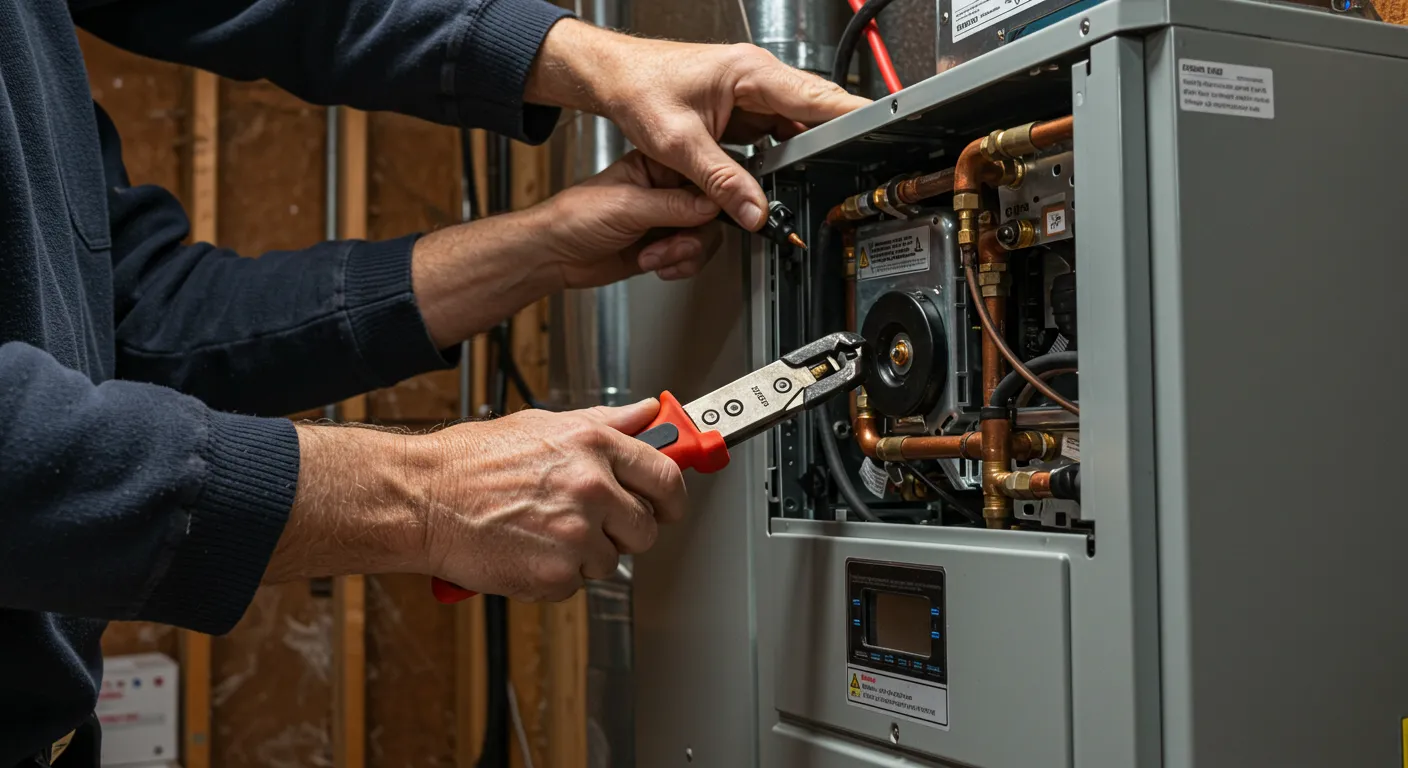
Our Rigorous Heating Tune-Up Process
We utilize a systematic approach to heating maintenance to ensure no component is overlooked. This standardized process ensures that every homeowner receives the same high level of care, regardless of the make or model of their heating equipment. The goal is to leave the system running cleaner, quieter, and more efficiently than we found it:
- Initial Assessment and Operation Check: First, the technician arrives and discusses any specific concerns you have noticed, such as cold spots in the house or unusual odors. We then operate the system to listen for irregular sounds like banging, rattling, or squealing, which can indicate loose parts or bearing failure.
- Internal Component Cleaning and Lubrication: Next, we shut off power to the unit and open the access panels. We vacuum out the cabinet to remove dust and debris that can pose a fire hazard. Moving parts that require lubrication are greased to reduce friction and heat. We carefully clean the flame sensor, a small rod that detects if the burners have ignited. If this sensor is coated in oxidation or carbon, it will shut off the gas valve unnecessarily, leaving you without heat.
- Combustion Analysis and Tuning: Then, for gas units, we analyze the combustion gases. We measure the oxygen and carbon dioxide levels in the flue gas to ensure the fuel-air mixture is optimal. We also check the gas pressure at the manifold. If the pressure is too high, the unit can overheat; if it is too low, condensate can form in the heat exchanger and cause rust. We adjust the gas valve to the manufacturer’s precise specifications.
- Final Testing and Reporting: Finally, we restart the system and monitor a full heating cycle. We measure the temperature rise—the difference in temperature between the air entering the furnace and the air leaving it. This confirms the system is producing adequate heat without overheating. We provide a detailed report of our findings, highlighting any parts that are showing signs of wear so you can plan for future repairs.
Deciding Between Heater Repair or Replacement
One of the primary goals of maintenance is to extend the life of your system, but there comes a point where repair is no longer the most economical choice. Understanding when to keep investing in your current system and when to upgrade is a critical financial decision. Our technicians provide data-backed recommendations based on the condition of your specific unit.
The 50% rule is a standard industry metric used to guide this decision. If the cost of a necessary repair approaches 50% of the cost of a new system, replacement is generally the wiser investment. Additionally, if you are calling for repairs more than once a season, the cumulative cost of service calls and parts will quickly outpace the monthly cost of financing a new, high-efficiency unit.
Age is the other major factor. Most gas furnaces have a lifespan of 15 to 20 years, while heat pumps typically last 10 to 15 years. If your system is within this age range and requires a major component replacement, such as a blower motor or control board, maintenance may only delay the inevitable for a short time. Older systems also operate at much lower efficiency levels. A furnace installed 15 years ago may operate at 70% efficiency, meaning 30 cents of every dollar you spend on gas is wasted up the flue. Modern systems can achieve up to 98% efficiency:
- Rising Energy Bills: If your usage hasn't changed but your bills are climbing, the system is losing efficiency due to age and wear.
- Uneven Heating: If some rooms are freezing while others are hot, the system may no longer have the capacity to distribute air effectively.
- Frequent Cycling: If the unit turns on and off constantly, it causes excessive wear on the compressor or heat exchanger and indicates the system is struggling to maintain the set temperature.
- Noise Levels: Loud groaning or banging sounds often indicate critical mechanical failure is imminent.
Local Considerations for Heating Systems in Blue Springs
Operating a heating system in Blue Springs requires specific attention to our distinct regional climate. We experience a true four-season climate with hot, humid summers and winters that can bring severe freezing temperatures. This wide variance in temperature puts significant thermal stress on HVAC equipment. In the transition from autumn to winter, systems that have sat idle for months are suddenly forced to operate at maximum capacity. This is when most mechanical failures occur.
Our region is also prone to severe spring weather, including thunderstorms and potential tornadoes. Power surges and outages associated with these storms can damage the sensitive electronic control boards found in modern furnaces and heat pumps. During maintenance, we inspect the grounding of the unit and recommend surge protection solutions to safeguard your investment against local grid fluctuations.
High humidity levels in the summer can also impact your heating system. If your basement or crawlspace is damp, moisture can cause rust to form on the furnace cabinet and burners during the off-season. Corrosion on electrical contacts is a common issue in our area. We specifically look for signs of moisture damage and verify that the flue venting is clear of any bird nests or debris that may have accumulated during the warmer months.
Compliance with local building codes is essential for safety and insurance purposes. When All Day Comfort Heating and Cooling LLC technicians perform maintenance, we ensure your system adheres to current venting and gas piping standards. Improperly vented furnaces are a major safety risk in tightly sealed modern homes. We verify that there is adequate combustion air available for the furnace to operate safely without pulling dangerous gases back into the home.
The Value of Manufacturer Warranty Preservation
Many homeowners are unaware that their heating system warranty is contingent upon proof of annual maintenance. Manufacturers include this clause because they know that most failures are caused by neglect rather than defects in the equipment. If a major part fails under warranty, the manufacturer may require service records showing that the unit was cleaned and inspected by a licensed professional.
Without these records, you could be liable for the full cost of the part and the labor, even if the unit is only a few years old. Our maintenance services provide you with the documentation needed to keep your warranty valid. We keep detailed records of every visit, ensuring you have a history of professional care should a warranty claim ever be necessary.
Regular maintenance also protects the secondary components that warranties often do not cover. While a warranty might cover a heat exchanger, it may not cover the labor to replace it or the damage caused to the surrounding area if a condensate drain leaks. Proactive care minimizes these risks and protects your home from water damage and electrical hazards:
- Documentation: We provide clear, dated invoices and checklists that serve as proof of professional maintenance.
- Recall Checks: Our team stays updated on manufacturer recalls and service bulletins, ensuring your unit is safe and up to date.
- Parts Life Extension: Clean components run cooler and last longer, pushing your system well past the warranty expiration date.
Why Proactive Care is Better Than Reactive Repair
Waiting for a breakdown to call for service is the most expensive way to manage your home heating. Emergency repairs often cost significantly more than scheduled maintenance and usually happen at the most inconvenient times. When a heater fails during a deep freeze, you are often left waiting in a queue while technicians respond to a high volume of calls. Proactive maintenance puts you in control of your schedule and your budget.
A well-maintained system provides consistent comfort. You avoid the drifts in temperature that make a home feel drafty and uncomfortable. You also enjoy better indoor air quality. A clean system circulates less dust, pollen, and mold spores, which is vital for families with allergies or respiratory issues. The air filter is your first line of defense, but the internal components of the furnace must also be clean to prevent re-contamination of the air.
Trusting a professional for your heating needs means you have a partner who understands the history of your equipment. We track the performance of your system year over year, allowing us to predict when components are nearing the end of their lifecycle. This allows you to budget for replacements rather than being blindsided by a large expense.
Ensure Your Winter Comfort Today
Your heating system protects your home from frozen pipes and your family from the bitter cold. Do not leave its performance to chance. A small investment in maintenance now prevents costly breakdowns, lowers energy consumption, and extends the life of your equipment. Secure your comfort and peace of mind this season. Schedule your heating maintenance service now to ensure your system is ready for the cold.
Contact Us
customer reviews
Areas We Serve




Copyright © 2026 All Day Comfort Heating and Cooling.
All rights reserved.
