




HVAC Repair in Mission, KS
Need urgent HVAC repairs in Mission, KS? Contact us for emergency HVAC service available 24/7—guaranteed solutions and same-day repair. Book now and ensure your home comfort!
Is Your HVAC System Ready to Handle the Season?
Struggling with a broken heater as the temperature drops? You need a fast, reliable repair that lasts. Contact us now to schedule an emergency repair or discuss financing options to restore your comfort immediately.
- Get same-day HVAC repairs with certified technicians.
- Enjoy peace of mind with a 1-year guarantee on all repairs.
- 24/7 service availability -- because emergencies don’t wait.
Licensed, bonded, insured, and ready to serve you.
When your heating or cooling system fails in Mission, KS, the discomfort is immediate, but the solution should be just as fast. The weather here is unpredictable, swinging from high humidity and 90-degree heat in the summer to freezing temperatures and snowfall in the winter. Your home requires a system that can adapt to these extremes without faltering. All Day Comfort Heating and Cooling LLC specializes in diagnosing these specific climate-related stressors and providing repairs that withstand local conditions. Whether it is a frozen coil in July or a furnace ignition failure in January, accurate troubleshooting is the first step toward restoring your indoor environment.
Comprehensive Diagnostics and Immediate Repair Scope
Effective HVAC repair goes beyond simply swapping out a broken part; it requires a holistic view of the system's performance. When a technician arrives at your home, the objective is to identify the root cause of the failure to prevent a recurrence. Many breakdowns are symptoms of larger underlying issues, such as restricted airflow, electrical faults, or refrigerant leaks. Addressing the symptom without fixing the cause leads to repeated service calls and diminished equipment lifespan — request service today.
Technicians arrive in fully stocked service vehicles, prepared to handle the vast majority of repairs on the spot. This preparation reduces the downtime for your household. The goal is to turn a stressful breakdown into a functioning system within a single visit whenever possible. This includes handling complex components like compressor contactors, blower motors, heat exchangers, and control boards.
The scope of repair services covers every aspect of residential heating and cooling:
- Electrical Component Testing: Technicians inspect capacitors, relays, and wiring connections. Loose or corroded wires are a leading cause of intermittent system failure and can pose fire hazards if left unchecked.
- Airflow and Ductwork Analysis: A system cannot heat or cool effectively if the air cannot move. Blockages, crushed ducts, or dirty filters force the unit to work harder, leading to premature burnout.
- Refrigerant Level Checks: For air conditioners and heat pumps, maintaining the correct refrigerant charge is critical. Leaks are identified using advanced detection methods, sealed, and the system is recharged to manufacturer specifications.
- Safety Control Verification: Modern furnaces and AC units have safety switches to prevent operation during dangerous conditions. These are tested to ensure they engage properly to protect your home and family.
- Thermostat Calibration: Sometimes the issue lies in the communication between the control unit and the equipment. Calibration ensures your system responds accurately to your temperature demands.
How the Professional Repair Process Works
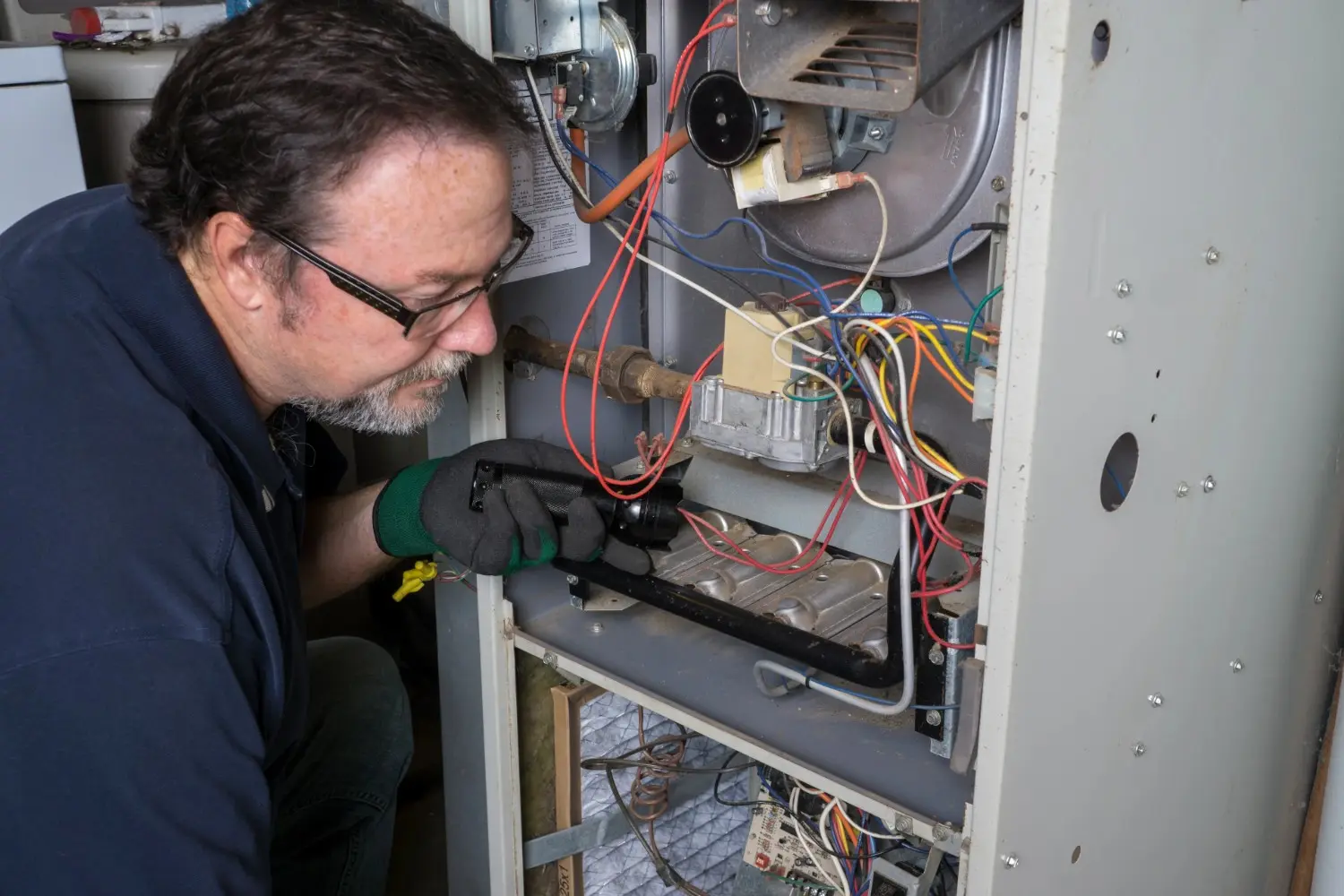
Understanding what happens during a service call eliminates the anxiety often associated with home repairs. A professional approach relies on transparency and systematic evaluation. You should never be left guessing about what is wrong or how much it will cost. The process is designed to be efficient, respectful of your property, and thorough.
- Initial Assessment and Safety Inspection: Upon arrival, the technician speaks with you to understand the specific symptoms you have noticed, such as strange noises, odors, or a lack of airflow. Before touching the equipment, they perform a safety check to ensure there are no immediate hazards like gas leaks or electrical shorts.
- Systematic Troubleshooting: Using specialized diagnostic tools, the technician tests the system's components in a logical sequence. This might involve measuring voltage drops, checking static pressure in the ducts, or analyzing combustion gases in a furnace. This data-driven approach pinpoints the exact failure point.
- Clear Explanation and Flat-Rate Quoting: Once the issue is identified, the findings are explained in plain English. You are presented with repair options and a clear, upfront price. Work only begins after you have approved the scope and cost, ensuring there are no surprise fees at the end of the job.
- Execution of Repairs: The technician proceeds with the approved work, using OEM (Original Equipment Manufacturer) or high-quality equivalent parts. The focus is on precision installation to ensure the new components function seamlessly with the existing system.
- System Testing and Verification: After the repair is complete, the system is cycled through its operation modes. The technician measures temperature splits (the difference between air entering and leaving the system) to verify that performance has been fully restored.
- Clean-Up and Final Walkthrough: The work area is cleaned, and any old parts or debris are removed. The technician provides a final walkthrough to show you the work performed and offers advice on how to maintain the repair.
Deciding When to Replace Versus Repair
One of the most difficult decisions a homeowner faces is determining whether to pour more money into an aging system or invest in a replacement. While repairs are often the most immediate and cost-effective solution, there comes a tipping point where replacement becomes the smarter financial move. This decision usually hinges on the age of the unit, the cost of the repair, and the system's recent performance history.
Industry professionals often refer to the "$5,000 Rule" as a general guideline. Multiply the age of your equipment by the estimated cost of the repair. If the total exceeds $5,000, replacement is generally recommended. For example, if you have a 12-year-old unit and the repair costs $500, the total is $6,000, suggesting that investing in a new unit might be wiser than fixing the old one.
Consider the following factors when weighing your options:
- Age of the Equipment: Most air conditioners and heat pumps have a lifespan of 10 to 15 years, while furnaces can last 15 to 20 years. If your system is approaching or has exceeded this range, parts may be becoming obsolete, and efficiency has likely degraded significantly.
- Frequency of Breakdowns: If you have required multiple repairs in the last two years, your system is likely entering the end-of-life failure curve. Continually patching a dying system is often more expensive than a monthly payment on a new, high-efficiency unit.
- Energy Efficiency Ratings: Older units often have SEER (Seasonal Energy Efficiency Ratio) ratings of 10 or 12. Modern standards are significantly higher. Upgrading to a 16+ SEER unit can reduce monthly energy bills by a margin that helps offset the installation cost over time.
- Refrigerant Type: Older AC units utilize R-22 (Freon), which has been phased out due to environmental regulations. If your R-22 system develops a leak, the cost of refrigerant is exorbitant. Upgrading to a system that uses R-410A or newer refrigerants is a necessary step for long-term viability.
- Comfort and Air Quality: If your current system struggles to maintain consistent temperatures, leaves rooms feeling clammy due to poor humidity control, or contributes to dust buildup, a modern system with variable-speed technology can drastically improve indoor comfort.
Navigating Local Climate and Requirements
Operating an HVAC system in Mission requires attention to specific environmental and regulatory factors. The local climate puts a unique strain on residential equipment. In the summer, high humidity levels mean your air conditioner must work harder not just to cool the air, but to dehumidify it. If a unit is short-cycling (turning on and off too quickly) due to a repair issue, humidity remains trapped inside, leading to mold growth and discomfort. Conversely, winters can see temperatures plunge into the 20s or lower. This demands a furnace or heat pump that is reliable enough to prevent pipes from freezing during a cold snap.
Local regulations also play a role in how repairs and replacements are handled. While minor repairs typically do not require permits, significant alterations to the system—such as replacing a furnace or modifying gas lines—often require compliance with local building codes. These codes are in place to ensure proper venting of exhaust gases, safe electrical connections, and correct clearances around the equipment.
- Permit Compliance: Professional service providers ensure that all major work adheres to city codes. This protects you from fines and ensures that your home insurance coverage remains valid in the event of an incident.
- Utility Configuration: Many homes in the area utilize a mix of natural gas and electric systems. Ensuring that gas lines are sediment-free and electrical panels have sufficient amperage for the HVAC load is part of a thorough service protocol.
- Seasonal Preparation: Because of the distinct shift between seasons, the "shoulder seasons" of spring and fall are critical for maintenance. Neglecting to check the system before the first freeze or the first heatwave is the leading cause of emergency calls.
Proof of Reliability and Service Excellence
When your heating or cooling goes down, you are inviting a technician into your private space. Trust and professionalism are non-negotiable. A reputable service provider differentiates themselves not through marketing hype, but through tangible standards of service. This includes the technical certification of the staff, the guarantees provided on the work, and the respect shown to your home.
All Day Comfort Heating and Cooling LLC prioritizes technical excellence. Technicians undergo continuous training to stay updated on the latest HVAC technologies, including smart thermostats, inverter-driven compressors, and zoning systems. This expertise ensures that diagnostics are accurate the first time, preventing the frustration of "trial and error" repairs.
Key indicators of a high-quality service experience include:
- Certified Expertise: Technicians hold relevant certifications that validate their ability to work on complex gas and electrical systems safely. This knowledge base is essential for correctly diagnosing high-efficiency systems that rely on sophisticated computer boards and sensors.
- Warranty Protection: A confident repair service backs its work. Look for warranties that cover both parts and labor. This guarantee shifts the risk from the homeowner to the provider, ensuring that if a replaced part fails prematurely, it is rectified at no additional cost.
- Respect for Property: Professional technicians treat your home with care. This involves using drop cloths to protect flooring, wearing shoe covers to prevent tracking in dirt, and cleaning up the workspace thoroughly after the job is done.
- Inventory Readiness: The ability to complete a repair in one visit is a major differentiator. Service trucks should be stocked with universal parts and common specific components to minimize the need for supply house runs, getting your system back online faster.
Preventative Measures to Avoid Future Emergencies
Once your system is repaired, the focus shifts to preventing the next breakdown. While mechanical failure can happen to any machine, a significant percentage of HVAC repairs are preventable with routine care. Homeowners who take a proactive approach to maintenance experience fewer emergency calls and enjoy lower utility bills.
- Filter Discipline: The single most effective thing a homeowner can do is change air filters regularly. A clogged filter restricts airflow, causing the heat exchanger to overheat in the winter and the evaporator coil to freeze in the summer.
- Outdoor Unit Clearance: Keep the outdoor condenser unit free of debris. Leaves, grass clippings, and overgrown shrubs block airflow, causing the compressor to overheat and potentially fail.
- Drain Line Maintenance: Air conditioners remove gallons of water from the air daily. If the condensate drain line becomes clogged with algae or sludge, water can back up and trigger a safety switch or cause water damage. Occasional flushing of the line helps maintain flow.
Restoring your home's comfort shouldn't be a hassle. Whether you are facing a complete system shutdown or noticing warning signs like strange noises and rising bills, immediate action is the best path forward. Don't let a minor issue escalate into a major replacement expense.
Restore Comfort Fast with All Day Comfort Heating and Cooling LLC
When your HVAC system fails, comfort shouldn’t be something you wait for — it should be restored immediately. All Day Comfort Heating and Cooling LLC is ready to respond with the speed, precision, and professionalism your home deserves. From emergency repairs to transparent pricing and long-lasting solutions, our certified technicians ensure your system is back to peak performance without delay. Don’t let a small issue turn into a costly breakdown. Call All Day Comfort Heating and Cooling LLC today to schedule your same-day service and experience reliable comfort you can trust, season after season.
Contact Us
customer reviews
Areas We Serve




Copyright © 2026 All Day Comfort Heating and Cooling.
All rights reserved.
