




Duct Sealing in Grain Valley, MO
Discover expert duct sealing services in Grain Valley to enhance HVAC efficiency, cut energy costs, and improve air quality at home. Contact us today!
Resolve Indoor Comfort and Energy Waste with Professional Duct Sealing
Struggling with high energy bills and uneven temperatures in your home can often be traced back to compromised ductwork that allows conditioned air to escape before it reaches your living spaces. For homeowners in Grain Valley, MO, addressing these hidden leaks is the most effective way to restore system performance; contact us today to schedule a comprehensive duct inspection and pressure test.
- Enhance your HVAC efficiency and reduce monthly energy costs.
- Improve indoor air quality by sealing out pollutants and allergens.
- Extend the lifespan of your heating and cooling systems with proper duct care.
Licensed professionals with comprehensive warranties ensure your ductwork is sealed right the first time.
The Hidden Cost of Air Leaks in Your Home
Most homeowners view their heating and cooling system as just the furnace and the air conditioner. However, the ductwork acts as the circulatory system of your home. When that system is compromised by holes, loose connections, or deteriorating tape, you effectively pay to heat or cool your attic, crawlspace, or basement. In the variable climate of Grain Valley, where summers bring intense humidity and winters bring biting cold, the thermal envelope of your home must remain secure.
Leaky ducts create negative pressure zones. When air escapes the supply ducts, the system must pull air from somewhere to make up the difference. Often, this replacement air is pulled through gaps in windows, doors, or dusty crawlspaces, introducing unconditioned and often dirty air into your living environment. All Day Comfort Heating and Cooling LLC specializes in identifying these invisible bypasses and permanently closing them to ensure every dollar you spend on energy translates to actual comfort.
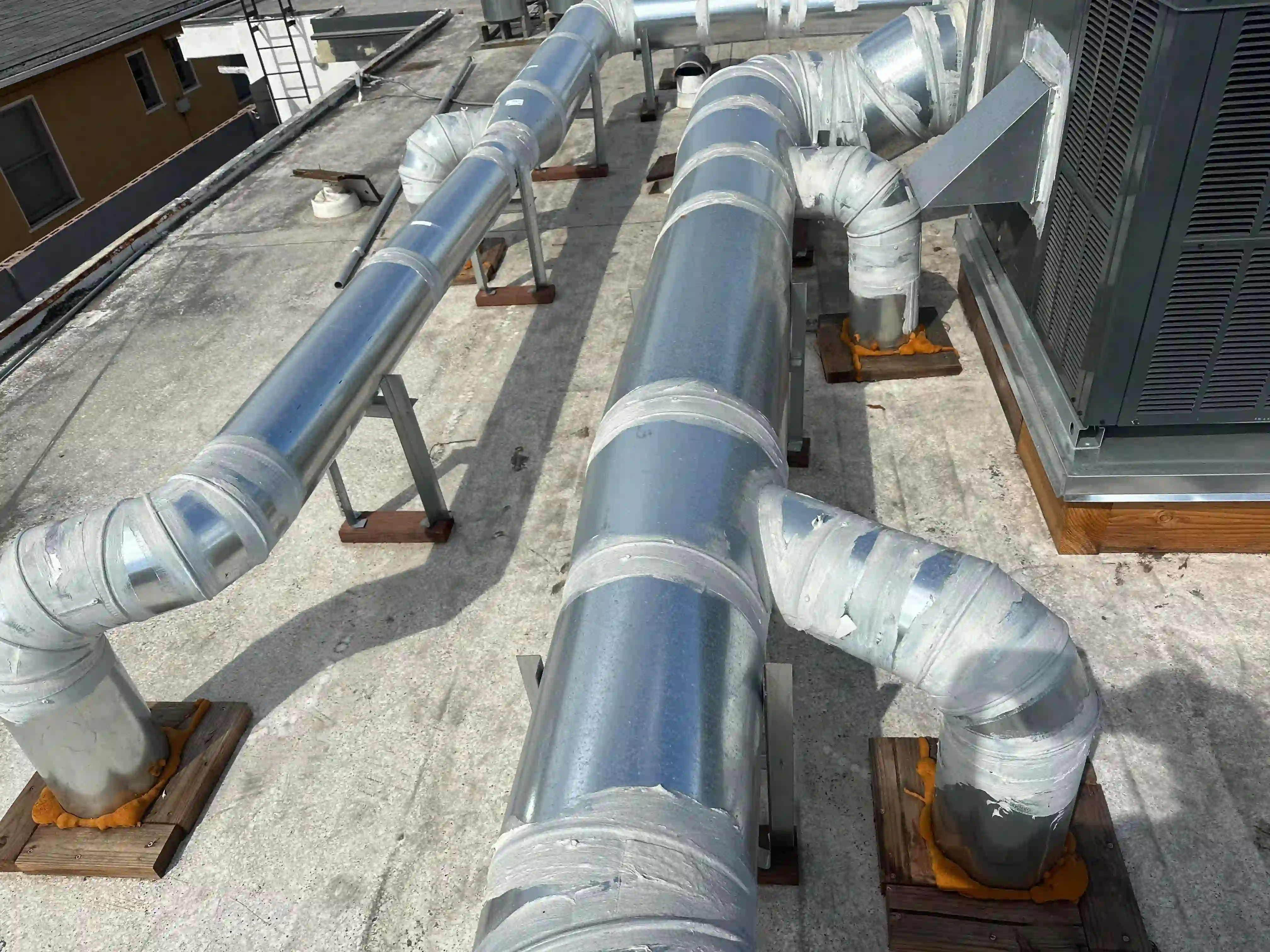
What to Expect From Professional Duct Sealing Services
When you commission a professional duct sealing service, the objective is to create a closed loop that maximizes airflow delivery. The scope of work goes far beyond applying tape to visible joints. It involves a systematic approach to tightening the entire air distribution network.
Service inclusion typically covers:
- Comprehensive Leak Detection: Technicians do not guess where leaks are; they use diagnostic tools to locate air loss points, even in hard-to-reach areas.
- Structural Integrity Check: Before sealing, the physical condition of the ducts is assessed to ensure they are properly supported and not crushed or disconnected.
- High-Grade Sealant Application: Professionals use industrial-grade mastic paste or metal-backed foil tape designed to withstand the extreme temperature fluctuations of a heating system. Standard "duct tape" degrades quickly and is never used in professional applications.
- Connection Tightening: The most common leak points are where the ducts connect to the main plenum or at the register boots. These areas receive reinforced sealing.
- Insulation Review: While sealing stops air leaks, verifying that the insulation around the ducts is intact prevents thermal energy loss through conduction.
The timeline for this service is efficient. In most residential applications, a complete duct sealing job is completed within a single day. This minimizes disruption to your routine while providing an immediate improvement in airflow and system cycle times.
The Duct Sealing Process: From Assessment to Airflow
Professional sealing is a rigorous process involving specific steps to ensure long-term results. We utilize a methodical approach to secure your system.
- Initial Visual and Digital Inspection: The process begins with a thorough examination of the accessible ductwork. Technicians look for obvious disconnects, crushed sections, and aged tape that has dried out and peeled away.
- Static Pressure Testing: By measuring the static pressure within the system, technicians establish a baseline. Low static pressure often indicates significant leakage, as the system cannot build up the force required to push air to distant rooms.
- Preparation and Cleaning: For sealants like mastic to adhere correctly, the surface of the metal ductwork must be clean. Technicians remove dust, grease, and old failing tape to prepare the metal for a permanent bond.
- Mastic and Mesh Application: For joints, seams, and corners, a fiberglass mesh is often applied followed by a thick layer of mastic sealant. This compound hardens into a durable, airtight seal that remains flexible enough to handle the expansion and contraction of the metal during heating cycles.
- Securing Boots and Registers: A critical but often overlooked step involves sealing the gap between the boot (the metal box behind the vent) and the drywall or floor. This prevents air from escaping into the wall cavities or floor joists right before it enters the room.
- Post-Sealing Verification: Once the sealants have been applied, the system is re-tested. Technicians verify that airflow has improved at the registers and that the static pressure is within the manufacturer's specified range for your equipment.
Knowing When to Seal vs. When to Replace Ductwork
Duct sealing is a highly effective repair, but it is not a cure-all for a system that has reached the end of its life. Understanding whether your ducts can be salvaged or require replacement is vital for making a financially sound decision.
Proceed with Duct Sealing if:
- The Ductwork is Under 15 Years Old: Metal ducts generally last a long time, and if the structure is sound, sealing is the most cost-effective upgrade.
- Leaks are Isolated to Joints: If the leakage is primarily occurring at the seams, elbows, and connections, mastic sealing will resolve the issue completely.
- You Have Hot or Cold Spots: If one room is perpetually uncomfortable but the rest of the house is fine, sealing the run to that specific room usually restores balance.
- Dust Buildup is Moderate: If you notice dust trails near vents, it indicates a leak pulling in dirty air, which sealing will stop.
Consider Duct Replacement if:
- Severe Rust or Corrosion: If moisture has caused the metal to rust through, sealing is a temporary patch on a failing structure. Replacement is necessary to prevent structural collapse.
- Mold Infestation: If the interior of the ductwork is lined with insulation that has become wet and moldy, it cannot be cleaned effectively. The contaminated sections must be removed to protect your health.
- Improper Sizing: No amount of sealing will fix a duct system that is too small for your air conditioner. If the ducts are undersized, they choke the system, leading to equipment failure. In this case, resizing and replacement are required.
- Crushed or Collapsed Flex Ducts: In many attics, flexible ductwork may be crushed or torn by pests. Once the inner liner of flex duct is compromised, it is generally better to replace the run than to attempt a repair.
Regional Climate Factors Impacting Ductwork in Grain Valley
The local environment in Grain Valley plays a significant role in how your ductwork performs and degrades. The specific weather patterns here dictate the necessity of a sealed system.
- Summer Humidity Control: Missouri summers are humid. When cold air moves through leaky ducts in a hot, humid attic or crawlspace, condensation (sweating) can form on the exterior of the ducts. This moisture drips onto insulation and wood, creating a breeding ground for mold and wood rot. Sealing the ducts prevents the cold air from interacting with the humid attic air, reducing condensation risks.
- Winter Heat Loss: During winter, the temperature difference between the air inside your ducts (120°F+) and the air in an unconditioned basement or attic (30°F or lower) is extreme. Leaks in this season represent a massive loss of thermal energy. Your furnace has to run longer to compensate for the heat bleeding out into unconditioned spaces, driving up gas or electric bills — view financing options today.
- Pest Intrusion: As temperatures drop, pests seek warmth. Small gaps in ductwork in crawlspaces invite mice and insects to enter the system. Once inside, they obstruct airflow and contaminate the air supply. Professional sealing creates a hard barrier that pests cannot easily penetrate.
- Utility Codes and Efficiency: Local building codes and utility guidelines in the area increasingly emphasize energy conservation. Professional sealing ensures your home aligns with current efficiency standards, which is beneficial for property value and potential utility rebates.
Why Professional Execution Matters
While some homeowners attempt to use tape to fix visible leaks, professional results differ significantly in durability and scope. Retail-grade duct tape is not designed for HVAC applications; the adhesive dries out and fails within a few seasons, leaving you with the same problems.
Professionals utilize diagnostic equipment to find leaks that are invisible to the naked eye. A leak in a return chase buried inside a wall cannot be found without pressure testing, yet it can pull in significant amounts of dust and insulation fibers. All Day Comfort Heating and Cooling LLC utilizes industry-standard protocols to locate these hidden inefficiencies.
Furthermore, accessing ductwork often requires working in tight, hazardous environments like crawlspaces and attics. Professionals are equipped with the safety gear and tools necessary to navigate these spaces without damaging the home or risking injury. They also understand the airflow dynamics required for your specific furnace and AC model, ensuring that the sealing process does not inadvertently increase static pressure to levels that could harm the blower motor.
The Impact on Indoor Air Quality and Equipment Longevity
Beyond the financial savings, sealing your ductwork has profound health and mechanical benefits.
Backdrafting Prevention:
In homes with gas appliances, negative pressure caused by leaky return ducts can pull exhaust gases, including carbon monoxide, back into the living space—a phenomenon known as backdrafting. Sealing the return side of the system is a critical safety measure to ensure combustion gases are properly vented outside.
Reduced Dust and Allergens:
If your return ducts leak in a dusty attic or damp crawlspace, your HVAC system acts like a vacuum cleaner for that space, distributing dust, mold spores, and fiberglass particles throughout your bedrooms and living areas. Sealing the system creates a closed loop, ensuring the air you breathe comes only from the intended living spaces and passes through your filter.
Extended Equipment Life:
When ducts leak, your heating and cooling equipment must run longer cycles to reach the thermostat's set temperature. This constant overwork leads to premature wear on compressors, heat exchangers, and blower motors. By sealing the ducts, you reduce the workload on your system, allowing it to heat and cool your home efficiently without unnecessary strain.
Secure Your Comfort and Efficiency
Ignoring leaky ductwork is akin to leaving a window open year-round while running your heater or air conditioner. The energy waste is constant, and the wear on your system is cumulative. Addressing these leaks is a definitive step toward a more comfortable, efficient, and healthy home environment.
For homeowners in Grain Valley ready to stop energy waste, the solution lies in professional assessment and sealing. We provide the expertise required to tighten your home’s thermal envelope and optimize your HVAC performance.
Stop paying to heat your attic and start enjoying consistent comfort in every room. Schedule your professional duct sealing service today.
Contact Us
customer reviews
Areas We Serve




Copyright © 2026 All Day Comfort Heating and Cooling.
All rights reserved.
