




Water Heater Repair in Grain Valley, MO
Immediate water heater diagnostics and high-quality repairs in Grain Valley, MO. Schedule a service now for your home’s vital comfort and safety.
Troubled by Water Heater Problems?
Facing unexpected cold showers or strange noises from your water heater? You're not alone, and immediate help is available. Contact us now to schedule a diagnostic visit.
When your water heater fails, it disrupts your entire daily routine, from laundry and dishwashing to basic hygiene. Residents in Grain Valley, MO, know that waiting on a repair isn't an option, especially when distinct seasonal temperature shifts put extra strain on household plumbing systems. All Day Comfort Heating and Cooling LLC provides the urgent, skilled intervention required to restore hot water access quickly and safely.
- Rapid response and diagnosis within hours.
- Professional repairs and replacements, ensuring long-lasting water comfort.
- Clear, upfront pricing with no hidden fees.
All services are performed by licensed professionals, with comprehensive warranties and flexible financing options available.
Immediate Water Heater Diagnostics and Repair Scope
When you request service, the priority is identifying the root cause of the failure rather than applying a temporary bandage to the problem. Modern water heating systems, whether gas or electric, consist of complex components that require precise calibration. A comprehensive service visit covers every aspect of the unit's operation to ensure safety and efficiency.
Service begins with a thorough evaluation of the heating elements or burners. In electric units, upper and lower heating elements are tested for continuity and resistance. If an element has burned out, it is replaced with an OEM-equivalent part. For gas units, the focus shifts to the pilot light assembly, thermocouple, and gas control valve. A flickering pilot light or a burner that refuses to ignite often signals a blockage in the pilot tube or a faulty thermocouple that is no longer sensing heat correctly.
Technicians also inspect the thermostat calibration. If the water is scalding hot or barely tepid, the thermostat may be reading the tank temperature incorrectly. Adjusting or replacing the thermostat restores the balance, preventing energy waste and ensuring consistent delivery.
Another critical area of focus is the condition of the tank itself. Leaks often originate from the Temperature and Pressure (T&P) relief valve, drain valve, or loose pipe connections. While a tank rupture usually necessitates replacement, many leaks are simple fixes involving washer replacements or pipe resealing.
- Component Testing: Multimeter testing of thermostats and heating elements to verify electrical flow.
- Gas Safety Checks: Inspection of gas lines, ventilation hoods, and carbon monoxide risks for gas-powered units.
- Sediment Management: flushing the tank to remove mineral buildup that acts as an insulator and causes overheating.
- Anode Rod Inspection: Checking the sacrificial rod that prevents the tank interior from rusting.
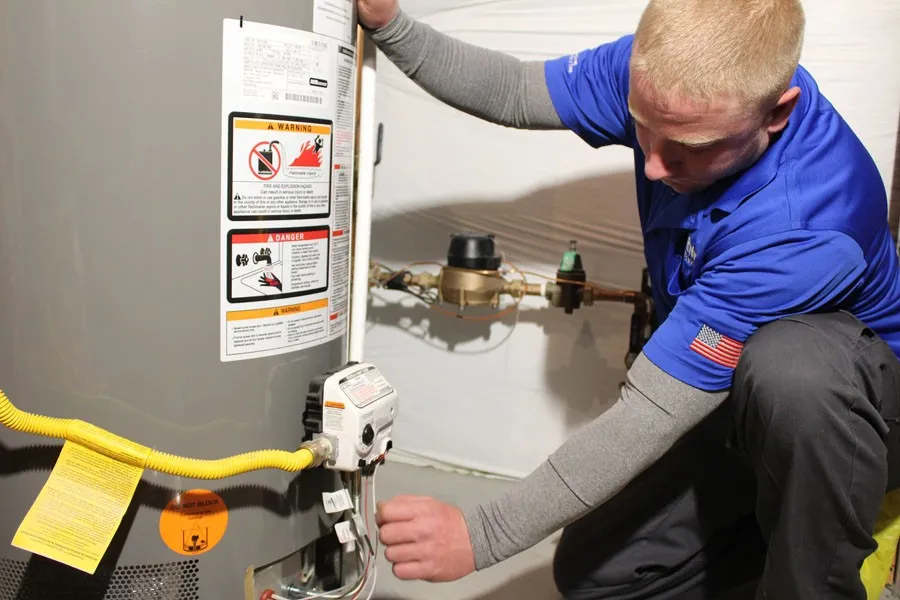
The Repair Process: From Assessment to Resolution
Understanding the flow of a service call helps homeowners prepare for the repair. The process is designed to be efficient, minimizing downtime while ensuring all safety protocols are met.
- Initial Assessment: The technician arrives fully equipped to diagnose the issue. They will ask about the symptoms you have noticed, such as popping sounds, rusty water, or a complete lack of heat. Access to the unit is secured, and the area is prepped to prevent water damage during the inspection.
- System Isolation: Power (at the breaker) or gas supply is turned off, and the water supply to the unit is shut down. This ensures the environment is safe for mechanical work.
- Diagnostic Testing: Using specialized tools, the technician isolates the faulty component. For example, if the unit is making a rumbling noise, they will investigate sediment levels. If the unit resets frequently, they will check for electrical shorts or overheating sensors.
- Explanation and Authorization: Once the problem is identified, you receive a clear explanation of the failure and the necessary repair steps. Work only proceeds after you understand the scope and approve the solution.
- Execution of Repair: The faulty part is removed and replaced. This may involve draining the tank partially or fully to replace a heating element or to flush out sediment.
- System Restoration and Testing: The unit is refilled, and power or gas is restored. The technician waits to verify that the burner ignites or elements heat up and that the water reaches the set temperature.
- Cleanup and Final Check: The work area is cleaned, and the technician verifies there are no new leaks before departing.
Addressing Specific Failure Symptoms
Water heaters rarely fail without giving warning signs. Recognizing these indicators early can prevent a minor repair from turning into a flooded basement.
Inconsistent Water Temperature
If water fluctuates between hot and cold, or runs out faster than usual, the issue often lies with a broken dip tube. The dip tube directs incoming cold water to the bottom of the tank to be heated. If it cracks, cold water mixes with the hot water at the top of the tank, sending lukewarm water to your shower. Replacing the dip tube restores the unit's capacity.
Discolored or Smelling Water
Rusty water indicates corrosion inside the tank or a failing anode rod. If caught early, replacing the anode rod can extend the tank's life significantly. A "rotten egg" smell usually signals bacteria reacting with the magnesium or aluminum anode rod. Flushing the tank and switching to a zinc-aluminum rod often solves this olfactory issue.
Popping or Rumbling Noises
In areas with hard water, minerals precipitate out of the water and settle at the bottom of the tank. This layer of sediment traps water underneath it. When the burner heats the tank, the trapped water boils and creates steam bubbles that burst, causing a popping sound. This is not just a noise issue; the sediment layer causes the tank bottom to overheat, weakening the steel and leading to premature failure. Professional flushing removes this sediment.
Deciding Between Repair and Replacement
Determining whether to invest in a repair or opt for a full replacement is a financial and practical decision. While technicians prioritize repair whenever feasible, certain thresholds indicate that a new unit is the smarter investment.
The 50% Rule
A general guideline used in the industry is the 50% rule. If the cost of the repair approaches or exceeds 50% of the cost of a new water heater, replacement is generally the more economical choice in the long run.
Age of the Unit
Gas water heaters typically last 8–12 years, while electric models may last 10–15 years. If a unit in Grain Valley is over 10 years old and suffers a major component failure—such as a leaking tank body or a failed gas valve—replacement is usually recommended. Older units are far less energy-efficient, meaning a new unit could lower monthly utility bills, offsetting the installation cost over time.
Frequency of Breakdowns
If a unit has required multiple repairs in the last two years, it is likely nearing the end of its service life. Continually replacing parts on a dying system is often throwing good money after bad.
Efficiency Concerns
Older units often have significant standby heat loss. If your energy bills have been creeping up despite normal usage, the insulation in your old water heater may have degraded, or sediment buildup may be forcing the unit to work overtime.
Local Considerations: Climate and Codes
Grain Valley, MO, experiences distinct seasonal changes that directly impact plumbing and water heating systems. The region's hot summers and cold winters create specific challenges that repairs must account for.
Winter Strain and Frozen Pipes
During the freezing winter months, the intake water temperature drops significantly. This means the water heater must work harder and burn more fuel to raise the water to the desired 120–140 degrees. This added thermal stress often exposes weak points in older elements or burners. Furthermore, technicians often inspect the insulation on pipes leading to and from the unit to prevent freezing, which is a common cause of burst pipes in unconditioned basements or garages.
Hard Water Impact
The local water supply can contain varying levels of mineral content. Over time, calcium and magnesium scale build-up is inevitable. Repairs in this region frequently involve aggressive sediment flushing or upgrades to components that are more resistant to scale accumulation.
Permits and Safety Compliance
Water heater work is governed by local building codes to ensure safety. This includes proper venting for gas units to prevent carbon monoxide buildup and the installation of thermal expansion tanks. A closed plumbing system, common in newer homes or those with backflow preventers, requires an expansion tank to handle the increased volume of heated water. Without this, pressure builds up in the pipes, damaging valves and fixtures. All Day Comfort Heating and Cooling LLC ensures that every repair or modification adheres strictly to these local safety standards.
Venting Requirements
Storms and high winds in the spring can occasionally damage roof vents or chimney liners used by gas water heaters. A service check includes verifying that the draft hood is securely attached and that the vent pipe has the proper pitch to exhaust gases safely outside the home.
Operational Excellence and Service Guarantees
Choosing a service provider involves looking for technical competence and operational transparency. The goal is to restore safety and comfort without disrupting your home environment.
- Licensed Technicians: Repairs are conducted by individuals who have undergone rigorous training and background checks. This ensures that gas lines, electrical connections, and high-pressure water lines are handled according to the highest industry standards.
- Stocked Service Vehicles: To minimize the need for follow-up visits, trucks are stocked with the most common parts, including thermocouples, heating elements, T&P valves, and control boards.
- Warranty Support: High-quality parts come with manufacturer warranties. Professional installation validates these warranties, providing peace of mind that if a new part fails prematurely, you are covered.
- Cleanliness and Respect: Technicians utilize drop cloths and shoe covers to protect flooring. Old parts and debris are removed from the site, leaving the utility area as clean as it was found.
Restoring Your Home’s Comfort
A functioning water heater is essential for the sanitation and comfort of your home. Whether it is a minor thermostat adjustment, a complex valve replacement, or a complete system flush, professional intervention ensures the job is done correctly the first time. Ignoring signs of distress in your water heater can lead to leaks, water damage, and emergency situations that are far more costly than a scheduled repair.
Residents in Grain Valley rely on consistent hot water to navigate the changing seasons. By addressing issues immediately with professional diagnostics and certified repairs, you extend the lifespan of your unit and ensure reliable performance for years to come — schedule service today. All Day Comfort Heating and Cooling LLC is dedicated to providing the expertise and responsive service necessary to keep your home running smoothly.
Don't settle for lukewarm water or risky DIY fixes. Secure your home’s comfort and safety today.
Contact Us
customer reviews
Areas We Serve




Copyright © 2026 All Day Comfort Heating and Cooling.
All rights reserved.
