




Water Heater Service in Grain Valley, MO
Facing water heater issues in Grain Valley? Get fast repairs or full replacement services from licensed professionals. Schedule your service today!
Is Your Water Heater Failing When You Need It Most?
Experiencing inconsistent hot water, strange noises from your tank, or facing a complete system breakdown can disrupt your entire household routine. You are not alone in dealing with these plumbing emergencies, and professional help is available immediately to restore your comfort; call us now to schedule an inspection or apply for financing.
When you reach out for service in Grain Valley and the surrounding areas, you can expect:
- Rapid response times for urgent repairs and replacements.
- Transparent, upfront pricing with absolutely no hidden costs.
- Comprehensive warranties covering both labor and installed parts.
All work is performed by licensed professionals who are fully insured and compliant with local Missouri safety codes.
Immediate Water Heater Solutions and Diagnostic Scope
When you turn on the faucet and receive only cold water, or worse, see a puddle forming around the base of your unit, the need for a solution is immediate. The service process begins with a comprehensive evaluation of your current system. Residents in Grain Valley deal with fluctuating seasonal temperatures that put significant strain on water heating units. Because groundwater temperatures drop significantly during Missouri winters, your water heater must work harder to reach the desired temperature, often exposing weak points in aging systems.
A professional service call encompasses a thorough check of all critical components. This is not merely about patching a leak; it is about ensuring the safety and longevity of the appliance.
The diagnostic scope typically includes:
- Thermostat Verification: Technicians test both upper and lower thermostats in electric models to ensure they are communicating correctly with the heating elements. In gas models, the gas control valve is tested for proper regulation.
- Heating Element Testing: For electric units, resistance tests are performed on heating elements to determine if they have burned out or shorted.
- Pilot Light and Burner Assembly Inspection: For gas units, the pilot assembly, thermocouple, and main burner are inspected for soot buildup, misalignment, or blockage that prevents ignition.
- Pressure Relief Evaluation: The Temperature and Pressure (T&P) relief valve is a critical safety feature. It is tested to ensure it can release pressure if the tank overheats, preventing potential explosions.
- Anode Rod Check: The "sacrificial" anode rod is checked to see if it has fully depleted, which would leave the tank vulnerable to irreversible corrosion.
- Sediment Assessment: Technicians listen for "kettling" or popping sounds and may drain a small amount of water to check for heavy sediment buildup that insulates the heat source and lowers efficiency.
Once the diagnosis is complete, you receive a clear explanation of the issue. The goal is to restore hot water access the same day whenever possible, whether that involves a specific component repair or a full unit replacement.
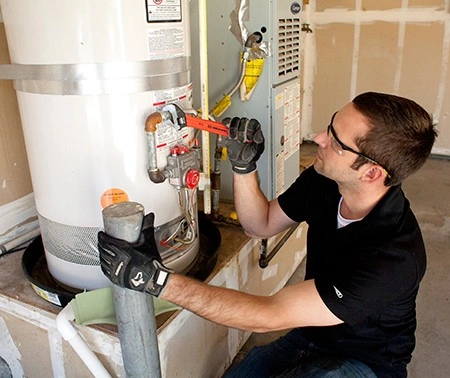
The Installation and Replacement Process
If a new unit is required, the installation process is handled with precision to ensure safety and code compliance. Improper installation is the leading cause of early water heater failure and can pose serious risks, particularly with gas line connections or electrical wiring. A professional installation follows a strict protocol to ensure your home is protected and the manufacturer’s warranty remains valid.
The installation workflow adheres to the following steps:
- Sizing and Selection: Before any tools are used, the demand of the household is calculated. This involves determining the "First Hour Rating" required to support your specific usage—accounting for the number of bathrooms, simultaneous appliance usage, and family size.
- Site Preparation and Safety Shutoffs: The area is prepped to prevent water damage. Gas lines or circuit breakers are shut off, and the incoming water supply is isolated.
- Safe Draining and Removal: The old tank is drained completely. This can be time-consuming if sediment has clogged the drain valve, requiring specialized pumps to remove the water. The old unit is then disconnected and hauled away for proper disposal.
- Positioning and Connection: The new unit is positioned in a drain pan (if required or recommended). Water lines are reconnected, often using dielectric unions to prevent galvanic corrosion between dissimilar metals (like copper pipes and steel tanks).
- Utility Connections:
- For gas units, the gas line is connected using a sediment trap (drip leg) to catch debris before it enters the heater’s control valve. Venting is inspected to ensure carbon monoxide is properly exhausted outside the home.
- For electric units, the wiring is connected and grounded according to the National Electrical Code (NEC).
- Filling and Testing: The tank is filled with water before the power or gas is turned on to prevent "dry firing," which can instantly destroy heating elements. The system is then fired up, and technicians verify the water temperature and check for any leaks at connection points.
- Cleanup and Walkthrough: The work area is cleaned, and the operation of the new unit is explained, including how to adjust the temperature and how to check the status light on the gas valve.
Determining When to Repair vs. Replace
Deciding between repairing a current unit or investing in a new one is a common dilemma. While repairs are often cheaper upfront, pouring money into a failing system can be more expensive in the long run. There are clear indicators that shift the decision from repair to replacement.
Repair is generally the right choice when:
- The Unit is Under 6 Years Old: Most water heaters have a lifespan of 8 to 12 years. If the unit is relatively new, the warranty likely covers parts, making repair cost-effective.
- The Issue is a Single Component: If a thermostat, heating element, or thermocouple fails, these are routine fixes that do not compromise the integrity of the tank itself.
- Maintenance Has Been Regular: If the unit has been flushed annually and the anode rod replaced, it likely has years of life left.
Replacement is the smarter financial move when:
- The Tank is Leaking: If water is pooling around the bottom due to a crack in the steel tank, there is no repair. The tank has corroded through, and replacement is the only option to prevent catastrophic water damage.
- The Unit is Over 10 Years Old: Once a unit passes the decade mark, efficiency drops drastically, and the risk of leaks increases. All Day Comfort Heating and Cooling LLC recommends proactive replacement for units in this age range to avoid emergency failures.
- Recurring Repairs: If you are calling for service more than once a year, the cost of repairs will quickly exceed the cost of a new, more efficient unit.
- Visible Rust in Water: If hot water comes out brown or rusty, but cold water is clear, the inside of the tank is rusting. This signals impending failure.
- Insufficient Capacity: If your family has grown or you have added a bathroom, an old 40-gallon tank may simply not be able to keep up. upgrading to a 50-gallon or a tankless system provides the necessary volume.
Regional Considerations and Code Compliance
Operating a water heater in Grain Valley involves specific regional factors that influence performance and installation requirements. Understanding these local nuances ensures that the system you install is capable of handling the environment.
Hard Water Impact
This region often deals with moderate to hard water. Hard water contains high levels of dissolved minerals like calcium and magnesium. When water is heated, these minerals precipitate out and form scale (sediment) at the bottom of the tank.
- This sediment acts as an insulator between the burner/element and the water, forcing the heater to run longer to heat the water.
- Overheating caused by sediment can crack the glass lining of the tank.
- Local residents must prioritize annual flushing and frequent anode rod inspections to combat this aggressive corrosion.
Seasonal Temperature Swings
The groundwater temperature in Missouri can swing from the low 40s in winter to the 70s in summer.
- In winter, your water heater requires significantly more energy to raise the incoming water to 120°F.
- An undersized unit that performs well in July may fail to provide enough hot water in January. Proper sizing calculations must account for this winter "temperature rise" requirement.
Permits and Utility Rebates
Local building codes dictate specific requirements for water heater installations to ensure public safety.
- Permits: Most water heater replacements require a permit to ensure the gas piping and venting meet safety standards. Professional installers handle this administrative burden.
- Expansion Tanks: Local codes often require the installation of a thermal expansion tank. This small tank absorbs the pressure created when water heats and expands, protecting your plumbing pipes and the water heater itself from pressure spikes.
- Rebates: Utility providers, such as Missouri Gas Energy (Spire), frequently offer rebates for installing high-efficiency gas water heaters. Professional service providers can help identify which ENERGY STAR® rated models qualify for these financial incentives, effectively lowering the total cost of ownership.
Why Professional Service Matters
Water heaters are powerful appliances that combine high pressure, scalding water, and either combustible gas or high-voltage electricity. The risks associated with amateur repair attempts are substantial. A gas leak from an improper connection can lead to fire or health hazards, while an improperly grounded electric heater poses a shock risk.
Furthermore, manufacturer warranties almost always require proof of professional installation. DIY repairs or installations by unlicensed handy-workers can void these warranties instantly, leaving you responsible for the full cost of future problems.
Professional technicians bring fully stocked trucks to the site, allowing them to address almost any standard problem immediately without waiting for parts. They carry the correct testing equipment to diagnose issues that are invisible to the naked eye, such as minute gas leaks or slight electrical grounding faults.
Ensuring Long-Term Efficiency and Comfort
Beyond the immediate fix, the goal of professional water heater service is to optimize your home's energy efficiency. Modern water heaters are significantly more efficient than models from 10 or 15 years ago. Whether you choose a standard atmospheric vent tank or a high-efficiency power vent model, proper installation is key to realizing those energy savings.
For homeowners considering a transition to tankless technology, the assessment becomes even more critical. Tankless units require larger gas lines and dedicated venting. A professional assessment will determine if your home’s infrastructure can support a tankless upgrade and if the return on investment justifies the installation cost based on your usage patterns.
Routine maintenance plans are also a vital part of the service offering. By scheduling annual check-ups, you can extend the life of your water heater, maintain water pressure, and ensure that the safety mechanisms are always functional. This proactive approach prevents the panic of waking up to an ice-cold shower on a freezing winter morning.
Secure Your Home’s Hot Water Supply Today
Don't wait for a small leak to turn into a flooded basement or for a lukewarm shower to turn freezing. Addressing water heater issues early saves money, protects your home, and ensures consistent comfort for your family. All Day Comfort Heating and Cooling LLC is ready to provide the expertise and rapid service required to get your system back on track.
Ensure your home has reliable hot water year-round. Schedule your comprehensive water heater inspection or replacement service today.
Contact Us
customer reviews
Areas We Serve




Copyright © 2026 All Day Comfort Heating and Cooling.
All rights reserved.
