




Water Heater Installation in Grain Valley, MO
Need a water heater installed quickly in Grain Valley, MO? Experience same-day service, upfront pricing, and expert installation. Call us today!
Need Quick Water Heater Installation?
Dealing with a failing water heater or a sudden leak disrupts your entire routine and risks water damage to your home in Grain Valley, MO. Contact us now to schedule an immediate assessment or discuss financing options for your replacement.
All Day Comfort Heating and Cooling LLC provides fast, reliable installation services that bring back your hot water without delay. We understand that water heater failure often happens at the most inconvenient times, requiring a swift and professional response to restore sanitation and comfort to your household.
- Experience same-day water heater installation to get your routine back on track quickly.
- Professional installation ensures your new system is efficient, safe, and up to code.
- Transparent pricing with no hidden fees – know what you’re paying upfront.
We handle all necessary permits and offer warranties for your peace of mind.
What You Get With Professional Installation
Choosing the right water heater involves more than just swapping out one metal tank for another. Modern units offer varying levels of efficiency, recovery rates, and fuel types that must be matched to your home’s infrastructure and your family’s usage patterns. When you schedule a professional installation, the service encompasses the complete lifecycle of the replacement, ensuring your new unit operates at peak performance immediately.
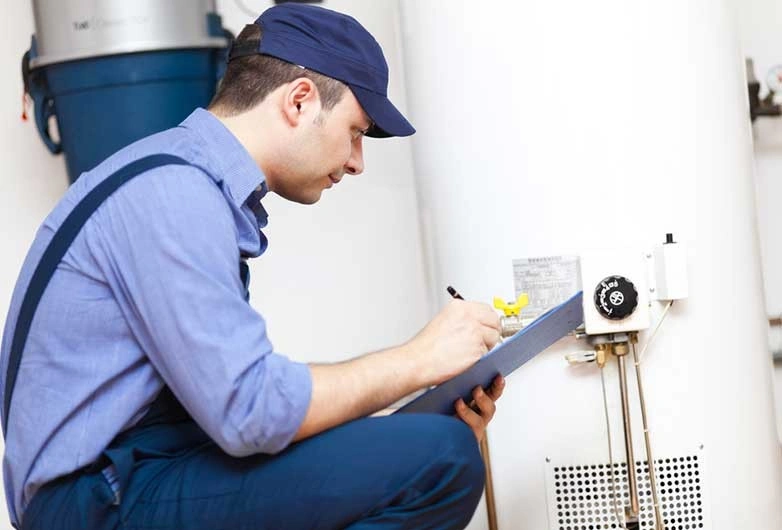
Comprehensive Site Assessment and Sizing
An improperly sized water heater leads to two scenarios: running out of hot water constantly or paying to heat water you never use. A professional assessment calculates your "peak hour demand"—the time of day when you use the most hot water—rather than just looking at the gallon capacity. This calculation accounts for the number of bathrooms, the presence of high-flow fixtures, and the number of occupants in the home.
The assessment also covers the physical space and utility connections. We verify that gas lines are sized correctly for the BTU input of the new unit, or that the electrical panel has sufficient amperage for an electric or hybrid heat pump model. In older Grain Valley homes, existing venting systems must be inspected to ensure they meet current safety standards for carbon monoxide exhaust.
Complete Removal and Disposal
Replacing a water heater is a heavy, cumbersome job. A standard 50-gallon tank can weigh nearly 150 pounds when empty, and significantly more if sediment has built up over years of use. The service includes draining the old unit safely, disconnecting plumbing and fuel lines without damaging surrounding infrastructure, and hauling the old unit away. You do not need to worry about disposal fees or transporting the discarded appliance to a recycling facility; the workspace is left clean and debris-free.
Hardware and Safety Upgrades
Installation includes all necessary components to bring the system up to current building codes. This often involves replacing old gate valves with reliable ball valves, installing new dielectric unions to prevent galvanic corrosion between dissimilar metals, and fitting a new temperature and pressure relief valve. If your home operates on a closed-loop plumbing system—common in areas with backflow preventers—we install a thermal expansion tank to absorb pressure fluctuations and protect the heater’s glass lining.
How The Installation Process Works
A structured installation process minimizes downtime and ensures the longevity of your investment. We follow a strict protocol to guarantee that every connection is secure and every safety mechanism is functioning correctly.
- System Selection
The process begins with selecting the unit that best fits your needs. Options range from standard atmospheric vent gas models and electric tanks to high-efficiency power vent units and tankless systems. We guide you through the Uniform Energy Factor (UEF) ratings to identify units that qualify for potential utility rebates and offer long-term energy savings.
- Safe Disconnection
Technicians shut off the water supply, gas supply, or electrical breaker dedicated to the water heater. The tank is drained completely using a hose directed to a floor drain or exterior location. Special care is taken to minimize air pockets in the lines and prevent water spillage in your mechanical room or basement.
- Positioning and Connection
The new unit is positioned in a drain pan to protect against future leaks. We level the unit to ensure proper operation of internal components. Cold water inlets and hot water outlets are connected using code-compliant piping materials. For gas units, the flue is connected to the chimney or vent system with the required clearance from combustible materials.
- Safety Checks and Commissioning
Once physically connected, the system is filled with water. We open a hot water tap in the house to purge air from the tank and lines, preventing "dry firing" which can destroy heating elements instantly. Gas connections are leak-tested using electronic sniffers or bubble solution. The pilot light is lit, or the ignition system is engaged, and the thermostat is set to a safe temperature (typically 120°F) to prevent scalding while maximizing efficiency.
Repair vs. Replace: Making the Right Decision
Homeowners often struggle to decide whether to patch up an existing unit or invest in a new one. While repairs can resolve minor issues like a faulty thermocouple or a burnt-out heating element, certain symptoms indicate that the unit has reached the end of its service life.
The 50% Rule and Age Factor
A general rule of thumb regarding appliance repair is that if the repair cost approaches 50% of the cost of a new unit, replacement is the smarter financial move. Additionally, age is a primary determinant. Most traditional tank water heaters have a lifespan of 8 to 12 years. If your unit is in this age range and requires a significant repair, replacing it eliminates the risk of throwing good money after bad.
Irreparable Failure Signals
- Leaking Tank: If water is pooling around the base of the heater and the source is the tank itself (not a loose valve), the internal glass lining has cracked. This is non-repairable and requires immediate replacement to prevent flooding.
- Rusty Water: Discolored hot water suggests the anode rod has depleted and the steel tank has begun to rust from the inside out. Once corrosion sets in, tank failure is imminent.
- Severe Sediment Buildup: In areas with hard water, sediment accumulates at the bottom of the tank. If the tank makes loud popping or rumbling noises (kettling), the sediment layer has hardened. This creates an insulating barrier between the heat source and the water, causing the tank to overheat and eventually fail.
All Day Comfort Heating and Cooling LLC can evaluate the condition of your current unit to provide an honest recommendation on whether a repair is viable or if a new installation is necessary for reliability.
Tank vs. Tankless: Choosing Your System
The choice between a traditional storage tank and a tankless (on-demand) system depends on your budget, household size, and patience for maintenance.
Traditional Storage Tank
- How it works: Stores 40 to 80 gallons of water and keeps it hot 24/7.
- Pros: Lower upfront installation cost; simpler replacement process if swapping like-for-like; high flow rate capability for running multiple showers simultaneously.
- Cons: Higher standby energy losses (heating water you aren't using); limited supply (can run out of hot water); takes up more physical space.
- Best for: Homes with high simultaneous usage demands or where upfront budget is the primary concern.
Tankless Water Heaters
- How it works: Heats water instantly as it passes through a heat exchanger, only when a tap is turned on.
- Pros: Endless hot water supply; lower energy bills (no standby loss); wall-mounted design saves floor space; longer lifespan (20+ years).
- Cons: Higher initial cost for unit and installation; may require gas line upgrades or dedicated electrical circuits; requires annual descaling maintenance.
- Best for: Large families who constantly run out of hot water, or homeowners looking to maximize energy efficiency and floor space.
Local Factors Affecting Installation in Grain Valley
Installing a water heater in this region requires specific attention to environmental factors and local regulations. The local climate and infrastructure influence how systems are configured and maintained.
Water Quality and Sediment Management
The mineral content in the local water supply dictates the maintenance schedule for your water heater. Hard water accelerates the depletion of the sacrificial anode rod—a magnesium or aluminum core designed to corrode so your tank doesn't. We recommend checking the anode rod every two to three years. For tankless units, hard water necessitates annual flushing with a vinegar solution to prevent scale buildup on the heat exchanger.
Climate and Inlet Temperature
Missouri winters bring freezing temperatures, which cause the groundwater temperature to drop significantly. This means your water heater must work harder to raise the water from 40°F to 120°F compared to summer months. This temperature delta is crucial when sizing tankless units; a unit that performs well in July might struggle to keep up with flow rates in January. We ensure your unit is sized based on winter groundwater temperatures to guarantee consistent comfort year-round.
Permits and Code Compliance
Modifying gas lines, venting, or electrical circuits typically requires adherence to local building codes. These regulations are in place to prevent carbon monoxide poisoning and fire hazards. Installations often require a dedicated shut-off valve within sight of the unit, specific venting clearances, and seismic strapping in some contexts. We manage the compliance aspect, ensuring the installation passes any required municipal inspections.
Why Professional Installation Matters
Attempting a DIY installation or hiring an unlicensed handyman poses significant risks. Water heaters combine water, high pressure, combustible gas or high-voltage electricity in a single appliance. A minor error in venting can lead to carbon monoxide backdrafting into the home, while a poor plumbing connection can cause thousands of dollars in water damage.
Warranty Protection
Manufacturers strictly enforce warranty terms. Most warranties require proof of installation by a licensed professional to remain valid. If a component fails within the warranty period, having a professional installation record ensures the manufacturer honors the claim. We stand behind our workmanship, providing you with a layer of protection that DIY installations cannot offer.
Safety Verification
Our technicians utilize specialized tools to verify the integrity of the installation. This includes manometer testing for gas pressure, multimeter testing for electrical continuity, and draft interference testing for atmospheric vents. These diagnostic steps confirm that the unit is operating safely within the manufacturer’s specifications.
Restore Your Hot Water Today
You rely on hot water for cleaning, cooking, and bathing every single day. When that system falters, you need a solution that is fast, transparent, and technically sound. We provide the expertise needed to select the right unit for your home and the skill to install it correctly the first time.
From removing your old, leaking tank to calibrating your new high-efficiency system, we handle every step of the process. Don't let cold showers become your new normal. Trust All Day Comfort Heating and Cooling LLC to restore reliability to your home’s plumbing system.
Call us today to schedule your water heater installation and enjoy consistent hot water immediately.
Contact Us
customer reviews
Areas We Serve




Copyright © 2026 All Day Comfort Heating and Cooling.
All rights reserved.
