




Emergency HVAC in Olathe KS
Immediate emergency HVAC service in Olathe. Contact us for rapid repairs and restore your comfort today. Same-day, transparent, and reliable solutions available.
Unexpected Heating or Cooling Failure Disrupting Your Comfort?
Facing unexpected HVAC breakdowns in Olathe can disrupt your comfort and safety, especially during extreme weather shifts. Contact us immediately for emergency dispatch or to inquire about our financing options. At All Day Comfort Heating and Cooling LLC, we provide fast and reliable emergency repairs to restore your system and peace of mind. We understand that a furnace failure in January or an AC outage in July isn't just an inconvenience; it is a situation that requires urgent professional attention.
- Immediate dispatch and same-day service to tackle your HVAC emergencies.
- Certified technicians equipped to handle all major HVAC system brands.
- Transparent pricing with no hidden fees, even during emergency calls.
Licensed and insured for your protection, with available financing options to manage unexpected costs.
Immediate Response for Urgent HVAC Situations
When your climate control system fails, time is the most critical factor. Homeowners in Olathe need a service provider who understands the difference between a routine maintenance check and a genuine emergency. An emergency situation typically involves a complete loss of heat during freezing temperatures, a total system failure during a heatwave, a gas leak smell, or loud, dangerous noises emitting from the unit. Our approach focuses on rapid mobilization to mitigate damage to your home and restore safe internal temperatures.
Upon receiving an emergency service request, the priority is assessing the severity of the issue and dispatching a fully stocked vehicle to the site. The goal is to resolve the issue in a single visit whenever possible. Technicians arrive with a wide inventory of universal parts, including capacitors, contactors, igniters, and blower motors. This preparation reduces the need for supply house runs and gets your system running faster.
Homeowners should expect a clear communication line regarding arrival times. You are not left guessing when help will arrive. Once on-site, the focus shifts immediately to diagnostics. Using advanced testing equipment, technicians isolate the root cause of the failure—whether it is an electrical short, a refrigerant leak, or a mechanical seizure. This diagnostic phase is swift but thorough, ensuring that the repair addresses the underlying issue rather than just a symptom.
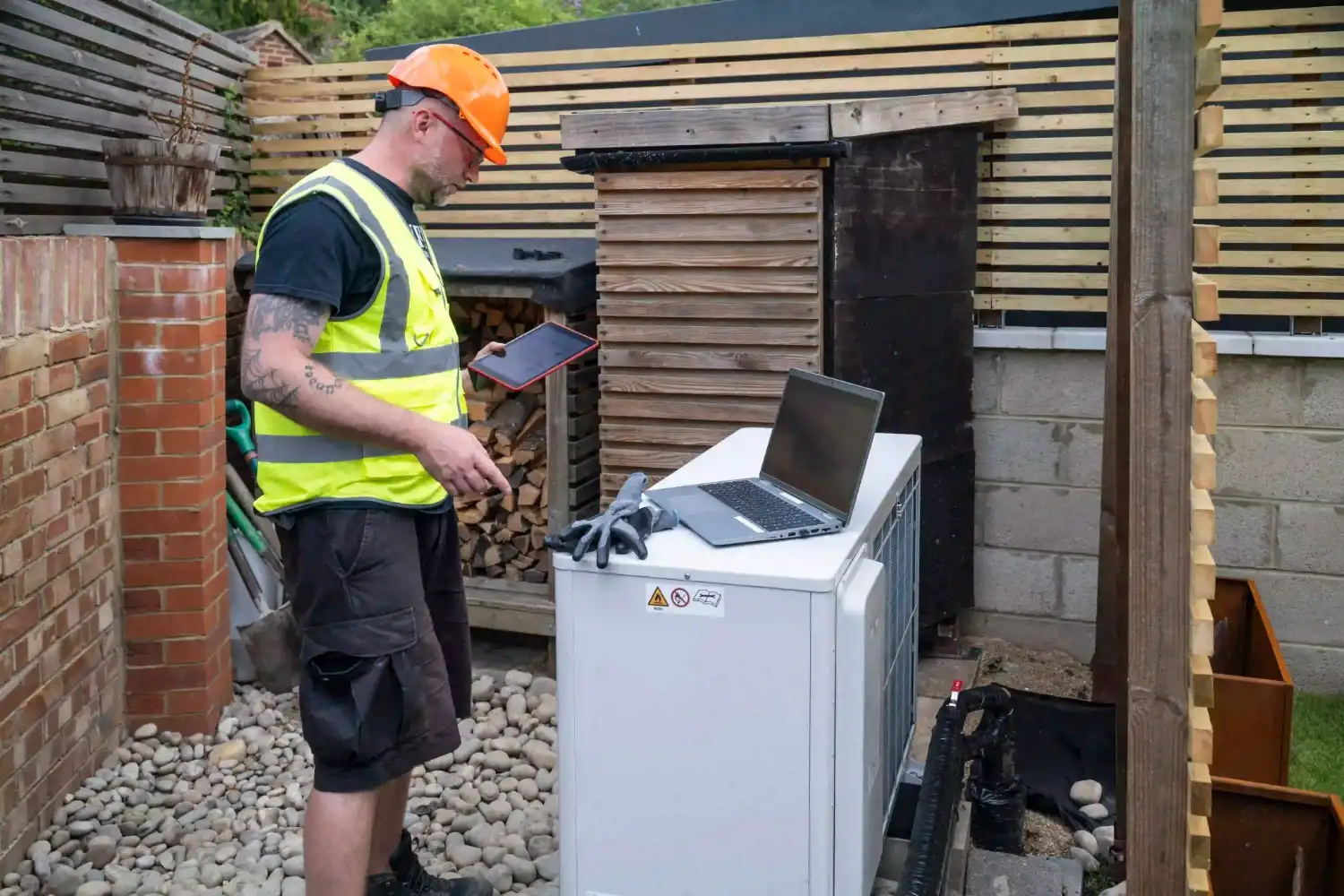
The Emergency Repair and Restoration Process
Navigating an HVAC emergency requires a structured process to ensure safety and efficiency. We utilize a systematic approach to troubleshooting that eliminates guesswork and provides you with concrete solutions.
- First, the technician performs a safety inspection to identify immediate hazards such as gas leaks, carbon monoxide presence, or exposed high-voltage wiring.
- Next, a comprehensive system diagnostic is conducted to pinpoint the failed component, checking pressure levels, electrical readings, and airflow restrictions.
- Following the diagnosis, you receive a detailed explanation of the problem and a transparent quote for the necessary repairs before any work begins.
- Once approved, the technician proceeds with the repair, removing faulty parts and installing high-quality replacements tailored to your specific system specifications.
- Finally, the system undergoes a full operational cycle test to verify that the repair holds and that the unit is cycling correctly, ensuring the temperature in your home begins to stabilize immediately.
This methodical process ensures that nothing is overlooked. By adhering to strict protocols, we prevent callbacks and ensure that the fix applied during the emergency visit is durable and reliable.
Determining When to Repair vs. When to Replace
In emergency situations, the pressure to make a quick decision is high. However, making the right choice between repairing the existing unit and investing in a replacement is financial and practical. There are specific criteria used to help homeowners make this decision objectively.
One of the primary factors is the "50% Rule." If the cost of the emergency repair approaches or exceeds 50% of the cost of a new system, replacement is generally the more economically sound option. This is particularly true for aging systems that are out of warranty. Dumping money into a compressor replacement for a 15-year-old condenser often leads to diminishing returns, as other components are likely to fail soon after.
Age and refrigerant type also play a massive role. If your air conditioner utilizes R-22 refrigerant (Freon), which has been phased out, repair costs for leaks can be exorbitant. In these cases, a retrofit or replacement is often necessary because the refrigerant is no longer manufactured. Similarly, for furnaces, the condition of the heat exchanger is non-negotiable. If a heat exchanger is cracked, it poses a carbon monoxide risk. This component cannot be safely repaired; the furnace must be replaced to ensure the safety of the household.
Technicians provide data-driven advice based on the efficiency rating (SEER or AFUE) of your current unit compared to modern standards. Upgrading during a breakdown is never ideal timing, but it can lead to significant energy savings that offset the initial investment over time.
Local Climate Factors and System Performance
Operating an HVAC system in this region presents unique challenges due to the distinct seasonality. The climate here swings from sub-freezing winters to humid, sweltering summers, placing immense strain on residential heating and cooling equipment.
- Winter temperatures can drop to an average of 20°F in January, meaning furnaces must run for extended cycles to maintain indoor warmth.
- Heavy snowfall, often between 15-20 inches annually, can block exhaust vents or smother outdoor heat pump units, leading to system lockouts or safety shutdowns.
- Summer humidity combined with highs around 90°F forces air conditioners to work double-time, not just to cool the air but to dehumidify it.
These environmental factors mean that systems in Olathe are susceptible to specific types of failure. Transitions between seasons—when you switch from heat to cool or vice versa—are the most common times for breakdowns to occur. Systems that have sat dormant for months are suddenly pushed to maximum capacity.
Furthermore, local utility providers like KCP&L (Evergy) may have specific requirements or rebate programs for high-efficiency installations. Understanding local building codes and permit requirements is also essential if a replacement is needed. Professional service ensures that all work complies with local ordinances, preventing future legal or resale issues for your home.
Common Emergency Triggers and Technical Failures
Understanding what causes an emergency breakdown can help you communicate effectively with the technician. Most emergency calls stem from a lack of maintenance that culminates in a sudden failure under stress.
Electrical Component Failure:
Capacitors and contactors are the workhorses of the electrical side of your HVAC system. A capacitor stores energy to start the compressor and fan motors. In high heat, these components can overheat and bulge or burst. If a capacitor fails, the motor it serves cannot start, often resulting in a humming noise followed by the system tripping the breaker.
Refrigerant Leaks:
A system low on refrigerant cannot absorb or release heat effectively. This often manifests as ice building up on the evaporator coil (inside) or the condenser unit (outside). Continuing to run a frozen system can destroy the compressor. Leaks can occur due to vibration, corrosion, or physical damage to the line set.
Ignition Control Issues:
For furnaces, ignition failure is a top reason for "no heat" calls. Modern furnaces use hot surface igniters or spark igniters rather than standing pilot lights. These electronic components are fragile and have a finite lifespan. If the flame sensor becomes dirty or the igniter cracks, the furnace will lock itself out as a safety precaution to prevent gas accumulation.
Drainage Blockages:
In the summer, your AC removes gallons of water from the air. If the condensate drain line becomes clogged with algae or debris, water can back up. Modern systems have float switches that cut power to the unit to prevent water damage to your home. This results in a sudden system shutdown that requires clearing the line and resetting the safety switch.
Why Professional Diagnosis Is Non-Negotiable
In the age of online tutorials, some homeowners attempt to diagnose or repair HVAC issues themselves. During an emergency, this approach is fraught with risk. HVAC systems involve high-voltage electricity, natural gas, high-pressure refrigerants, and combustion gases. Mishandling any of these elements can lead to injury, property damage, or voiding of manufacturer warranties.
All Day Comfort Heating and Cooling LLC employs technicians who are trained to look beyond the obvious symptom. A blown fuse is rarely just a blown fuse; it is usually a symptom of a short circuit or an over-amping motor. Replacing the fuse without fixing the motor will only result in another failure. Professional tools, such as manometers for gas pressure and multimeters for electrical resistance, provide the accuracy needed to ensure a repair is safe.
Additionally, warranty preservation is a key consideration. Most equipment manufacturers require proof of professional service to honor parts warranties. DIY repairs often leave no paper trail, meaning if a major component fails later, you may be liable for the full replacement cost.
Preparing for the Technician’s Arrival
To facilitate a swift repair, there are steps homeowners can take while waiting for the technician to arrive.
- Clear the area around the thermostat, the indoor unit (furnace/air handler), and the outdoor unit (condenser). Obstacles slow down the diagnostic process.
- Secure pets in a separate room. Technicians need to move freely in and out of the home, often carrying heavy tools and parts.
- Locate any service records or manuals you have for the system. Knowing the age and service history can help the technician diagnose the issue faster.
- Check your breaker panel to see if a switch has tripped. While you should not reset it repeatedly, letting the technician know if it was tripped provides a valuable clue.
- If the system is frozen (covered in ice), turn the thermostat to "Fan Only" or "Off." The technician cannot service a frozen unit until it thaws, so starting this process early saves time.
Post-Repair Reliability and Maintenance
Once the emergency is resolved, the focus shifts to preventing a recurrence. Emergency repairs fix the immediate problem, but they do not always address the general wear and tear of the system. We recommend a follow-up assessment to check the overall health of the unit once the crisis has passed.
Regular maintenance is the only proven way to reduce the risk of emergency breakdowns. Seasonal tune-ups ensure that capacitors are within range, flame sensors are clean, and refrigerant levels are optimal. This proactive approach catches small issues before they evolve into system-crippling failures during extreme weather.
Get Immediate HVAC Help from Trusted Local Kansas Experts
Trusting a local provider like All Day Comfort Heating and Cooling LLC means you get support that understands the specific demands of the Kansas climate. Whether it is ensuring your heat exchanger can handle the bitter January cold or your condenser is ready for the July humidity, local expertise is invaluable.
If you are currently experiencing a system failure, do not wait for the temperature inside your home to become dangerous. Quick action minimizes damage to the unit and restores comfort to your living space.
Restore your home's comfort immediately—contact us now for emergency HVAC service.
Contact Us
customer reviews
Areas We Serve




Copyright © 2026 All Day Comfort Heating and Cooling.
All rights reserved.
