




AC Installation in Olathe, KS
Struggling with a failing AC during Olathe's summer heat? Secure expert installation and enjoy peace of mind with our reliable, efficient cooling solutions. Schedule today.
Is Your Cooling System Failing to Keep Up with Summer Heat?
When the humidity spikes and temperatures soar, a malfunctioning air conditioner transforms your home from a sanctuary into a sauna, putting your comfort and safety at risk. If your current system is blowing warm air or refusing to turn on, you need immediate professional assistance to restore a livable environment. Contact us today to schedule your consultation or discuss flexible financing options.
Homeowners in Olathe know that summer weather is unpredictable and frequently severe. Waiting days for an appointment during a heatwave is not an option when your family’s comfort is on the line. All Day Comfort Heating and Cooling LLC provides the expertise required to assess your cooling needs and implement a lasting solution quickly. Whether you are upgrading an aging unit or installing a system for the first time, the focus remains on efficiency, longevity, and immediate relief from the heat.
- Experience rapid relief with installation services designed to minimize downtime.
- Enjoy peace of mind with extensive manufacturer warranties and fully licensed technicians.
- Maximize monthly savings with high-efficiency units and affordable financing options.
All installations comply strictly with local codes, ensuring your setup meets all safety and legal standards for operation in the region.
Comprehensive Cooling System Installation Services
Investing in a new air conditioning system is about more than just buying a unit; it is about securing a comprehensive installation service that guarantees performance for years to come. Modern cooling technology has advanced significantly, offering features that reduce energy consumption while improving indoor air quality. When you schedule an installation, you receive a complete overhaul of your home’s cooling infrastructure designed to handle the specific atmospheric demands of Kansas summers.
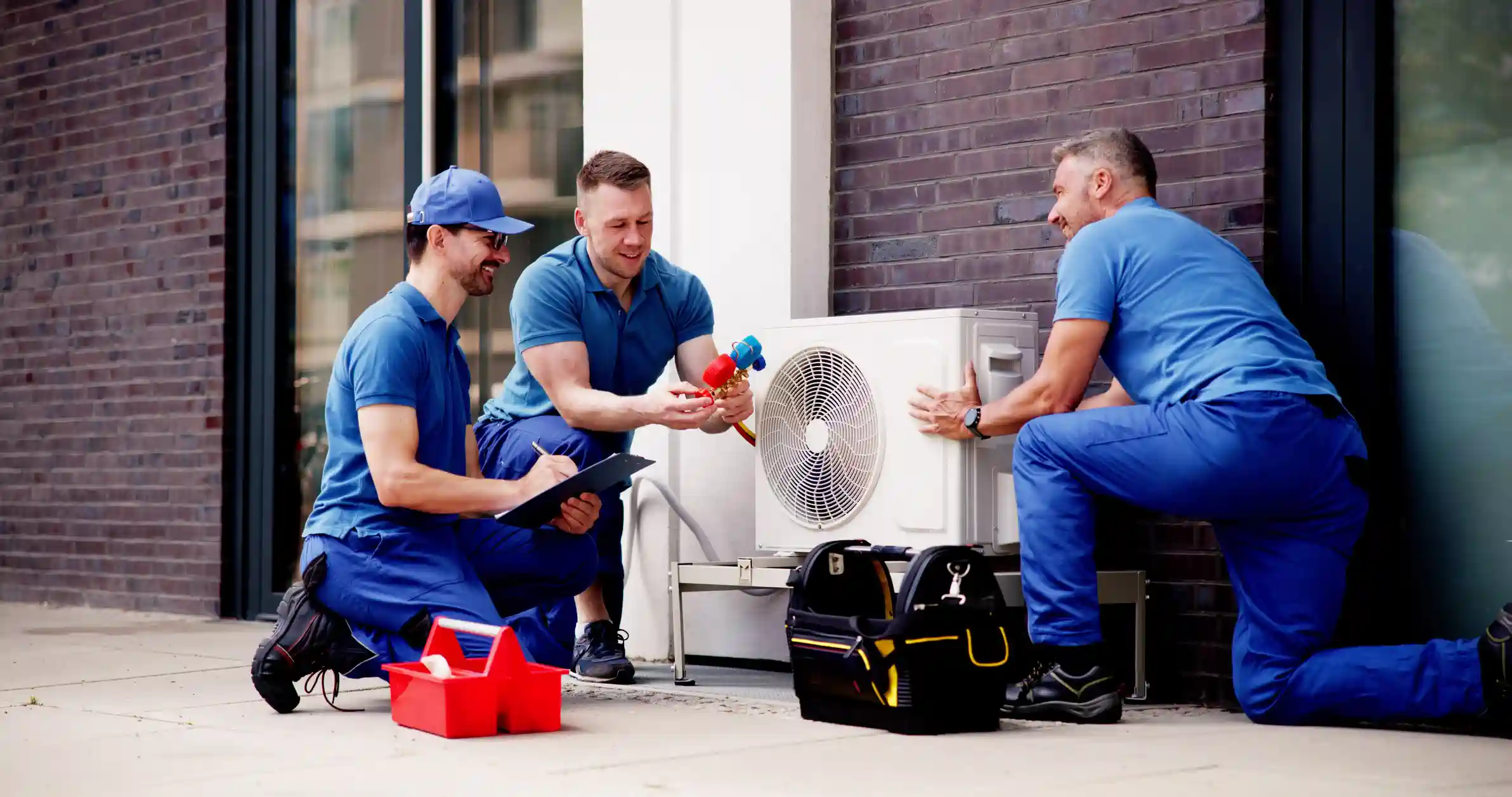
Accurate Load Calculation and Sizing
One of the most critical aspects of AC installation is ensuring the unit is correctly sized for the property. An undersized unit runs constantly, failing to cool the space, while an oversized unit cycles on and off too frequently, leading to humidity issues and premature wear.
- Manual J-load Calculation: Technicians perform a manual J-load calculation to determine the exact cooling requirements based on square footage, insulation levels, and window orientation.
- Efficiency: This ensures the selected unit operates at peak efficiency, removing humidity effectively without wasting energy.
- Longevity: Proper sizing extends the lifespan of the equipment by preventing short-cycling.
Equipment Selection and Energy Efficiency
Selecting the right equipment involves navigating SEER2 (Seasonal Energy Efficiency Ratio) ratings and understanding the benefits of variable-speed technology.
- Energy Usage: Higher SEER2 ratings indicate lower energy usage for the same amount of cooling, translating to lower utility bills.
- Consistent Comfort: Two-stage and variable-speed compressors allow the AC to run at lower capacities on milder days, maintaining a consistent temperature without the energy spikes of single-stage units.
- Smart Controls: Options often include smart thermostat integration, allowing for precise temperature control from mobile devices.
Ductwork Inspection and Modification
Even the best AC unit cannot perform well if the ductwork is compromised. Air leaks in the duct system can lead to a 30% loss of conditioned air before it ever reaches your living rooms.
- Thorough Review: The installation process includes a thorough review of existing ductwork to identify leaks, disconnects, or areas of poor airflow.
- Modifications: Modifications are made to the plenum and transition ducts to ensure seamless airflow between the new unit and the existing ventilation system.
- Sealing: Proper sealing techniques are utilized to prevent attic heat from entering the air stream.
Safety and Electrical Integration
Installing a central air conditioner requires significant electrical work. The system must be hardwired safely into the home’s electrical panel.
- Electrical Connections: Technicians replace the electrical disconnect box outside to ensure a safe, weather-resistant power connection.
- Refrigerant Lines: New refrigerant lines are installed or existing lines are flushed and pressure-tested to prevent leaks that damage the ozone and the compressor.
- Condensate Drain: Condensate drain lines are routed effectively to prevent water damage to the home’s foundation or basement.
Step-by-Step Guide to Your New AC Installation
Understanding the workflow of an AC installation helps homeowners prepare for the service and know exactly what to expect. This process is systematic, ensuring that no detail is overlooked and that the final result is a perfectly functioning climate control system.
Site Evaluation and Preparation
The process begins with a final site evaluation. Technicians protect the workspace by laying down drop cloths and wearing shoe covers to keep your home clean. The area around the outdoor condenser and indoor evaporator coil is cleared to allow for safe access.
Safe Removal of Existing Equipment
Before the old unit can be moved, the existing refrigerant must be recovered according to EPA regulations. Venting refrigerant into the atmosphere is illegal and harmful. Once the system is empty, the electrical power is disconnected, and the old condenser and indoor coil are physically removed from the premises.
Positioning the New Units
The new outdoor condenser requires a level, stable pad. If the existing pad is cracked or unleveled due to soil shifting in Olathe, it is replaced with a composite or concrete pad. Inside, the evaporator coil is fitted onto the furnace or air handler, ensuring a tight seal to prevent air leakage.
Line Set and Electrical Connection
Copper refrigerant lines are run between the indoor and outdoor units. These lines are brazed using nitrogen to prevent oxidation inside the pipes. High-voltage and low-voltage control wires are connected, linking the thermostat, furnace, and AC unit.
System Charging and Commissioning
Once the physical connections are made, the system is pressure-tested with nitrogen to check for leaks. A vacuum pump then removes all moisture and air from the lines. Finally, the specific amount of refrigerant required by the manufacturer is weighed in.
Final Testing and Walkthrough
The system is powered on and tested across all modes. Technicians measure temperature splits to verify cooling performance. A final walkthrough explains the operation of the new thermostat and maintenance requirements to the homeowner.
Deciding Between AC Repair and Replacement: A Quick Guide
Homeowners often struggle with the decision to repair a failing unit or invest in a full replacement. While repairs can be a quick fix, they are not always the most economic choice in the long run.
The Age of the System
Most central air conditioners have a lifespan of 10 to 15 years.
- Outdated Refrigerant: Units over 10 years old often use R-22, which is phased out and costly to replace.
- Efficiency Standards: Newer systems operate at higher SEER2 ratings, translating to better energy efficiency.
Frequency and Cost of Repairs
- 50% Rule: If a repair approaches 50% of the value of a new system, replacement is recommended.
- System Fatigue: Frequent breakdowns indicate the system is nearing the end of its lifespan.
Comfort and Humidity Control
- Temperature Consistency: An aging AC may struggle to maintain a consistent temperature across rooms.
- Dehumidification: Modern two-stage systems offer superior humidity control, essential for comfort in humid months.
Energy Bills
- Efficiency Savings: A sudden spike in energy bills indicates the AC is working harder. Replacing an inefficient unit can reduce cooling costs by 20% to 40%.
Understanding Local Climate and Installation Permits
Installing an air conditioner requires adherence to regional building codes and consideration of the local climate's impact on HVAC systems.
Handling Humidity and Temperature Swings
- Humid Summers: High humidity forces the AC to work harder.
- Proper Drainage: Robust drainage systems with safety float switches prevent overflow damage.
Permitting and Code Compliance
- Permit Acquisition: Professional installers handle mechanical and electrical permit applications.
- Inspections: Third-party city inspectors verify code compliance.
- Refrigerant Safety: Compliance with federal and local regulations ensures environmental and household safety.
Winter Considerations
- Elevation of Outdoor Units: Prevents snow accumulation and corrosion.
- Insulation of Lines: Protects exterior lines from freeze-thaw cycles.
Why Trust Expert Technicians for Your Cooling Needs
The quality of the installation is as important as the brand of the unit. Proper installation ensures your investment is protected and your home remains comfortable.
Technical Certification and Training
- Advanced Training: Technicians understand thermodynamics, electrical safety, and airflow dynamics.
- Proper Commissioning: Adjusting fan speeds and gas pressures differentiates a professional installation from a basic setup.
Warranty Protection and Documentation
- Manufacturer Compliance: Professional installation maintains warranty validity.
- Labor Warranties: Provide coverage for adjustments needed in the first year.
- Installation Records: Load calculations and permit approvals are provided for your records.
Respect for Property and Cleanliness
- Cleanup: Old equipment and debris are removed, leaving the area tidy.
- Communication: Clear timelines regarding power or water shutdowns are provided.
- Protective Measures: Technicians use protective gear to prevent damage to flooring and landscaping.
Long-Term Support
- Maintenance Plans: Seasonal tune-ups maintain efficiency ratings.
- Priority Service: Installation customers often receive priority during extreme weather events.
Call Now
Take the next step toward ultimate home comfort—contact All Day Comfort Heating and Cooling LLC today to schedule your consultation, explore financing options, and ensure your air conditioning system is ready to perform at its best all summer long. Learn more about our team on About Us and see what our customers say in reviews. Don’t wait for the heat to catch you off guard—secure reliable, efficient cooling for your home now.
Contact Us
customer reviews
Areas We Serve




Copyright © 2026 All Day Comfort Heating and Cooling.
All rights reserved.
