




Water Heater Installation in Olathe KS
Struggling with a malfunctioning water heater in Olathe? Call us for rapid, professional water heater installation and repair services. Experience prompt, reliable solutions tailored to your needs.
Is Your Water Heater Failing to Deliver Hot Water?
Waking up to an ice-cold shower or discovering a puddle around your utility closet is a stressful disruption to your daily routine. If your water heater is failing just when you need it most, you need immediate professional assistance to restore your home's comfort and hygiene. Contact us today to schedule an inspection or apply for financing to get your hot water running again.
All Day Comfort Heating and Cooling LLC understands that water heater issues in Olathe rarely happen at convenient times. Our team focuses on rapid response and technical precision to ensure you aren't left waiting for days.
- Experience prompt installation services with technicians ready to deploy to your location.
- Benefit from comprehensive manufacturer warranties and labor guarantees that protect your investment.
- Enjoy transparent, upfront pricing structures so you know exactly what the job entails before work begins.
All installations are performed in full compliance with local Olathe building codes and safety inspections, ensuring your peace of mind and the long-term safety of your home.
Immediate Help for Your Water Heating Problems
When hot water becomes inconsistent or disappears entirely, it affects everything from your morning shower to your ability to clean dishes and laundry. In our region, where winters can bring freezing temperatures, a functional water heater is not just a luxury; it is a necessity for keeping your home habitable. We provide decisive solutions for homeowners facing critical system failures.
You might be noticing specific warning signs that indicate your unit is reaching the end of its lifecycle. Perhaps the water takes too long to heat up, or it runs out much faster than it used to. You may hear rumbling or banging noises coming from the tank, indicating sediment buildup that hardens at the bottom of the unit. In more severe cases, you might see rust-colored water coming from your taps or moisture accumulation at the base of the heater.
All Day Comfort Heating and Cooling LLC specializes in diagnosing these symptoms accurately. We do not guess; we assess the age of your unit, the condition of the tank, and the functionality of the heating elements or burners. If the unit is beyond the point of a safe or cost-effective repair, we move quickly to discuss replacement options that align with your household’s usage patterns.
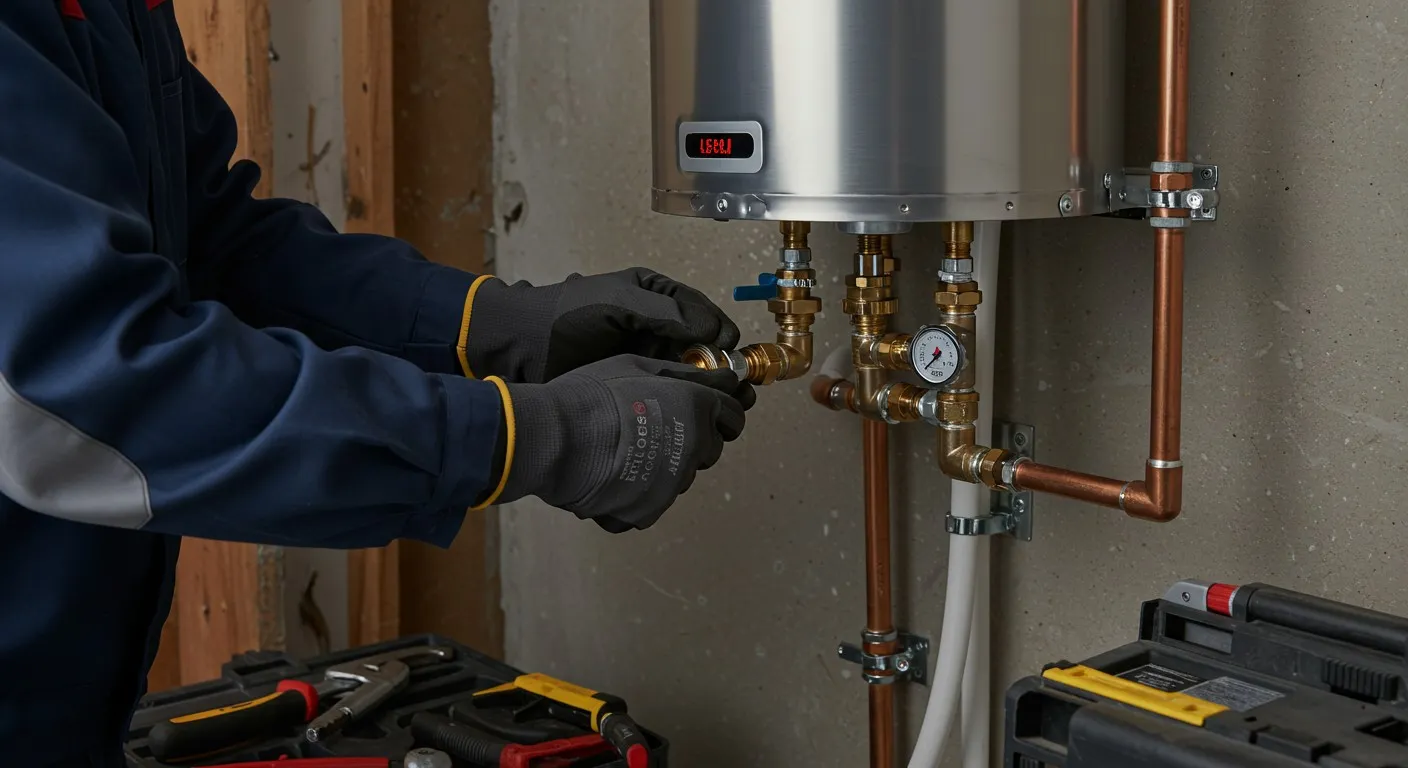
What to Expect with Your Installation
Choosing a new water heater involves more than just swapping out the old box for a new one. Modern standards and efficiency ratings have changed, meaning the unit you installed ten or fifteen years ago may not have a direct equivalent today without slight modifications to your setup. We guide you through the selection process to ensure the new system meets your capacity needs and energy goals.
Tank vs. Tankless Systems
Homeowners must decide between traditional tank-style heaters and tankless (on-demand) models.
- Tank Water Heaters: These store a specific volume of hot water (usually 40 to 50 gallons) and keep it heated constantly. They are generally less expensive upfront and are easier to install if you are replacing a similar existing unit. However, once the tank is empty, you must wait for it to recover.
- Tankless Water Heaters: These units heat water only when you turn on the tap. They offer an endless supply of hot water and are more energy-efficient since they do not suffer from standby heat loss. However, they often require upgrades to gas lines or electrical panels and have a higher initial installation cost.
Sizing and First Hour Rating
Size matters, but it is not just about physical dimensions. We look at the "First Hour Rating" (FHR), which calculates how much hot water the heater can deliver in a single hour of peak usage. If you have a large family in Olathe and multiple showers run simultaneously in the morning, an undersized unit will leave someone in the cold. We calculate your peak demand to recommend a unit that keeps up with your lifestyle.
Energy Efficiency and Fuel Type
Whether your home utilizes natural gas or electricity dictates the type of unit we install. We also consider the Energy Factor (EF) rating. Higher EF ratings mean the unit transfers heat more efficiently, resulting in lower monthly utility bills. We can also discuss hybrid electric heat pump water heaters, which pull heat from the surrounding air to warm the water, offering significant efficiency gains for electric-only homes.
Our Step-by-Step Water Heater Installation Process
A professional installation is critical for the longevity of the unit and the safety of your home. Improper installation can lead to water damage, gas leaks, or carbon monoxide hazards. Our process is rigorous and methodical, ensuring every connection is secure and code-compliant.
- Site Assessment and Safety Check:
We begin by inspecting the current setup. This includes checking the condition of the existing piping, the gas line or electrical circuit, and the venting system. We ensure the area is clear and safe for work.
- Draining and Disconnection:
To remove the old unit, we shut off the water and power supply. For tank systems, we attach a hose to the drain valve to empty the tank completely. This prevents water damage during removal. Once drained, we disconnect the water lines, gas or electric connections, and the flue pipe.
- Removal and Disposal:
Old water heaters are heavy and cumbersome. We carefully remove the old unit from your home, taking care not to damage floors or walls. We handle the disposal and recycling of the old unit so you do not have to worry about hauling it away.
- Positioning the New Unit:
The new water heater is positioned in a drain pan (if required or recommended) to protect against future leaks. We ensure the unit is level. In basements with uneven floors, we use shims to stabilize the tank, which is vital for proper operation and reducing noise.
- Making Connections:
We connect the cold water inlet and hot water outlet pipes. In many cases, we install dielectric unions to prevent galvanic corrosion between two different types of metal (like copper and galvanized steel), which extends the life of the pipes. We also install a new shut-off valve if the existing one is old or seized.
- Gas or Electrical Hookup:
For gas units, we connect the gas line and test extensively for leaks using detection solution or electronic sniffers. We also secure the venting system to ensure exhaust gases, including carbon monoxide, are safely expelled outside. For electric units, we wire the connections to the thermostat and heating elements, ensuring the circuit breaker is correctly sized.
- Installing Safety Mechanisms:
We install the Temperature and Pressure Relief (TPR) valve and a discharge tube. This is a critical safety feature that prevents the tank from exploding if pressure builds up too high. We also install an expansion tank if your home is on a closed plumbing system, which absorbs excess pressure created by thermal expansion.
- Filling and Testing:
We open the water supply to fill the tank, opening a hot water tap in the house to release trapped air. Once the tank is full, we restore power or light the pilot. We monitor the unit through a full heating cycle to ensure the thermostat is calibrated correctly and there are no leaks at any connection point.
Deciding Between Water Heater Repair and Replacement
Determining whether to repair a malfunctioning unit or invest in a new one is a common dilemma. While we are happy to perform repairs when they make financial sense, there are specific thresholds where replacement is the only logical choice.
When to Repair
- The Unit is Under 6 Years Old: If your water heater is relatively new, most components are likely still under warranty, and the tank itself should have plenty of life left.
- Minor Component Failure: Issues like a faulty thermocouple, a broken heating element, or a bad thermostat are generally inexpensive to fix compared to a full replacement.
- Pilot Light Issues: If a pilot light keeps going out, it is often a matter of cleaning the intake screen or replacing a small sensor.
When to Replace
- Leaking Tank: If the steel tank itself has cracked or rusted through, there is no repair. The unit must be replaced immediately to prevent flooding.
- Age Over 10-12 Years: Most traditional water heaters have a lifespan of 8 to 12 years. If your unit is in this age range and starts having problems, putting money into repairs is often a sunk cost. A new unit will be more efficient and reliable.
- Rusty Water: If the hot water is discolored but the cold water is clear, it suggests the anode rod has failed and the tank interior is corroding. This is usually a sign that failure is imminent.
- Repair Costs Exceed 50% of Replacement: If a major repair bill approaches half the cost of a new installation, the wiser financial move is to invest in a brand-new system with a fresh warranty.
Local Regulations and Standards for Water Heater Installation
In Olathe and the greater Kansas City metropolitan area, water heater installations are governed by specific building codes designed to ensure resident safety. This is not a "handyman" job; it requires adherence to strict regulations regarding fuel, water, and exhaust.
Permits and Inspections
Most water heater replacements require a building permit. This ensures that the installation is logged with the city and is subject to inspection. An inspector will verify that the work meets current safety codes. We handle the permitting process for you, ensuring that your installation is fully legal and documented. This is particularly important if you plan to sell your home in the future, as unpermitted work can be a red flag for buyers.
Venting Requirements
Gas water heaters must be vented properly to prevent carbon monoxide from entering the living space. Local codes dictate the size, material, and slope of the vent pipe. If you are upgrading from a standard atmospheric vent heater to a high-efficiency power-vent model, the venting configuration will likely need to change to PVC piping routed out the side of the home. We ensure all venting meets the strict requirements of local fuel gas codes.
Expansion Tanks
Many local jurisdictions now require the installation of a thermal expansion tank on the cold water inlet. This small tank absorbs the pressure increase that occurs when water heats up and expands. Without it, the fluctuating pressure can stress your plumbing joints and the water heater tank itself, leading to premature failure.
Drip Pans and Drains
If the water heater is located in a finished area or an upper floor where a leak could cause damage, local code typically mandates a drip pan under the unit with a drain line running to a suitable discharge point. We assess your home's layout to ensure these safeguards are in place.
Why Choose Us? Our Commitments to You
Selecting a service provider for major home systems is a decision based on trust and technical capability. We operate with a focused approach that prioritizes the homeowner's long-term comfort and safety over quick, transactional fixes.
- Licensed and Insured Professionals: Every technician on our team is fully trained, background-checked, and licensed to perform plumbing and HVAC work. We carry full insurance to protect your property during the installation process.
- Technical Expertise: We stay updated on the latest water heating technologies, from hybrid heat pumps to high-efficiency tankless systems. We can troubleshoot complex venting issues and navigate difficult installation scenarios that other companies might avoid.
- Respect for Your Home: We treat your property with care. Our technicians use drop cloths to protect flooring, wear shoe covers, and ensure the workspace is left cleaner than we found it. We remove all debris and the old unit, leaving you with nothing but a working system.
- Honest Communication: You will never be surprised by the final bill. We provide clear, written estimates before work begins. If we encounter an unforeseen issue during installation—such as a corroded valve or non-compliant venting—we stop and discuss the options and costs with you immediately.
Don’t Wait—Restore Hot Water to Your Home Now
We know that hot water is essential for your daily life. When your system fails, you need a partner who responds with urgency and expertise. All Day Comfort Heating and Cooling LLC is dedicated to restoring your hot water supply with high-quality installations that stand the test of time.
Don't tolerate cold showers or leaking tanks any longer. Contact us now to schedule your water heater installation and restore comfort to your home immediately.
Contact Us
customer reviews
Areas We Serve




Copyright © 2026 All Day Comfort Heating and Cooling.
All rights reserved.
