




Emergency HVAC in Prairie Village, KS
Facing an HVAC emergency in Prairie Village? Get swift, professional assistance to fix unexpected system failures. Immediate, thorough diagnostics available 24/7.
Unexpected HVAC System Failures Require Immediate Professional Attention
When your heating fails during a freezing winter night or your AC quits during a heatwave, immediate help isn’t just a comfort—it’s a necessity. If you are facing a system breakdown right now, contact us immediately for emergency service.
Residents in Prairie Village know that extreme weather waits for no one, and a broken system can quickly turn from an inconvenience into a safety hazard. All Day Comfort Heating and Cooling LLC provides around-the-clock emergency services to restore your peace of mind and the safety of your home. We understand the urgency required when temperatures inside your home become dangerous.
Our emergency service commitment includes:
- Immediate attention with certified technicians ready to deploy 24/7.
- Rapid problem diagnosis utilizing advanced tools to identify the root cause instantly.
- Safe and efficient restoration of services, ensuring your system operates correctly before we leave.
- Access to fully stocked service vehicles to minimize the need for second trips.
- Transparent communication regarding the scope of the repair and the steps required to fix it.
Rest assured, we are fully insured, licensed, and up-to-date with local building codes for your peace of mind.
What You Can Expect From Emergency Service Today
When you reach out for emergency HVAC assistance, the priority is stabilizing the temperature in your home and ensuring safety. A standard service call is different from an emergency dispatch. In an emergency scenario, the focus is on speed and triage. You need a technician who understands that a freezing house can lead to burst pipes, or that a home without cooling in peak July heat puts vulnerable family members at risk.
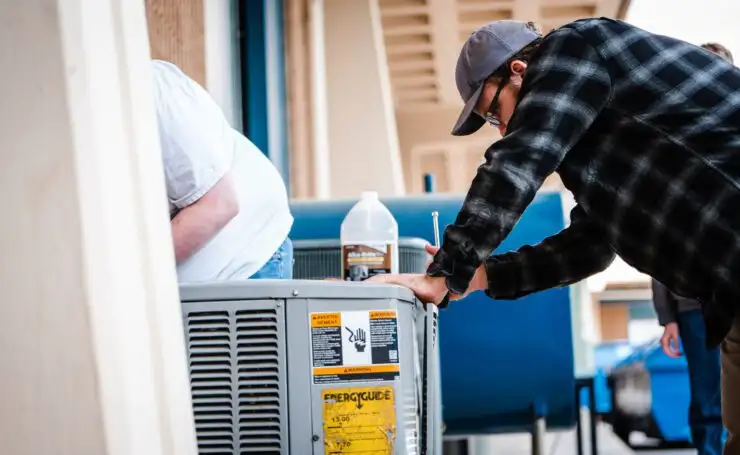
Upon arrival, the technician bypasses general maintenance checks and goes straight to the failure point. The goal is to get the system running again or to provide a temporary solution that makes the home habitable until a major component can be replaced — request service today. This involves checking high-voltage connections, gas lines, and refrigerant pressures immediately. You receive a clear explanation of what failed, why it failed, and the immediate options available to you. There is no waiting for business hours; the response is geared toward immediate resolution.
How the Emergency Repair Process Works
Understanding the sequence of events during an emergency call helps reduce stress. We follow a streamlined protocol designed to minimize downtime and restore comfort as efficiently as possible:
- Initial Dispatch and Safety Assessment: The process begins the moment a request is logged. A technician is dispatched to your location in Prairie Village with a vehicle stocked with universal parts. Upon arrival, the first step is a safety check to ensure there are no gas leaks, carbon monoxide risks, or electrical hazards.
- System Diagnostics: The technician uses specialized gauges and meters to test the system’s vital signs. This includes testing the ignition sequence on a furnace or the compressor start-up on an air conditioner. We isolate the faulty component, whether it is a blown capacitor, a failed ignitor, or a seized motor.
- Presentation of Solutions: Once the problem is identified, you receive a direct report. If the part is on the truck, the repair begins immediately. If the system has suffered a catastrophic failure requiring a specific order, we discuss temporary heating or cooling solutions or expedite part delivery.
- Execution and Verification: After the repair is performed, the system is not just turned on; it is cycled through a full operation test. We measure temperature differentials (the difference between air going in and air coming out) to verify the system is actually conditioning the air, not just blowing a fan.
- Site Cleanup: Emergency work often happens in attics, basements, or utility closets. We ensure the workspace is left clean and that all panels and safety switches are secured before departing.
Deciding When to Repair vs. Replace in an Emergency
One of the most difficult decisions homeowners face during a breakdown is whether to invest in a repair or opt for a system replacement. This decision is often made under pressure, so having clear criteria helps. We help you evaluate the condition of your unit based on objective data rather than guesswork.
Consider repairing the unit if:
- The system is under 10 years old and has a history of reliable performance.
- The cost of the repair is less than 50% of the value of the system — explore financing options.
- The warranty is still active, covering major components like the compressor or heat exchanger.
- The breakdown was caused by a minor component failure, such as a thermostat issue, a clogged filter causing a limit switch trip, or a simple electrical fuse.
Consider replacing the unit if:
- The system is over 15 years old, placing it beyond its expected useful life for efficient operation.
- The unit utilizes R-22 refrigerant (Freon), which is phased out and prohibitively expensive to replenish.
- There is a major component failure, such as a cracked heat exchanger (which poses a carbon monoxide risk) or a grounded compressor.
- Your energy bills have been steadily rising despite regular maintenance, indicating the system has lost its efficiency.
- You have paid for multiple repairs in the last two years, and the cumulative cost is approaching the price of a new unit.
Navigating HVAC Needs in the Prairie Village Climate
The local climate presents specific challenges that dictate how heating and cooling systems must perform. With humid subtropical conditions, the area sees sweltering summers and freezing winters. This wide variance puts immense stress on HVAC equipment, specifically on the transition days when systems switch between heating and cooling modes.
In Prairie Village, older homes often have unique insulation and ductwork challenges compared to new construction. This can lead to higher loads on the HVAC system, causing it to work harder to maintain set temperatures. Emergency failures often occur during the first extreme temperature spike of the season—the first 95-degree day or the first night temperatures drop below freezing. This is when weak components finally give out under the pressure of continuous operation.
Furthermore, local regulations and utility providers, such as Kansas City Power & Light (KCP&L), often have specific requirements regarding efficiency standards and electrical connections. Dealing with emergency replacements or major repairs requires adherence to these codes to ensure the work is legal and safe. We navigate these requirements seamlessly, ensuring that permit needs or inspection protocols do not delay the restoration of your comfort.
Why Professional Diagnostics Matter for Urgent Repairs
In an attempt to resolve issues quickly, some homeowners attempt to troubleshoot modern HVAC systems themselves. However, today's high-efficiency furnaces and air conditioners utilize complex electronic control boards, variable speed motors, and sensitive pressure switches. Without professional diagnostic tools, it is impossible to accurately pinpoint the issue.
A professional diagnostic goes beyond looking for a loose wire. It involves checking static pressure within the ductwork to ensure airflow isn't suffocating the system. It involves using multimeters to check micro-amp readings on flame sensors. A misdiagnosis by an untrained individual can lead to replacing parts that aren't broken while the real issue continues to damage the system.
For example, a frozen evaporator coil is a symptom, not the root cause. Thawing it out without fixing the low refrigerant leak or the airflow restriction will simply result in the system freezing again in a few hours. All Day Comfort Heating and Cooling LLC utilizes industry-standard diagnostic protocols to ensure that we fix the root cause, preventing the emergency from recurring the next day.
Common Emergency Scenarios and Technical Failures
Understanding what commonly goes wrong can help you communicate with technicians and understand the severity of the situation. Emergency calls frequently stem from specific component failures that render the system inoperable:
- Ignition Failure in Furnaces: Modern furnaces use hot surface ignitors or spark ignitors. If these crack or fail, the gas valve will open, but the fuel will not ignite, causing the safety sensors to shut the system down immediately to prevent gas buildup.
- Capacitor Failure in AC Units: The start capacitor provides the torque necessary to start the compressor and fan motor. In high heat, these components degrade. A swollen or blown capacitor means the outdoor unit will hum but not run, providing no cooling.
- Clogged Condensate Drains: In summer, AC units remove significant moisture from the air. If the drain line clogs with algae or debris, the overflow safety switch will cut power to the unit to prevent water damage to your home’s ceilings or floors.
- Thermostat Malfunctions: Sometimes the "brain" of the system loses connection with the equipment. This can be due to battery failure, wiring degradation, or internal sensor errors, causing the system to refuse commands to turn on.
Ensuring Long-Term Efficiency After an Emergency
Once the immediate crisis is resolved, the focus shifts to preventing future breakdowns. An emergency repair brings the system back to life, but it serves as a wake-up call regarding the unit's overall health. We recommend a thorough review of the system’s airflow and filtration after any major repair.
Restricted airflow is the silent killer of HVAC equipment. If your system failed because the blower motor overheated, it is vital to ensure that the return air ducts are sized correctly and that filters are being changed with the appropriate frequency. We verify that the repairs made integrate well with the rest of the system.
Additionally, we look at the building envelope. Drafty windows or poor attic insulation in Prairie Village homes can force a repaired unit to run continuously, increasing wear and tear. While the immediate job is the repair, our technician can provide insights on how to reduce the load on your system, prolonging the time until the next service call is needed.
Local Expertise and Rapid Response
Choosing a local provider for emergency services ensures that help is physically close when you need it. National chains often route calls through central hubs, leading to delays in dispatch. A local presence means familiarity with the neighborhood layouts, the typical equipment brands found in the area, and the specific climate challenges we face here.
We know that when the heat goes out, the temperature inside a home drops rapidly. Speed is a critical factor in preventing frozen pipes and ensuring the safety of residents. Our logistics are optimized for the local area, allowing us to navigate directly to your doorstep with the right tools. We do not rely on subcontractors; we rely on our own dedicated team of experts who take ownership of the repair.
Secure Your Comfort and Safety Now
HVAC emergencies disrupt your life and threaten your home’s safety. Waiting for business hours during extreme weather is not a viable option. You need a solution that is fast, technical, and permanent. We provide the expertise required to diagnose complex failures and the skilled labor to fix them immediately.
Don't let a breakdown compromise your safety or the integrity of your home. Trust the experts who understand your system and your local climate.
Contact All Day Comfort now to dispatch an emergency technician to your home immediately.
Contact Us
customer reviews
Areas We Serve




Copyright © 2026 All Day Comfort Heating and Cooling.
All rights reserved.
