




Indoor Air Quality in Prairie Village, KS
Discover expert indoor air quality services in Prairie Village. Perfect for homeowners concerned about allergens and pollutants. Book your consultation today.
Breathe Easier with Professional Indoor Air Quality Solutions
Struggling with allergies, asthma, or poor air quality in your home is a frustrating reality for many homeowners who notice lingering odors or excessive dust despite regular cleaning. Our expert services in Prairie Village can assess and enhance your indoor air, ensuring a healthier living environment for you and your family — schedule service today.
Residents in the area often underestimate how trapped pollutants impact daily health and HVAC system efficiency. All Day Comfort Heating and Cooling LLC provides targeted strategies to eliminate contaminants rather than simply masking them:
- Comprehensive air quality testing to identify specific pollutants, allergens, and humidity imbalances.
- Customized solutions, ranging from whole-home air purifiers and high-efficiency filtration to humidity control systems.
- Swift installation and maintenance protocols designed to provide immediate relief and long-term air quality improvement.
All services are fully licensed, with flexible financing available to suit your budget.
Scope of Indoor Air Quality Services
Effective indoor air quality (IAQ) management goes beyond standard air filters. It requires a multi-layered approach to address the three main categories of indoor pollutants: particulates, biological growth, and volatile organic compounds (VOCs). A holistic strategy integrates directly with your existing heating and cooling infrastructure to treat 100% of the air circulating through the residence:
Whole-Home Air Purification
Portable air cleaners often fail to address the volume of air in an entire house. Whole-home purification systems are installed directly into the supply or return plenum of your ductwork. These systems utilize advanced technologies, such as photocatalytic oxidation or ionization, to neutralize contaminants on a molecular level. This process actively reduces smoke, pet dander, cooking odors, and chemical vapors emitted from household cleaners or furniture off-gassing.
High-Efficiency Media Filtration
Standard one-inch furnace filters are primarily designed to protect the HVAC equipment, not the lungs of the inhabitants. Upgrading to high-efficiency media air cleaners offers a significantly larger surface area and higher MERV ratings. These filtration cabinets trap smaller particles, including pollen, dust mite debris, and mold spores, without restricting airflow to the furnace or air handler.
Humidity Control Systems
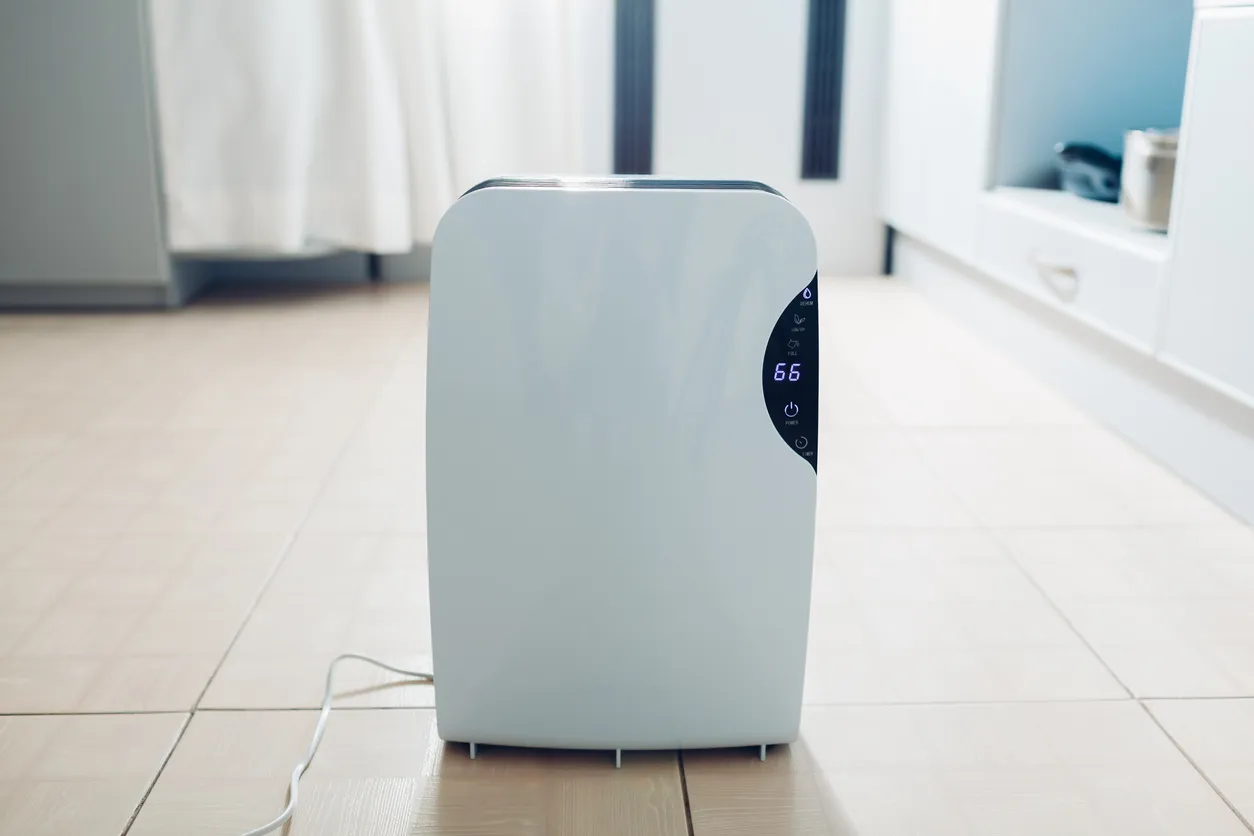
The local climate fluctuates drastically, creating distinct challenges for indoor environments. Whole-home humidifiers add necessary moisture during dry winters to prevent dry skin, static electricity, and cracking woodwork. Conversely, dedicated dehumidifiers work in tandem with the air conditioner during humid months to keep moisture levels below the threshold where mold and dust mites thrive. Maintaining relative humidity between 35% and 50% is critical for both human health and structural integrity.
UV Germicidal Lights
Biological contaminants often breed in the cool, damp environment of an AC coil. Ultraviolet (UV) germicidal lights are installed to bathe the evaporator coil in UV-C energy. This prevents the growth of mold and bacteria on the coil itself, ensuring that the air passing over it remains clean. Additionally, air-sterilizing UV lamps installed in the ductwork can deactivate airborne viruses and bacteria as they circulate through the system.
Ventilation Solutions
Modern energy-efficient homes in Prairie Village are often tightly sealed to conserve thermal energy, but this traps stale air inside. Heat Recovery Ventilators (HRVs) and Energy Recovery Ventilators (ERVs) mechanically exchange stale indoor air with fresh outdoor air. These systems transfer heat and moisture energy between the airstreams, ensuring the home receives fresh oxygen without overburdening the HVAC system or spiking energy bills.
The Installation and Assessment Process
Improving indoor air quality is a technical process that begins with data and ends with precise mechanical integration. The objective is to create a sealed, clean, and balanced airflow loop:
- Initial Air Quality Audit: The process begins with a thorough assessment of the current indoor environment. Technicians use specialized equipment to measure particulate counts, humidity levels, carbon dioxide levels, and the presence of VOCs. This data highlights exactly which pollutants are present and in what concentrations.
- System Sizing and Selection: Not every device works with every HVAC system. Flow restriction is a major concern; adding a filter that is too restrictive can damage the blower motor. Equipment is selected based on the home’s square footage, the existing ductwork design, and the specific static pressure capabilities of the furnace.
- Strategic Installation: Installation involves modifying the ductwork to accommodate new equipment. For humidifiers and dehumidifiers, this includes running water lines and drain lines. For air purifiers and UV lights, safe electrical connections are established, often interlocked with the blower motor so the devices only operate when air is moving.
- Calibration and Testing: Once installed, the equipment is calibrated. Humidistats are set to optimal levels based on outdoor temperatures. Ventilation rates are balanced to ensure the home is not depressurized. Final testing confirms that airflow remains consistent and that the new components are functioning correctly.
When to Upgrade or Replace IAQ Systems
Determining whether to repair an existing accessory or upgrade to a modern solution depends on the age of the equipment and the persistence of air quality issues. Technology in this sector has advanced rapidly, making older units significantly less effective than current standards:
- Ineffective Allergen Control: If allergy symptoms persist despite having an existing air cleaner, the current system may not have a high enough MERV rating or capture rate to handle the specific allergens in the home. Upgrading to a HEPA-grade system or an electronic air cleaner can capture particles down to 0.3 microns, offering superior relief compared to older mechanical filters.
- Persistent Mold or Mildew Issues: Recurring mold growth in bathrooms, basements, or around windows indicates a failure in humidity management. If an existing dehumidifier cannot keep up with the moisture load, or if an AC unit is short-cycling and failing to dehumidify, installing a high-capacity, whole-home dehumidifier is the necessary corrective action.
- System Age and Efficiency: Older bypass humidifiers often waste water and require frequent maintenance that is easily neglected. Steam humidifiers represent a significant upgrade, offering precise control independent of the furnace's heat cycle. If an existing unit is over 10 years old and requires constant pad replacements or solenoid repairs, replacement with a modern, water-efficient model provides better performance and lower maintenance requirements.
- HVAC System Replacement: When a furnace or air conditioner is being replaced, it is the ideal time to address air quality. Integrating new IAQ components during a system changeout ensures seamless installation and prevents the need for retroactive ductwork modifications later.
Managing Local Climate and Structural Factors
The climate in this region presents specific challenges that dictate how air quality systems must be configured. Prairie Village experiences humid continental weather patterns, meaning homes must be prepared for both extremes:
- Summer Humidity Loads: High precipitation in spring and early summer leads to elevated indoor humidity. Without intervention, this moisture absorbs into drywall, carpets, and wood, creating an environment ripe for biological growth. Dehumidification is not just about comfort; it is about preventing structural damage and inhibiting dust mite reproduction.
- Winter Dryness: Cold winters drop outdoor dew points significantly. When this dry air infiltrates the home and is heated, relative humidity creates an arid environment that dries out sinus passages, making residents more susceptible to respiratory infections. It also causes hardwood floors to shrink and separate.
- Housing Stock Considerations: Many homes in the area have undergone renovations to improve insulation and window quality. While beneficial for energy retention, these improvements reduce natural ventilation. This "tight home" syndrome allows VOCs from cleaning products, carpets, and cooking to accumulate to unhealthy levels, necessitating mechanical ventilation strategies like ERVs.
- Permitting and Utilities: All modifications to the HVAC system, including the addition of hardwired electrical components like steam humidifiers or UV lights, adhere to local building codes and safety standards. Proper electrical integration ensures the safety of the household and compliance with utility regulations.
Why Professional Implementation Matters
Indoor air quality solutions are not "plug and play" appliances. They become integral parts of the central heating and cooling system. Improper installation can lead to severe consequences for the HVAC equipment and the home's safety:
- Pressure Drop and Airflow Management: Every filter or purification device adds resistance to the airflow, known as static pressure. If this resistance is too high, the furnace blower works harder, overheats, and fails prematurely. Professionals calculate the total external static pressure to ensure that adding a high-efficiency filter does not choke the system.
- Electrical Safety and Interlocking: UV lights and electronic air cleaners operate with high voltage. They must be wired correctly to ensure they turn off when the blower stops or when access doors are opened. This prevents UV exposure to eyes and skin and ensures energy is not wasted treating stagnant air.
- Drainage and Water Safety: Humidifiers and dehumidifiers deal with water supply and condensate removal. Improperly installed drain lines can back up, causing water damage to the furnace, floors, and surrounding property. Professional installation ensures that all plumbing connections are secure, code-compliant, and routed to appropriate drains.
All Day Comfort Heating and Cooling LLC utilizes industry-best practices to ensure that every component is installed to maximize efficacy without compromising the longevity of the HVAC system. Correct sensor placement, duct sealing, and control wiring are handled with precision to deliver verified results.
Secure Your Home’s Air Quality
Clean air is fundamental to a healthy home life. Removing invisible threats such as viruses, mold spores, and chemical vapors requires a proactive, scientifically sound approach. By integrating advanced filtration, purification, and humidity control into the central HVAC system, homeowners can ensure that every breath taken inside is clean and safe.
Protect your health and protect your home investment with proven solutions. For reliable assessment and installation services in Prairie Village, trust the team at All Day Comfort Heating and Cooling LLC to deliver results — contact us today.
Contact Us
customer reviews
Areas We Serve




Copyright © 2026 All Day Comfort Heating and Cooling.
All rights reserved.
