




AC Installation in Prairie Village, KS
Experiencing a cooling system failure in Prairie Village? Get fast, professional AC installation or repair. Ensure your home is comfortable. Schedule now!
Facing a Complete Cooling Breakdown in Peak Summer Heat?
When your air conditioner fails during the peak of summer, the resulting heat inside your home becomes more than just a nuisance; high humidity and rising temperatures can quickly create an unsafe environment for your family. If you are currently experiencing a system failure or your unit cannot maintain a consistent temperature, schedule a consultation immediately to restore your home's comfort.
At All Day Comfort Heating and Cooling LLC, we understand that a broken AC in the middle of a heatwave requires a rapid, professional response. We provide precise, reliable installation services designed to get your cooling system running efficiently, ensuring your home remains a sanctuary against the outdoor elements:
- Expert installation scheduled quickly to minimize downtime and discomfort.
- Certified, high-efficiency units designed to drastically reduce your monthly utility bills.
- Flexible financing options to ensure premium home comfort fits within your budget.
All installations are fully compliant with local codes and come with a robust warranty for your long-term peace of mind.
Comprehensive AC Replacement and Installation Solutions
Securing a new air conditioning system involves much more than simply swapping one metal box for another. A high-quality installation focuses on the entire cooling ecosystem of your home. When you invest in a new system, you are purchasing long-term climate control, humidity management, and energy efficiency. The goal is to ensure that the new unit communicates perfectly with your existing ductwork and thermostat to deliver consistent airflow to every room.
Modern cooling systems have advanced significantly in recent years. Homeowners now have access to variable-speed compressors and two-stage cooling, which offer superior temperature control compared to older, single-stage models. These systems run at lower speeds for longer periods, which is particularly effective for removing humidity—a critical factor for comfort in the Prairie Village area.
When you move forward with an installation, the service includes a complete assessment of your current infrastructure. This ensures that the electrical connections, refrigerant lines, and drainage systems are compatible with modern, high-efficiency equipment. Upgrading these components is often necessary to meet current safety standards and to ensure the longevity of the new investment. The focus remains on delivering a turnkey solution where the old, inefficient unit is removed, and a state-of-the-art system is integrated seamlessly into your property.
The Technical Installation Process Explained
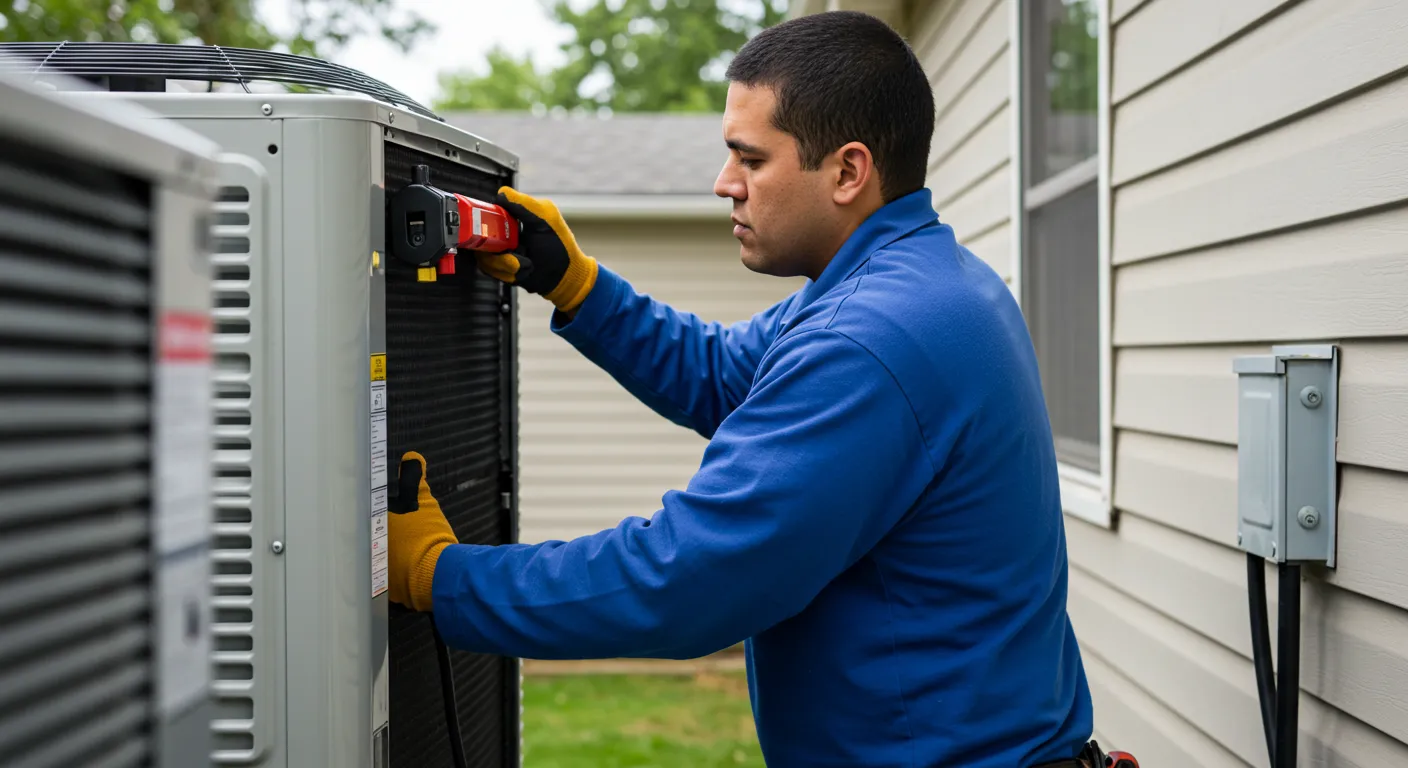
A successful air conditioner installation relies on a strict adherence to technical procedures. Cutting corners during this phase can lead to reduced efficiency, frequent breakdowns, and a shortened lifespan for the equipment. Professional technicians follow a systematic approach to ensure every component functions as intended by the manufacturer:
Site Evaluation and Sizing
The process begins with a load calculation. Technicians measure the square footage, window placement, insulation levels, and orientation of the home. This data determines the exact tonnage required to cool the space efficiently. An oversized unit will cycle on and off too frequently, failing to remove humidity, while an undersized unit will run constantly without reaching the set temperature.
Safe Removal of Existing Equipment
Technicians disconnect the old unit, ensuring that any remaining refrigerant is recovered safely according to environmental regulations. Old electrical whips and disconnect boxes are inspected and often replaced to ensure they can handle the amperage of the new system. The site is cleared of debris to prepare for the new condenser pad.
Equipment Positioning and Connection
The new condenser is leveled on a composite pad to prevent vibration and noise. Inside the home, the evaporator coil is installed within the plenum. Technicians then braze the copper refrigerant lines using nitrogen to prevent oxidation inside the pipes, which is a critical step for protecting the compressor.
Electrical and Drainage Integration
High-voltage wiring is connected to the disconnect box, and low-voltage control wiring is attached to the thermostat system. A new condensate drain line is installed, often with a safety float switch. This switch detects potential clogs and shuts the system down before water damage can occur in the home.
System Evacuation and Charging
Before the refrigerant is released, a vacuum pump removes all moisture and air from the lines. This is non-negotiable, as moisture inside the lines causes acid formation and compressor failure. Once a deep vacuum is achieved, the system is charged with the precise amount of refrigerant required for optimal performance.
Final Testing and Calibration
The system is activated, and technicians measure airflow (static pressure) and temperature differentials (Delta T) across the coil. This confirms that the unit is absorbing heat and releasing cool air efficiently. The thermostat is programmed, and the system is stress-tested to ensure reliability.
Deciding When to Replace vs. Repair Your Cooling System
Determining whether to repair an aging unit or invest in a replacement is a major decision for homeowners — view FAQs. While a repair might seem like the cheaper immediate option, it can often lead to higher costs over time if the system is nearing the end of its service life. Making the right choice requires analyzing the age of the unit, the frequency of breakdowns, and the cost of operation:
The 50% Rule
Industry experts often recommend the 50% rule: if the cost of the repair approaches 50% of the value of a new system, replacement is the more financially sound option. As systems age, components like compressors and fan motors become more prone to failure. Spending money to fix one part does not guarantee that another expensive part won't fail shortly after.
Age and Efficiency Degradation
Most air conditioners have a lifespan of 10 to 15 years. If your unit is in this age range, it likely operates at a much lower efficiency rating (SEER) than modern standards. Older units may have a SEER rating of 10 or 12, whereas new regulations require a minimum of SEER2 13.4 in the North, with many high-efficiency units exceeding SEER 18. Replacing a 15-year-old unit can reduce cooling costs by 20% to 40% simply due to technological advancements.
Refrigerant Availability
Older systems often utilize R-22 refrigerant (Freon), which has been phased out due to environmental regulations. As supplies dwindle, the cost of R-22 has skyrocketed. If an older unit develops a refrigerant leak, the cost to refill it can be astronomical. Modern systems use R-410A or newer alternatives like R-454B, which are environmentally safer, more efficient, and readily available.
Comfort consistency
If you notice hot and cold spots throughout your home, or if the unit runs continuously but fails to lower the temperature, the compressor is likely losing compression. This loss of capacity is irreversible and indicates that the unit can no longer handle the cooling load of the house. In such cases, replacement provides immediate relief and restores consistent comfort.
Navigating Local Requirements and Environmental Factors
Installing an AC unit in this region requires specific attention to local climate conditions and municipal regulations. The weather in Prairie Village is characterized by hot summers where temperatures consistently reach the mid-80s to low 90s, accompanied by significant humidity. This climate profile dictates the type of equipment necessary for effective cooling. A system that cools the air quickly but fails to dehumidify will leave the home feeling clammy and uncomfortable. Therefore, proper sizing and the selection of equipment with good latent cooling capacity (humidity removal) are essential:
Permits and Code Compliance
Local municipalities enforce strict building codes regarding HVAC installations to ensure safety and energy efficiency. This includes requirements for electrical connections, breaker sizing, and clearance distances around the outdoor unit. Professional installers handle the permitting process, ensuring that the work passes inspection. This is vital for homeowners, as unpermitted work can cause issues when selling the home or filing insurance claims.
Utility Rebates and Incentives
Energy providers in the area often offer rebates for upgrading to high-efficiency systems. These programs are designed to reduce the load on the electrical grid during peak summer months. Qualifying for these rebates typically requires the installation of equipment with specific SEER2 and EER2 ratings. Your installer can guide you toward models that qualify for these financial incentives, helping to offset the initial installation cost.
Ductwork and Insulation Considerations
The efficiency of a new air conditioner is directly tied to the condition of the home's ductwork. In many older homes in the area, ducts may be undersized or leaking. During installation, it is critical to inspect the duct system to ensure it can handle the airflow of the new unit. Sealing leaks and adding insulation in attics where ducts are present prevents energy loss and ensures that the cool air reaches the living spaces rather than cooling the attic.
Why Technical Expertise Matters for Your Home
The difference between a system that lasts 15 years and one that fails in five often comes down to the quality of the installation. Manufacturers engineer equipment to perform at specific levels, but that performance is only unlocked through precise calibration during the install. Improper charging, poor brazing techniques, or incorrect airflow settings can reduce a unit’s efficiency by a significant margin, regardless of the brand name on the metal casing.
At All Day Comfort Heating and Cooling LLC, we prioritize technical precision above all else. We employ technicians who understand the science of thermodynamics and the electrical intricacies of modern HVAC systems. We do not rely on guesswork. Every connection is torqued to spec, every line is pressure-tested, and every system is commissioned using digital diagnostic tools.
We also recognize that we are guests in your home. Our process involves protecting your flooring, keeping the workspace clean, and removing all debris once the project is complete. We believe that a professional installation looks as good as it performs. The wiring is neat, the lines are insulated properly, and the unit is leveled perfectly.
Choosing a partner for your cooling needs means looking for transparency. We explain the scope of work clearly, ensuring you understand how to operate your new thermostat and how to maintain the system for peak performance. We provide documentation for warranty registration and offer guidance on filter changes and seasonal maintenance.
Secure Your Comfort for the Long Term
Ignoring the warning signs of a failing air conditioner can lead to a complete system breakdown when you need cooling the most. Whether you are dealing with a unit that has already quit or one that is costing a fortune to operate, taking proactive steps now safeguards your home against the extreme summer heat.
A professional installation is an investment in your property value and your daily quality of life. By selecting the right equipment and ensuring it is installed to the highest industry standards, you guarantee years of reliable, efficient cooling.
Don't wait for the next heatwave to leave you without options. Contact All Day Comfort Heating and Cooling LLC today to discuss your installation needs and secure a cool, comfortable environment for your home. Contact Us
Contact Us
customer reviews
Areas We Serve




Copyright © 2026 All Day Comfort Heating and Cooling.
All rights reserved.
