




Water Heater Replacement in Prairie Village, KS
Facing no hot water? Contact us for rapid water heater replacement in Prairie Village. Enjoy same-day service, transparent pricing, and warranties. Schedule now!
No Hot Water? Restore Your Home's Comfort Immediately
Discovering your water heater has failed can disrupt your entire routine, leaving you with cold showers and looming water damage risks. If you are facing a leak or a complete system failure, contact us immediately to schedule your replacement. All Day Comfort Heating and Cooling LLC provides rapid, efficient replacement services to homeowners in Prairie Village and the surrounding areas, ensuring your hot water supply is restored without delay:
- Same-day replacements to ensure you and your family are never left in the cold.
- Transparent pricing and clear scopes of work—know exactly what you are paying for upfront.
- Warranty-backed installations performed by licensed professionals for long-term peace of mind.
All work is fully licensed and code-compliant, with flexible financing options available to fit your specific budget needs.
Identifying Critical Water Heater Failures
When a water heater begins to fail, the symptoms are often distinct and escalate quickly. Recognizing these signs early can prevent catastrophic leaks and significant water damage to your property. In many cases, by the time a homeowner notices a drop in temperature, the internal components have already suffered significant wear.
One of the most common indicators of a unit reaching the end of its lifecycle is inconsistent water temperature. You may notice the water gets hot initially but turns cold rapidly, or it never reaches the desired temperature at all. This often points to a failing dip tube or sediment buildup covering the heating elements or burner. In gas units, it can indicate an issue with the thermocouple or gas control valve, while in electric units, it typically signals a burnt-out heating element.
Another critical warning sign is the presence of moisture or pooling water around the base of the tank. Unlike loose pipe connections, which can be tightened, a leaking tank usually results from internal corrosion that has eaten through the steel liner. Once the structural integrity of the tank is compromised, replacement is the only viable option. Additionally, if you hear rumbling, popping, or banging noises—often referred to as "kettling"—it implies that mineral deposits have hardened at the bottom of the tank, causing the metal to overheat and eventually crack.
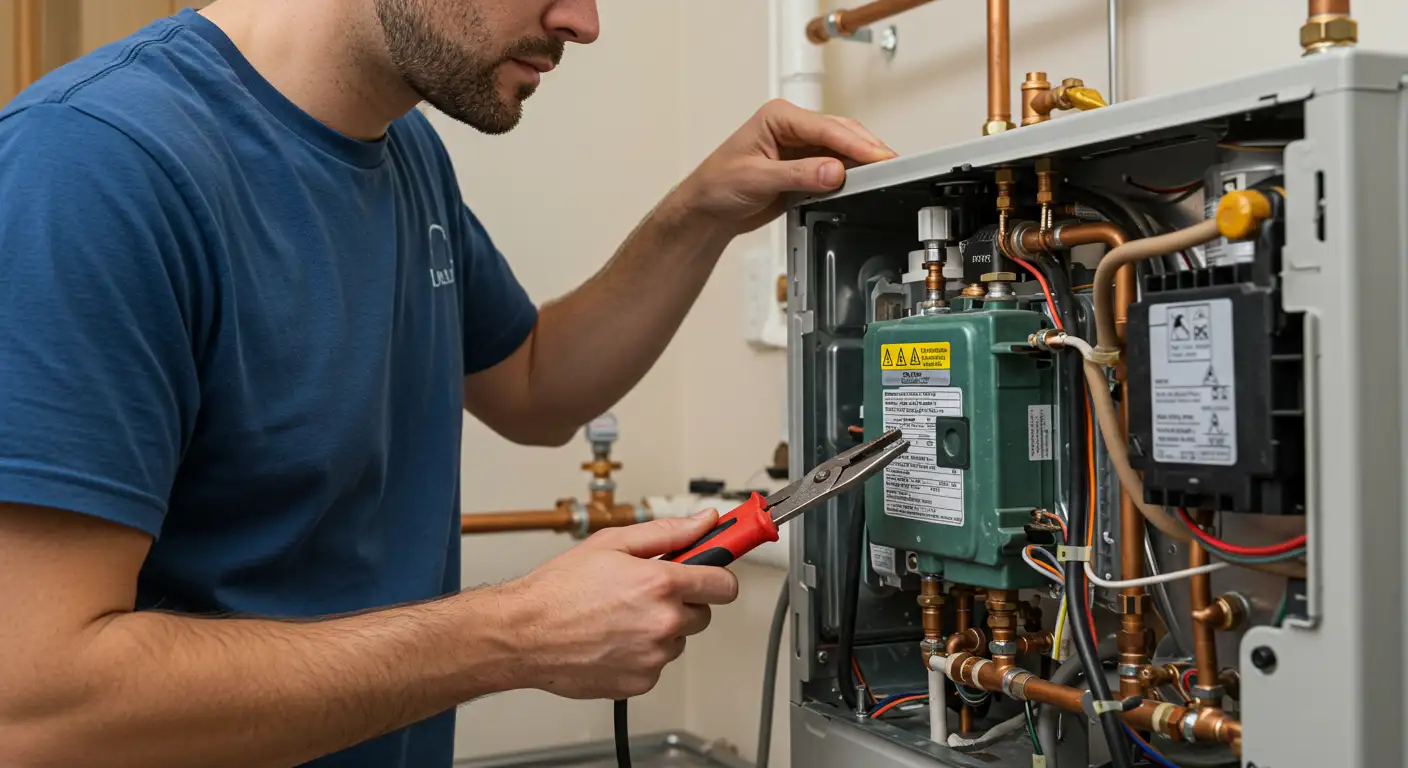
What You Get Today: Scope, Timeline, and Inclusions
When you choose to move forward with a replacement, the goal is to minimize downtime and maximize the efficiency of your new system. A professional replacement is not merely swapping one box for another; it is a comprehensive service designed to bring your home’s plumbing up to modern standards:
- Comprehensive Assessment and Selection: The process begins with verifying the fuel source (gas or electric), venting type, and capacity requirements based on your household size and usage patterns. Whether you are sticking with a traditional tank or upgrading to a tankless system, the new unit is selected to match your specific hot water demand.
- Safe Removal and Disposal: Handling an old water heater is difficult and potentially dangerous due to its weight and the presence of scalding water or sediment. The service includes the complete draining, disconnection, and removal of the failed unit. The old equipment is hauled away and disposed of according to environmental regulations, keeping your property clean.
- Essential Component Upgrades: A high-quality installation includes replacing vital peripheral components. This typically involves installing a new shut-off valve for safety, new dielectric unions to prevent galvanic corrosion between dissimilar metals, and a new Temperature and Pressure (T&P) relief valve.
- Timeline and Efficiency: In most scenarios, a standard water heater replacement is completed within a single day. Technicians arrive fully stocked with the necessary units and parts to ensure that once the water is turned off, the transition to the new system is seamless. You can expect to have hot water flowing again within hours of the technician's arrival.
The Replacement Process: Step-by-Step Execution
A proper installation follows a rigid protocol to ensure safety, efficiency, and longevity. Professional technicians adhere to a structured workflow that guarantees every connection is secure and every code requirement is met:
- Site Preparation and Safety Checks: The technician shuts off the water supply and the power source (breaker for electric, gas valve for gas units). The area is prepped with drop cloths to protect your flooring. If the unit is gas-fired, the technician checks for existing gas leaks before proceeding.
- Draining and Disconnection: A hose is attached to the drain valve to empty the tank. This can take time if sediment has clogged the valve. Once empty, the water lines, gas or electric connections, and venting (for gas units) are carefully disconnected.
- Positioning the New Unit:The new water heater is brought in and positioned. For homes in Prairie Village where basements are common, leveling the unit is critical. A drain pan is placed underneath the unit to protect against future leaks, which is a standard requirement in many finished areas:
- Establishing Connections: The water lines are reconnected using proper soldering techniques or press-fittings. For gas units, the gas line is connected with a sediment trap (drip leg) to prevent debris from entering the burner. The flue pipe is attached and sealed to ensure carbon monoxide is safely vented outside the home.
- Filling and Testing: Before turning the power or gas back on, the tank is filled with water to prevent "dry firing," which can instantly destroy electric elements. Faucets in the home are opened to bleed out air pockets. Once full, the system is activated. The technician tests for gas leaks using a digital sniffer or bubble solution and verifies that the unit is drafting properly.
When a New Water Heater Beats a Repair
Homeowners often grapple with the decision of whether to repair a failing unit or invest in a new one. While repairs can sometimes offer a short-term fix, there are specific thresholds where replacement becomes the only financially logical choice:
- The 50% Rule: Industry standards suggest that if the cost of the repair approaches or exceeds 50% of the cost of a new unit, you should replace it. Major failures, such as a leaking tank or a failed gas control valve on an older unit, rarely make financial sense to fix.
- Age of the Unit: Water heaters have a finite lifespan. Traditional tank-style heaters typically last between 8 and 12 years. If your unit is over 10 years old and requires a significant repair, investing that money into a new unit with a fresh warranty is a smarter allocation of funds.
- Efficiency Gains: Older units are significantly less efficient than modern models due to sediment buildup and outdated insulation standards. New models, specifically those that are Energy Star rated, have higher Uniform Energy Factor (UEF) ratings. By replacing an old unit, you reduce monthly utility bills, which helps offset the installation cost over time.
- Frequency of Breakdowns: If you have required multiple repairs in the last two years, the unit is signaling that it is in a terminal decline. Continuing to patch up a dying system is often more expensive in the long run than a one-time investment in a reliable All Day Comfort Heating and Cooling LLC installation.
Navigating Local Codes and Requirements
Every municipality has specific building codes designed to protect residents from safety hazards associated with water heating, such as scalding, explosions, or carbon monoxide poisoning. In Prairie Village and the wider region, adhering to these codes is non-negotiable for a professional installation:
- Thermal Expansion Tanks: Because modern plumbing systems are "closed" (often due to backflow preventers on the main line), water expands when heated and has nowhere to go. This increases pressure in your pipes. Local codes often require the installation of a thermal expansion tank to absorb this excess pressure and protect your plumbing fixtures.
- Venting Requirements: Gas water heaters must be vented correctly to prevent the backdrafting of exhaust gases. Changes in code may require upgrading the vent connector from the water heater to the chimney or upgrading to a specific type of venting material if you switch to a high-efficiency power-vent unit.
- Gas Line Sizing: If you are upgrading to a larger unit or a tankless system, the gas load requirements change. A professional ensures that your existing gas lines are sized correctly to support the BTU output of the new heater without starving other gas appliances in your home.
- Permits and Inspections: Professional replacement includes pulling the necessary permits required by the city. This is not just a formality; it ensures a third-party inspector verifies the safety of the installation. This is particularly important for insurance purposes and future home sales.
Why Locals Choose Our Services
Choosing the right contractor for your water heater replacement is about more than just price; it is about trust, technical capability, and respect for your home:
- Technical Expertise: Technicians are trained to handle the specific plumbing intricacies found in local homes, from managing high water pressure issues to navigating tight utility closets. The focus is on precision—soldering joints cleanly, ensuring level venting, and verifying optimal pressure settings.
- Respect for Property: Replacing a water heater involves moving heavy equipment through your living space. Great care is taken to use drop cloths, wear shoe covers, and clean up the workspace thoroughly. The only evidence left behind should be a perfectly functioning water heater.
- Clear Communication: You are kept informed at every stage of the process. From the initial diagnostic to the final walkthrough of the new system’s controls, all questions are answered clearly. You will understand how to adjust the temperature safely and how to perform basic maintenance, such as draining the tank annually.
- Reliable Warranties: Installations are backed by strong labor warranties in addition to the manufacturer’s equipment warranty. This protects your investment and ensures that if any issues arise post-installation, they are resolved quickly and at no extra cost to you.
Secure Your Hot Water Supply Today
A reliable water heater is essential for the hygiene and comfort of your household. Ignoring the signs of failure can lead to cold showers or devastating water damage. All Day Comfort Heating and Cooling LLC is dedicated to providing Prairie Village homeowners with high-quality, code-compliant replacements that stand the test of time. Don't wait for an emergency—upgrade your system today.
Schedule Your Water Heater Replacement Now
Contact Us
customer reviews
Areas We Serve




Copyright © 2026 All Day Comfort Heating and Cooling.
All rights reserved.
