




AC Installation in Lenexa, KS
Expert AC installation in Lenexa ensures your home stays cool and comfortable. Trust us for code-compliant, energy-efficient solutions. Call now to schedule!
Unreliable Cooling Systems Can Turn Your Home into a Sauna
Tired of inconsistent temperatures leaving your family sweating through the humid Kansas heat? If your air conditioner is blowing warm air or making strange noises, you need a dependable solution that guarantees immediate and lasting comfort. Contact us today to schedule your consultation or apply for financing.
When your cooling system fails, you need more than a quick patch; you need a system designed for the long haul. Residents in Lenexa know that summer humidity is unforgiving, and a failing unit can spike energy bills while failing to cool the home. We provide comprehensive installation services that prioritize efficiency, longevity, and code compliance.
- Prompt installation options to restore your home’s safety and comfort.
- Professional technicians ensure a perfectly optimized setup for maximum energy efficiency.
- Flexible financing options available to fit your budget and immediate needs.
All installations are compliant with local Lenexa codes and are backed by comprehensive manufacturer warranties and flexible financing plans.
What a Professional AC Installation Includes
Investing in a new air conditioning system is about more than just swapping out a metal box outside your home. It is a complex construction project that integrates specific mechanical components into your existing infrastructure. When All Day Comfort Heating and Cooling LLC performs an installation, the focus is on total system performance rather than a simple unit exchange.
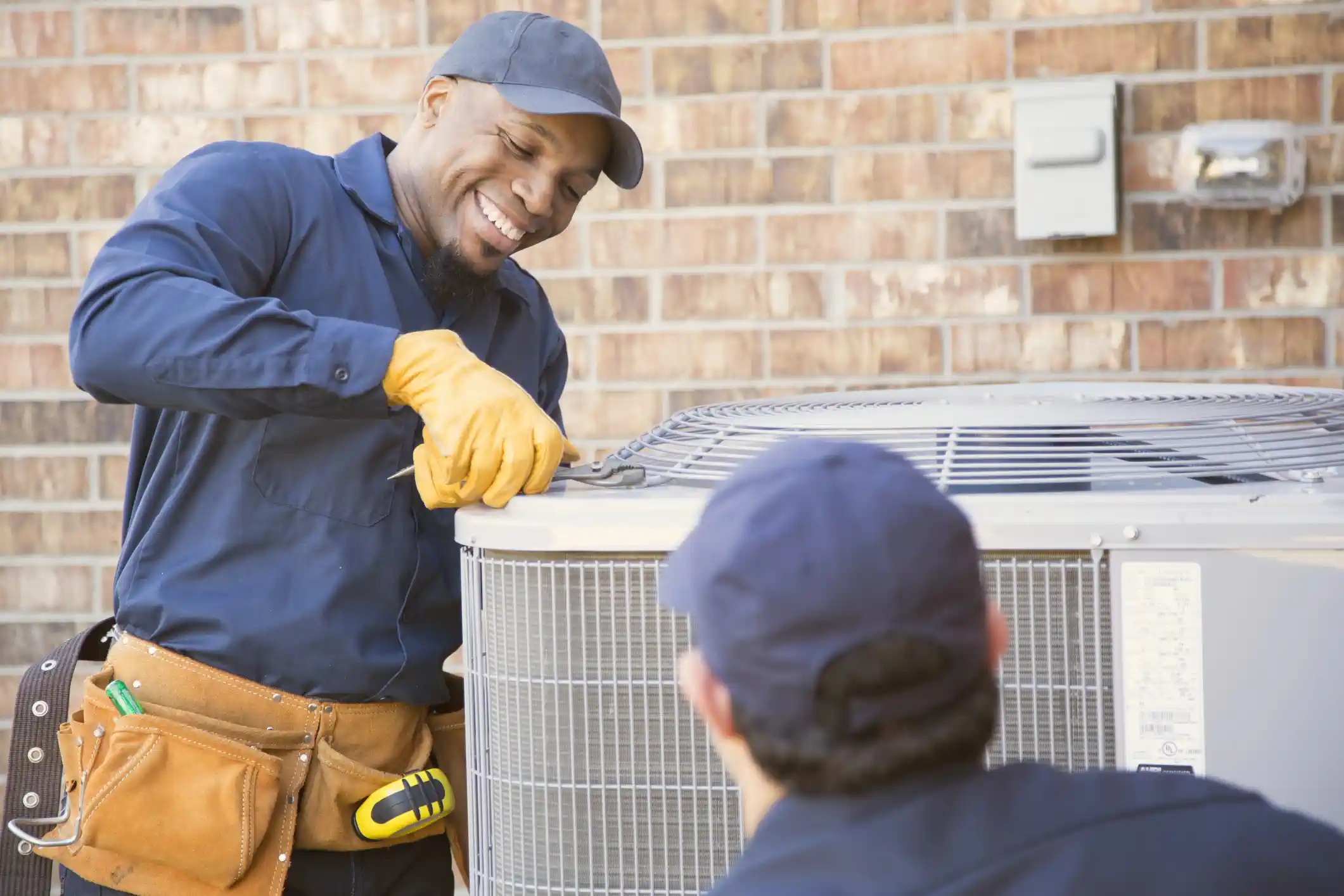
System Sizing and Selection
The most critical step happens before a wrench is ever turned. An air conditioner that is too large will short-cycle, turning on and off rapidly, which fails to remove humidity and wears out parts prematurely. A unit that is too small will run continuously, failing to reach the set temperature.
- Manual J Load Calculation: We perform a detailed load calculation that factors in square footage, insulation levels, window orientation, and local climate data.
- SEER2 Efficiency Ratings: We help you select a unit with the appropriate Seasonal Energy Efficiency Ratio (SEER2) that balances upfront investment with long-term utility savings.
- Equipment Matching: We ensure the outdoor condenser matches the indoor evaporator coil and furnace blower to guarantee the system delivers its rated efficiency.
Component Integration and Upgrades
A new AC unit cannot function efficiently if the supporting infrastructure is outdated. The installation scope typically covers several key integration points to ensure the new machinery operates as intended.
- Refrigerant Line Sets: We inspect existing copper lines for integrity and cleanliness. If the old system used obsolete refrigerant (like R-22) and the lines cannot be flushed, they are replaced to prevent cross-contamination.
- Thermostat Upgrades: Modern systems often require smart thermostats or communicating controls to manage variable-speed compressors and humidity control effectively.
- Electrical Safety: We verify that the electrical disconnect box and whip (the conduit connecting the house power to the unit) meet current safety standards and replace them if they are weathered or damaged.
The Installation Process: Step-by-Step
A high-quality installation follows a rigorous procedure to ensure the equipment runs reliably for the next 15 to 20 years. We do not skip steps or cut corners. While the timeframe can vary based on the complexity of the job, the workflow remains consistent to ensure quality control — read our testimonials.
Site Preparation and Removal
- The technicians arrive with floor runners and protective gear to safeguard your home and flooring.
- Power is disconnected from the main panel to ensure safety during the swap.
- The existing refrigerant is reclaimed into recovery cylinders according to EPA regulations; it is never vented into the atmosphere.
- The old condenser and indoor coil are disconnected, removed, and hauled away for recycling.
Mechanical Installation
- A new composite or concrete pad is leveled to support the outdoor unit, preventing vibration and settling.
- The new indoor evaporator coil is fitted to the furnace or air handler, ensuring a sealed transition to prevent air leaks.
- Copper refrigerant lines are brazed using nitrogen purging. This crucial step prevents oxidation and soot from forming inside the copper pipes, which could otherwise clog the sensitive valves of the new unit.
- A filter drier is installed in the liquid line to absorb any residual moisture or contaminants.
Commissioning and Testing
- A vacuum pump is used to evacuate air and moisture from the lines, reaching a deep vacuum level measured in microns. This ensures the system is chemically pure before refrigerant is released.
- The system is charged with the precise amount of refrigerant based on the manufacturer’s subcooling and superheat specifications.
- Technicians test the static pressure in the ductwork to ensure airflow is sufficient for the new equipment.
- The thermostat is programmed, and the system is test-run in both cooling and heating modes (if applicable) to verify operation.
Deciding When to Replace vs. Repair
Homeowners often struggle with the decision to repair an aging unit or invest in a new one. While repairs can seem cheaper in the short term, they often lead to higher costs over time due to inefficiency and repeated breakdowns. Making the right choice depends on the age of the system, the cost of the repair, and the refrigerant type.
The 50% Rule
A common industry standard for making this decision is the 50% rule. If the cost of the repair approaches 50% of the value of a new system, replacement is generally the smarter financial move.
- Frequent Breakdowns: If you have required multiple repairs in the last two years, the system is likely approaching the end of its reliable lifespan.
- Major Component Failure: If the compressor or the evaporator coil has failed, these are expensive repairs that often signal the unit is totaled.
- Warranty Status: If the parts are no longer under warranty, the cost of labor and materials for a major repair often rivals the down payment on a new, high-efficiency system.
Energy Efficiency and Refrigerant
Older systems, particularly those installed before 2010, may use R-22 refrigerant (Freon), which has been phased out. R-22 is becoming prohibitively expensive to source.
- Rising Energy Bills: As AC units age, they lose efficiency. A 15-year-old unit may be operating at 8 or 10 SEER, whereas a new base model starts at 13.4 or 14.3 SEER2.
- Comfort Issues: If some rooms are hot while others are cold, or if the house feels humid even when the AC is running, the old unit may no longer be capable of handling the load.
- Return on Investment: Installing a modern, high-efficiency system can lower cooling bills by 20% to 40%, helping the system pay for itself over time.
Local Considerations for Homeowners
Installing an air conditioner in Lenexa requires specific attention to local regulations, climate patterns, and infrastructure. Ignoring these factors can lead to compliance issues during a home sale or poor performance during peak weather.
Permitting and Inspections
Lenexa and the surrounding Johnson County area have strict building codes regarding HVAC installations.
- Permit Requirements: Most AC replacements require a building permit from the city. This ensures that the electrical connections, gas piping (if applicable), and mechanical setup meet safety standards.
- Third-Party Inspection: After installation, a city inspector may review the work to verify compliance. We handle the permitting process and coordinate inspections so you do not have to navigate the bureaucracy.
- HOA Regulations: In certain subdivisions, there may be restrictions on where outdoor units can be placed or requirements for screening them from street view.
Climate-Specific Calibration
The local climate oscillates between freezing winters and humid, scorching summers. This extreme variance places significant stress on HVAC equipment.
- Humidity Control: Because the region experiences high humidity, we prioritize systems with thermal expansion valves (TXVs) or two-stage compressors. These features allow the AC to run longer cycles at lower capacity, pulling more moisture out of the air than a standard single-stage unit.
- Sealed Ductwork: In many local homes, ductwork runs through unconditioned spaces like attics or crawlspaces. We assess these ducts for leaks, as losing cold air to a hot attic drastically reduces the system’s ability to cool the living space during July and August heatwaves.
Why Technical Expertise Matters
The brand of air conditioner you buy is less important than the quality of the installation. A top-tier brand installed poorly will fail sooner and run less efficiently than a budget brand installed perfectly. The difference lies in the technical details—brazing techniques, vacuum levels, and airflow adjustments.
Airflow and Static Pressure
A new AC unit requires a specific volume of air to pass over the coils to facilitate heat exchange. If your existing ductwork is undersized or dirty, the new unit may freeze up or overheat.
- We measure external static pressure to identify restrictions.
- Adjustments are made to the blower motor speed to match the ductwork capabilities.
- Recommendations for duct modifications are provided if the current infrastructure cannot support modern high-efficiency equipment.
Cleanliness and Respect for Property
HVAC installation is a major renovation project that involves heavy lifting, brazing torches, and removing dirty equipment. However, it should not leave your home in disarray.
- Drop cloths are used from the front door to the mechanical room.
- Debris, packaging, and old metal parts are removed immediately.
- The workspace is swept or vacuumed upon completion.
- Technicians wear shoe covers when entering finished living areas.
Long-Term Support
The relationship with your service provider should not end when the truck drives away. A new installation is a significant investment that requires protection.
- Warranty Registration: We register your equipment with the manufacturer to ensure you receive the full parts warranty (often 10 years).
- Maintenance Plans: New systems require annual maintenance to keep warranties valid. We offer plans to check refrigerant levels and clean coils annually.
- Documentation: You receive a full packet containing the model and serial numbers, warranty certificates, and maintenance guides.
Choosing the right partner for your air conditioning installation ensures that your home remains a sanctuary against the heat. All Day Comfort Heating and Cooling LLC is dedicated to providing precise, code-compliant installations that maximize the lifespan of your investment. Don't wait for a total system failure during the hottest week of the year.
Call Us Now!
Secure your comfort today—contact us now to schedule your AC installation estimate.
Contact Us
customer reviews
Areas We Serve




Copyright © 2026 All Day Comfort Heating and Cooling.
All rights reserved.
