




Heating Maintenance in Lenexa, KS
Maximize comfort with professional heating maintenance in Lenexa. Ensure efficiency and reliability year-round. Call now to schedule your service!
Eliminate Heating Inefficiencies and Unexpected Breakdowns Today
When your heater stops working or begins to falter, the comfort and safety of your home are immediately disrupted, leaving you vulnerable to dropping temperatures. Contact All Day Comfort Heating and Cooling LLC for fast, expert maintenance services that restore your warmth without delay; call us now to book your service or inquire about financing options.
Homeowners in Lenexa often wait until a complete system failure occurs before seeking professional assistance, but proactive care is the most effective way to prevent costly emergency repairs. A heating system operating at peak efficiency ensures consistent warmth, lower utility bills, and a longer lifespan for the equipment. Neglecting routine checks can lead to minor issues spiraling into major mechanical failures, often on the coldest days of the year.
Our approach to heating maintenance delivers tangible results for your home comfort system:
- Immediate service availability to address urgent performance issues before they become emergencies.
- Expert technicians trained to service and maintain all major heating system makes and models.
- Access to special discounts and warranty protections on all maintenance services performed.
We are fully licensed, offering extensive warranties and flexible financing options to ensure your home remains comfortable.
Comprehensive Heating Maintenance: Scope and Expectations
A professional heating tune-up is not merely a quick visual inspection; it is a rigorous, multipoint technical service designed to return your unit to factory specifications. When you invest in maintenance, you are paying for a detailed analysis of the system’s safety mechanisms, airflow dynamics, and combustion efficiency. The goal is to identify wear and tear that is invisible to the untrained eye but critical to the system's operation.
The scope of a standard maintenance visit covers the entire heating cycle. Technicians focus on the critical components that drive performance. For gas furnaces, this involves a meticulous examination of the combustion chamber. Over time, soot and sediment can build up on the burners, causing uneven heating or "hot spots" that damage the metal. Cleaning these burners ensures a clean, blue flame that burns fuel efficiently. Additionally, the heat exchanger must be inspected for microscopic cracks. A cracked heat exchanger is a severe safety hazard, as it can allow carbon monoxide to escape into the living space.
For electric systems and heat pumps, the focus shifts towards the electrical components and refrigerant levels. Loose electrical connections are a common cause of system failure; vibrations from normal operation can loosen wires over time, leading to arcing or burnt-out components. Technicians tighten every connection, measure voltage and amperage on motors, and ensure the thermostat is communicating correctly with the air handler.
What is included in a professional tune-up:
- Safety Controls Testing: Verification that limit switches and safety sensors shut the unit down if dangerous conditions are detected.
- Airflow Analysis: Inspection of the blower motor and fan belt (if applicable) to ensure air is moving freely through the ductwork.
- Filter Replacement or Cleaning: Removal of clogged filters that restrict airflow and force the system to work harder than necessary.
- Thermostat Calibration: Ensuring the temperature reading on your wall matches the actual temperature of the room for precise cycling.
- Lubrication of Moving Parts: Application of lubricant to motors and bearings to reduce friction and prevent overheating.
- Ignition System Check: Cleaning the flame sensor and testing the igniter to prevent "short cycling" or failure to launch.
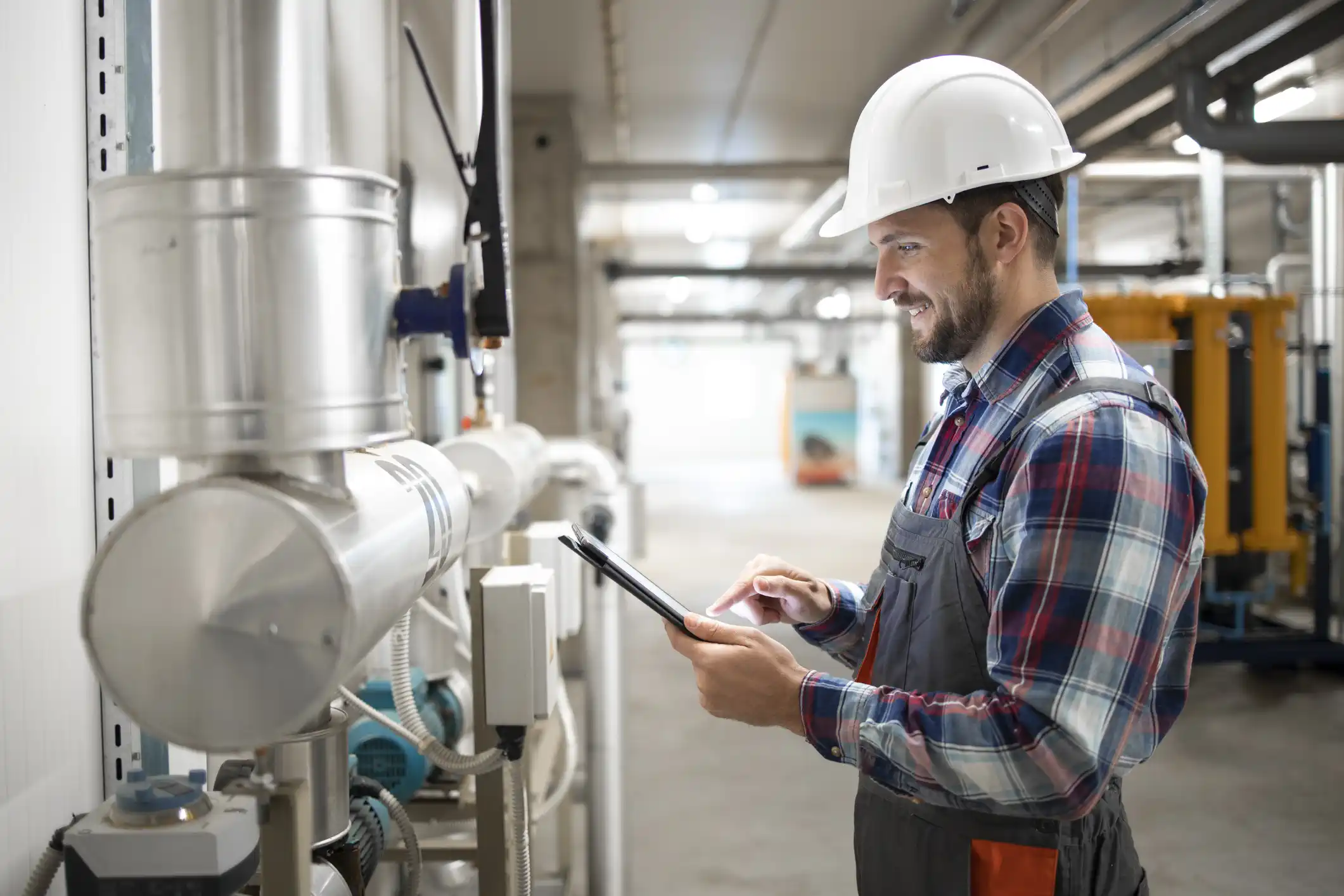
The Maintenance Process: From Inspection to Tune-Up
Understanding the workflow of a maintenance visit helps homeowners prepare for the service. The process is designed to be thorough yet efficient, minimizing disruption to your daily routine while maximizing the data gathered about your heating system. Professional technicians follow a systematic approach to ensure no component is overlooked.
The process begins with a diagnostic evaluation. Upon arrival, the technician will cycle the system on to observe its startup sequence. They listen for unusual noises—such as banging, squealing, or rattling—which often indicate loose parts or failing bearings. They also monitor the time it takes for the system to engage the blower fan after the burners ignite. This initial observation period provides a baseline for how the system is currently performing versus how it should perform.
Following the initial diagnostic, the physical cleaning and adjustment phase begins.
- First, the technician shuts off power to the unit to safely access internal components. They remove the service panels to expose the blower, burners, and electronics.
- Next, they perform the deep cleaning tasks. This includes vacuuming out the cabinet to remove dust and debris that can pose a fire hazard or clog sensitive electronics. Sensors are wiped down, and condensate drains are cleared of any algae or blockages that could cause water damage.
- Then, the electrical analysis takes place. The technician uses a multimeter to test capacitors. A capacitor that is reading below its rated microfarads is a sign of imminent failure; replacing it during maintenance prevents a breakdown later.
- After the internal work is complete, the system is reassembled and powered back on.
- Finally, a combustion analysis is performed (for gas units) to measure the efficiency of the fuel burn and ensure carbon monoxide levels are zero. The technician provides a detailed report of their findings, highlighting any parts that are near the end of their lifecycle.
This structured process ensures that All Day Comfort Heating and Cooling LLC captures every potential issue, providing you with a complete picture of your heating system’s health.
Repair vs. Replacement: Making the Right Call
One of the most valuable aspects of routine maintenance is the insight it provides regarding the remaining life of your heating unit. Homeowners are often faced with the difficult decision of whether to repair an aging unit or invest in a replacement. Maintenance visits provide the data needed to make a financial decision based on logic rather than urgency.
There are specific metrics that indicate when a replacement is a smarter investment than a repair. The age of the system is the primary factor. Most gas furnaces have a lifespan of 15 to 20 years, while heat pumps typically last 10 to 15 years. If your system is approaching or has surpassed this age range, putting money into significant repairs is often a sunk cost. Even if the unit is fixed, other components are likely to fail shortly after.
The "50% Rule" is a common industry standard used to guide this decision. If the cost of the necessary repair approaches 50% of the cost of a brand-new system, replacement is generally the better option. This is especially true if the existing unit is out of warranty, meaning you are paying full price for parts and labor.
Signs that replacement beats repair:
- Frequent Breakdowns: If you have required multiple repairs in the last two seasons, the system is becoming unreliable and cost-prohibitive to maintain.
- Rising Energy Bills: As systems age, they lose efficiency (AFUE rating drops). If your heating bills are increasing despite normal usage, the unit is working harder to produce the same amount of heat.
- Uneven Heating: If some rooms are freezing while others are roasting, and ductwork issues have been ruled out, the furnace may no longer have the capacity to distribute air effectively.
- Noise and Smell: excessive groaning, banging, or persistent burning smells that maintenance cannot resolve suggest internal structural failure.
- Safety Concerns: Any breach in the heat exchanger acts as an immediate red flag requiring replacement to ensure the safety of the household occupants.
Critical Considerations for Lenexa Homeowners
Heating requirements are dictated heavily by local geography and climate patterns. For residents in this region, the weather presents specific challenges that dictate how heating systems must be maintained. Lenexa experiences a humid continental climate, characterized by significant seasonal variance. The transition from hot, humid summers to freezing winters places a unique strain on HVAC systems.
The high humidity levels in the summer can affect the longevity of heating components even when they are not in use. Moisture can accumulate in basements or utility closets where furnaces are stored, leading to rust and corrosion on the heat exchanger or electrical contacts. During the maintenance visit, it is vital to check for these signs of corrosion that may have developed during the off-season. When winter arrives, temperatures can drop significantly, requiring the heating system to run for extended cycles. If the system has not been calibrated for these long run times, it can overheat or trip safety limit switches.
Local codes and regulations also play a role in heating maintenance and repair.
- Permitting and Safety Codes: In Lenexa, specific codes govern the installation and modification of gas lines and venting systems. When a maintenance check reveals a need for a major repair involving gas piping or flue venting, it is essential that the work complies with local safety standards to avoid fines and ensure insurance compliance.
- Utility specifics: The region utilizes both natural gas and electric infrastructure. Understanding the specific fluctuating rates of local utilities can help technicians adjust your system for optimal cost-efficiency. For example, dual-fuel systems (hybrid heat) can be programmed to switch between gas and electric based on outdoor temperatures to utilize the most economical fuel source.
- Ventilation Requirements: Tightly built modern homes in the area require careful attention to combustion air requirements. Maintenance ensures that your furnace has enough oxygen to burn fuel safely without back-drafting fumes into the home.
Why Professional Care Matters for Your System
Attempting DIY maintenance or hiring unlicensed handy-workers for heating systems often voids manufacturer warranties and risks safety. Modern heating equipment is sophisticated, relying on complex printed circuit boards and precise pressure gradients. Professional maintenance ensures that the individual servicing your equipment understands the engineering behind the heat transfer process.
Manufacturer warranties almost always contain a clause requiring proof of annual maintenance by a licensed professional. If a major component like a compressor or heat exchanger fails, the manufacturer may request service records before honoring the warranty. Without these records, the homeowner is liable for the full cost of the part, which can run into the thousands.
Furthermore, professional technicians carry the correct instrumentation to diagnose issues that cannot be seen or heard. Manometers measure gas pressure to the fraction of an inch of water column; combustion analyzers measure oxygen and carbon dioxide ratios in the flue gas. These tools allow for precision tuning that maximizes the energy efficiency of the unit. A system that is tuned to factory specifications uses less fuel to provide the same amount of heat, directly translating to monthly savings — request service today.
Benefits of professional certification and service:
- Safety Assurance: technicians are trained to identify and rectify gas leaks, carbon monoxide issues, and fire hazards.
- Longevity of Equipment: Regular professional cleaning and lubrication significantly extend the operational life of the furnace or heat pump.
- Priority Service: Establishing a relationship with a service provider often grants you priority status during peak winter months when wait times are high.
- Predictable Costs: catching small parts wearing out during a tune-up prevents the shock of an expensive emergency repair bill.
Ensuring your heating system is ready for the demands of winter is a matter of safety, comfort, and financial prudence. Do not wait for the first freeze to discover a problem. Secure the reliability of your heating system today.
Why Choose Us
Choosing All Day Comfort Heating and Cooling LLC means partnering with a team that prioritizes your comfort, safety, and long-term savings. We go beyond standard service by delivering thorough, detail-driven maintenance that prevents breakdowns before they happen. Our certified technicians use advanced diagnostic tools, provide honest recommendations, and ensure your system operates at peak efficiency. With flexible financing, transparent pricing, and warranties that protect your investment, you can count on dependable service every time. We are committed to fast response times, exceptional workmanship, and trustworthy guidance for every homeowner we serve.
Call Now!
Contact All Day Comfort Heating and Cooling LLC now to schedule your comprehensive heating maintenance and ensure your home stays warm all season long.
Contact Us
customer reviews
Areas We Serve




Copyright © 2026 All Day Comfort Heating and Cooling.
All rights reserved.
