



Heating Installation in Lenexa, KS
Secure expert heating installation in Lenexa to ensure your home remains warm during harsh winters. Contact us for immediate service and flexible financing!
Facing a System Failure in Freezing Temperatures? Secure Expert Heating Installation Today
Experiencing uneven heating or a total furnace breakdown during Lenexa's cold winters can be more than uncomfortable—it is a priority fix that demands immediate attention. We provide rapid and reliable heating installation to restore your home comfort swiftly. Contact us immediately to discuss financing options or to schedule an on-site evaluation.
- Immediate consultations and same-day service availability to restore heat quickly.
- Expert installation performed by fully licensed and insured technicians.
- Upfront pricing structures and flexible financing plans to accommodate your budget.
All installations are compliant with local codes and come with a comprehensive warranty for your peace of mind.
What to Expect From Professional Heating Installation
When you commit to a new heating system, the goal is not just to replace a box in the basement but to upgrade the entire comfort profile of your home. A modern heating installation addresses more than just temperature; it solves airflow issues, reduces energy waste, and eliminates the noise associated with aging units.
The process begins with a precise evaluation of your home’s thermal needs. Many homes in Lenexa operate with heating units that were originally oversized or undersized by builders. An oversized unit short-cycles, turning on and off frequently, which wears out components and fails to dehumidify the air. An undersized unit runs continuously without ever reaching the set temperature, driving up utility bills.
Our approach involves a detailed load calculation. This technical assessment considers the square footage, insulation levels, window quality, and orientation of your home. By matching the specific BTU output to your home's requirements, you ensure a system that runs efficiently even when winter lows hit 20°F.
You also gain access to higher efficiency standards. Older furnaces often operate at 60% to 70% AFUE (Annual Fuel Utilization Efficiency). Modern installations typically start at 80% and can go up to 98%. This means that for every dollar spent on gas or electricity, nearly the entire amount is converted into usable heat, rather than being lost up the flue.
The Installation Process: Step-by-Step
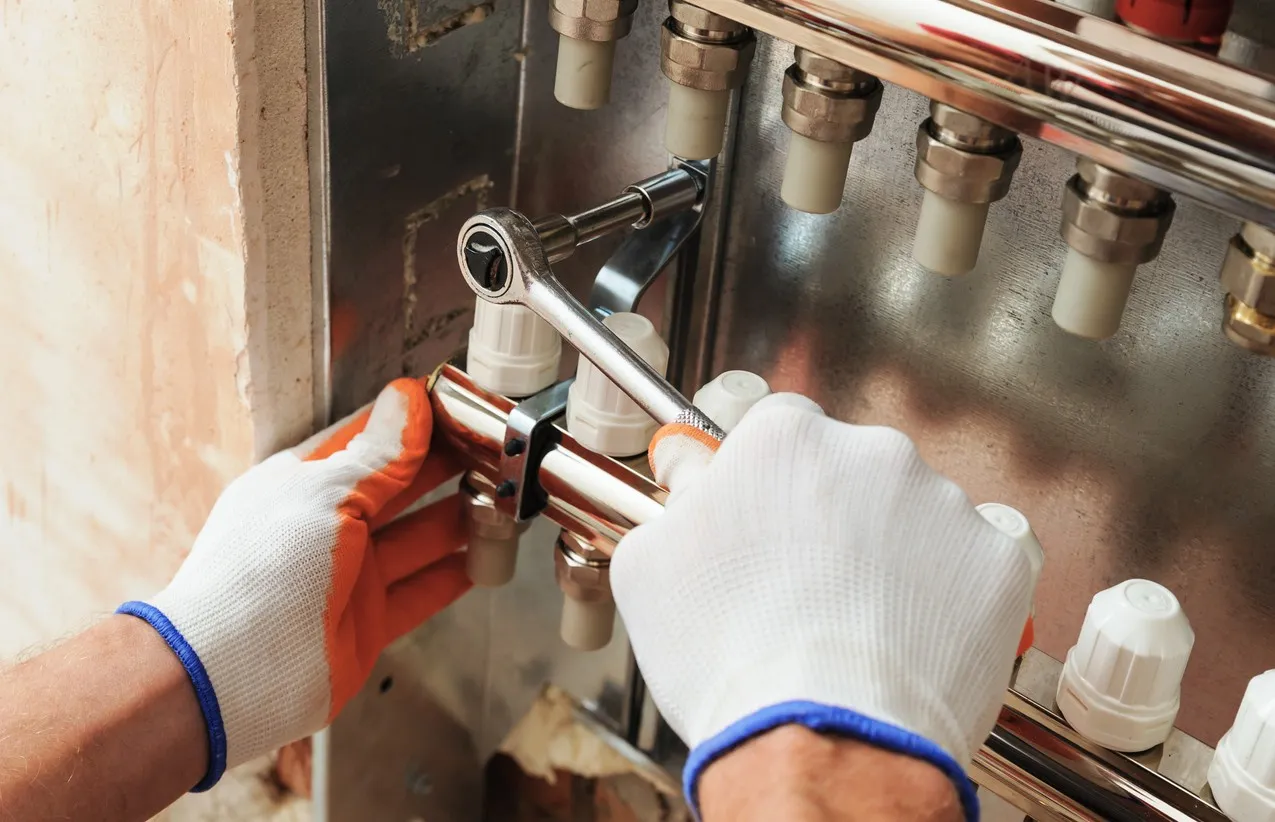
A high-quality installation follows a rigorous, standardized procedure to ensure safety and longevity. We do not skip steps. From the moment the technicians arrive, the focus is on protecting your property and ensuring the new system integrates perfectly with your existing ductwork and infrastructure.
- Site Preparation and Safety Setup: The workspace is prepared with drop cloths to protect flooring. Technicians turn off gas and electrical supplies to the existing unit to ensure a safe working environment.
- Removal of Existing Equipment: The old furnace or heat pump is disconnected. This involves carefully capping gas lines and disconnecting electrical wiring. The old unit is removed from the premises for proper disposal, adhering to environmental regulations regarding refrigerant and metal recycling.
- Ductwork and Plenum Modification: New units often have different dimensions than older models. The supply and return plenums (the metal boxes that connect the furnace to the ductwork) are modified or rebuilt to ensure an airtight seal. This step is critical for preventing air leaks that sabotage efficiency.
- Positioning and Connection: The new unit is leveled and secured. Leveling is vital for proper drainage in high-efficiency condensing furnaces and to reduce vibration noise. Once positioned, the gas lines, electrical wiring, and flue pipes are reconnected.
- Venting and Drainage: High-efficiency units produce condensation and require specific PVC venting and drainage solutions. These lines are run to the exterior or a floor drain, ensuring acidic condensate does not damage the floor or the equipment.
- System Commissioning and Testing: Simply turning the unit on is not enough. Technicians measure gas pressure, static air pressure, and temperature rise (the difference in temperature between the air entering and leaving the furnace). These metrics must match the manufacturer’s specifications.
- Final Walkthrough: You receive a complete explanation of the new thermostat operation, filter maintenance requirements, and warranty documentation.
When to Replace vs. Repair Your Heating System
Deciding between sinking money into a repair or investing in a new installation is a common dilemma. While repairs are often cheaper upfront, they can be financially draining over time if the system is nearing the end of its lifecycle.
Age of the Unit
Most gas furnaces last between 15 and 20 years, while heat pumps typically last 10 to 15 years. If your system is over 15 years old, parts are likely becoming obsolete, making repairs more expensive and harder to source. At this stage, a major component failure—like a cracked heat exchanger or a blown compressor—usually signals the need for replacement.
Frequency and Cost of Repairs
The "50% Rule" is a reliable metric. If the cost of the repair approaches 50% of the cost of a new system, replacement is the smarter financial move. Additionally, if you have required multiple repairs in the last two years, the system is likely entering a phase of rapid decline. All Day Comfort Heating and Cooling LLC recommends evaluating the total cost of ownership over the next three years when making this decision.
Rising Energy Bills
As systems age, they lose efficiency due to wear and tear on motors and heat exchangers. If your heating habits haven't changed but your energy bills have spiked, the system is working harder to produce the same amount of heat. Upgrading to a modern system can often offset the monthly payment of a new unit through energy savings alone.
Comfort and Safety Issues
Old furnaces are the primary source of carbon monoxide leaks in homes due to cracked heat exchangers. If you notice rust around the unit, soot near the registers, or yellow burner flames instead of blue, immediate replacement is often a safety necessity. Furthermore, if some rooms are freezing while others are hot, the existing system likely lacks the variable-speed blower technology found in new models that balances airflow.
Navigating Local Requirements and Climate Factors
Installing a heating system in this region requires specific knowledge of local building codes and climate demands. The area sees significant snowfall, averaging 15 inches annually, and temperatures that frequently drop below freezing.
Permitting and Code Compliance
Local municipalities require permits for all HVAC installations to ensure the work meets safety standards. This includes proper sizing of gas lines, correct electrical circuit dedication, and venting clearances. Unauthorized installations can void home insurance policies and create hurdles when selling a home. Professional installation includes handling the permit application and scheduling the required municipal inspection upon completion.
Utility Configurations
Homes in the area may rely on natural gas, propane, or electric heat pumps. Each fuel source dictates specific installation protocols. For example, high-efficiency gas furnaces require a dedicated drainage system for condensate, which must be routed correctly to prevent freezing in unconditioned spaces like attics or crawlspaces.
Climate-Specific Accessories
Given the dry winter air, many homeowners opt to integrate whole-home humidifiers during the heating installation. This protects wood flooring and furniture from cracking and improves respiratory comfort. Additionally, high-efficiency filtration systems are often recommended to maintain indoor air quality during the months when windows are kept shut.
The Importance of Professional Execution
The brand of equipment you choose matters less than the quality of the installation. A top-tier furnace installed poorly will fail sooner and run less efficiently than a mid-range unit installed perfectly. Professional execution ensures that the manufacturer’s warranty remains valid. Manufacturers can—and do—deny warranty claims if a failure is traced back to improper installation, such as restricted airflow or incorrect gas pressure.
Technicians focus on the "invisible" details. This includes sealing ductwork connections with mastic to prevent air loss, ensuring the flue pipe has the correct slope to vent dangerous gases, and calibrating the blower motor to match the static pressure of your specific duct system.
Securing a professional installation guarantees that the investment made in your home enhances its value and safety. It ensures that when the temperature drops, your system responds immediately and quietly, without the risk of sudden failure.
Secure Your Comfort This Winter
Don't wait until the first blizzard to address a failing heating system. Proactive installation ensures you are not left in the cold waiting for emergency service during peak demand. All Day Comfort Heating and Cooling LLC is ready to help you select and install the right system for your specific needs.
Take control of your home’s climate today. Reach out now to schedule your installation or consultation.
Contact Us
customer reviews
Areas We Serve



Copyright © 2026 All Day Comfort Heating and Cooling.
All rights reserved.
