




HVAC Service in Lenexa, KS
Need HVAC repair in Lenexa? Contact All Day Comfort Heating and Cooling LLC for rapid, thorough diagnostic services and restore your system's efficiency quickly. Schedule your visit today!
Restore Comfort and Safety When Your System Fails
A heating or cooling failure does more than just make your home uncomfortable; it disrupts your daily routine and can pose safety risks during extreme weather. All Day Comfort Heating and Cooling LLC delivers rapid, diagnostic-led solutions to stabilize your indoor climate and protect your property. Contact us immediately to schedule a service visit or discuss financing options for your repair.
When your HVAC system stops working efficiently in Lenexa, you need a solution that addresses the root cause rather than just treating the symptom. Our technicians arrive prepared to handle complex mechanical issues, ensuring your system returns to peak performance quickly. We prioritize clear communication and technical precision to minimize downtime for your household.
- Immediate response protocols for urgent heating and cooling failures.
- Comprehensive system restoration ensuring efficiency across all seasons.
- Free consultations to evaluate your specific repair or replacement needs.
- Certified technicians ensure full compliance with local codes, backed by solid warranties.
Comprehensive HVAC Diagnostic and Repair Protocols
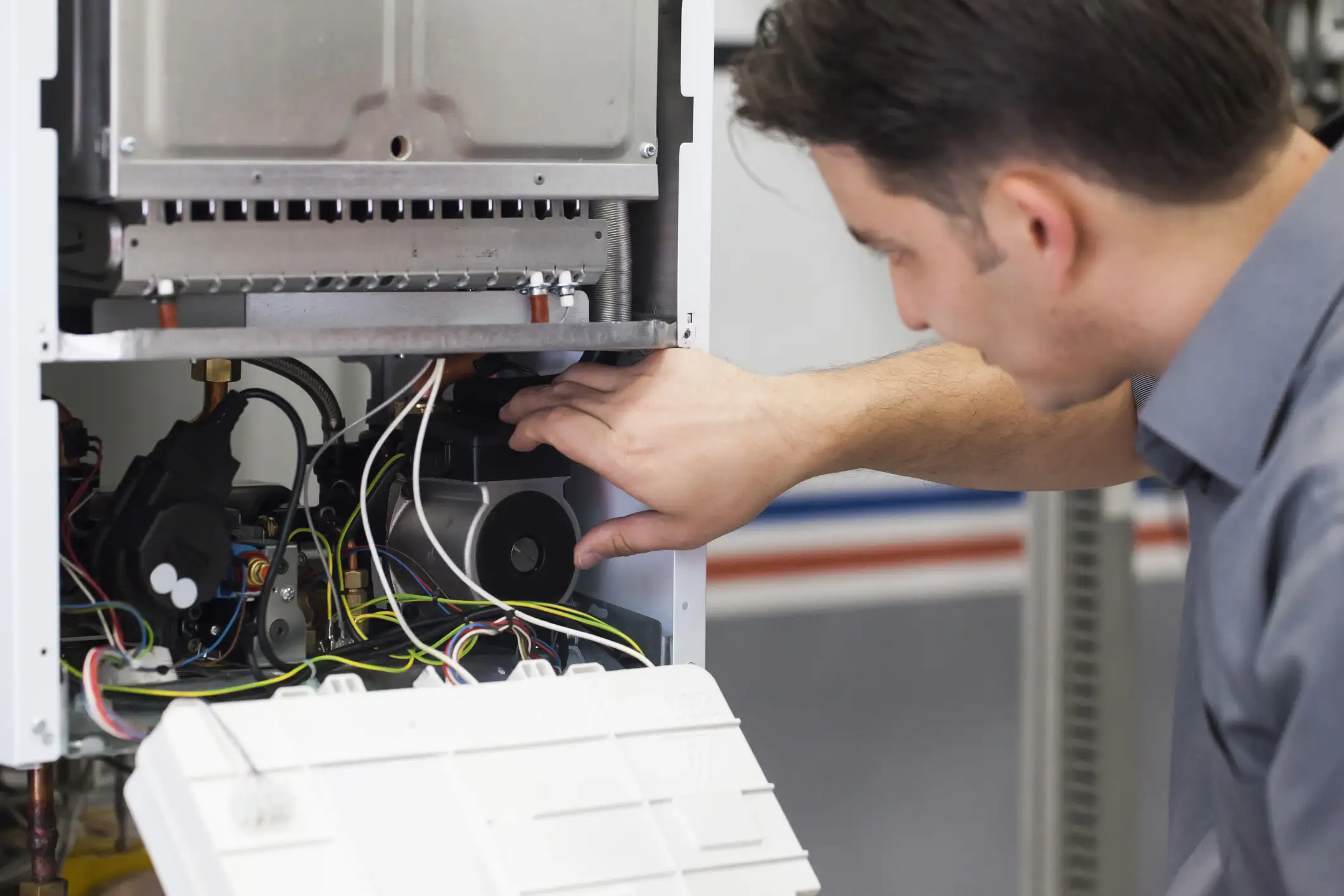
When a technician arrives at your property, the objective is to perform a systematic analysis of the entire heating and cooling infrastructure. Modern HVAC systems are complex networks of electrical, mechanical, and airflow components. A thorough service visit moves beyond a quick glance and involves using advanced diagnostic tools to read pressure levels, electrical voltage, and airflow static pressure. This data-driven approach allows for accurate identification of issues ranging from refrigerant leaks to failing electrical contactors.
Homeowners in Lenexa often experience performance drifts where the system runs but fails to hold the set temperature. This is often due to airflow restrictions or component fatigue. Professional service addresses these subtleties. The scope of work typically covers the calibration of thermostats, inspection of heat exchangers for cracks (crucial for carbon monoxide safety), and cleaning of condenser coils to ensure proper heat rejection. By addressing these specific mechanical needs, the lifespan of the unit is extended, and energy consumption is stabilized.
Cooling System Specifics
During the warmer months, the focus shifts to heat rejection and humidity control. The service includes checking the refrigerant charge to ensure it meets manufacturer specifications. Undercharged or overcharged systems work harder to cool the air, leading to premature compressor failure. Technicians also inspect the condensate drain line to prevent water damage from clogs and verify that the blower motor is moving the correct volume of air across the evaporator coil.
Heating System Specifics
In the colder season, safety becomes the primary concern alongside comfort. For gas furnaces, the inspection involves a rigorous check of the combustion process. This includes examining the burner assembly for proper ignition, testing the flame sensor for accurate operation, and verifying the integrity of the venting system. For heat pumps, the focus includes checking the reversing valve and ensuring the defrost cycle operates correctly to prevent ice buildup on the outdoor unit.
The Service and Installation Process Explained
Understanding the sequence of events during a service call or installation helps remove the stress associated with HVAC work — request service online. The process is designed to be transparent, respectful of your property, and technically sound. From the moment the truck arrives, the focus is on delivering a solution that adheres to industry best practices.
- First, the technician conducts a site assessment and respects your home by wearing shoe covers and using drop cloths where necessary.
- Next, a series of diagnostic tests are run to isolate the issue, utilizing multimeters and pressure gauges to gather hard data on system performance.
- Following the diagnosis, the technician presents a clear explanation of the findings, outlining the necessary repairs, parts required, and the timeline for completion.
- Once the repair or installation is approved, the work is executed with precision, including the removal of any old components and the calibration of new parts.
- Finally, the system is tested through a full operational cycle to verify that airflow, temperature differential, and safety controls are functioning exactly as intended before the technician departs.
Evaluating Repair vs. Replacement Scenarios
One of the most critical decisions a homeowner faces is determining when to stop repairing an aging unit and invest in a modern replacement. This decision should be based on data, financial logic, and the long-term outlook of the system’s performance. While repairs can solve immediate problems, they may not always be the most cost-effective strategy for equipment that has exceeded its expected service life.
The Age and Efficiency Factor
HVAC systems generally have a lifespan of 10 to 15 years. As systems age, their energy efficiency capability—measured in SEER2 for cooling and AFUE for heating—declines. A unit installed over a decade ago likely operates at a significantly lower efficiency tier than current models. If your current system utilizes phased-out refrigerants like R-22, the cost of recharging the system due to a leak can be prohibitively expensive, making replacement a more logical financial move.
The Frequency of Breakdown
If you find yourself calling for service multiple times a year, the cumulative cost of these repairs often approaches or exceeds the cost of a down payment on a new system. A reliable rule of thumb used by many industry professionals is the "50% rule." If the cost of the repair is 50% or more of the value of a new system, replacement is generally recommended. Additionally, if the system has a major component failure, such as a blown compressor or a cracked heat exchanger, replacement is almost always the safer and more economic choice.
Performance and Comfort Discrepancies
Older units often struggle to maintain consistent temperatures room-to-room. If certain areas of your home are perpetually hot or cold despite the thermostat setting, it indicates that the system’s capacity or blower performance is no longer adequate for the home’s thermal load. Modern variable-speed systems offer precise modulation that older single-stage units cannot match, providing superior humidity control and temperature consistency.
Local Climate Considerations and Compliance
Operating an HVAC system in this region requires specific attention to the drastic temperature swings between summer and winter. In Lenexa, the climate demands a system that can handle high humidity loads in July and August while providing reliable, safe heat during sub-freezing January nights. This duality means that equipment must be sized correctly not just for heating or cooling, but for both extremes. An undersized unit will run continuously without reaching the set point, while an oversized unit will short-cycle, leading to high humidity levels and wear on components.
Regulatory and Permit Requirements
Any significant HVAC work, particularly system replacements, is subject to local building codes and permitting requirements. These regulations are in place to ensure safety and energy efficiency. Compliance involves ensuring that electrical connections meet current safety standards, gas piping is pressure-tested, and venting systems meet clearance requirements. Professional providers handle the permitting process, ensuring that the installation passes all necessary municipal inspections. This is vital for maintaining the resale value of your home and ensuring insurance compliance.
Utility Provider Integration
Local energy providers often have specific requirements for grid connectivity and efficiency standards. Modern high-efficiency systems can sometimes qualify for rebates or incentives, but these programs require strict adherence to installation protocols and load calculation standards (Manual J). Ensuring your system matches these local utility expectations can result in lower monthly operational costs.
Seasonal Maintenance Timing
Given the distinct seasons, timing your service visits is crucial. Spring maintenance should focus on preparing the AC for the heavy latent heat load of summer, specifically checking capacitors and contactors which are prone to failure in high heat. Fall maintenance is essential for verifying the safety of gas-fired equipment before the windows are closed for winter. Neglecting these seasonal checkpoints often leads to breakdowns during the first heat wave or freeze of the season, when service demand is at its peak — sign up for maintenance now.
The Importance of Air Quality
Beyond temperature control, the modern HVAC service provider must address indoor air quality. Tightly sealed homes in the suburbs can trap pollutants, allergens, and humidity. Advanced service includes evaluating filtration effectiveness and suggesting solutions like whole-home dehumidifiers or high-efficiency media filters. This holistic approach ensures that the air you breathe is as clean as it is comfortable.
Long-Term Asset Protection
Your heating and cooling system is likely one of the most expensive appliances in your home. Treating it with professional care protects that capital investment. Regular, professional attention prevents the "drift" in performance that slowly erodes efficiency and leads to catastrophic failure. By partnering with a dedicated service team, you shift from a reactive state of emergency repairs to a proactive state of managed asset care.
Why Technical Expertise Matters
In the HVAC industry, the quality of the installation and service is just as important as the brand of equipment being installed. A top-tier furnace or air conditioner will underperform if it is not calibrated correctly during installation. Technical expertise ensures that ductwork is properly sealed to prevent energy loss, that refrigerant lines are brazed with nitrogen to prevent internal oxidation, and that airflow is balanced to match the manufacturer's fan charts.
All Day Comfort Heating and Cooling LLC focuses on the science of indoor air comfort. We employ technicians who understand the thermodynamics of your home. This technical proficiency translates into systems that run quieter, last longer, and use less energy. We do not rely on guesswork; we rely on diagnostic tools and industry standards to dictate our repair and installation strategies.
When you choose a service provider, you are looking for accountability. You need to know that the technician standing in your utility room has the training to identify potential hazards that others might miss. Whether it is detecting a micro-leak in a coil or identifying a voltage imbalance that could fry a compressor, the depth of technical knowledge directly impacts the reliability of your home’s comfort system.
Contact Us Today!
Secure the longevity and efficiency of your HVAC system today. By addressing minor issues before they escalate and ensuring your equipment is correctly calibrated for the local climate, you protect your home and your wallet.
To schedule your comprehensive system evaluation or emergency repair, contact our team.
Contact Us
customer reviews
Areas We Serve




Copyright © 2026 All Day Comfort Heating and Cooling.
All rights reserved.
