




AC Service in Lenexa, KS
Experiencing AC issues in Lenexa, KS? Contact us for expert AC repair and service. Fast response, comprehensive diagnostics, and immediate solutions. Schedule now!
Is Your Cooling System Failing When You Need It Most?
Is your air conditioner blowing warm air or making strange noises while the humidity outside continues to rise? You need fast, expert service to restore comfort to your home before the heat becomes unbearable; contact us immediately to schedule a diagnostic visit or inquire about financing options.
When an AC unit malfunctions during a heatwave, waiting days for a technician is not an option. You need a team that arrives equipped to handle the specific cooling challenges found in Lenexa, KS. Whether it is a minor electrical issue or a complete system failure, our goal is to diagnose the root cause accurately and implement a lasting solution on the first visit.
- Expert technicians available 24/7 for immediate response to breakdowns.
- Comprehensive service capabilities for all major AC models and makes.
- Upfront pricing structures with flexible financing options available.
- Licensed and insured—satisfaction guaranteed with every repair and service.
Comprehensive Diagnostics and Immediate Repair Solutions
When you notice a spike in your energy bills or inconsistent temperatures across different rooms, it usually indicates an underlying mechanical issue. Professional AC service begins with a thorough diagnostic process designed to pinpoint inefficiencies that generic troubleshooting often misses. A technician does not just look at the thermostat; they inspect the entire refrigerant cycle, airflow dynamics, and electrical components.
Modern air conditioning systems are complex machines that rely on precise pressure levels and voltage. A standard service call involves checking the refrigerant charge to ensure it meets the manufacturer’s specifications. If the refrigerant is low, it indicates a leak that must be sealed before recharging; simply adding more fluid is a temporary fix that will damage the compressor over time. Technicians also inspect the condensate drain line. In humid climates, this line can become clogged with algae or debris, leading to water damage or triggering the safety float switch that shuts down the system entirely.
Electrical components are another frequent point of failure. Capacitors, contactors, and wiring connections wear out due to the high demand placed on the system during peak summer months. A swollen capacitor or a pitted contactor can prevent the compressor from starting, rendering the outdoor unit useless even if the indoor fan is blowing. Service visits include testing these components with multimeters to ensure they are within safe operating ranges. By identifying parts that are on the verge of failure, you avoid the inconvenience of a total system breakdown later in the season — join our maintenance plan today.
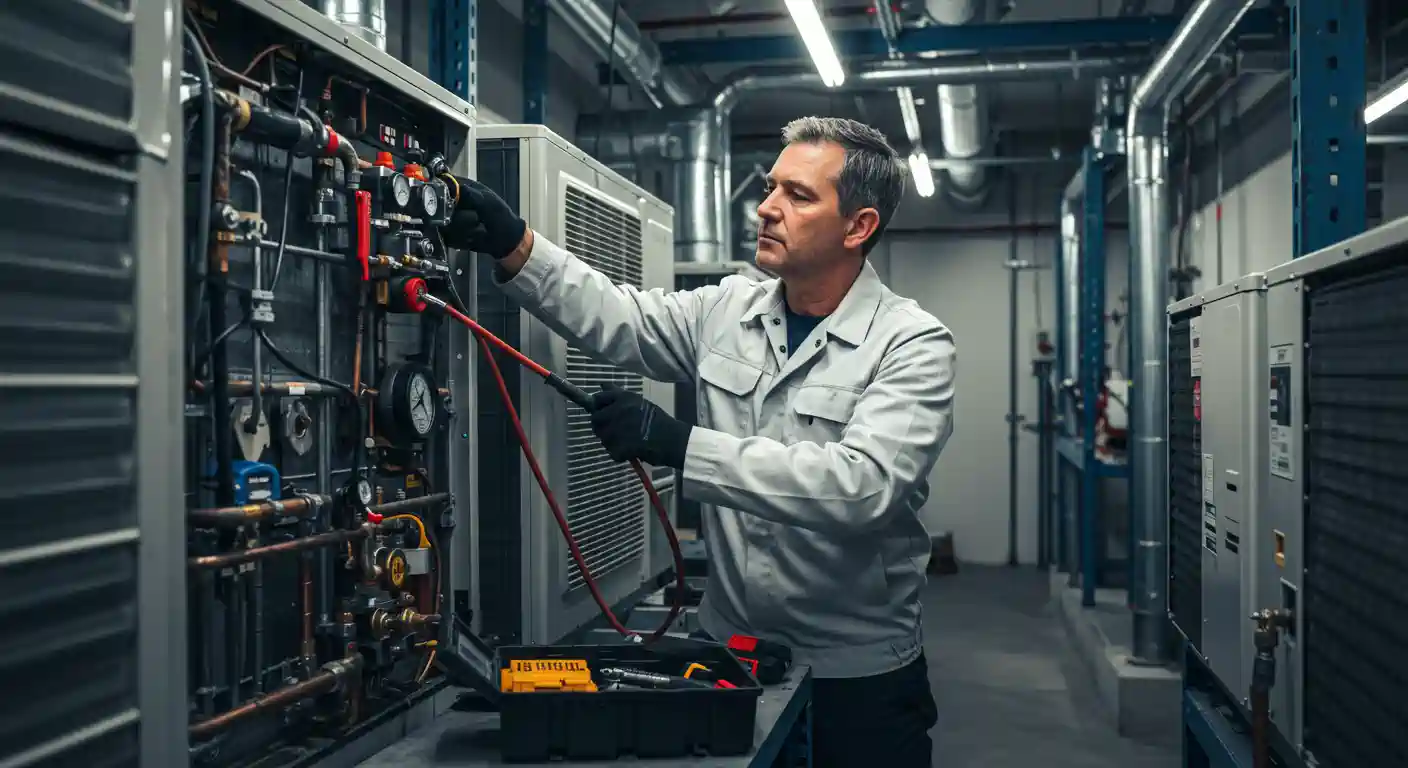
Understanding the Service and Restoration Process
Professional AC service follows a structured workflow to ensure safety and efficiency. This process is designed to minimize disruption to your day while ensuring the cooling system is restored to optimal performance.
- Initial Assessment and Safety Check: The technician begins by turning off power to the unit to safely inspect internal components. They listen for unusual sounds, smell for electrical burning, and look for visible signs of wear, such as oil spots that indicate refrigerant leaks.
- System Testing and Isolation: Using specialized gauges and temperature probes, the technician measures the system’s "subcooling" and "superheat." These metrics tell the exact story of how the refrigerant is changing states inside the coils. If these numbers are off, the system is working too hard to cool the home.
- Cleaning and Component Maintenance: Airflow is critical for heat exchange. The service includes cleaning the outdoor condenser coils, which often get clogged with cottonwood, grass clippings, and dirt. On the indoor unit, the technician checks the evaporator coil and the blower motor. A buildup of dust on these parts acts as insulation, preventing the air from absorbing heat and causing the coil to freeze.
- Repair Execution and Verification: Once the issue is identified and approved, the repair is performed using OEM or high-quality aftermarket parts. After the part is installed, the system is not just turned on; it is cycle-tested. The technician measures the temperature drop (Delta T) between the return air and supply air to confirm the unit is actually cooling.
- Final Calibration: The thermostat is calibrated to ensure it reads the room temperature accurately. The technician also checks the ductwork near the unit for air leaks that could be wasting energy.
Deciding Between Repair and System Replacement
Homeowners often face the difficult decision of whether to pour more money into an aging unit or invest in a modern, energy-efficient replacement. Making this decision requires analyzing several technical and financial factors rather than guessing.
The Age of the Equipment
Most central air conditioners have a service life of 10 to 15 years. If your unit is approaching or has passed the 15-year mark, major repairs are often not cost-effective. Older units also utilize R-22 refrigerant (Freon), which has been phased out and is prohibitively expensive to restock. If an older unit has a refrigerant leak, replacement is almost always the smarter financial move.
The 50% Investment Rule
A common industry standard for decision-making is the 50% rule. If the cost of the repair approaches 50% of the value of a new system, you should replace it. For example, replacing a compressor on an out-of-warranty unit is a significant expense. When you factor in the efficiency gains of a new system—which will lower monthly utility bills—the long-term savings often outweigh the short-term cost of a band-aid repair.
Frequency of Breakdowns
If you have required multiple service calls in the last two years, the system is likely signaling the end of its life. Components tend to fail in a cascade; once the compressor struggles, it puts stress on the fan motor and capacitor. Continuing to repair individual parts can end up costing more than a monthly payment on a new, high-efficiency system.
Energy Efficiency and Comfort
Newer systems have higher SEER (Seasonal Energy Efficiency Ratio) ratings. A unit from 2005 might have a SEER rating of 10, whereas modern standards require a minimum of 13 or 14, with high-efficiency units reaching well above 20. Upgrading can reduce energy consumption by 20% to 40%. Additionally, modern systems often feature two-stage or variable-speed compressors that provide more consistent humidity control and temperature stability compared to older, single-stage models.
Local Climate Factors and Compliance
Operating an air conditioner in this region requires specific attention to environmental factors. The transition from intense heat and humidity in the summer to freezing winters creates a unique strain on HVAC equipment.
Humidity Management
In this area, the AC does more than just lower the temperature; it is the primary dehumidifier for the home. High humidity levels can make the air feel warmer than the thermostat reading, prompting homeowners to lower the setting even further. This overworks the unit. Properly serviced equipment ensures the evaporator coil gets cold enough to pull moisture out of the air effectively. If the system is oversized or short-cycling (turning on and off too quickly), it will cool the air but fail to remove humidity, leading to a clammy indoor environment. All Day Comfort Heating and Cooling LLC technicians verify that your system is sized and calibrated to handle this specific latent heat load.
Utility Requirements and Rebates
Local utility providers often offer rebates for upgrading to high-efficiency heat pumps and air conditioners. However, these rebates typically require the equipment to meet specific SEER2 and EER2 standards. Professional installation and servicing ensure that the paperwork and technical specifications match these requirements, allowing homeowners to take advantage of financial incentives.
Permits and Regulations
Major repairs, specifically system replacements, require adherence to local building codes. This includes proper clearance for outdoor units, correct sizing of electrical breakers, and safe routing of refrigerant lines. Neglecting these codes can lead to complications when selling a home or issues with insurance claims if a malfunction occurs. Professional service providers handle the logistical burden of ensuring all work remains compliant with municipal regulations.
Maximizing System Longevity Through Timely Action
Ignoring the early signs of AC failure inevitably leads to more expensive repairs and uncomfortable downtime. Whether it is a strange rattle, a sudden increase in electrical usage, or warm air blowing from the vents, immediate professional attention is the only way to secure the lifespan of your investment.
Your home comfort relies on a complex balance of airflow, pressure, and electricity. Trusting these systems to experienced professionals ensures that your cooling equipment operates efficiently through the hottest days of the year. All Day Comfort Heating and Cooling LLC is dedicated to providing the precise technical service required to keep your home cool and your system running at peak performance.
Technical Expertise and Safety Protocols
Attempting DIY repairs on an air conditioner is dangerous and often results in further damage. HVAC systems operate with high-voltage electricity and high-pressure gases. A mishandled capacitor can deliver a severe shock, and releasing refrigerant into the atmosphere is a violation of federal environmental laws.
Professional technicians carry the necessary certifications to handle refrigerants safely. They utilize recovery machines to capture old refrigerant, ensuring it does not harm the ozone layer. Furthermore, they are trained to identify safety hazards that a homeowner might miss, such as frayed wiring inside the condenser or burnt terminals that pose a fire risk.
Proper tools are essential for accurate diagnosis. Digital manifolds provide precise pressure and temperature readings that analog gauges cannot match. Thermal imaging cameras can detect heat loss in ducts or overheating electrical panels. An anemometer measures air velocity to ensure every room receives adequate airflow. By utilizing advanced diagnostic tools, professional service ensures the root cause is addressed, rather than just the symptom.
Call Us Now!
Do not wait for a complete system shutdown to seek help. Secure your comfort and protect your home from the heat today. Contact us now to schedule your AC service or repair.
Contact Us
customer reviews
Areas We Serve




Copyright © 2026 All Day Comfort Heating and Cooling.
All rights reserved.
