



Heating Repair in Lenexa, KS
Struggling with heating issues in Lenexa? Contact All Day Comfort Heating and Cooling LLC for rapid diagnostics and repairs. Ensure warmth and safety today!
Don't Shiver or Swelter: Reliable Heating Repair Available Now
Struggling with a broken heater amidst Lenexa’s frigid winters or sweltering summers can be unbearable, and waiting for a solution is not an option when temperatures drop to the low 20s. At All Day Comfort Heating and Cooling LLC, we ensure your heating systems are diagnosed accurately and repaired promptly to restore safety and warmth to your home. Contact us immediately to schedule service or inquire about our flexible financing options.
We prioritize your comfort with a service model built on speed and accuracy:
- Immediate assessment and rapid repair by certified technicians
- Available 24/7 for all heating emergencies
- Transparent pricing with no hidden costs
Licensed service backed by a satisfaction guarantee and flexible financing options ensures you never have to choose between your budget and your safety.
Comprehensive Diagnostics for Common Heating Failures
When a heating system fails, the symptoms are often obvious, but the root cause requires technical expertise to identify. Homeowners in Lenexa frequently encounter systems that blow cold air, refuse to turn on, or make alarming noises. Our approach involves a thorough inspection of the entire heating envelope, ensuring that we do not just patch a symptom but resolve the underlying mechanical or electrical failure.
Effective repair requires understanding the specific demands placed on equipment in this region. With annual precipitation around 36 inches and significant winter snowfall, moisture and freezing temperatures can wreak havoc on external components and exhaust vents. We tackle a wide range of heating system issues, from minor component replacements to complex system overhauls.
Addressing Furnace Malfunctions
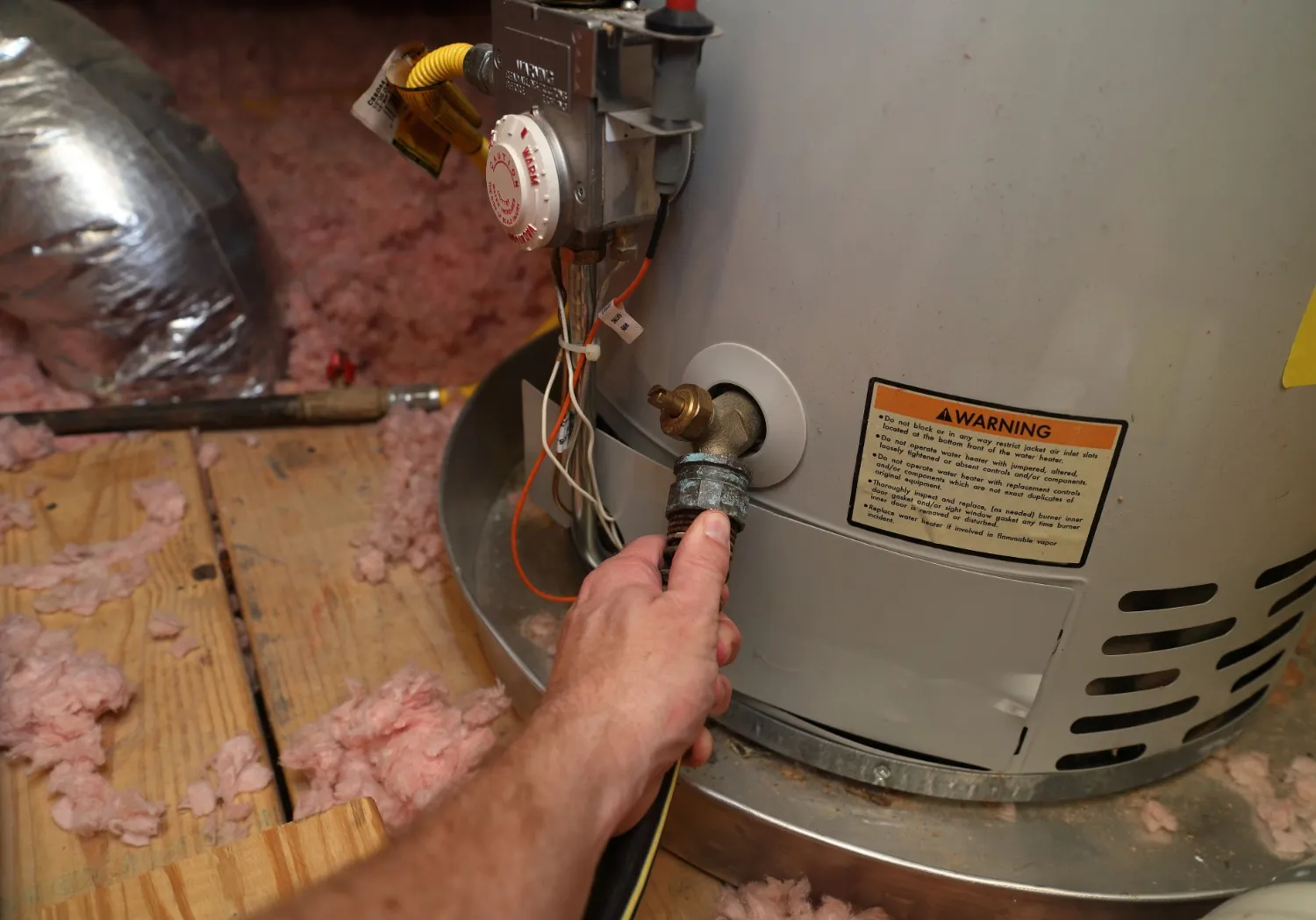
Gas and electric furnaces are the workhorses of many local homes. When these units falter, it is often due to specific wear-and-tear items that our trucks are stocked to replace immediately.
- Ignition Control and Pilot Light Issues: If a furnace fails to ignite, it is often a faulty igniter, a clogged pilot orifice, or a sensor failure. These components prevent the burners from engaging, leaving the house cold.
- Thermostat Disconnects: Sometimes the issue lies in the communication between the control unit and the furnace. We calibrate thermostats and check wiring to ensure the signal to heat is being received.
- Airflow Restrictions: A furnace that overheats and shuts down—a process known as short-cycling—often suffers from restricted airflow. This can be caused by clogged filters, blocked ducts, or a failing blower motor.
- Cracked Heat Exchangers: This is a critical safety concern. A crack in the heat exchanger can allow carbon monoxide to leak into the living space. We use specialized cameras and combustion analyzers to detect these cracks early.
Heat Pump Troubleshooting
Heat pumps are efficient, but they work overtime during the transition from the hot summers to the cold winters. Because they handle both heating and cooling, they experience double the wear of a standard furnace.
- Refrigerant Leaks: If a heat pump runs constantly but produces lukewarm air, it may be low on refrigerant. We locate the leak, repair the line, and recharge the system to manufacturer specifications.
- Defrost Cycle Failures: In winter, the outdoor unit can freeze over. If the defrost board or sensors fail, the unit becomes encased in ice, halting heat transfer.
- Reversing Valve Problems: The reversing valve switches the unit from cooling to heating mode. If this valve sticks, the system will remain locked in one mode, unable to provide heat when the season changes.
What to Expect During Your Heating Repair Service
A professional repair visit is structured to minimize disruption to your day while ensuring the highest standard of technical work. The goal is to move from "broken" to "fully operational" in the shortest time frame possible.
Step 1: System Assessment and Safety Check
Upon arrival, the technician conducts a safety sweep. This involves checking for gas leaks, testing carbon monoxide levels, and inspecting the electrical disconnects. Once the environment is deemed safe, we run a diagnostic cycle to replicate the failure. This helps pinpoint exactly which component is interrupting the heating sequence.
Step 2: Clear Explanation and Estimate
You will receive a detailed explanation of the problem. We do not use jargon; instead, we explain what part failed, why it failed, and what is required to fix it. You are provided with a clear quote before any work begins. This transparency ensures you remain in control of the service experience.
Step 3: Execution of Repairs
Once approved, the repair is performed using high-quality, OEM-grade parts. Whether it involves swapping out a capacitor, cleaning a flame sensor, or replacing a blower motor, the work is done efficiently. We maintain a tidy workspace and protect your flooring and property throughout the process.
Step 4: Performance Testing
Replacing the part is not the end of the job. The system must be tested to ensure it cycles correctly. We measure temperature rise—the difference between the air going into the furnace and the air coming out—to verify the system is generating the correct amount of heat. We also verify that all safety switches are active and functioning.
Repair vs. Replacement: Making the Right Financial Decision
Homeowners often face a difficult choice when an older unit breaks down: is it worth fixing, or is it time to invest in a new system? This decision should be based on data and financial logic rather than pressure.
We help you evaluate the viability of a repair by looking at three main factors:
- The Age of the System: The average lifespan of a gas furnace is 15 to 20 years, while heat pumps typically last 10 to 15 years. If your unit is approaching the end of this window, a major repair might be throwing good money after bad.
- The Cost of Repair: A common industry standard is the "$5,000 Rule." Multiply the age of the equipment by the estimated repair cost. If the total exceeds $5,000, replacement is generally the wiser financial move. For example, a $500 repair on a 12-year-old furnace (12 x 500 = 6,000) suggests replacement is better.
- Frequency of Breakdowns: If you have required repairs more than twice in the last two years, the system is likely becoming unreliable. Constant minor repairs add up quickly and often signal a looming catastrophic failure.
- Efficiency Performance: Older units often operate at 60% to 70% AFUE (Annual Fuel Utilization Efficiency), meaning 30 to 40 cents of every dollar spent on gas goes up the flue. Modern systems reach 95% efficiency or higher. If your energy bills are spiking, a repair won't solve the underlying inefficiency.
Local Factors Impacting Heating Performance
Operating a heating system in this region presents unique challenges that generic advice often misses. The local climate and regulatory environment dictate how repairs should be approached to ensure longevity and compliance.
Managing Severe Weather Swings
The area sees temperature fluctuations from the mid-90s in summer to the low 20s in winter. This wide variance causes thermal expansion and contraction in venting pipes and gas lines, which can lead to loose connections over time. Additionally, with winter snowfall ranging from 15 to 20 inches, external vents for high-efficiency furnaces can easily become blocked by snow drifts. A blocked intake or exhaust pipe will trigger safety switches that shut the furnace down immediately. Part of our repair service often involves checking these termination points to ensure they are positioned correctly to withstand local snow accumulation.
Navigating Permits and Utility Requirements
For significant repairs that involve altering gas lines or electrical circuits, local building codes must be followed. Lenexa and the surrounding Johnson County area have specific requirements regarding flue venting and gas piping materials to prevent fire hazards. Furthermore, local utility providers may offer rebates or require specific safety inspections when recommissioning a gas appliance that has been shut off for repair. We navigate these regulations on your behalf, ensuring that all work is code-compliant and safe.
The Role of Humidity Control
Winters here can be incredibly dry. While not a direct "breakdown," the lack of humidity can make the air feel colder than the thermostat reading, causing homeowners to crank up the heat and overwork the furnace. Integrating or repairing whole-home humidifiers is often a necessary adjunct to heating repair to ensure true comfort and reduce the strain on the heating element.
Maintaining Your System Post-Repair
Once your heating system is operational, the goal shifts to keeping it that way. While we are always ready to respond to emergencies, we also advocate for proactive measures that homeowners can take to extend the life of their repair.
- Filter Management: The single most common cause of heating failure is a dirty filter. We recommend checking filters monthly and replacing them at least every 90 days. A clean filter ensures proper airflow, preventing the system from overheating.
- Vent Clearance: Keep the area around your furnace and outdoor heat pump clear. Remove items stored near the indoor unit to ensure it has enough combustion air, and keep shrubs and snow cleared away from the outdoor unit to allow for proper heat exchange.
- Register Discipline: Avoid closing too many supply vents in unused rooms. Closing vents increases pressure in the ductwork, which can increase the load on the blower motor and reduce efficiency.
- Listen to Your System: You know what your home sounds like. If you hear new rattles, buzzes, or squeals shortly after a repair or months down the line, do not ignore them. Early detection of loose components can prevent secondary damage.
Restoring Warmth to Your Home
When your heat goes out, you need a partner who understands the urgency of the situation and possesses the technical capability to resolve it permanently. We do not offer quick patches; we offer solutions that account for the age of your home, the specific model of your equipment, and the demands of the local climate. From the initial diagnostic to the final safety check, our process is designed to deliver peace of mind.
The Value of Professional Certification and Experience
In an industry where safety is paramount, the qualifications of the technician entering your home matter. Heating systems involve combustible gases, high-voltage electricity, and carbon monoxide exhaust. Attempting DIY repairs or hiring unlicensed handymen can lead to dangerous situations and voided manufacturer warranties.
Technical Expertise
Modern heating systems rely on complex circuit boards and variable-speed motors. Diagnosing these requires advanced multimeters and combustion analysis tools, not just a wrench. At All Day Comfort Heating and Cooling LLC, our technicians undergo continuous training to stay current with the latest HVAC technology. This ensures that whether you have an aged boiler or a cutting-edge communicating furnace, the repair is handled correctly the first time.
Warranty Preservation
Most equipment manufacturers strictly require that repairs be performed by licensed professionals to maintain the warranty coverage. Using unauthorized parts or failing to document the repair process correctly can leave you without coverage if a major component, like a compressor or heat exchanger, fails later. We provide full documentation of all repairs, preserving your warranty status and protecting your investment.
Safety Verification
Our responsibility extends beyond getting the heat back on. We verify the integrity of the heat exchanger and the proper venting of exhaust gases. Carbon monoxide is odorless and deadly; a professional repair always includes a combustion analysis to ensure your family is safe from this silent threat.
Call Us Now!
If you are currently facing a heating emergency or suspect your system is not operating safely, prompt action is required. Delaying repairs can lead to more extensive damage or safety hazards. Trust All Day Comfort Heating and Cooling LLC to bring reliable, efficient warmth back to your living space. Secure your comfort today—contact us now for expert heating repair.
Contact Us
customer reviews
Areas We Serve



Copyright © 2026 All Day Comfort Heating and Cooling.
All rights reserved.
