




HVAC Maintenance in Lee's Summit, MO
Schedule a professional HVAC maintenance in Lee's Summit, MO to prevent system failures. Book today and ensure your home remains comfortable year-round.
Prevent System Failures Before They Disrupt Your Comfort
Ignoring irregular noises, weak airflow, or unexpectedly high energy bills can lead to a complete system breakdown right when you need your climate control the most. You need a thorough, professional inspection to ensure your home remains safe and comfortable regardless of the forecast. Schedule your comprehensive system tune-up today or apply for financing to cover necessary upgrades.
Residents in Lee's Summit, MO know that our weather is unforgiving, swinging from humid, stifling summers to freezing, snowy winters. Waiting until your furnace or air conditioner stops working effectively is a gamble that often results in expensive emergency repairs. All Day Comfort Heating and Cooling LLC provides rigorous maintenance protocols designed to identify small issues before they become major catastrophes:
- Rapid response capabilities ensure your system is optimized without long wait times.
- Certified, expert technicians who perform deep-cleaning and precision adjustments.
- Transparent reporting on system health with flexible financing options for any required repairs.
- All maintenance services are backed by a satisfaction guarantee and adherence to local safety standards.
The Scope of Professional HVAC Maintenance
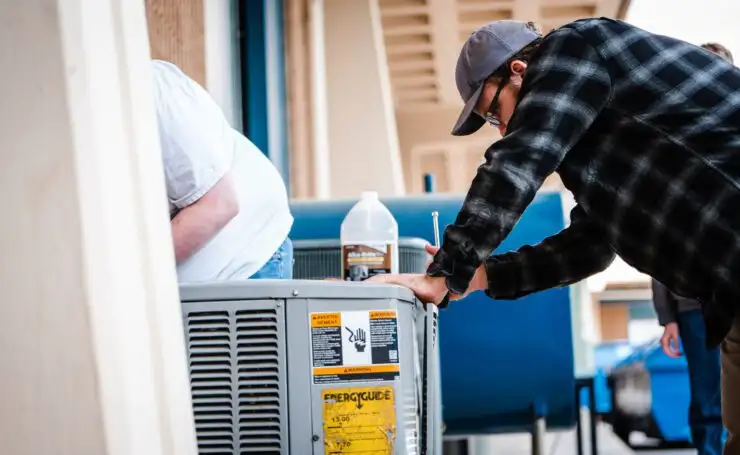
When you book a professional maintenance visit, you are paying for more than a quick visual inspection. A true tune-up involves a granular analysis of the mechanical, electrical, and thermodynamic functions of your heating and cooling equipment. The goal is to restore the unit to factory specifications, ensuring it runs as efficiently as the day it was installed:
Cooling System Checkpoints
During the warmer months, the focus shifts to heat rejection and humidity control. The technician focuses on the following critical areas:
- Condenser and Evaporator Coils: Dirt and debris act as an insulator on coils, preventing the system from absorbing or releasing heat. Cleaning these coils is essential for maintaining energy efficiency and preventing the compressor from overheating.
- Refrigerant Charge: Incorrect refrigerant levels—whether too low due to a leak or too high due to amateur overcharging—can destroy a compressor. Technicians measure superheat and subcooling to ensure the charge is exact.
- Condensate Drain Lines: Algae and mold often grow in the moisture-rich environment of a drain line. Clearing these blockages prevents water from backing up and causing structural damage to your ceilings or floors.
- Electrical Components: Capacitors, contactors, and wiring connections vibrate loose or wear out over time. Testing the microfarads on capacitors ensures the motor starts and runs with the correct voltage, preventing burnout.
Heating System Checkpoints
As the season turns cold, safety becomes the primary concern alongside efficiency. The maintenance protocol adjusts to cover combustion and airflow:
- Heat Exchanger Inspection: This is the most critical safety check. Technicians look for cracks or corrosion that could allow deadly carbon monoxide to leak into your living space.
- Burner Assembly: Dirty burners result in improper combustion, reducing heat output and increasing soot buildup. Cleaning the assembly ensures a clean, blue flame.
- Ignition Systems: Whether your system uses a pilot light, hot surface igniter, or spark ignition, these components are tested for reliable operation so you aren't left without heat on a freezing night.
- Flue Drafting: Ensuring that exhaust gases are properly venting out of the home is non-negotiable for occupant safety.
Understanding Our Maintenance Process
Knowing exactly what happens during a service call eliminates uncertainty. The process is designed to be thorough yet efficient, respecting your time and your property:
- Arrival and Site Protection: The technician arrives within the scheduled window, equipped with the necessary tools and parts. Upon entering your home, shoe covers and drop cloths are used to protect your flooring and keep the work area clean.
- Initial Operation Test: Before opening the unit, the system is run through a full cycle to listen for unusual sounds, check airflow, and establish a baseline of performance.
- Shut Down and Lock Out: Power is safely disconnected to the unit to prevent accidental startup while the technician is working on internal components.
- Deep Cleaning and Adjustment: This is the core of the service. Panels are removed, debris is vacuumed, motors are lubricated (if applicable), and electrical connections are tightened.
- Filter Assessment: The air filter is checked. If it is a standard disposable filter, it is replaced. If it is a washable filter or a specialized media cabinet, it is cleaned or a replacement is recommended.
- Final System Test: Once reassembled, the power is restored, and the system is tested again. Technicians measure temperature splits (the difference between supply and return air) to verify the system is cooling or heating effectively.
- Performance Report: You receive a detailed account of what was done, the current status of your equipment, and any recommendations for proactive repairs or future replacement needs.
Deciding Between Repair and Replacement
A common question during a maintenance visit is whether it is worth putting money into an aging system or if it is time to upgrade. While maintenance extends the life of your equipment, there comes a tipping point where replacement is the more financial savvy decision:
The 50% Rule
A general guideline used in the industry is the 50% rule. If the cost of a necessary repair approaches 50% of the value of a new system, replacement is usually the better option. New systems come with warranties and higher efficiency ratings that can offset the upfront cost over time.
Frequency of Breakdowns
If you find yourself calling for service multiple times a year despite regular maintenance, the system has likely reached the end of its reliable lifespan. Constant repairs are a drain on your finances and indicate that major components are failing in succession.
Energy Efficiency Limitations
Older units often have SEER (Seasonal Energy Efficiency Ratio) ratings well below modern standards. A system installed 15 years ago may be operating at 10 SEER or less, whereas modern units can exceed 20 SEER. Upgrading can significantly reduce monthly utility bills, paying for the installation over time through energy savings alone.
Comfort Issues
If some rooms in your home are always too hot while others are too cold, or if the unit runs constantly without reaching the set temperature, it may be undersized or suffering from compressor fatigue. Maintenance can improve this, but it cannot fix a system that was effectively mis-sized or has lost significant compression.
Local Insights: Navigating Seasonal Considerations
Operating HVAC equipment in Lee's Summit requires specific attention to the regional climate. The local weather patterns exert unique stresses on heating and cooling infrastructure that generic maintenance plans might miss:
Managing High Humidity
Summers here bring intense humidity. An air conditioner does two jobs: it cools the air and it removes moisture. If the evaporator coil is dirty or the airflow is restricted, the system cannot effectively dehumidify the home. This leads to a clammy feeling indoors, forcing you to lower the thermostat further and waste energy. Regular maintenance ensures the latent cooling capacity (moisture removal) is optimized for these muggy months.
Preparing for Freezing Conditions
With average annual snowfall around 12 inches and temperatures that drop well below freezing, your furnace works overtime in the winter. The transition period in autumn is critical. A system that ran fine during a mild winter day may fail when the temperature plummets zero. Ensuring the furnace can handle "high fire" or second-stage heating is a key part of local maintenance.
Permits and Regulations
If a maintenance check reveals a need for major repairs or system replacement, local codes come into play. Modifications to gas lines, electrical circuits, or venting systems often require permits to ensure compliance with city safety standards. Professional providers handle this paperwork, ensuring that all work performed on your property is legal, safe, and up to code. This is particularly important for resale value, as unpermitted work can complicate home inspections later.
Why Professional Maintenance Matters
Attempting DIY maintenance or hiring an unlicensed handyman often leads to voided warranties and safety hazards. Modern HVAC systems are complex machines involving high-voltage electricity, combustible gases, and high-pressure refrigerants:
- Warranty Preservation: Most manufacturers require proof of annual maintenance by a licensed professional to keep the warranty valid. Skipping this step can mean paying full price for a part that should have been covered.
- Extended Equipment Life: Friction and heat are the enemies of mechanical equipment. Proper lubrication and airflow management reduce wear and tear, allowing the system to last years longer than a neglected unit.
- Improved Air Quality: Clean filters and coils mean cleaner air circulating through your home. This is vital for households with allergy sufferers or pets.
- Safety Assurance: The peace of mind that comes from knowing your gas furnace is not leaking carbon monoxide and your electrical connections are not fire hazards is invaluable.
All Day Comfort Heating and Cooling LLC employs technicians who are rigorously trained to spot these hidden dangers and efficiency drains.
Secure Your Comfort and Efficiency Today
Your HVAC system is likely the most expensive appliance in your home and the one most critical to your daily comfort. Neglecting it leads to premature failure, higher operational costs, and uncomfortable living conditions. Don't wait for the heat of summer or the freeze of winter to find out your system has a problem. Proactive care is the only way to guarantee consistent performance.
Take control of your home's climate. Contact us now to schedule your seasonal maintenance and ensure your system is ready for whatever the weather brings.
Contact Us
customer reviews
Areas We Serve




Copyright © 2026 All Day Comfort Heating and Cooling.
All rights reserved.
