




HVAC Service in Overland Park, KS
Experiencing HVAC issues? All Day Comfort Heating and Cooling in Overland Park offers expert HVAC repair services 24/7. Contact us today to restore your home's comfort efficiently!
Restore Reliable Temperature Control to Your Home
Stuck with a malfunctioning heater on the coldest winter night or a broken AC amid summer's peak? All Day Comfort Heating and Cooling LLC offers prompt, reliable HVAC services to restore your comfort without delay. Contact us immediately to schedule your repair or assessment.
Residents in Overland Park know that mechanical failures rarely happen at convenient times. When your system goes down, you need a solution that addresses the root cause rather than just a quick patch.
- Rapid Response: Technicians available 24/7 with same-day service options.
- Trusted Expertise: Fully licensed professionals equipped to handle all HVAC challenges.
- Transparent Pricing: No hidden fees, clear cost outlines before work begins.
All services come with a comprehensive warranty and options for flexible financing.
Comprehensive HVAC Service Scope and Expectations
When you request professional HVAC service, the objective is to secure long-term efficiency and safety for your property. Modern heating and cooling systems are complex networks of electrical, mechanical, and airflow components. A service visit focuses on identifying inefficiencies, repairing failed parts, and ensuring the system meets the manufacturer's specifications.
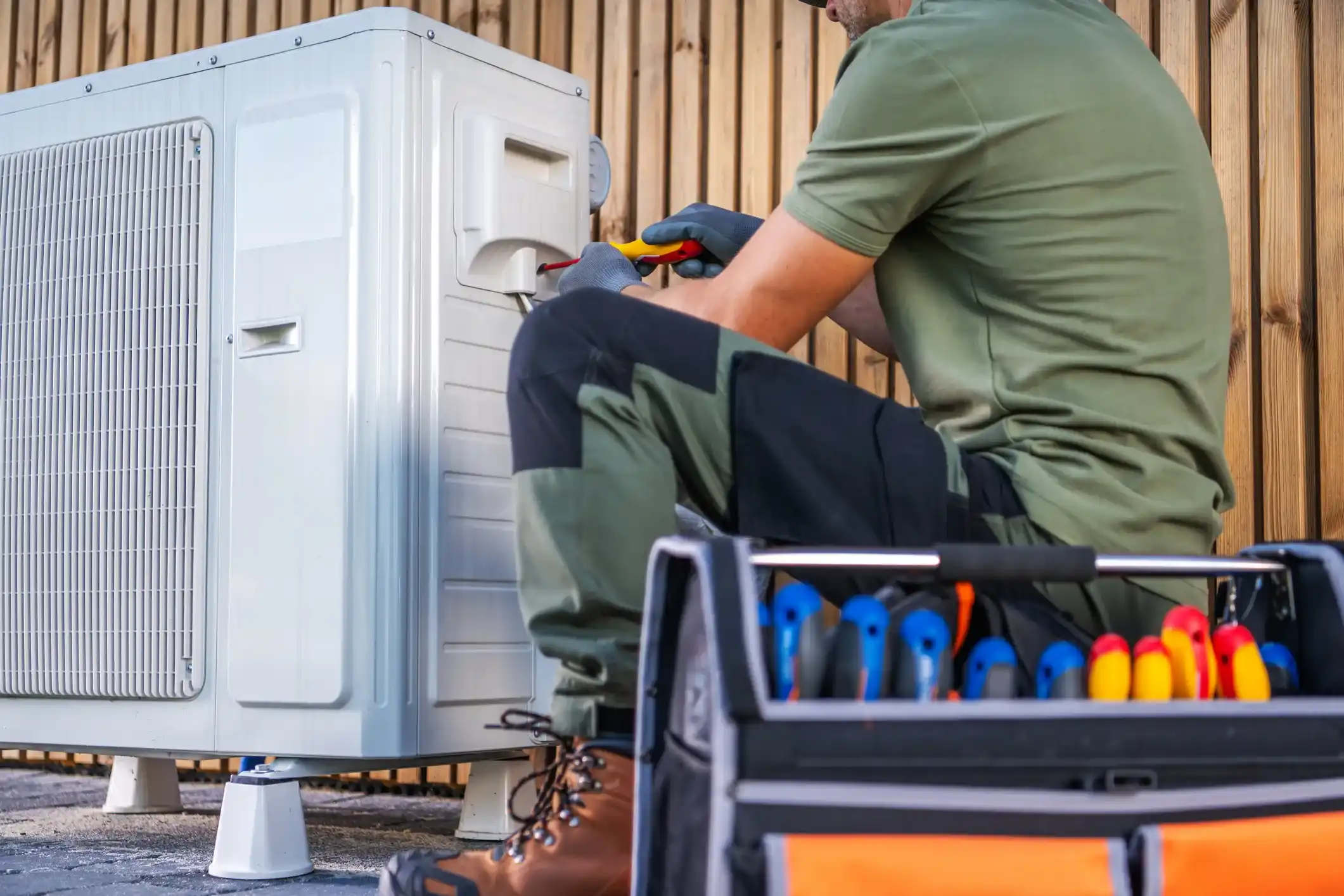
Diagnostic and Repair Protocols
The service process begins with a thorough diagnostic evaluation. Technicians do not simply guess which part is broken; they use calibrated tools to measure performance against the system’s design. In an area like Overland Park, where weather patterns shift dramatically between humid continental summers and freezing winters, your system faces significant thermal stress.
- Electrical Testing: Technicians check voltage and amperage on motors and compressors. Loose connections or worn capacitors are identified before they cause total system failure.
- Refrigerant Analysis: For air conditioners and heat pumps, proper refrigerant charge is critical. Levels are measured to ensure subcooling and superheat are within target ranges, preventing compressor damage.
- Airflow Assessment: Static pressure tests reveal blockages in the ductwork or dirty filters that strangle system performance. Proper airflow is essential for the heat exchange process.
- Combustion Safety: On gas furnaces, the heat exchanger is inspected for cracks, and carbon monoxide levels are tested to ensure the safety of the occupants.
Maintenance and Optimization
Beyond emergency repairs, comprehensive service includes optimization tasks designed to lower energy consumption. Over time, systems accumulate dust and debris that insulate coils and friction-wearing moving parts.
- Coil Cleaning: The evaporator and condenser coils are cleaned to maximize heat transfer. Dirty coils force the system to run longer to achieve the same temperature, driving up utility bills.
- Drain Line Clearing: Condensate drains are flushed to prevent water damage and mold growth, which is particularly important during the humid months of May and June.
- Component Lubrication: Motors and bearings are lubricated to reduce friction, noise, and wear.
- Thermostat Calibration: Ensuring your controls communicate accurately with the equipment prevents short-cycling and temperature variance.
The Installation and Replacement Process
There comes a point where a system is beyond viable repair or where newer technology offers significant savings. The installation of a new HVAC system is a major construction project within your home that requires precise calculation and execution. A "drop-in" replacement of the old unit is rarely the correct approach, as the thermal properties of homes change over time.
Sizing and Load Calculation
The most critical step in installation is the Manual J load calculation. This engineering calculation determines exactly how much heating and cooling capacity your structure requires.
- Factors Considered: This calculation accounts for square footage, insulation levels, window quality, home orientation, and local climate data.
- Consequences of Sizing Errors: An oversized unit will short-cycle, failing to remove humidity effectively, while an undersized unit will run continuously without reaching the set temperature.
- Ductwork Analysis: The existing duct system is evaluated to ensure it can handle the airflow required by the new equipment.
Site Preparation and Installation
Once the correct equipment is selected, the physical installation follows a strict sequence to ensure code compliance and longevity.
- System Removal: The old unit is safely disconnected, and environmentally hazardous materials, such as old refrigerant, are reclaimed and disposed of according to EPA regulations.
- Positioning: The new unit is leveled and secured. For outdoor units, this means ensuring a stable pad that drains water away from the equipment.
- Brazing and Connections: Refrigerant lines are brazed using nitrogen purging to prevent oxidation inside the pipes. Gas lines and electrical connections are secured and tested for leaks.
- Commissioning: The system is not just turned on; it is commissioned. This involves adjusting blower speeds, checking gas pressure, and verifying that the temperature split across the coil meets specifications.
Determining When to Repair vs. Replace
Homeowners often struggle with the decision to sink money into a repair or invest in a new system. While every situation differs, specific technical and financial benchmarks can guide this decision.
The 50% Rule
A common industry standard is the 50% rule. If the cost of the repair approaches 50% of the value of a new system, replacement is generally the smarter financial move. This is particularly true if the warranty on the existing unit has expired.
Age and Efficiency
HVAC equipment has a finite lifespan. In regions with distinct hot and cold seasons, systems work hard year-round.
- Air Conditioners: Typically last 10 to 15 years. If your unit is over 12 years old and utilizes phased-out refrigerant (like R-22), repair costs will be exorbitant due to scarcity of parts and fluids.
- Furnaces: Gas furnaces generally last 15 to 20 years. However, a cracked heat exchanger in an older furnace is an immediate safety hazard that usually mandates replacement.
- Efficiency Gains: Modern systems have much higher SEER2 (Seasonal Energy Efficiency Ratio) and AFUE (Annual Fuel Utilization Efficiency) ratings. Replacing a 15-year-old system can often result in energy savings that offset the monthly cost of a new unit.
Frequency of Breakdown
If you have required repairs more than once in the last two years, the system is likely entering its failure phase. Continual repairs are a sunk cost that does not add value to the home, whereas a new system adds value and reliability.
Local Considerations for HVAC Systems
Operating heating and cooling equipment in this specific region requires attention to local environmental factors and regulations. The climate presents unique challenges that generic national advice often misses.
Climate Impact on Equipment
The local weather fluctuates significantly. Winters bring average highs around 38°F, demanding reliable heating, while summers often exceed 86°F with high humidity.
- Humidity Control: The humid continental climate means your AC must do more than cool; it must dehumidify. Systems must be sized correctly to run long enough to pull moisture from the air. Oversized units cool too fast and shut off, leaving the home clammy and prone to mold.
- Severe Weather Protection: The area is prone to thunderstorms and occasional tornadoes, particularly from April to June. Outdoor units should be securely anchored. Furthermore, installing whole-home surge protection is recommended to shield sensitive HVAC circuit boards from lightning strikes and grid surges.
- Freezing Precautions: Sudden drops in temperature can affect heat pumps. Ensuring that defrost boards are functioning and that outdoor units are kept clear of snow drifts is vital for winter operation.
Permits and Regulations
HVAC work involves gas lines, high-voltage electricity, and venting systems, all of which are governed by building codes.
- Permitting: Most significant repairs and all replacements require permits from the local municipality. This ensures the work is inspected by a third party for safety.
- Rebates and Incentives: Local utility providers often offer rebates for upgrading to high-efficiency systems. These programs change frequently but can significantly reduce the net cost of installation. Additionally, federal tax credits are available for heat pumps and high-efficiency furnaces that meet specific criteria.
Why Choose Professional HVAC Management
Attempting DIY repairs or hiring unlicensed handymen for HVAC work often leads to higher costs and safety risks. Modern equipment relies on complex electronics and precise pressures that require specialized training to manage. All Day Comfort Heating and Cooling LLC focuses on delivering technical precision that protects your home and investment.
Licensed and Insured Protection
Professional service ensures that the technicians working in your home are background-checked, drug-tested, and fully insured. This liability coverage protects the homeowner in the event of an accident or property damage during the service. Unlicensed work not only carries liability risks but can also void the manufacturer's warranty on the equipment.
Warranty Preservation
Manufacturers act strictly regarding warranty claims. If a compressor fails under warranty, the manufacturer will often require proof that the system was installed and maintained by a licensed contractor. Regular professional maintenance creates a paper trail of care that validates your warranty coverage.
Improve Indoor Air Quality with Proper HVAC Service and Filtration
Faulty HVAC systems are a leading cause of carbon monoxide poisoning and electrical fires. Professionals use combustion analyzers to detect invisible threats that homeowners cannot see or smell. Furthermore, a properly maintained system filters pollutants, pollen, and dust effectively, which is crucial for maintaining healthy indoor air quality throughout the year.
Whether you are facing an emergency breakdown or planning a proactive upgrade, professional intervention from All Day Comfort Heating and Cooling LLC ensures the job is done right the first time.
Secure your home's comfort and efficiency by scheduling your service today.
Contact Us
customer reviews
Areas We Serve




Copyright © 2026 All Day Comfort Heating and Cooling.
All rights reserved.
