




Heating Installation in Overland Park, KS
Upgrade your home comfort with professional heating installation in Overland Park. Fast, reliable service available. Contact us now!
Feeling Chilly? Restore Your Comfort with Fast Heating Installation
Is your heater unable to keep up with the Kansas cold, leaving your family shivering in the middle of winter? Trust us to bring warmth back to your home with rapid, reliable installation services available when you need most — schedule a consultation today.
Homeowners in Overland Park know that when winter temperatures drop, a functioning heating system is not a luxury; it is a necessity for safety and comfort. Whether you are dealing with a complete system failure or an aging unit that simply costs too much to run, we provide a seamless path to a warmer home. At All Day Comfort Heating and Cooling LLC, our team handles everything from the initial load calculation to the final safety check, ensuring your new system operates at peak efficiency from day one.
- Ensure optimal warmth with state-of-the-art heating systems designed for severe weather.
- Same-day service is often available to tackle urgent heating needs before the house freezes.
- All installations are performed by certified and experienced technicians who respect your property.
- Comfort guaranteed with full compliance to local building codes and attractive financing options.
What You Can Expect From Professional Installation
A heating installation is a significant investment in your property infrastructure. It involves much more than simply swapping out one gray box for another. A professional installation ensures that the entire thermal envelope of your home is considered, guaranteeing that the heat generated is distributed evenly and efficiently.
When you choose All Day Comfort Heating and Cooling LLC for your installation, you receive a comprehensive service package designed to maximize the lifespan of your new unit. We begin by assessing the current infrastructure of your home. This includes inspecting the existing ductwork for leaks or disconnects that could sabotage the efficiency of a new furnace. We also evaluate the gas lines, electrical connections, and venting pathways to ensure they meet current safety standards.
- Comprehensive Site Evaluation: We examine your home's insulation levels, window types, and square footage to determine the exact heating load required.
- Equipment Sizing and Selection: We help you select the right fuel source and capacity, preventing the issues caused by oversized or undersized units.
- Safe Removal and Disposal: We handle the disconnection and environmentally responsible disposal of your old equipment.
- System Calibration: Once installed, we do not just turn it on and leave; we calibrate the gas pressure, blower speeds, and thermostat settings for optimal performance.
The Installation Process: Step-by-Step
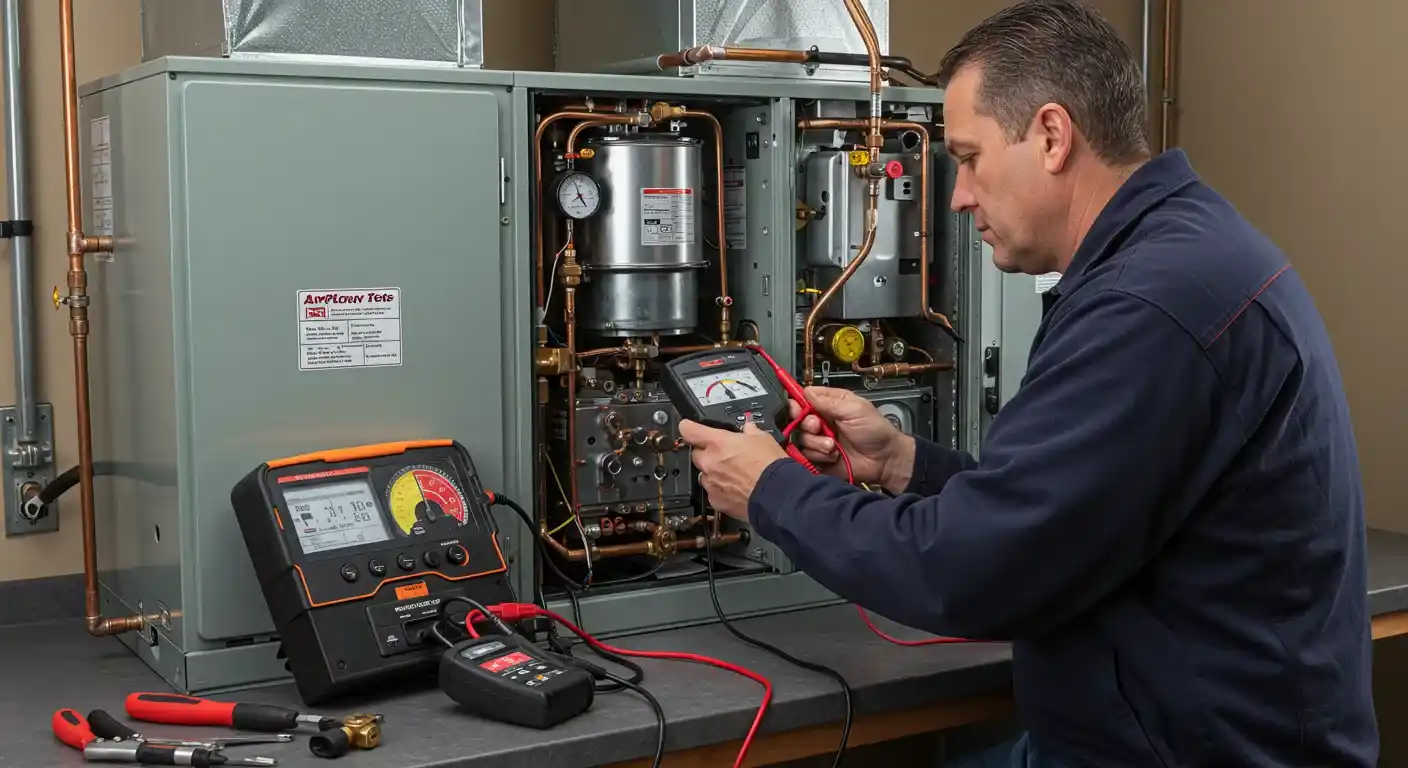
Understanding the installation timeline helps homeowners prepare for the day of service. While every home is unique, a standard installation follows a rigorous protocol to ensure quality and safety. We prioritize efficiency to minimize the disruption to your daily routine, aiming to restore heat to your living space as quickly as possible.
- Arrival and Setup: The team arrives within the scheduled window, fully equipped with the necessary unit and tools. We lay down drop cloths and wear shoe covers to protect your flooring and keep your home clean throughout the process.
- Disconnecting the Old System: Safety is paramount during this stage. We shut off gas and electrical supplies before disconnecting the old furnace or heat pump. The old unit is carefully maneuvered out of the utility space to avoid damage to walls or door frames.
- Preparing the Plenum and Ductwork: Often, new units have different dimensions than older models. We fabricate or modify the sheet metal plenum to ensure an airtight seal between the new heating unit and your existing ductwork. This prevents air loss and improves system static pressure.
- Installing the New Unit: The new furnace or air handler is positioned and leveled. This is critical for proper drainage of condensate (in high-efficiency models) and for the smooth operation of internal components.
- Connecting Utilities: We reconnect the gas lines, ensuring there are no leaks, and wire the electrical components. For high-efficiency gas furnaces, we install PVC venting to route exhaust gases safely outside the home.
- Final Testing and Walkthrough: We fire up the system and measure temperature rise and airflow. Finally, we walk you through the operation of your new system, including how to change filters and program your thermostat.
Determining When to Replace vs. Repair
Deciding between another repair bill and a full system replacement is a common dilemma for homeowners. While repairs can solve immediate issues, there is a tipping point where sinking money into an old system becomes financially unwise.
One of the primary indicators is the age of the system. Most furnaces have a lifespan of 15 to 20 years, while heat pumps may last 10 to 15 years. If your equipment is approaching or has surpassed this range, parts are likely becoming obsolete, and major components like the heat exchanger or compressor are at risk of failure.
- Frequency of Breakdowns: If you have required multiple repairs in the last two years, or if the cost of a repair approaches 50% of the value of a new system, replacement is the more economical choice.
- Rising Energy Bills: As systems age, they lose efficiency due to wear and tear. If your heating costs are escalating despite normal usage, a modern, high-efficiency unit could significantly lower your monthly utility expenses.
- Uneven Heating: If some rooms are roasting while others are freezing, the system may be struggling to distribute air, signaling that the blower motor or the unit itself is no longer up to the task.
- Noise and Odors: Excessive banging, rattling, or squealing noises often indicate mechanical failure. Strange smells can sometimes signal dangerous issues like cracked heat exchangers, which require immediate replacement for safety.
Navigating Local Climate and Building Requirements
Living in Overland Park, KS, means preparing for a humid continental climate where winters can be unforgiving. The heating system you choose must be capable of handling rapid temperature drops and sustaining warmth during prolonged periods of below-freezing weather. This makes the AFUE (Annual Fuel Utilization Efficiency) rating of your unit particularly important. A higher AFUE rating means the furnace converts more fuel into usable heat, which is crucial for keeping costs down during a Kansas winter.
Beyond the weather, local compliance is a major factor in a successful installation. The city and surrounding areas have specific building codes regarding venting, gas piping, and electrical clearances. Installing a heater without adhering to these codes can lead to safety hazards, insurance claim denials, and fines when you eventually sell your home.
- Permitting: Professional installation includes pulling all necessary permits required by the local municipality. This ensures the work is logged and inspected by city officials for safety.
- Utility Configuration: We assess whether your home is best suited for a gas furnace, which is common in the area for its powerful heating output, or a dual-fuel heat pump system that offers efficiency in milder weather and backup heat for deep freezes.
- Insulation and Ventilation: We check that your installation area meets local requirements for combustion air, ensuring your furnace has enough oxygen to burn fuel safely without pulling it from your living space.
Understanding Heating Efficiency Ratings
When selecting a new heater, understanding efficiency ratings helps you calculate long-term savings. The industry standard for measuring furnace efficiency is AFUE. An older furnace might operate at 60% to 70% AFUE, meaning 30 to 40 cents of every dollar you spend on gas is wasted up the flue. Modern standard systems start around 80%, while high-efficiency models can reach up to 98% AFUE.
For heat pumps, efficiency is measured in HSPF (Heating Seasonal Performance Factor). A higher HSPF indicates a more efficient unit. In our region, choosing a unit with a high efficiency rating often qualifies homeowners for utility rebates or tax credits, helping to offset the initial installation cost.
- Standard Efficiency (80% AFUE): These units use metal flue pipes and are often less expensive to install but have higher monthly operating costs.
- High Efficiency (90%+ AFUE): These units utilize a secondary heat exchanger to capture escaping heat from exhaust gases. They require special PVC venting and drainage for condensate but offer significant savings on monthly bills.
Why Proper Sizing is Critical
A common misconception is that a bigger heater is always better. In reality, an oversized furnace will heat your home too quickly and shut off, a process known as "short cycling." This places immense stress on the igniter and blower motor, leading to premature failure. It also results in uncomfortable temperature swings and cold spots because the system does not run long enough to circulate air thoroughly.
Conversely, an undersized unit will run continuously in an attempt to reach the set temperature. This not only drives up energy bills but also leaves the home feeling chilly on the coldest days of the year.
We utilize Manual J load calculations to determine the precise heating needs of your specific home layout. This calculation takes into account factors such as:
- Total square footage and ceiling height.
- Quality and thickness of insulation in attics and walls.
- Number, type, and orientation of windows.
- Air leakage rates and existing ductwork design.
The Importance of Post-Installation Maintenance
Once your new heating system is installed, protecting that investment becomes the priority. Manufacturers require regular maintenance to keep warranties valid. A neglected system can lose efficiency rapidly and may develop safety issues that go unnoticed until they become emergencies.
We recommend establishing a maintenance routine immediately following installation. This ensures that the factory-fresh efficiency you paid for lasts for the life of the system.
- Filter Changes: The simplest yet most critical task. Dirty filters restrict airflow, causing the system to overheat and use more energy.
- Annual Inspections: Professional checks before the winter season ensure all safety switches, gas valves, and electrical connections are secure.
- Cleanliness: keeping the area around your furnace or air handler clear of debris and storage items ensures proper airflow and reduces fire risk.
Ready for Reliable Winter Warmth?
Don't wait for the first blizzard to discover your heater is past its prime. Proactive replacement ensures you are never left in the cold and allows you to take advantage of modern, energy-efficient technology that lowers your monthly bills. Whether you are in the heart of Overland Park or the surrounding neighborhoods, our team is ready to assess your home and provide a heating solution tailored to your needs.
At All Day Comfort Heating and Cooling LLC, we focus on technical precision and customer peace of mind. We handle the details—from permits to load calculations—so you can simply enjoy a warm, comfortable home.
Contact us now to schedule your heating installation estimate and secure your comfort for the season.
Contact Us
customer reviews
Areas We Serve



Copyright © 2026 All Day Comfort Heating and Cooling.
All rights reserved.
