




Water Heater Replacement in Mission Hills, KS
Experience immediate water heater replacement in Mission Hills with All Day Comfort Heating and Cooling LLC. Ensure your home's comfort with our fast, reliable service. Schedule your replacement today!
Swift Solution to Your Water Heater Troubles
Are you facing cold showers or a flooded utility room because your water heater just quit unexpectedly? At All Day Comfort Heating and Cooling LLC, we deliver immediate, reliable replacements to ensure your daily routine and home comfort are not compromised in Mission Hills. request service to restore your hot water access today.
Running out of hot water is more than an inconvenience; it disrupts cooking, cleaning, and sanitation for the entire household. When a system fails, you need a response that is both rapid and technically sound. We provide a streamlined replacement service that prioritizes speed without sacrificing installation quality:
- Same-day replacement services available to bring back your comfort swiftly.
- Transparent pricing with no hidden fees — know your costs upfront.
- Energy-efficient water heaters that save on utility bills and reduce environmental impact.
- All installations comply with local codes and come guaranteed with a comprehensive warranty.
Immediate Water Heater Replacement Solutions
When your water heater fails, the immediate goal is restoring hot water flow to your fixtures. However, the replacement process involves more than simply swapping one metal tank for another. It requires selecting the correct capacity, fuel source, and venting configuration to match your home’s specific infrastructure. Residents in Mission Hills often have larger homes with high hot water demands, requiring systems that can keep up with multiple simultaneous uses, such as dishwashers running while showers are in use.
We provide a complete scope of replacement services designed to minimize downtime. Upon arrival, we assess the existing setup to determine the failure point and verify the sizing requirements. Many older homes utilize standard atmospheric vent tanks, while newer or renovated properties may require power-vented models that push exhaust gases out through the side of the home. We stock and install a variety of units, including high-efficiency tank models and modern tankless systems that provide endless hot water.
The timeline for a standard replacement is generally concise. Once the unit is selected, our technicians can typically complete the removal of the old unit and the installation of the new system within a few hours. This includes draining the old tank, disconnecting gas and water lines safely, positioning the new unit, and re-establishing all connections. We also ensure that the new system meets current energy efficiency standards, which is critical given the fluctuating Kansas climate.
Understanding what is included in your service is vital for making an informed decision. Our replacement service encompasses the delivery of the new unit, the safe removal and disposal of the defective water heater, and all necessary piping adjustments. We also install new dielectric unions to prevent galvanic corrosion, replace old shut-off valves if they are seized or leaking, and ensure the flue pipe is correctly pitched to vent carbon monoxide safely out of your living space.
Comprehensive Installation Process
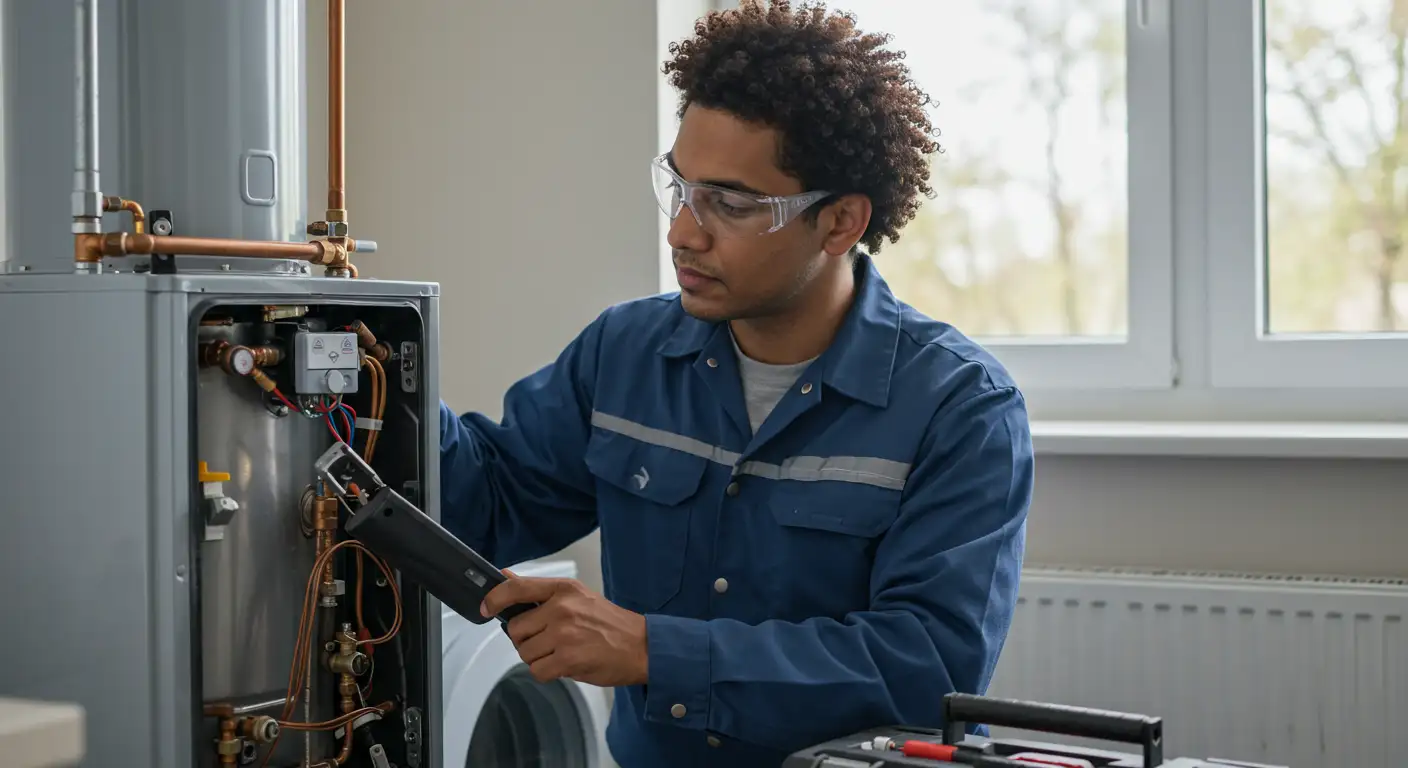
A professional installation ensures your new water heater operates safely and efficiently for its entire lifespan. We follow a rigorous, step-by-step protocol to ensure every connection is secure and compliant with safety standards. This process eliminates the risks associated with gas leaks, water damage, and improper venting:
- Site Preparation and Safety: The process begins by turning off the fuel supply (gas or electric) and the cold water inlet. We protect your flooring and surrounding areas with drop cloths to prevent damage during the removal of the heavy, sediment-filled old tank.
- Draining and Removal: We attach a commercial-grade hose to the drain valve to empty the tank. If the unit is located in a basement, we may use a transfer pump to expedite the draining process. Once empty, we disconnect the flue pipe, gas line, and water flex lines before hauling the old unit away.
- Positioning and leveling: The new water heater is positioned in the drain pan. Proper leveling is essential for the unit’s internal components to function correctly and for the burner to burn fuel efficiently. We also verify required clearances from combustible materials as per manufacturer specifications.
- Connection of Utilities: We connect the cold water inlet and hot water outlet using high-quality piping materials. For gas units, we apply pipe dope or thread seal tape suitable for gas connections to the gas line, ensuring a leak-free seal. We then reconnect the flue vent, checking for any corrosion or blockages in the existing chimney or vent stack.
- Filling and Testing: Before turning on the power or gas, we open the cold water valve to fill the tank. We simultaneously open a hot water faucet in the house to release trapped air from the system. Once full, we ignite the pilot or turn on the breaker, check for gas leaks using electronic detectors, and verify that the burner ignites smoothly.
- Final Inspection: We monitor the unit through a full heating cycle to ensure the thermostat cycles off when the target temperature is reached. We also check the draft of the vent to confirm exhaust gases are rising and exiting the home properly.
Deciding Between Repair and Replacement
Homeowners often struggle to decide whether to patch up an aging unit or invest in a new one. While repairs can sometimes extend the life of a unit, there are specific scenarios where replacement is the only financially and technically sound option. Understanding the lifecycle of water heating equipment helps you avoid throwing money at a failing system — read our blog for more:
- Age of the Unit: Most traditional tank-style water heaters have a service life of 8 to 12 years. If your unit is approaching or has exceeded the 10-year mark, repair is rarely recommended. Internal components wear down, and the glass lining of the steel tank eventually cracks due to thermal expansion and contraction. Once this lining is compromised, rust begins to attack the steel shell.
- Leaking Tanks: If you observe water pooling around the base of the heater, it typically indicates a catastrophic failure of the tank itself. Unlike a leaking valve or a loose pipe connection, a leaking tank cannot be repaired. The steel has rusted through, and the leak will only expand, potentially causing significant water damage to your basement or utility room. Immediate replacement is the only solution.
- Rusty or Discolored Water: When hot water comes out of your tap looking brown or metallic, but the cold water remains clear, it is a strong indicator that the inside of your water heater is rusting. This suggests the anode rod—a sacrificial component designed to attract corrosive elements—has completely deteriorated, and the corrosive elements are now attacking the tank.
- Rising Energy Bills: As water heaters age, sediment builds up at the bottom of the tank. This layer of calcified minerals acts as an insulator between the burner and the water. The system must work harder and burn more fuel to heat the water through this sediment layer. If you notice a spike in your energy costs without a change in usage habits, the efficiency of your unit has likely degraded significantly.
- The 50% Rule: A general guideline in the industry is the 50% rule. If the cost of the necessary repair is 50% or more of the cost of a brand-new unit, you should replace it. For example, replacing a gas control valve or a burner assembly on an old unit is expensive and does not guarantee that the tank won't leak a month later. Investing that money into a new system with a fresh warranty is the prudent choice.
Local Considerations for Mission Hills Residents
Operating a water heater in this region requires specific attention to local environmental factors and building codes. The climate and water quality in this part of Kansas directly impact how we install and maintain these systems:
- Winter Freeze Protection: Winters here can see temperatures drop well below freezing, with lows occasionally dipping under 20°F. Water heaters located in unconditioned spaces, such as garages or attics, are vulnerable to freezing. We ensure that all pipes leading to and from the heater are properly insulated. Furthermore, the intake air temperature for combustion affects efficiency. In extremely cold weather, your water heater works harder to raise the temperature of the incoming groundwater, which is significantly colder in January than in July. We size units to handle this increased thermal load so you do not run out of hot water during winter cold snaps.
- Sediment and Hard Water: The local water supply contains mineral content that can precipitate out of the water when heated, forming scale and sediment. This is particularly aggressive in water heaters. Mission Hills homeowners should be aware that this buildup leads to "kettling" noises—popping or banging sounds coming from the tank. When replacing a unit, we often recommend installing a full-port brass drain valve to make future maintenance and sediment flushing easier.
- Expansion Tanks and Pressure Regulation: Local plumbing codes and municipal regulations often require the installation of a thermal expansion tank. When water is heated, it expands. In a closed plumbing system (which is created when a backflow preventer or pressure reducing valve is installed on the main line), this expanded water has nowhere to go, leading to dangerous pressure spikes. An expansion tank absorbs this excess pressure. We verify the static water pressure of your home and install expansion tanks as mandatory safety devices where required.
- Permitting and Compliance: Water heater replacement involves gas lines and carbon monoxide venting, making it a regulated activity. We handle the necessary compliance steps to ensure the installation meets all local safety codes. This includes verifying clear access for combustion air, ensuring the flue is double-walled where necessary, and confirming that the gas piping is sized correctly for the BTU load of the new appliance.
Why Professional Installation Matters
Water heaters are sophisticated appliances that combine water, gas (or high-voltage electricity), and high pressure. Attempting a DIY installation or hiring an unqualified handyman poses severe risks. Professional installation ensures that the unit is not only operational but safe for your family and property:
- Gas Line Safety: Natural gas is highly combustible. A minor leak at a threaded connection can lead to hazardous accumulation of gas. All Day Comfort Heating and Cooling LLC technicians are trained to thread, seal, and test gas connections meticulously. We use electronic sniffers and bubble solutions to verify a 100% seal before leaving your property.
- Carbon Monoxide Venting: Improperly vented water heaters are a leading cause of carbon monoxide poisoning in homes. If the vent pipe is undersized, disconnected, or has an improper slope, deadly gases can backdraft into the home instead of exiting through the roof. We calculate the required vent capacity based on the total BTU input of all appliances connected to the flue, ensuring safe atmospheric drafting.
- Warranty Protection: Manufacturer warranties are often contingent upon professional installation. If a unit fails due to improper installation—such as a dry fire on an electric element or flooding due to a lack of a drain pan—the manufacturer may void the warranty. We provide documentation and professional execution that keeps your warranty valid, protecting your investment for years to come.
- Dielectric Isolation: When copper pipes connect directly to the steel tank of a water heater, a chemical reaction called electrolysis occurs, causing rapid corrosion. We install dielectric unions or nipples that create a barrier between the two metals. This small but critical detail prevents premature failure of the piping and the tank, a step often skipped in amateur installations.
Selecting the Right System for Your Home
Choosing the correct water heater involves more than just matching the gallon capacity of your old unit. Technology has advanced, and efficiency ratings have changed. We help you navigate the options to find the best fit for your consumption habits and budget:
- Tank Water Heaters: These are the most common systems, storing 40, 50, or 75 gallons of hot water ready for use. They are generally more affordable upfront. For larger homes in Mission Hills with soaking tubs or multiple bathrooms, we may recommend upgrading to a 50-gallon or larger high-recovery model to ensure you don't run out during peak usage times.
- Tankless Water Heaters: Tankless units heat water on demand rather than storing it. This offers the benefit of endless hot water and significant energy savings since you aren't paying to keep a tank of water hot 24/7. However, they require a larger gas supply line and specialized venting. We can assess your home’s gas infrastructure to see if a tankless retrofit is feasible.
- Power Vent vs. Atmospheric Vent: If your home does not have a traditional chimney or if the existing chimney is compromised, a power vent water heater is a great solution. These units use a blower motor to force exhaust gases out through PVC piping on the side of the house. This allows for more flexible installation locations and often higher energy efficiency ratings.
Secure Your Comfort Today
A failing water heater is a disruption you shouldn't have to endure. Whether you are dealing with a burst tank emergency or proactively replacing an inefficient unit before winter arrives, expert assistance is required to ensure the job is done safely. We bring the technical expertise, local code knowledge, and commitment to quality necessary to restore your hot water supply immediately.
Don't wait for a small leak to become a major flood or for a cold shower to start your day. Trust the team that understands the specific needs of Mission Hills infrastructure. Contact All Day Comfort Heating and Cooling LLC now to schedule your water heater replacement.
Ready for reliable hot water? Contact us to book your service now.
Contact Us
customer reviews
Areas We Serve




Copyright © 2026 All Day Comfort Heating and Cooling.
All rights reserved.
