




HVAC Contractor in Prairie Village, KS
Need reliable HVAC solutions in Prairie Village? Our expert team offers same-day service, efficient installations, and thorough maintenance. Contact us today!
Unexpected HVAC Failures Require Immediate Professional Attention
Is your HVAC system failing right when the weather turns extreme, leaving your home uncomfortably hot or dangerously cold? You need a quick, reliable fix that guarantees comfort without the wait, which is why you should contact us at schedule your service immediately.
When a furnace or air conditioner malfunctions in Prairie Village, the issue is rarely just about temperature; it is about the safety and usability of your home. Waiting for a contractor who might show up "sometime next week" is not an option when humidity levels are rising or the thermostat is plummeting. You require a technical team that understands the urgency of the situation and arrives fully equipped to diagnose the root cause accurately:
- Same-day HVAC service ensures your comfort is restored fast.
- Transparent pricing with no hidden fees—know what you pay upfront.
- High-quality equipment from the best brands for long-lasting performance.
All services come with a comprehensive warranty and options for easy financing. All Day Comfort Heating and Cooling LLC prioritizes precision and speed to get your system running efficiently again.
Comprehensive HVAC Services Available Today
Securing a professional contractor means accessing a full suite of services designed to handle every stage of your equipment’s lifecycle. Whether you are dealing with a sudden breakdown, looking to prevent future failures, or needing a complete system overhaul, professional service covers the technical requirements to keep your home habitable:
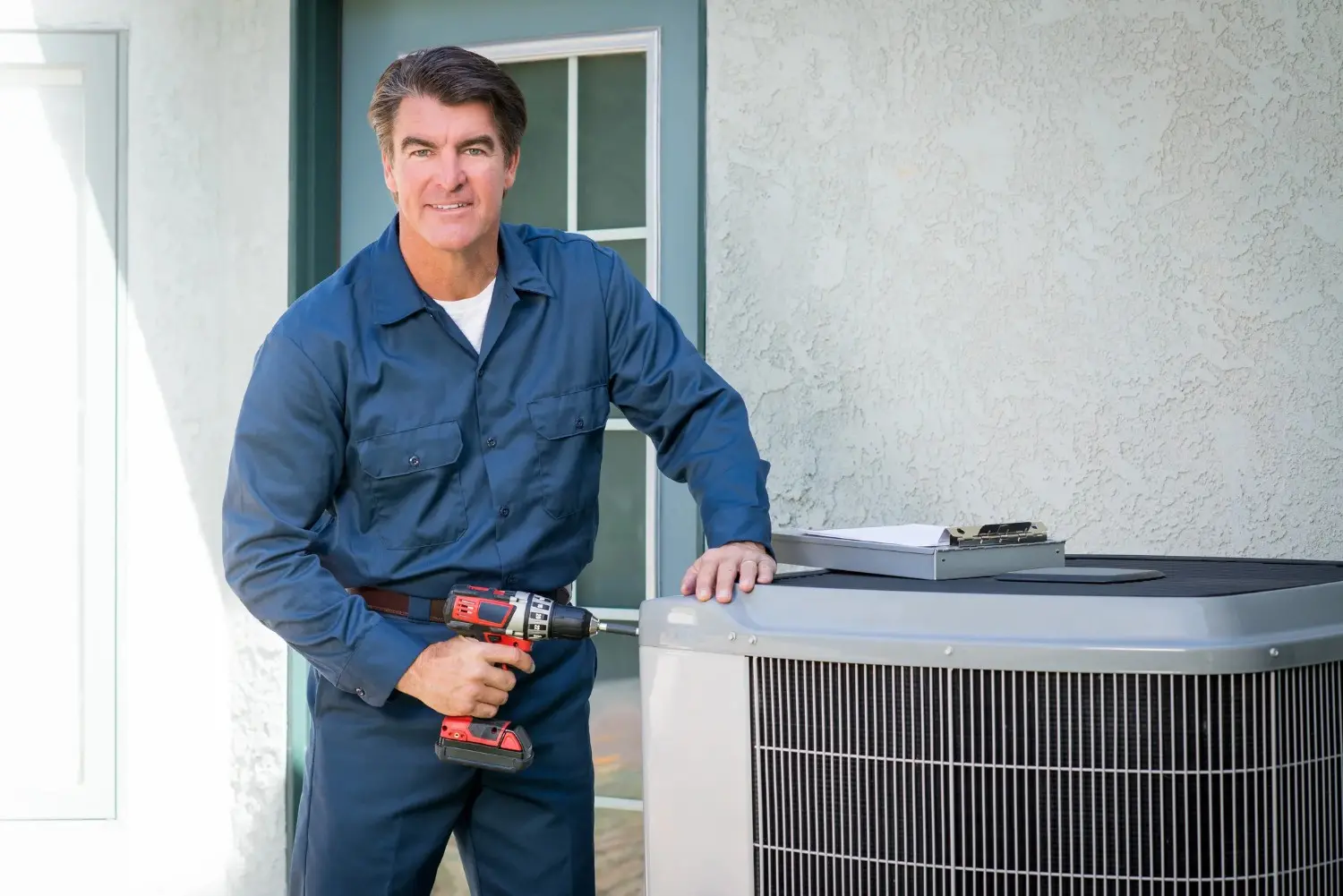
System Diagnosis and Repair
When a system stops working, the immediate goal is accurate troubleshooting. Technicians assess the entire unit, not just the obvious symptoms. This involves checking refrigerant levels for leaks, testing electrical components like capacitors and contactors, and inspecting the heat exchanger for cracks. For cooling systems, airflow restrictions and frozen coils are addressed immediately. For heating systems, ignition failures and safety switch malfunctions are prioritized. The objective is a permanent repair, not a temporary patch.
Routine Maintenance and Tuning
Preventative maintenance is the most effective way to avoid emergency calls. A comprehensive tune-up involves cleaning condenser coils, lubricating moving parts, and tightening electrical connections. In the humid continental climate of this region, checking the condensate drain for clogs is vital to prevent water damage. Technicians also verify that the thermostat is calibrated correctly, ensuring the system cycles on and off at the appropriate times to maximize energy efficiency.
Full System Installation and Replacement
There comes a point where repair is no longer cost-effective. Installation services cover the removal of old, inefficient units and the integration of modern, high-efficiency systems. This includes sizing the unit correctly for the square footage of the home, modifying ductwork if necessary, and ensuring all gas and electrical connections meet current safety standards.
Indoor Air Quality Solutions
Temperature control is only half the battle. Managing humidity and airborne particulates is essential for true comfort. Services often include the installation of whole-home humidifiers for dry winters and dehumidifiers for sticky summers. High-efficiency filtration systems and UV light purifiers are also integrated into existing ductwork to reduce allergens, mold spores, and dust, creating a healthier indoor environment.
How The Installation Process Works
Replacing a heating or cooling system is a significant construction project within your home. A structured process ensures that the new equipment performs according to the manufacturer's specifications and delivers the expected efficiency ratings. Professional contractors follow a strict protocol to ensure safety and performance:
- Load Calculation and Sizing: The process begins with a Manual J load calculation. This technical assessment considers the home's square footage, insulation levels, window orientation, and local climate data. This step ensures the new unit is neither undersized (which fails to cool/heat) nor oversized (which short-cycles and wastes energy).
- Site Preparation and Protection: Before any work begins, the workspace is prepped. Floor runners are laid down to protect flooring, and furniture is covered if necessary. The power and gas supplies to the existing unit are shut off and locked out to ensure safety during the removal process.
- Removal and Disposal: The old equipment is disconnected and removed. This includes recovering any existing refrigerant according to EPA regulations to prevent environmental contamination. The old unit is hauled away for proper recycling or disposal, leaving the installation area clear.
- Installation of New Equipment: The new furnace, air handler, or condenser is positioned and leveled. If the new unit has different dimensions, the plenum (the box connecting the unit to the ductwork) is modified to ensure a sealed, airtight fit.
- Connecting Utilities: Technicians connect the line set (copper tubing for refrigerant), high and low-voltage electrical wiring, and gas lines. For condensing furnaces, PVC venting is installed to route exhaust gases safely outside the home. A condensate pump or drain line is installed to manage moisture removal.
- System Commissioning: Once physically installed, the system is not simply turned on; it is commissioned. This involves pulling a vacuum on the refrigerant lines to remove moisture, weighing in the precise amount of refrigerant, and measuring static pressure in the ducts. The gas pressure is adjusted at the valve to ensure the flame burns cleanly and efficiently.
- Final Walkthrough: The technician tests the thermostat operation and walks the homeowner through the basic functions of the new system, including filter changes and programming schedules.
Deciding When to Replace vs. Repair
Homeowners often struggle to determine whether to pour more money into an aging system or invest in a new one. While repairs are often cheaper upfront, they can become a financial drain over time. Making the right decision relies on evaluating specific criteria regarding the unit's age, condition, and performance history:
The 50% Rule
A common industry standard for decision-making is the 50% rule. If the cost of the repair approaches 50% of the value of the system—or 50% of the cost of a new unit—replacement is generally the smarter financial move. Spending half the cost of a new system on an old one that may break down again in six months does not yield a good return on investment.
Age of the Equipment
HVAC systems have a finite lifespan. Air conditioners and heat pumps typically last 10 to 15 years, while furnaces can last 15 to 20 years. If your equipment is approaching or has exceeded these benchmarks, finding replacement parts becomes difficult and expensive. Newer models offer significantly higher SEER2 (Seasonal Energy Efficiency Ratio) and AFUE (Annual Fuel Utilization Efficiency) ratings, which can lower monthly utility bills enough to offset the installation cost over time.
Frequency of Breakdowns
If you have required repairs more than once in the last two years, the system is likely entering its end-of-life phase. Frequent breakdowns indicate that internal components are wearing out simultaneously. Continuing to repair a system in this state is often referred to as "throwing good money after bad."
Comfort and Performance Issues
A failing system often struggles to maintain consistent temperatures. If some rooms are hot while others are cold, or if the unit runs constantly without satisfying the thermostat setting, the compressor or blower motor may be failing. Additionally, if the system is excessively noisy or producing strange odors, these are indicators of serious mechanical or electrical issues that often warrant replacement.
Local Considerations for HVAC Operations
Operating heating and cooling equipment in this region requires specific attention to local environmental factors and regulations. Prairie Village experiences a humid continental climate, meaning systems must be capable of handling extreme heat in the summer and significant snowfall in the winter:
- Managing Humidity and Precipitation: May and June bring peak precipitation and thunderstorms. High humidity levels put extra strain on air conditioning units, which must work harder to remove moisture from the air. Properly sized units and clean evaporator coils are critical during these months. Furthermore, outdoor condenser units must be kept clear of debris and vegetation that grow rapidly during the wet season to prevent airflow blockage.
- Winterization and Snow Clearance: With annual snowfall averaging 15 to 20 inches, heating systems—especially heat pumps—require specific care. Outdoor units must be elevated above the anticipated snow line to prevent snow accumulation from blocking airflow, which can cause the system to freeze up or switch to expensive emergency heat unnecessarily. Gas furnaces must have their intake and exhaust pipes regularly checked to ensure snow drifts do not block them, which can lead to carbon monoxide buildup or system shutdown.
- Permitting and Compliance: All major HVAC installations and significant alterations require adherence to local building codes. This ensures that electrical connections are safe, gas lines are pressure-tested, and venting meets safety standards. Professional contractors handle the acquisition of these permits and schedule necessary inspections with the city. This protects the homeowner from liability and ensures the warranty remains valid.
- Utility Rebates and Incentives: Local utility companies often offer rebates for upgrading to high-efficiency systems. These programs change frequently but can offer substantial savings on the installation of ENERGY STAR® certified equipment. All Day Comfort Heating and Cooling LLC stays updated on these opportunities to help clients maximize their savings during system upgrades.
Why Professional Execution Matters
Hiring a certified contractor is about ensuring the longevity and safety of your home’s climate control system. HVAC equipment involves high-voltage electricity, combustible gases, and high-pressure refrigerants. Improper handling of any of these elements poses serious risks, including fire, carbon monoxide poisoning, and equipment destruction.
Professional technicians undergo rigorous training to understand thermodynamics and electrical theory. They utilize specialized tools to measure airflow and refrigerant charge with precision that DIY methods or handy-man services cannot match. Correct installation and maintenance are the primary factors in determining how long a system lasts. A top-tier brand installed poorly will fail sooner than a mid-tier brand installed perfectly.
Furthermore, manufacturers require proof of professional maintenance to honor warranty claims. If a part fails and there is no record of qualified service, the homeowner may be liable for the full cost of the replacement part. Professional service provides the documentation and paper trail needed to protect your investment.
Dependable Service Without the Guesswork
Your home environment should be a place of consistent comfort, regardless of what the weather is doing outside. Whether you are facing an urgent breakdown in the middle of a heatwave or planning a proactive upgrade before winter hits, you need a partner who delivers technical excellence and transparent service.
Do not let a failing system compromise your safety or your budget. Secure a solution that addresses the root of the problem and provides long-term peace of mind.
Take control of your home's temperature today. Contact us to schedule your consultation or repair service.
Contact Us
customer reviews
Areas We Serve




Copyright © 2026 All Day Comfort Heating and Cooling.
All rights reserved.
