




HVAC Repair in Prairie Village, KS
Struggling with HVAC issues in Prairie Village? Contact us for expert repairs and restore your home's comfort quickly. Ensure your system runs smoothly with our professional service.
Is Your Heating or Cooling System Failing to Keep You Comfortable?
Inconsistent temperatures, strange noises, or complete system shutdowns create immediate stress for homeowners in Prairie Village who rely on stable indoor climates. If your equipment is failing to perform when you need it most, prompt professional intervention is the only way to prevent minor issues from escalating into total system failure. Contact us today to schedule a diagnostic visit and restore your home’s comfort.
Homeowners dealing with HVAC interruptions require immediate, reliable solutions rather than temporary patches:
- Experienced technicians are available to address emergency repairs and restore function immediately.
- Comprehensive service capabilities cover all major brands, including specialized repairs for Lennox and Carrier systems.
- Upfront pricing models ensure you understand the cost of repairs before work begins, with financing options available.
All repair services from All Day Comfort Heating and Cooling LLC are backed by a satisfaction guarantee and support applicable manufacturer warranties for your peace of mind.
Immediate Solutions for Common HVAC Malfunctions
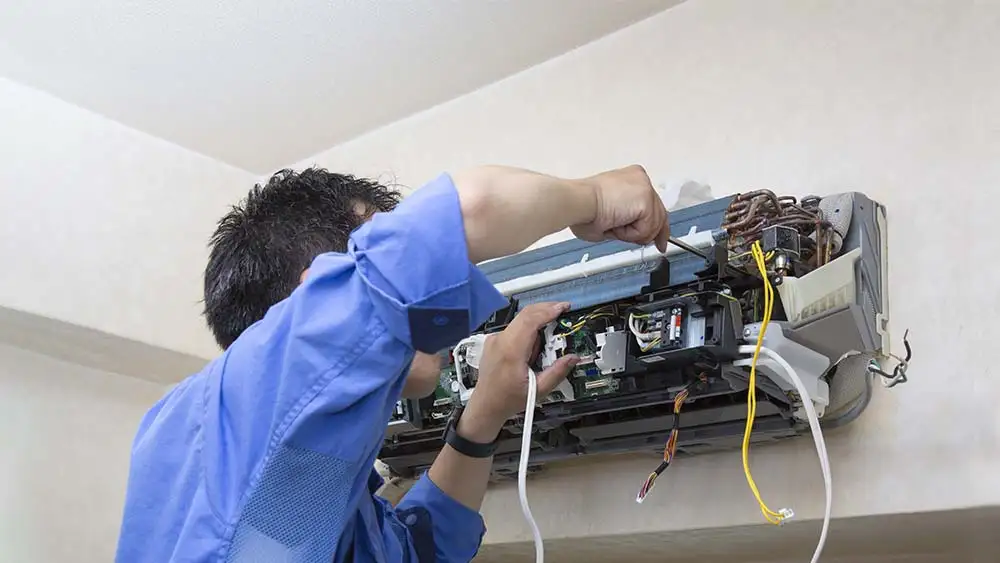
Heating and cooling systems are complex machines with numerous moving parts, electrical connections, and pressurized fluids. When one component fails, it often triggers a cascade of symptoms that alert the homeowner to a problem. Ignoring these signs typically leads to more expensive repairs or the need for premature replacement:
Airflow and Temperature Irregularities
One of the most frequent indicators of a malfunction is weak airflow or air that does not match the thermostat setting. If vents are blowing warm air while the thermostat is set to cool, or vice versa, the issue often stems from a compressor failure, a refrigerant leak, or a broken reversing valve in heat pumps. Restricted airflow usually points to blower motor issues or severe blockages in the air filtration system. In the humid climate common to this region, poor airflow can also lead to the evaporator coils freezing over, which completely halts the cooling process and risks water damage from melting ice.
Audible Distress Signals
HVAC systems generally operate with a consistent hum. Sudden, loud, or unusual noises serve as mechanical distress signals:
- Grinding or squealing: These sounds often indicate motor bearings that have lost lubrication or a belt that has slipped out of alignment.
- Rattling or banging: Loose components, debris in the blower assembly, or a failing motor mount can cause these noises.
- Hissing: This is almost exclusively a sign of a refrigerant leak or an internal pressure issue within the compressor.
- Clicking: In heating units, repeated clicking without ignition usually suggests a faulty ignitor, flame sensor, or control board issue.
Sensory Warnings and Odors
Smells emanating from the ductwork provide critical clues regarding the nature of the repair needed. A burning smell—often described as "electrical" or "dusty"—can indicate overheating motors or frayed wiring, representing a significant fire hazard. Musty or moldy odors suggest that moisture has accumulated within the system, likely due to a clogged condensate drain line or biological growth on the evaporator coils. In gas furnaces, a rotten egg smell is an immediate safety emergency requiring the gas utility to be contacted, as it indicates a gas leak — request service now.
Comprehensive HVAC Repair Services: Scope and Deliverables
When you engage professional services for HVAC repair, the objective is not merely to swap a part but to ensure the entire system operates at peak efficiency. The scope of repair involves a systematic approach to identifying root causes rather than just treating symptoms:
Diagnostic Precision
The service visit begins with a thorough diagnostic evaluation. Technicians utilize advanced multimeters, pressure gauges, and combustion analyzers to read the system’s vital signs. This process isolates whether the failure is electrical, mechanical, or related to airflow. By testing voltage drops, amperage draws, and refrigerant pressures (superheat and subcooling), the technician gains a complete picture of the system's health. This data-driven approach prevents guesswork and ensures that the proposed repair addresses the actual failure point.
Component Repair and Replacement
Modern HVAC systems rely on a synergy of components. Repairs often involve replacing capacitors, contactors, circuit boards, or ignitors. For refrigerant-based issues, the process involves locating the leak, sealing it, and recharging the system to the manufacturer’s exact specifications. Technicians carry a wide inventory of universal and OEM parts to facilitate same-day repairs whenever possible. This includes components for high-efficiency systems that utilize variable-speed motors and two-stage compressors.
System Safety Checks
Every repair visit includes a safety inspection. For gas furnaces, this means checking the heat exchanger for cracks that could leak carbon monoxide. For electrical systems, it involves tightening connections to prevent arcing and checking the integrity of safety switches (limit switches, rollout switches) that shut the system down during dangerous operating conditions. All Day Comfort Heating and Cooling LLC prioritizes these safety protocols to ensure the equipment operates safely after the technician leaves.
The Repair Workflow: From Diagnosis to Restoration
Understanding the repair process helps homeowners manage expectations and prepare for the service visit. A structured workflow ensures efficiency and transparency throughout the interaction:
- Initial Assessment: Upon arrival, the technician consults with the homeowner to understand the specific symptoms, such as when the issue started and any specific noises or behaviors observed.
- System Isolation and Testing: Power is cut to the unit for safety during the physical inspection. The technician then performs continuity tests on electrical components and checks mechanical linkages.
- Diagnosis and Quote Presentation: Once the fault is identified, the technician explains the issue clearly, detailing which part failed and why. A flat-rate, upfront price is presented for the repair, covering both parts and labor.
- Execution of Repair: With homeowner approval, the repair is performed. This may involve brazing lines, wiring new controls, or physically replacing motors.
- Performance Verification: After the repair, the system is restarted and monitored. The technician measures temperature splits (the difference between supply and return air temperature) to verify the system is heating or cooling effectively.
- Site Cleanup: The workspace is cleared of any debris, old parts, or packaging materials.
- Final Walkthrough: The technician reviews the work performed with the homeowner, explains any warranty coverage on the new parts, and provides tips for maintaining the repair.
Deciding Between HVAC Repair and System Replacement
One of the most critical decisions a homeowner faces is whether to invest in a repair or allocate those funds toward a new system. While repair is often the most cost-effective immediate solution, there are thresholds where replacement becomes the more prudent financial decision:
The 50% Rule
A common industry benchmark is the 50% rule. If the cost of the repair approaches or exceeds 50% of the value of a new system, replacement is generally recommended. This is particularly true if the equipment has already depreciated significantly. Investing heavily in an old unit often results in diminishing returns, as other components are likely to fail shortly after the initial repair.
System Age and Frequency of Breakdown
The average lifespan of an air conditioner or heat pump is 10 to 15 years, while furnaces may last 15 to 20 years. If your equipment is nearing the end of this expectancy and requires major repairs—such as a compressor or heat exchanger replacement—upgrading to a modern unit is often wiser. Newer systems offer higher SEER2 (Seasonal Energy Efficiency Ratio) ratings, which can significantly lower monthly utility bills, helping to offset the cost of installation over time.
R-22 Refrigerant Considerations
Older air conditioning units that utilize R-22 (Freon) refrigerant face specific challenges. The production and import of R-22 have been banned, making the remaining supply extremely expensive. If an older unit develops a refrigerant leak, the cost to recharge it may be prohibitive. In these scenarios, retrofitting is rarely effective, and replacement with a system using R-410A or newer refrigerants is the standard solution.
Navigating Prairie Village HVAC Regulations and Climate Needs
Local environmental factors and municipal codes play a significant role in how HVAC systems are repaired and maintained in this area. The regional climate, characterized by hot, humid summers and freezing winters, places a heavy load on residential comfort systems year-round:
Combating Humidity and Heat
During the peak of summer, humidity control is just as important as temperature reduction. An AC unit that is short-cycling (turning on and off too quickly due to a malfunction) will fail to remove moisture from the air, leading to a clammy indoor environment. Repairs often focus on optimizing the blower speed and refrigerant charge to ensure the coil gets cold enough to condense moisture effectively without freezing over.
Winter Reliability and Safety
The winters in Prairie Village require heating systems that can handle sub-freezing temperatures for extended periods. This makes the reliability of the ignition system and the integrity of the flue venting critical. Technicians must ensure that exhaust gases are venting properly to the outdoors, preventing back-drafting which can introduce carbon monoxide into the living space.
Permits and Utility Incentives
While minor repairs generally do not require municipal permits, significant alterations to the system or full replacements usually do. Professional providers stay updated on local building codes to ensure all work remains compliant. Additionally, homeowners should be aware of potential rebates offered by local utility providers or federal tax credits for upgrading to high-efficiency systems during a repair-vs-replace scenario. Professional guidance can help identify which upgrades qualify for these financial incentives.
Why Professional Execution Matters for Your Home Systems
Attempting DIY repairs on HVAC systems or hiring unqualified labor can lead to safety hazards, voided warranties, and increased long-term costs. Modern heating and cooling equipment involves high-voltage electricity and combustible gases, requiring specific certifications and tools to handle safely:
Certification and Expertise
Professional technicians carry certifications such as NATE (North American Technician Excellence), which validates their knowledge in specific service areas. This training ensures they understand the thermodynamics and electrical theory behind the equipment. They are trained to adhere to manufacturer specifications, ensuring that parts are installed correctly and that the system operates within its design parameters.
Tooling and Parts Availability
Proper diagnosis requires expensive, specialized tools that the average homeowner does not possess. From refrigerant recovery machines to static pressure manometers, these tools allow for precise troubleshooting. Furthermore, professional service providers maintain stocked vehicles with common parts, reducing the downtime associated with ordering components.
Warranty Protection
Most equipment manufacturers require proof of professional maintenance and repair to honor parts warranties. Unauthorized repairs can void these warranties, leaving the homeowner responsible for the full cost of future failures. Professional service includes documentation that satisfies these warranty requirements.
Restoring Your Comfort with Confidence
When your HVAC system falters, the priority is restoring a safe and comfortable environment for your family. Reliable repair services bridge the gap between a breakdown and a fully functional home, ensuring that you are not left to endure extreme temperatures. By choosing qualified professionals, you gain access to accurate diagnostics, lasting repairs, and the peace of mind that comes with safety-compliant work.
All Day Comfort Heating and Cooling LLC is dedicated to providing the technical expertise and responsive service necessary to keep your system running efficiently through every season. Don't let a malfunction disrupt your life.
Call now to schedule your HVAC repair and experience the difference professional service makes.
Contact Us
customer reviews
Areas We Serve



Copyright © 2026 All Day Comfort Heating and Cooling.
All rights reserved.
