




Water Heater Installation in Leawood, KS
Need quick, code-compliant water heater installation in Leawood? Secure same-day service and enjoy hot water today! Call now for professional, efficient installation.
Restore Your Hot Water Supply Without Delay
Is your water heater failing to deliver consistent heat or leaking just when you need it most? Don’t let a cold shower or a flooded utility room ruin your day. Schedule your service immediately.
Living in Leawood, you rely on a functional water heater to combat cold winters and maintain daily hygiene. When that system falters, you need a solution that addresses the root cause immediately, not a temporary patch that fails a week later. All Day Comfort Heating and Cooling LLC specializes in rapid, code-compliant replacements that restore your home’s comfort and safety.
- Get same-day water heater installation and regain your comfort quickly.
- Choose from top-rated, energy-efficient water heaters with competitive pricing.
- Rest easy with comprehensive warranties and full-service follow-ups.
Licensed technicians, upfront pricing, and flexible financing make installations stress-free.
Today’s Fast-Fix Installation: What’s Included
When you authorize a water heater installation, you are purchasing a complete restoration of your home’s hot water capacity, not just a delivery of a metal tank. The scope of work provided ensures that the new unit operates at peak efficiency from the moment it is fired up. A professional installation encompasses every component required to connect the new unit safely to your home’s existing plumbing and gas or electrical infrastructure.
- Site Preparation and Safety Inspection: The area surrounding the water heater is inspected for potential hazards. This includes checking for gas leaks, verifying the integrity of the flooring where the unit sits, and ensuring there is adequate combustion air for gas units. Technicians lay down drop cloths and protective gear to ensure your home remains clean throughout the heavy lifting.
- Existing Unit Removal and Disposal: Removing an old, sediment-filled water heater is a labor-intensive process. The service includes draining the old tank, disconnecting all utility lines, and physically hauling the unit out of the basement or utility closet. Proper disposal of the old unit is handled according to environmental regulations, so you are not left with a rusting tank on your curb.
- Code-Compliant Component Upgrades: Building codes evolve, and a simple swap is rarely sufficient. The installation includes upgrading critical safety components to meet current standards. This often involves installing a new thermal expansion tank to relieve pressure buildup, replacing the shut-off valve for reliable emergency access, and upgrading the venting system to prevent carbon monoxide back-drafting.
- Utility Connection and Calibration: Gas lines are pressure-tested and reconnected with fresh pipe dope or tape to ensure a perfect seal. For electric units, voltage and amperage are verified to match the heating elements. Once connected, the technician does not simply leave; the unit is filled, the thermostat is calibrated to a safe temperature (typically 120°F), and the system is cycled to verify hot water delivery to the furthest fixture in the home.
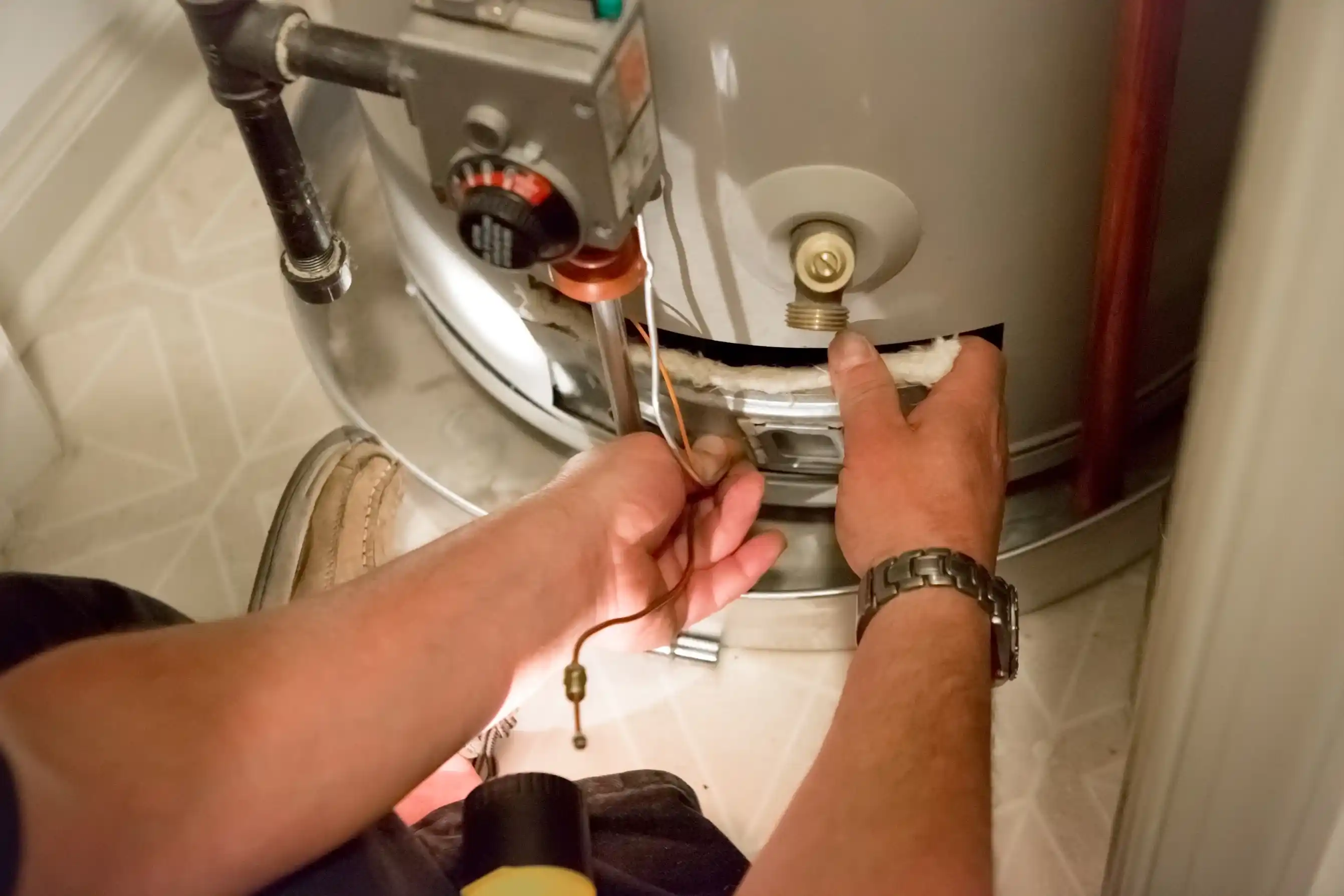
Your Installation Process, Step-by-Step
Understanding the sequence of events helps homeowners prepare for the installation day. The process is designed to minimize downtime, ensuring you are without hot water for the shortest possible duration. From the moment the truck arrives until the final safety check, every step follows a strict protocol to ensure longevity and safety.
- Assessment and Selection: First, the technician confirms the sizing requirements. A unit that is too small will run out of water quickly, while a unit that is too large wastes energy. Factors such as the number of bathrooms, peak usage times, and fuel source availability are calculated to select the correct model. Whether you are opting for a standard tank or upgrading to a high-efficiency model, the selection is verified against your household demand.
- Draining and Disconnection: Next, the fuel source (gas or electricity) and water supply are shut off. A hose is attached to the drain valve of the old unit to empty the tank. This step can take time depending on the amount of sediment buildup at the bottom of the tank. While the tank drains, the technician disconnects the flue pipe, water flex lines, and gas union or electrical wiring.
- Positioning and Leveling: Once the old unit is removed, the new water heater is positioned. Proper leveling is critical for the unit’s internal mechanics and to minimize vibration. If the unit is located in a finished area or an upper floor, a drain pan is installed underneath to protect your property from future leaks.
- Plumbing and Venting Connections: New dielectric unions are installed to connect copper pipes to the steel tank, preventing galvanic corrosion, which leads to premature leaks. The cold water inlet and hot water outlet are connected using flexible supply lines that adhere to seismic and safety codes. For gas units, the flue vent is securely attached with a proper slope to ensure exhaust gases exit the home efficiently.
- Filling and Testing: Finally, the water supply is turned back on to fill the tank. During this phase, the technician opens hot water faucets throughout the house to bleed air from the lines. Once the tank is full, the power or gas is ignited. The system is monitored through a full heating cycle to check for leaks at every joint and to verify that the Temperature and Pressure (T&P) relief valve is functioning correctly.
Deciding Between Repair and Replacement - What You Need to Know
Homeowners often struggle with the decision to repair an aging unit or invest in a new one. While a repair might seem cheaper upfront, it is often a temporary fix for a system that is nearing the end of its lifecycle. Understanding the indicators of a dying water heater helps you make a financial decision that saves money in the long run.
- The Age of the Unit: Most traditional tank water heaters have a lifespan of 8 to 12 years. If your unit is over 10 years old and requires a significant repair, replacement is almost always the more economical choice. Investing money into a unit that is statistically likely to fail within the next year is rarely recommended.
- Frequency of Breakdowns: If you have called for service more than once in the last year, the unit is signaling failure. Repeated pilot light outages, failing heating elements, or a thermostat that constantly needs resetting are signs that multiple internal components are degrading simultaneously.
- Rust and Corrosion: Rusty water coming from the hot tap indicates that the glass lining inside the tank has cracked, and the steel is rusting. There is no repair for a corroded tank. Similarly, rust visible on the exterior casing or around the inlet/outlet connections suggests that the structural integrity of the tank is compromised.
- Leaking Tank: A leak coming from the body of the tank itself is an immediate emergency. Unlike a loose valve or pipe connection, a tank fracture cannot be patched. The expansion and contraction of the metal during heating cycles will cause the crack to widen, eventually leading to a catastrophic flood. Replacement is the only option in this scenario.
- Efficiency Drops: If your utility bills are climbing despite normal usage, sediment buildup at the bottom of the tank may be insulating the water from the heat source. This forces the unit to run longer to heat the same amount of water. When flushing the tank fails to resolve this, replacement with a high-efficiency model will lower monthly utility costs immediately.
Navigating Local Water Heater Regulations in Leawood
Installing a water heater in Leawood requires adherence to specific local building codes and an understanding of regional environmental factors. These regulations are in place to ensure the safety of the occupants and the structural integrity of the building. Failing to adhere to these local standards can result in fines, voided insurance claims, and safety hazards.
- Permitting and Inspections: Leawood requires permits for water heater replacements to ensure the installation meets current safety codes. This includes verifying proper venting materials, gas line sizing, and clearances from combustible materials. A professional service handles the pulling of permits and scheduling of the required county inspections so the homeowner does not have to navigate the bureaucracy.
- Expansion Tank Requirements: Local codes strictly enforce the installation of thermal expansion tanks on closed plumbing systems. When water is heated, it expands. If your home has a pressure-reducing valve or a check valve on the main water line, that pressure has nowhere to go. The expansion tank absorbs this excess pressure, preventing damage to the water heater, fixtures, and pipes.
- Water Hardness Considerations: The water in this region is known for having moderate to high hardness levels. Mineral deposits, primarily calcium and magnesium, accumulate rapidly in water heaters. This scale buildup coats the heating elements and settles at the bottom of the tank, causing overheating and premature failure. In this area, selecting a unit with a self-cleaning feature or installing a water softener alongside the heater is often recommended to extend the lifespan of the equipment.
- Seasonal Performance: The significant temperature swing between summer and winter affects water heater performance. During the winter, the incoming ground water temperature drops significantly. This means the water heater must work much harder to raise the water to the desired temperature. Ensuring your unit has an adequate BTU rating or recovery rate is essential to avoid running out of hot water during the coldest months of the year. All Day Comfort Heating and Cooling LLC ensures your unit is sized appropriately for these seasonal demands.
Why Choose Us? See Our Customers’ Success Stories
Selecting the right provider for your water heater installation is just as important as selecting the right equipment. The longevity of the unit depends heavily on the quality of the installation. Improper venting can lead to carbon monoxide poisoning, while poor plumbing connections can cause thousands of dollars in water damage.
- Technical Expertise: Technicians are trained to handle all types of water heating systems, including atmospheric vent, power vent, electric, and tankless models. This depth of knowledge allows for accurate diagnostics and precise installation that adheres to manufacturer specifications.
- Respect for Property: The installation team treats your home with the highest level of respect. Work areas are protected with drop cloths, and technicians wear shoe covers to prevent tracking dirt. The workspace is left cleaner than it was found, with all debris and the old unit removed from the premises.
- Warranty Protection: Installations are backed by strong labor warranties in addition to the manufacturer’s equipment warranty. This provides peace of mind that if an issue arises post-installation, it will be resolved quickly and without additional cost to you.
- Clear Communication: You are kept informed at every stage of the process. From the initial quote to the final walkthrough, the scope of work, timeline, and costs are communicated clearly. There are no surprise fees or hidden charges.
For reliable, code-compliant water heater installation that guarantees consistent hot water for years to come, trust the experts who prioritize your safety and comfort — read testimonials. Secure your home’s comfort today by scheduling your installation.
Need a New Water Heater?
Don't let a failing water heater leave you in the cold—whether you're dealing with leaks, inconsistent hot water, or a complete breakdown, All Day Comfort Heating and Cooling LLC is ready to provide fast, professional installation to restore your comfort. From same-day service to flexible financing and comprehensive warranties, our expert technicians ensure your water heater is installed safely, efficiently, and to code. Contact us today to schedule your water heater installation and enjoy reliable hot water for years to come!
Contact Us
customer reviews
Areas We Serve




Copyright © 2026 All Day Comfort Heating and Cooling.
All rights reserved.
