




Water Heater Replacement in Leawood, KS
Cold showers? Restore comfort with our rapid water heater replacement services in Leawood. Schedule an expert installation today for uninterrupted hot water.
Is Your Water Heater Failing You When You Most Need It?
Facing sudden cold showers or an unexpected water heater shutdown can disrupt your entire routine, especially during the distinct seasonal shifts we experience. You need a dependable, quick replacement solution right here in Leawood to restore hot water access immediately. Schedule your water heater replacement estimate today.
- Get same-day water heater replacement from trusted local experts.
- Our team ensures full compliance with Leawood city codes for a hassle-free installation.
- Benefit from transparent pricing and no hidden costs.
All installations come with a comprehensive warranty and flexible financing options.
Immediate Solutions for Hot Water Restoration
When a water heater fails, time is the most critical factor. You cannot afford to wait days for parts or navigate vague service windows while water damage risks increase or your household goes without hot water. We prioritize rapid response times because we understand that a broken water heater is an emergency, not just an inconvenience. All Day Comfort Heating and Cooling LLC focuses on restoring your comfort immediately with high-efficiency units designed to handle the specific demands of local households.
The scope of a replacement service goes beyond simply swapping one box for another. It involves a comprehensive assessment of your current plumbing infrastructure, gas line integrity, or electrical capacity. We evaluate your household’s peak hour usage—how many showers run simultaneously, whether you run the dishwasher while doing laundry—and match you with a unit that ensures you never run out of hot water again. Request service today. Whether you require a standard tank system or a high-efficiency tankless model, the goal is to provide a seamless transition with minimal disruption to your day.
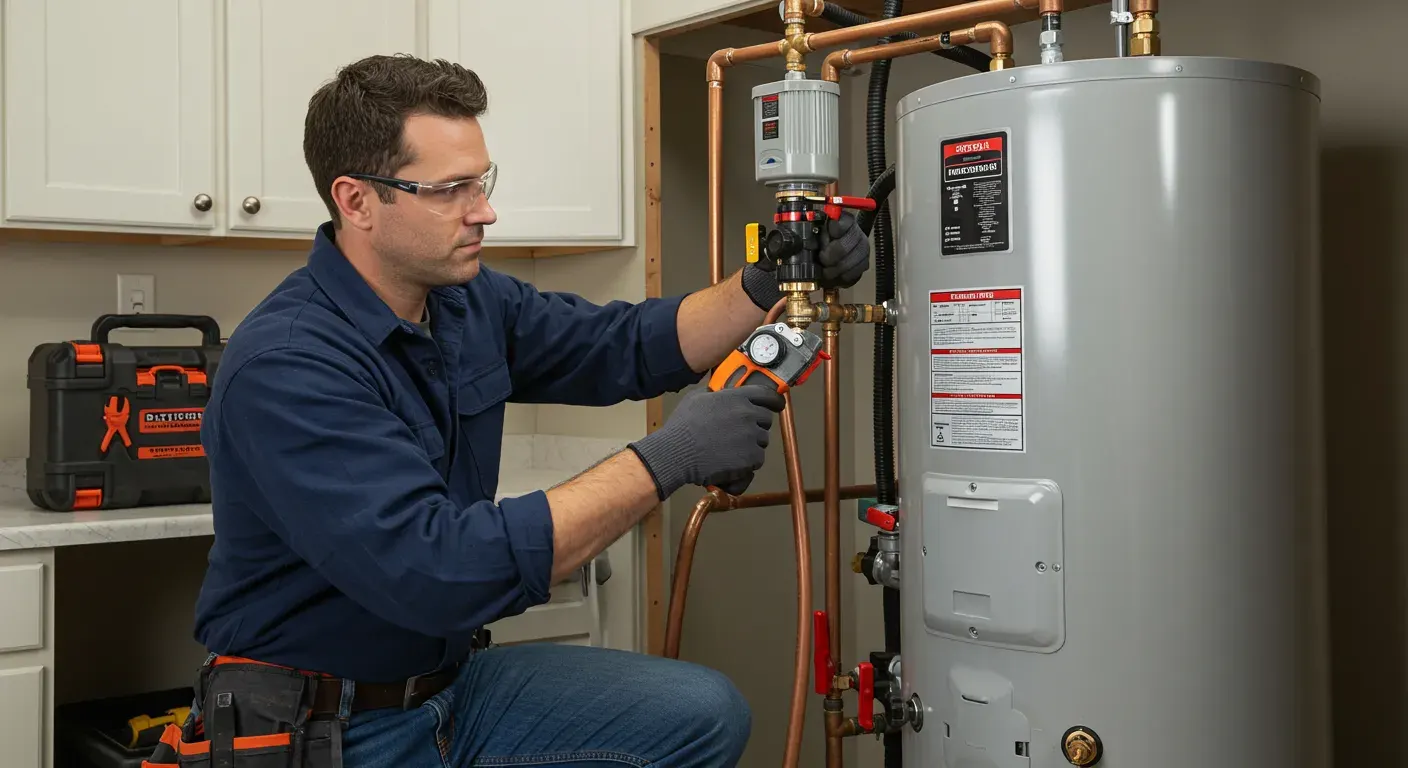
The Water Heater Replacement Process
Replacing a water heater is a technical process that requires adherence to strict safety protocols and plumbing standards. A professional installation ensures that your new unit operates at peak efficiency and that your warranty remains valid. We handle every aspect of the removal and installation, ensuring your home is protected throughout the process.
Site Evaluation and Safety Check:
The process begins with inspecting the existing setup. We check the condition of water supply lines, gas piping, or electrical connections. This step identifies any code violations or wear-and-tear that could compromise the new unit. We also verify that the location has adequate combustion air for gas units and proper clearance for maintenance.
Draining and Removal:
Safely removing the old unit is a priority. We shut off the fuel source (gas or electricity) and the cold water supply. A hose is attached to the drain valve to empty the tank completely. This prevents water damage during removal. Once drained, we disconnect the flue pipe, water lines, and seismic straps (if present) before hauling the heavy unit away for proper disposal.
Positioning and Connection:
The new water heater is positioned in a drain pan to protect your floors from future leaks. We level the unit to ensure proper operation. New dielectric unions or flexible supply lines are installed to connect the water pipes, preventing corrosion caused by joining dissimilar metals. For gas units, we connect the gas line and test for leaks using a specialized solution. For electric units, we ensure the wiring gauge matches the amperage requirements.
Venting and Safety Mechanisms:
Proper venting is crucial for gas water heaters to prevent carbon monoxide from entering your home. We inspect and connect the draft hood and vent pipe, ensuring a proper slope for exhaust gases. We also install a Temperature and Pressure Relief (T/P) valve and a discharge tube. This safety device releases pressure if the tank overheats, preventing catastrophic failure.
Filling and Testing:
We open the cold water supply to fill the tank while opening a hot water faucet nearby to release trapped air. Once the tank is full, we ignite the pilot light or switch on the circuit breaker. We then test the unit through a full heating cycle, checking for leaks at every connection point and verifying that the water reaches the desired temperature.
Choosing Between Repair and Replacement
Deciding whether to patch up an aging unit or invest in a new system is a common dilemma for homeowners. While repairs can solve minor issues, there is a tipping point where replacement becomes the more financially and practically sound choice. Continuing to repair a failing unit often leads to "throwing good money after bad," as efficiency drops and the risk of a tank rupture increases.
- Age of the Unit: Standard tank water heaters typically last between 8 to 12 years. If your unit is approaching or has passed the 10-year mark, replacement is usually the smarter option. Even if a repair is possible, the tank is likely corroding from the inside out, making a leak imminent.
- Cost of Repair: The "50% Rule" is a standard industry metric. If the cost of the repair is 50% or more of the cost of a new unit, you should replace it. Major failures, such as a leaking tank body, are not repairable and require immediate replacement.
- Recurring Issues: If you have repaired the unit more than once in the last year, it is signaling the end of its lifespan. Frequent pilot light failures, repeated element burnouts, or constant need for resetting the thermostat indicate systemic failure.
- Water Quality Changes: Rusty or muddy water indicates sediment buildup or a rusting tank interior. If the water remains discolored even after flushing the tank, the lining has likely been compromised. This is a health hazard and a sign that the structural integrity of the tank is failing.
- Efficiency Drops: If your energy bills are climbing but your usage hasn’t changed, your water heater is likely working overtime to heat water through layers of sediment. Older units lack the insulation and burner technology of modern models. Replacing an old unit can significantly reduce monthly utility costs.
Understanding Tank vs. Tankless Options
When replacing your system, you have the opportunity to upgrade the technology you use to heat water. The choice between a traditional storage tank and a tankless system depends on your usage patterns, budget, and long-term efficiency goals.
Storage Tank Water Heaters:
These are the most common systems. They hold 30 to 80 gallons of hot water in a reservoir, ready for use.
- Pros: Lower upfront cost, simpler installation (especially if replacing a similar unit), and operates well with low gas pressure or standard electrical panels.
- Cons: Standby heat loss occurs as the water cools down in the tank and must be reheated, higher energy costs, and a limited supply of hot water (you can run out).
Tankless (On-Demand) Water Heaters:
These units heat water directly without the use of a storage tank. When a hot water tap is turned on, cold water travels through a pipe into the unit, and a gas burner or electric element heats the water.
- Pros: Endless hot water supply, higher energy efficiency (no standby heat loss), longer lifespan (20+ years), and a wall-mounted design saves floor space.
- Cons: Higher initial installation cost, may require upgrades to gas lines or electrical panels, and requires annual maintenance to descale minerals.
At All Day Comfort Heating and Cooling LLC, we help you weigh these factors against your household size and budget to ensure you make the right investment for your property — Get expert advice today.
Important Local Considerations for Installation
Operating a water heater in this region requires attention to specific environmental and regulatory details. The climate in Leawood impacts how hard your water heater has to work, particularly during the winter months.
- Groundwater Temperature: During winter, the temperature of the groundwater entering your home drops significantly. This means your water heater must work harder and use more energy to raise that 40-degree water to a comfortable 120 degrees compared to the summer months. We size units to handle this "temperature rise" so you don't experience lukewarm showers in January.
- Hard Water Management: This region often deals with hard water, which contains high levels of calcium and magnesium. These minerals precipitate out of the water when heated, forming sediment at the bottom of the tank. This sediment creates a barrier between the burner and the water, causing the tank to overheat and eventually leak. We recommend specific maintenance schedules or filtration add-ons to combat this local issue.
- Permits and Code Compliance: Local municipalities have strict plumbing and building codes regarding water heater installations. These codes dictate venting requirements, gas line sizing, and the installation of thermal expansion tanks. An expansion tank is often required in closed plumbing systems to handle the extra volume of water created when it is heated, preventing pressure buildup that damages pipes. Professional installation guarantees that all work meets these local safety standards and passes necessary inspections.
- Venting Requirements: Many older homes have masonry chimneys that were used for venting atmospheric water heaters. Modern codes and high-efficiency units often require different venting materials (like PVC for power vents) or chimney liners to prevent condensation damage. We assess your existing venting to ensure it is safe and compliant.
Why Professional Installation is Non-Negotiable
Attempting a DIY water heater replacement or hiring an unlicensed handyperson poses significant risks to your home and safety. Water heaters involve three dangerous elements: water, electricity, and often natural gas or propane. Improper handling of any of these can result in catastrophic damage.
- Gas Line Safety: A small leak in a gas connection can lead to fire or explosion. Professionals use proper threading, sealants, and testing equipment to ensure a gas-tight seal. We also ensure that the burner is properly adjusted for complete combustion.
- Carbon Monoxide Prevention: Improper venting causes "backdrafting," where exhaust gases are pulled back into the home instead of exiting through the flue. This is a silent killer. Professional installers verify the draft to ensure your family is safe from carbon monoxide poisoning.
- Water Damage Protection: A water heater holds dozens of gallons of water under pressure. Poor soldering or loose connections can lead to slow leaks that rot subfloors or catastrophic bursts that flood basements. We install drain pans and properly pipe the T/P relief valve to direct water away from sensitive areas in the event of a discharge.
- Warranty Validation: Most manufacturers’ warranties are void if the unit is not installed by a licensed professional. If a component fails a year later, you need proof of professional installation to claim your replacement parts. We provide the documentation necessary to protect your investment.
Ensuring Long-Term Efficiency and Comfort
Once your new water heater is installed, the focus shifts to maintaining that efficiency. Modern water heaters are marvels of engineering, designed to provide consistent hot water while minimizing energy consumption. However, they require correct calibration during installation to achieve these results. We set the thermostat to the optimal temperature (usually 120°F) to balance comfort, safety (scald prevention), and energy savings.
We also educate homeowners on the simple maintenance tasks that extend the life of the unit. This includes knowing where the main shut-off valve is located and understanding the sound of normal operation versus potential issues. By investing in a professional replacement now, you avoid the unpredictability of emergency repairs down the road. You gain peace of mind knowing that your morning routine, laundry, and dishwashing will proceed without interruption, regardless of the weather outside.
Whether you are upgrading to a tankless system or replacing a leaking 50-gallon tank, the goal is the same: reliable, efficient hot water delivered safely to every tap in your home. Don't wait for a total system failure to address the issue.
Ready to Restore Your Hot Water?
Is your water heater leaving you in the cold? Whether you're dealing with cold showers, leaks, or a failing system, All Day Comfort Heating and Cooling LLC is here to provide fast, reliable water heater replacement in Leawood. Our expert team ensures a smooth, code-compliant installation with no hidden fees, all backed by comprehensive warranties. Don't wait for a breakdown! Contact us now to schedule your water heater replacement.
Contact Us
customer reviews
Areas We Serve




Copyright © 2026 All Day Comfort Heating and Cooling.
All rights reserved.
