




Heating Installation in Leawood, KS
Ensure your home in Leawood stays warm with our professional heating installation services. Schedule a consultation today to secure reliable, efficient warmth.
Eliminate Inconsistent Heating and Rising Energy Costs
Dealing with cold spots, skyrocketing utility bills, or a complete breakdown of your heating system during a freeze is a homeowner’s worst nightmare. All Day Comfort Heating and Cooling LLC restores your home's warmth quickly and efficiently with precision installation services designed for long-term reliability.
Schedule your heating assessment or apply for financing here
- Receive prompt, professional installation services to minimize downtime during winter months.
- Benefit from comprehensive labor warranties and access to 24/7 emergency support for critical failures.
- Rely on certified, background-checked technicians committed to guaranteed system performance.
Fully licensed and insured for your peace of mind, with flexible financing options available to suit your budget.
Comprehensive Heating System Installation Services
When you invest in a new heating unit, you are purchasing more than just equipment; you are investing in the correct sizing, design, and calibration of a system that must battle Kansas winters for the next 15 to 20 years. A proper installation dictates the efficiency, longevity, and safety of the unit. If a furnace is oversized, it will short-cycle, leading to wear and tear. If it is undersized, it will run continuously without ever reaching the set temperature.
We provide a turnkey installation experience. This involves a complete evaluation of your current infrastructure, including ductwork integrity, gas line pressure, and electrical capacity. We specialize in high-efficiency gas furnaces, electric heat pumps, and dual-fuel systems that offer flexibility during shoulder seasons. Every installation includes the removal and environmentally responsible disposal of your old unit, ensuring your mechanical room is left cleaner than we found it.
Modern systems offer variable-speed blowers and modulating gas valves, technologies that require precise setup to function correctly. Unlike older, single-stage models that blast heat at 100% capacity, these advanced systems adjust their output based on the specific heating load of the home. Our team ensures these advanced features are calibrated to the specific layout of your residence in Leawood, maximizing the AFUE (Annual Fuel Utilization Efficiency) rating of the equipment you purchase.
The Step-by-Step Installation Process
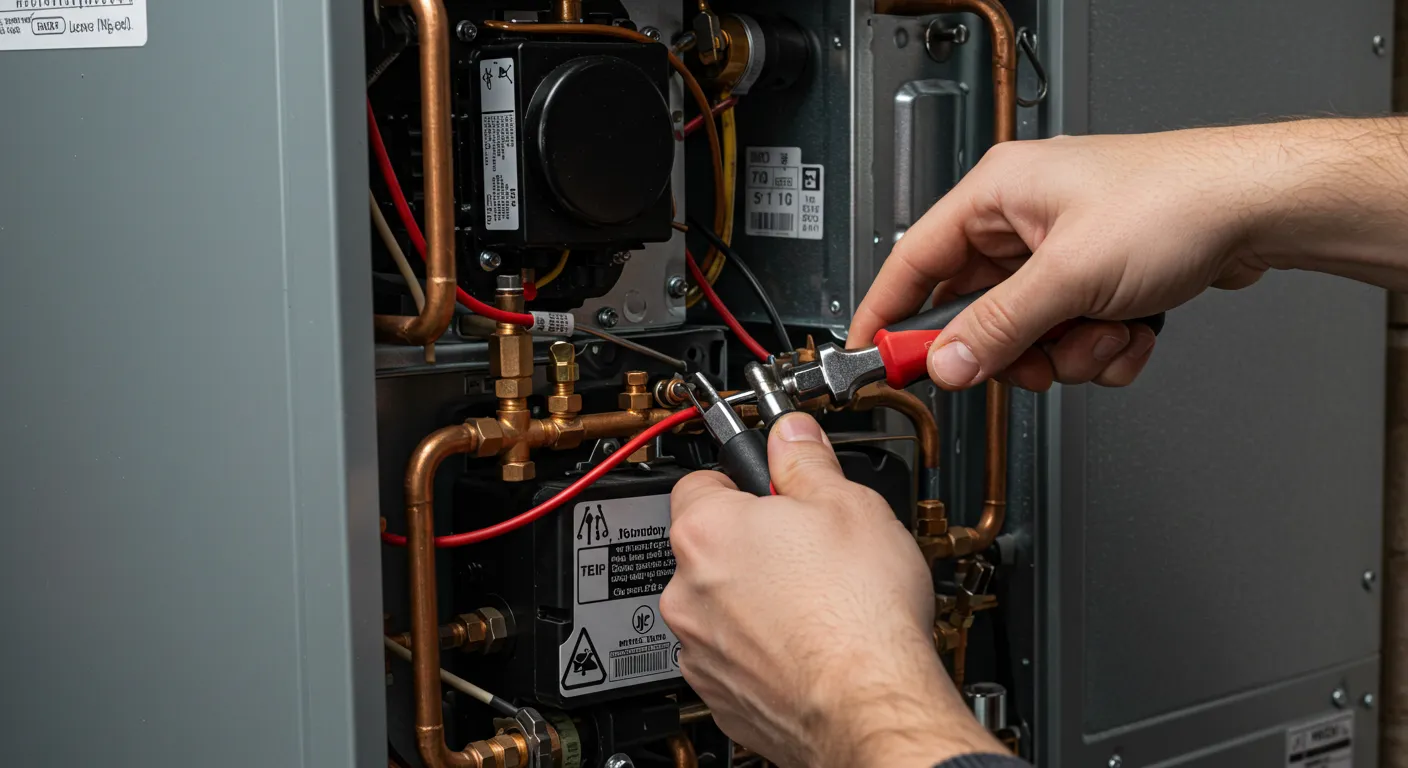
A professional installation follows a strict protocol to ensure safety and compliance with manufacturer specifications. We do not cut corners or skip safety checks. The process is designed to be transparent and efficient, minimizing disruption to your daily routine while ensuring the system operates at peak performance from the moment it is turned on.
- Load Calculation and Sizing: The process begins with a Manual J load calculation. This industry-standard calculation considers the square footage of your home, window types, insulation levels, and orientation. This ensures the unit selected is perfectly sized for the thermal envelope of your property. Guessing based on the size of the previous unit is a common error that leads to inefficiency; we rely on data to determine the correct capacity.
- Site Preparation and Protection: Technicians prepare the workspace before bringing in new equipment. Drop cloths are used to protect the flooring, and the path to the mechanical room is cleared. Safety is paramount, so the gas supply and electrical power are shut off and verified before any disconnection of the old equipment occurs.
- Removal of Existing Equipment: The old furnace or heat pump is disconnected from the ductwork, gas lines, and venting systems. It is carefully removed from the property. At this stage, the plenum (the box connecting the furnace to the ductwork) is inspected for rust or air leaks. Any issues found in the immediate connection area are addressed to ensure a tight seal for the new unit.
- System Positioning and Connection: The new unit is leveled and set in place. Proper leveling is critical for drainage in high-efficiency condensing furnaces and to reduce vibration noise. Technicians then reconnect the gas lines, often installing a new sediment trap and shut-off valve to meet current codes. The flue pipe is installed or upgraded to ensure dangerous combustion gases, such as carbon monoxide, are safely vented outside.
- Electrical and Thermostat Integration: High-voltage wiring is connected to the unit, followed by low-voltage control wiring. If you are upgrading to a smart thermostat or a zoning system, this is when the integration occurs. We ensure your thermostat can properly communicate with the new equipment to utilize features like humidity control and multi-stage heating.
- Commissioning and Testing: Once physically installed, the system is not simply turned on and left. We perform a static pressure test to measure airflow resistance. We check the temperature rise (the difference in temperature between the return air and supply air) to ensure it falls within the manufacturer’s specified range. Gas pressure is measured at the manifold to verify proper combustion.
Deciding Between Repair and Replacement
Homeowners often face the difficult decision of whether to pour more money into an aging system or invest in a replacement. While repairs are often feasible for minor issues, there is a tipping point where replacement becomes the more financially and practically sound choice. Understanding when to make the switch prevents wasting money on a dying unit — read our FAQs.
- The Age of the System: The average lifespan of a properly maintained gas furnace is 15 to 20 years, while heat pumps typically last 10 to 15 years. If your system is approaching or has surpassed these benchmarks, critical components like the heat exchanger or compressor are likely near the end of their service life. Replacing the unit proactively avoids the stress of an emergency failure during a cold snap.
- The Cost of Repairs (The 50% Rule): A general industry guideline is the 50% rule. If the cost of a necessary repair approaches 50% of the cost of a new system, replacement is the smarter investment. Additionally, if you have required multiple repairs in the last two years, the cumulative cost suggests the system is becoming a money pit.
- Safety Concerns: For gas furnaces, safety is non-negotiable. If a heat exchanger is cracked, it can leak carbon monoxide into the living space. A cracked heat exchanger is an immediate red flag requiring the system to be shut down. In almost all cases, replacing the entire furnace is safer and more cost-effective than replacing just the heat exchanger on an old unit.
- Rising Energy Bills: As systems age, they lose efficiency due to wear and tear on motors and build-up on coils. If your heating bills have increased steadily despite usage remaining the same, your system is working harder to produce the same amount of heat. Newer systems with higher AFUE ratings can significantly reduce monthly utility costs, helping to offset the price of installation over time.
- Uneven Heating and Comfort Issues: If some rooms in your house are freezing while others are sweltering, your current system may be struggling to distribute air effectively. This can be caused by a failing blower motor or an improperly sized unit. Upgrading to a system with variable-speed airflow can resolve these comfort issues and provide consistent temperatures throughout the home.
Navigating Local Climate and Code Requirements
Installing a heating system in this region requires specific attention to local building codes and climate demands. The weather in Leawood and the surrounding Kansas City metro area fluctuates drastically, with winters that can drop well below freezing. Your heating system is the primary defense against frozen pipes and structural damage caused by extreme cold.
- Permitting and Inspections: Most municipalities, including Johnson County, require permits for HVAC replacements. This ensures the installation meets safety standards regarding gas piping, electrical connections, and venting. A professional installation includes handling all necessary paperwork and scheduling the required third-party inspections to verify compliance. Ignoring this step can lead to fines or issues when selling the home.
- Venting and Combustion Air: Local codes have strict requirements regarding how high-efficiency furnaces vent exhaust gases. Because these units produce acidic condensate, they require PVC venting rather than traditional metal flues. Furthermore, the mechanical room must have adequate combustion air to prevent back-drafting. We assess your specific home layout to ensure these code requirements are met for safe operation.
- Utility Provider Specifications: Local utility providers, such as Evergy and Kansas Gas Service, often have specific requirements for equipment connections and clearances. Additionally, utility rebates may be available for upgrading to high-efficiency systems. We stay current on these programs and installation standards to help you maximize potential savings and ensure seamless service connection.
- Homeowners Association (HOA) Considerations: For homes in strict HOA communities, external equipment placement (such as heat pump condensers) must adhere to aesthetic guidelines. This might involve specific screening or noise-level limitations. We work within these constraints to ensure your new system provides comfort without violating community rules or drawing unwanted attention.
Why Professional Installation Matters
The performance of your heating system relies heavily on the quality of the installation. A top-tier furnace installed poorly will perform worse than a mid-range furnace installed perfectly. We focus on the technical details that ensure longevity, efficiency, and safety.
- Technical Expertise and Certification: Our technicians undergo rigorous training and hold industry certifications. This ensures they are up-to-date on the latest technologies, from communicating systems to inverter-driven heat pumps. We do not use guesswork; we use diagnostic tools and manufacturer specifications to guarantee the system is set up correctly.
- Respect for Your Property: Inviting contractors into your home requires trust. We treat your property with respect, utilizing shoe covers and floor protection during the installation. All Day Comfort Heating and Cooling LLC ensures that once the job is done, the only evidence of our presence is the comfortable temperature of your home. We remove all debris and packaging, leaving the workspace spotless.
- Post-Installation Support and Warranty: We stand behind our work. A professional installation comes with the assurance of labor warranties and the registration of manufacturer parts warranties. Should any issue arise after the installation, you have a direct line of support. We also take the time to walk you through the operation of your new thermostat and maintenance requirements, ensuring you feel confident in operating your new system.
When the temperature drops, you need a heating system that performs without hesitation. Do not leave your comfort to chance with aging equipment or subpar installation practices. Secure a reliable, high-efficiency heating solution that protects your home and family from the cold. Contact us today to schedule your consultation and experience the difference of a professional heating installation.
Stay Warm with Expert Heating Installation
Don’t wait until the cold weather sets in—ensure your home stays warm and energy-efficient with a professional heating installation from All Day Comfort Heating and Cooling LLC. Our certified technicians will expertly assess your home’s needs, properly size your system, and install it with precision to guarantee long-term comfort and savings. Schedule your heating consultation today and experience warmth that lasts all winter long.
Contact Us
customer reviews
Areas We Serve



Copyright © 2026 All Day Comfort Heating and Cooling.
All rights reserved.
