




AC Installation in Raymore, MO
Beat the heat with All Day Comfort Heating and Cooling in Raymore. Offering prompt, efficient AC installations and financing options. Schedule your installation today!
Is Your Cooling System Prepared for Extreme Weather?
Facing unbearable heat or a sudden AC breakdown in your home? Don’t sweat it—help is just a call away. When the temperature spikes and your system fails to keep up, the immediate priority is restoring safety and comfort for your family. Contact us now to secure an appointment or to learn about our flexible financing options.
For homeowners in Raymore, reliability is not optional during the peak of summer. All Day Comfort Heating and Cooling LLC specializes in restoring that comfort through precise, high-efficiency installations.
- Get same-day AC installation and emergency services to minimize downtime.
- Expert installations ensuring maximum efficiency and consistent indoor temperatures.
- Flexible financing options to ease your immediate financial burden.
All installations are code-compliant with extensive warranties and financing plans designed to fit your budget.
What to Expect From Your AC Installation Today
When you invest in a new air conditioning system, you are purchasing more than just a metal box that sits outside your home; you are investing in the precise engineering required to condition the air inside your living space. A proper installation defines the lifespan, efficiency, and noise level of the unit for the next 15 to 20 years.
The modern HVAC market offers vastly different technologies compared to systems manufactured a decade ago. Current Department of Energy regulations have raised the minimum SEER2 (Seasonal Energy Efficiency Ratio) standards, meaning even a base-model replacement will likely outperform your existing unit. However, the installation process involves several critical components that ensure these efficiency ratings are actually achieved in your home.
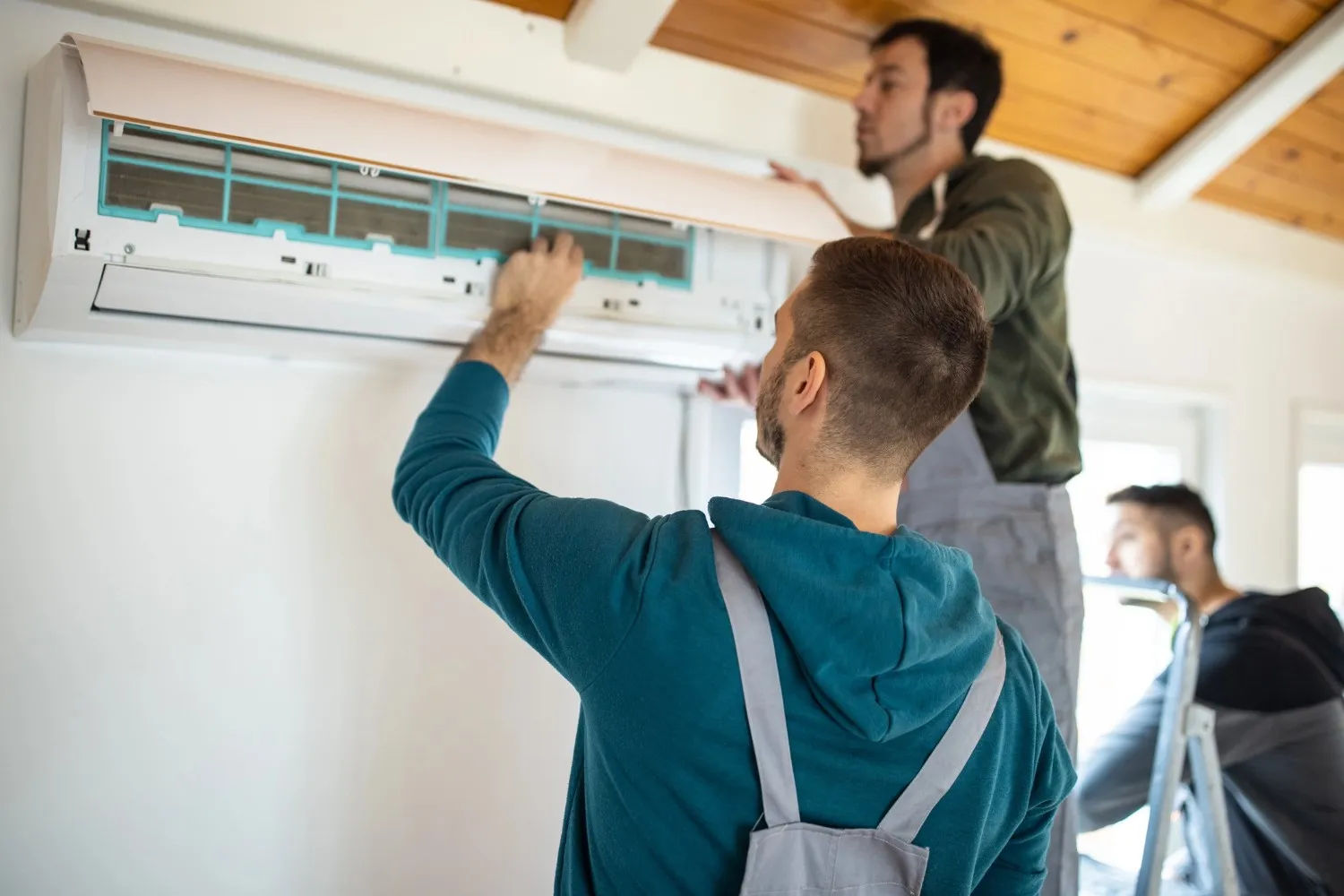
System Selection and Sizing
The most critical step happens before the new unit arrives. An air conditioner that is too large for your square footage will cool the air too quickly, shutting off before it has removed the necessary humidity. This "short-cycling" leads to a clammy indoor environment and excessive wear on the compressor. Conversely, a unit that is too small will run continuously, driving up utility bills without ever reaching the set temperature.
Technicians perform a load calculation to determine the exact cooling requirements of your specific floor plan. This calculation factors in window placement, insulation levels, and the orientation of the house relative to the sun. Options generally fall into three categories:
- Single-Stage Systems: These run at 100% capacity whenever they are on. They are cost-effective and reliable but offer less precise humidity control.
- Two-Stage Systems: These units can run at a lower capacity (usually around 60-70%) for milder days and ramp up to full capacity only when necessary. This provides better energy efficiency and quieter operation.
- Variable-Speed Systems: The compressor in these units can adjust its output in tiny increments, running consistently at low power to maintain a perfectly steady temperature and superior dehumidification.
Ductwork and Airflow Assessment
A new AC unit cannot function correctly if the lungs of the system—the ductwork—are compromised. Before installation, the existing duct system requires inspection for leaks, disconnections, or insufficient return air sizing. If the ducts are too small, the new high-efficiency blower motor may face high static pressure, which can reduce the system's lifespan and increase noise. Adjustments to the plenum or transition ducting are often included to ensure the new equipment "breathes" correctly.
Peripheral Component Replacement
A complete installation includes replacing the peripheral components that support the main unit. This typically involves the lineset (the copper tubing connecting indoor and outdoor units), or flushing it thoroughly if replacement is impossible due to construction constraints. The thermostat often requires an upgrade to communicate effectively with newer digital equipment. Additionally, the electrical disconnect box and the whip (the flexible conduit supplying power) are inspected and replaced if they show signs of weathering or corrosion, ensuring the electrical supply is safe and up to code.
How the Installation Process Works
Professional installation is a structured, linear process designed to protect your property and ensure the system operates according to manufacturer specifications. While timelines can vary based on the complexity of the job, the workflow remains consistent to guarantee quality control.
- Site Preparation and Protection: Technicians begin by laying down drop cloths and floor protection to safeguard your home during the removal of the indoor evaporator coil and furnace or air handler. The area around the outdoor condenser is cleared of debris to ensure a level workspace.
- Refrigerant Recovery: EPA regulations strictly prohibit venting refrigerant into the atmosphere. The existing refrigerant in your old system is pumped out into a recovery cylinder using specialized equipment. This ensures environmental compliance and prepares the lines for disconnection.
- Removal and Disposal: The old outdoor condenser and indoor evaporator coil are disconnected and removed. These heavy components are hauled away for proper recycling and disposal, leaving you with a clean slate.
- Setting the New Equipment: A new composite or concrete pad is leveled on the ground to support the outdoor unit. This prevents the unit from sinking into the soil over time, which puts stress on the copper lines. The indoor coil is fitted onto the furnace, ensuring an airtight seal to prevent air leakage.
- Brazing and Sealed System Work: Technicians connect the copper refrigerant lines using high-temperature brazing with a nitrogen purge. Flowing nitrogen through the lines during brazing prevents oxidation and soot buildup inside the copper, which can clog the delicate valves of the new system.
- Vacuum and Charging: Once the lines are connected, a vacuum pump removes all moisture and air from the system, measuring the vacuum in microns. After a verified deep vacuum is achieved, the system is charged with the precise amount of refrigerant required.
- Commissioning and Testing: The system is powered on and tested. Technicians measure static pressure, temperature drop across the coil (Delta T), and amperage draw of the motors. This data confirms the unit is performing exactly as designed before the team leaves the site.
Determining When Replacement Beats Repair
Deciding between repairing an aging unit or opting for a full replacement is a financial and logical calculation. While a quick fix might seem attractive in the short term, it often leads to higher cumulative costs. Homeowners in Raymore often face this decision when the summer heat puts maximum stress on older systems.
The 50% Investment Rule
A common industry standard for decision-making is the 50% rule. If the cost of the repair approaches 50% of the value of a new system, replacement is the smarter financial move. Investing significant capital into a depreciating asset that is already out of warranty rarely yields a positive return.
Age and R-22 Freon Availability
Air conditioners generally have a lifespan of 12 to 15 years. If your unit is over 10 years old and requires a major repair—such as a compressor or coil replacement—putting money into it is risky. Additionally, older units utilize R-22 refrigerant (Freon), which has been phased out globally. Sourcing R-22 is increasingly difficult and expensive. Upgrading to a modern system that uses R-410A or the newer A2L refrigerants future-proofs your home against scarcity and regulatory changes.
Frequency of Breakdowns
If you find yourself calling for service multiple times in a single season, the system has likely become unreliable. Recurring issues suggest that the internal components are failing in succession. Replacing the capacitor one month and the fan motor the next is a sign of a dying system. A new installation eliminates these surprise costs and restores peace of mind.
Energy Bills and Comfort Issues
As compressors wear out and coils become impacted with dirt, efficiency drops significantly. If your energy bills are rising despite normal usage, the AC is working harder to provide the same amount of cooling. furthermore, if specific rooms remain hot while others are freezing, or if the unit struggles to maintain the thermostat setting on days over 90 degrees, the system’s capacity or airflow is no longer adequate for the home’s needs.
Navigating Local Requirements and Environmental Factors
Operating an air conditioning system in Missouri requires accounting for specific environmental challenges and local regulations. The climate in Raymore is characterized by significant humidity and distinct seasonal shifts, both of which influence how an AC system must be installed and maintained.
- Humidity Control: The region averages roughly 40 inches of precipitation annually, leading to humid summers. An air conditioner must do more than lower temperature; it must effectively remove moisture. If a unit is oversized, it will cool the house too fast and shut off before dehumidifying, leading to mold growth and discomfort. Proper sizing is vital for latent heat removal.
- Permitting and Code Compliance: Replacing an HVAC system is considered a major construction alteration. Local municipal codes typically require a permit for installation to ensure the work meets safety standards regarding electrical connections and gas piping (if a furnace is involved). Professional installers handle the permitting process, ensuring that the installation passes any required third-party inspections.
- Utility Integration: Whether your home connects to Evergy for electricity or Spire for gas heating, the new equipment must adhere to the service requirements of local utility providers. This includes proper grounding, disconnect box placement, and clearance distances from meters and property lines.
- Winterization and Seasonality: Because the region experiences freezing winters, the AC sits idle for months. The installation must account for this dormancy. Linesets must be insulated against freeze-thaw cycles, and the outdoor unit must be placed where snow drift or roof runoff won't damage the fan blades or coil during the off-season.
Why Homeowners Choose Professional Installation
When the heat index rises, the difference between a functional home and an uninhabitable one comes down to the quality of your HVAC provider. Selecting the right partner for your installation ensures that the equipment warranty is honored and the system performs safely.
Manufacturer Warranty Protection
HVAC manufacturers offer extensive warranties—often up to 10 years on parts—but these are contingent on professional installation. If a system is installed by an uncertified individual, the warranty is often voided immediately. Professionals register the equipment on your behalf, locking in your coverage for the long term.
Technical Expertise and Certification
Modern systems involve complex electronics and high-pressure refrigerants. Technicians undergo rigorous training to handle these components safely. From calculating superheat and subcooling to programming smart thermostats, the technical expertise brought to the job site eliminates guesswork.
Property Protection
A professional team respects your home. This means using shoe covers to protect flooring, laying down runners in high-traffic areas, and completely cleaning the workspace after the job is done. The goal is to leave the home cooler and cleaner than it was found, with no debris left behind for the homeowner to manage.
Long-Term System Reliability
The quality of the installation is the single biggest factor in the reliability of the system. Poor brazing leads to leaks; poor electrical connections lead to failed motors. By adhering to strict installation protocols, professional installers prevent premature failures, ensuring the system runs smoothly through the hottest days of the year.
Securing Your Comfort
Your home’s cooling system is the first line of defense against extreme summer weather. A timely, professional replacement protects your property from humidity damage and ensures your family remains safe and comfortable regardless of the outside temperature. All Day Comfort Heating and Cooling LLC is dedicated to providing swift, high-quality service that restores your home environment immediately.
Don’t wait for a total system failure during a heatwave. Schedule your consultation now to explore financing options and secure your installation.
Contact Us
customer reviews
Areas We Serve




Copyright © 2026 All Day Comfort Heating and Cooling.
All rights reserved.
