




Heating Maintenance in Raymore, MO
Ensure your heater's reliability with All Day Comfort’s expert heating maintenance in Raymore. Fast service, flexible financing, major safety checks included. Schedule now!
Worried About Your Heating Reliability? We Can Help Today!
Struggling with an unreliable heater as the weather changes can be frustrating and uncomfortable, leaving your home vulnerable to sudden temperature drops. At All Day Comfort Heating and Cooling LLC, we provide rapid, dependable heating maintenance to restore your comfort quickly and ensure your system is ready for the demands of the season. Contact us today to schedule your comprehensive heating tune-up.
- Experience quick service response — most calls addressed the same day.
- Expert technicians ensure your heating system runs smoothly all season.
- Flexible financing and service warranties for peace of mind.
Fully licensed and insured services, backed by industry-leading warranties.
Comprehensive Heating System Evaluation and Tune-Up
A furnace or heat pump is a complex machine involving combustible gases, high-voltage electricity, and moving mechanical parts. When you request professional maintenance, you are not simply paying for a visual inspection; you are investing in a rigorous technical audit of your system’s safety and performance mechanics. Neglecting these components leads to efficiency loss, higher monthly utility bills, and a significantly increased risk of component failure during the coldest weeks of the year in Raymore.
Our maintenance protocol digs deep into the internal workings of your heating unit. We focus on calibration and cleaning to return the system to factory specifications. This process reduces the workload on the blower motor and compressor, extending the life of the equipment. We analyze the combustion process to ensure that fuel is burning efficiently and that no dangerous gases are escaping into your living space.
During a standard maintenance visit, we address the following critical areas:
- Heat Exchanger Analysis: We inspect the heat exchanger for cracks or fissures. This is the most critical safety step, as a compromised heat exchanger can leak carbon monoxide into the home.
- Burner Assembly Cleaning: We remove soot and debris from the burners to ensure an even, blue flame. Misaligned or dirty burners cause inefficient heating and can damage the firebox.
- Ignition System Testing: Whether your system uses a hot surface igniter or a pilot light, we test for proper resistance and reliable ignition sequences to prevent "no-heat" calls.
- Blower Motor Performance: We check the amp draw of the blower motor to ensure it is not overworking. If accessible, we lubricate bearings and remove dust buildup from the fan blades to improve airflow.
- Safety Control Verification: We test the limit switch, pressure switch, and flame sensor. These controls are designed to shut the system down if unsafe conditions are detected; they must be fully functional.
- Electrical Connection Tightening: Loose wires cause arcing and blown fuses. We tighten all electrical connections and measure voltage to ensure safe operation.
- Thermostat Calibration: We verify that your thermostat is reading indoor temperatures accurately and communicating correctly with the furnace control board.
- Air Filter Assessment: We inspect the condition of the air filter and advise on replacement if airflow is restricted.
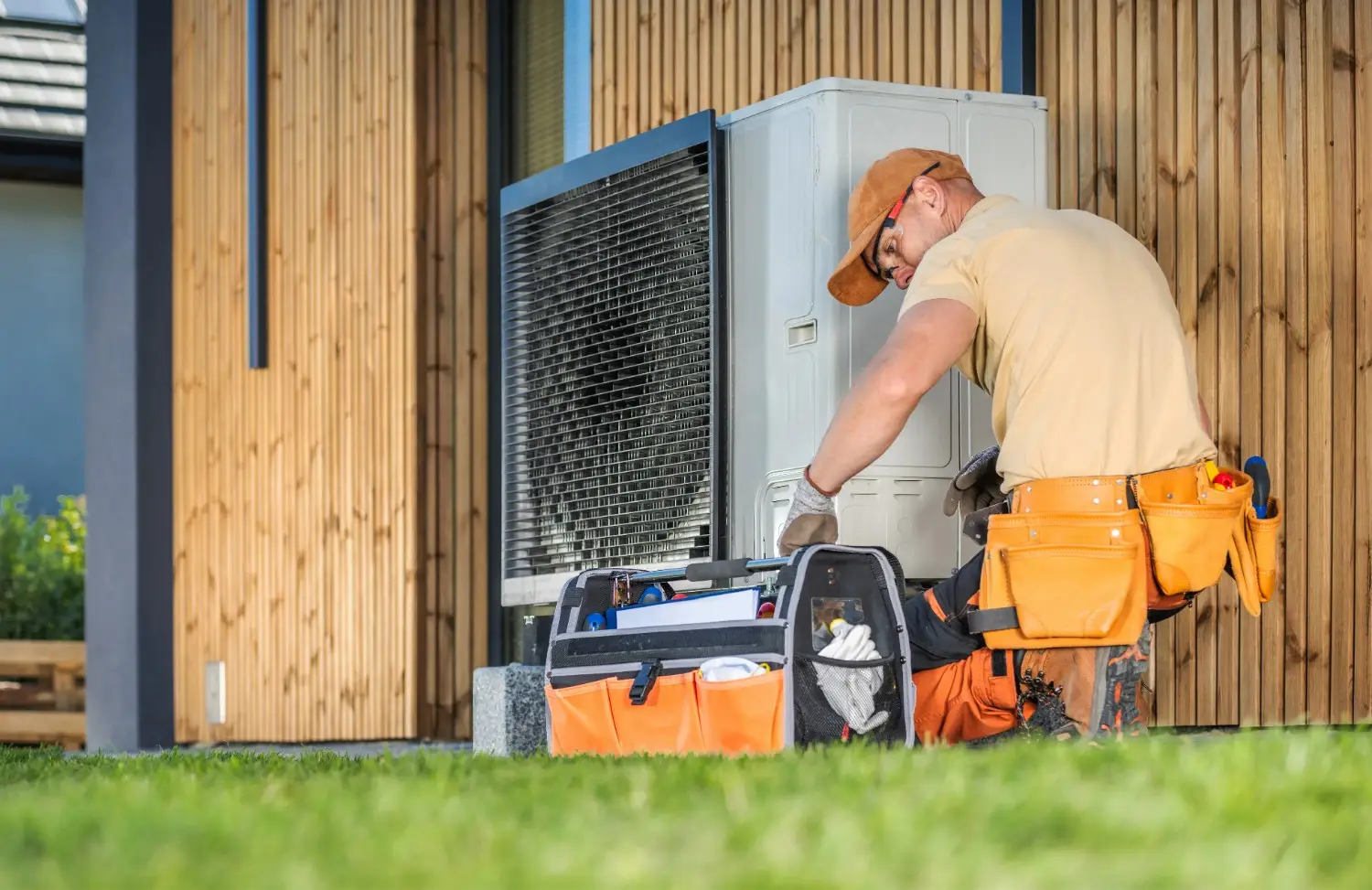
The Maintenance Workflow: What Happens During Your Appointment
Homeowners often delay maintenance because they are unsure of what the process entails or how long it will take. We have streamlined our service workflow to be minimally intrusive while maximizing technical thoroughness. The goal is to verify the health of your system without disrupting your daily routine.
When a technician arrives at your property, the focus is immediately on diagnostics and preventative care. We treat your home with respect, utilizing drop cloths and shoe covers to keep your workspace clean. The entire process is systematic, ensuring no component is overlooked.
Here is the step-by-step workflow you can expect:
- System Startup and Baseline Check: We start the system to listen for unusual noises, such as rattling or grinding, and measure temperature rise (the difference in air temperature between the return and supply ducts).
- Power Down and Internal Inspection: The system is powered down to allow for safe access to internal components. This is where the physical cleaning of the burners, sensors, and blower compartment occurs.
- Component Testing: We use specialized multimeters and manometers to test gas pressure and electrical components. This data tells us if a part is nearing the end of its lifecycle before it actually fails.
- Reassembly and Operational Test: Once cleaning and testing are complete, we reassemble the unit and run a full operational cycle to ensure everything is functioning harmoniously.
- Performance Reporting: The technician provides a detailed report of what was done, the current status of your system, and any recommendations for repairs if worn parts were identified.
Identifying When Maintenance Escalates to Repair
Routine maintenance is designed to prevent repairs, but it also serves as an early warning system. During a tune-up, a technician may discover a part that is still functioning but is exhibiting signs of imminent failure. Addressing these issues proactively is almost always cheaper than waiting for a catastrophic breakdown on a weekend or holiday.
Understanding the difference between a simple adjustment and a necessary repair helps you make informed decisions about your HVAC budget. Maintenance covers cleaning, lubricating, and calibrating. Repair involves replacing failed or failing components. If our technician spots a fraying belt, a leaking capacitor, or a rusted flue pipe, this moves beyond standard maintenance into repair territory.
Watch for these indicators that your system requires more than just a seasonal tune-up:
- Short Cycling: If the furnace turns on and off frequently without reaching the set temperature, this could indicate a failing heat exchanger or thermostat issue.
- Uneven Heating: Cold spots in certain rooms often point to ductwork issues or a failing blower motor that cannot push air effectively.
- Unusual Odors: A persistent burning smell or the scent of rotten eggs (gas) requires immediate professional attention and likely repair.
- Rising Energy Bills: A sudden spike in energy usage without a change in weather suggests the system is losing efficiency rapidly due to a failing component.
- Loud Noises: Screeching, banging, or clicking sounds usually indicate mechanical parts that are broken or loose.
Deciding Between Repair and System Replacement
There comes a point in the lifespan of every heating system where continuing to repair it is no longer financially prudent. While maintenance extends the life of your unit, it cannot make a 20-year-old furnace perform like a new, high-efficiency model. Making the decision to replace a unit is significant, and we provide the data you need to make that choice based on logic and ROI, not pressure.
We generally recommend using the "50% Rule" as a baseline for decision-making. If the cost of the necessary repair is 50% or more of the cost of a new system, replacement is usually the better investment. Additionally, the efficiency gains from modern systems can often offset the monthly cost of financing a new unit through lower utility bills.
Consider the following factors when weighing repair against replacement:
- Age of the Unit: If your gas furnace is over 15 years old or your heat pump is over 10 years old, parts may be obsolete or expensive to source.
- Frequency of Repairs: If you have needed repairs more than twice in the last two years, the system is likely entering a "money pit" phase.
- Efficiency Ratings: Older units often operate at 60-70% AFUE (Annual Fuel Utilization Efficiency). New models can reach upwards of 98%. The fuel savings alone can justify replacement.
- Comfort Consistency: If your current unit struggles to keep the house warm despite repairs, it may be undersized or simply worn out.
- Safety Concerns: If a heat exchanger is cracked, replacement is the only safe option. Repairing a heat exchanger is rarely recommended due to safety risks.
Local Considerations for Raymore Homeowners
Operating a heating system in our region requires specific attention to local climate patterns and infrastructure. The weather here is characterized by humid continental conditions, meaning we see distinct, often harsh winters. The swing from pleasant autumn days to deep freezes places a heavy load on heating equipment.
In Raymore, systems often sit idle for months during the warm season and are then thrust into maximum capacity operation when the first freeze hits. This dormancy can cause seals to dry out and dust to settle on igniters, leading to failure upon startup. Our local maintenance approach accounts for these specific seasonal shifts.
Key local factors impacting your heating strategy include:
- Utility Infrastructure: Whether your home relies on natural gas, propane, or electricity, ensuring your system is optimized for the specific fuel source available in your neighborhood is vital for cost control.
- Permitting and Codes: If maintenance reveals that a major repair or replacement is needed, strict adherence to local building codes is required. We handle all compliance aspects regarding venting, gas piping, and electrical disconnects to ensure your home remains insurable and safe.
- Humidity Control: Winter air can be extremely dry, while shoulder seasons are humid. Your HVAC system plays a major role in indoor air quality. We check whole-home humidifiers and condensate drains to prevent moisture issues that can lead to mold growth or dry rot.
- Ventilation Requirements: Modern airtight homes require proper ventilation strategies. We ensure that your furnace has adequate combustion air to operate safely without back-drafting fumes into the home.
Why Technical Expertise Matters for Your Home Comfort
The HVAC industry is flooded with options, but the quality of the technician working on your equipment dictates the longevity of that equipment. A cursory glance at a furnace is not maintenance. True maintenance requires a deep understanding of thermodynamics, electrical circuitry, and airflow dynamics.
Our approach focuses on technical precision. We do not incentivize our team to upsell unnecessary parts; we incentivize them to improve system performance. When a technician understands exactly how the manufacturer intended the equipment to run, they can make fine-tuned adjustments that restore that original performance level. This technical depth results in systems that run quieter, last longer, and use less energy.
We prioritize clear communication and transparency. You will never be left guessing about the state of your heater or the cost of a service. From the moment we arrive, the goal is to provide a seamless, professional experience that leaves you with reliable heat and peace of mind.
Secure Your Comfort for the Season
Waiting for a breakdown in the middle of a winter storm is a risk you do not need to take. Proactive maintenance is the only way to ensure your heating system will perform when you need it most. It protects your warranty, lowers your operational costs, and ensures the safety of your family. At All Day Comfort Heating and Cooling LLC, we are ready to help you maintain a warm, safe home all winter long.
Schedule your heating maintenance service now to ensure reliable comfort all season.
Contact Us
customer reviews
Areas We Serve




Copyright © 2026 All Day Comfort Heating and Cooling.
All rights reserved.
