




HVAC Installation in Raymore, MO
Explore top-tier HVAC installation services in Raymore. Ensure your system is up-to-date with modern efficiency standards. Schedule a consultation today!
Restore Indoor Comfort Before Extreme Weather Strikes
When your heating or cooling system fails, every minute counts, especially given the intense humidity of Raymore summers and the freezing lows of winter. All Day Comfort Heating and Cooling LLC provides rapid, reliable installations and replacements to ensure your home remains safe and habitable year-round. Contact us now to schedule an immediate assessment of your system.
- Prompt installation services designed to restore your home’s temperature control without unnecessary delays.
- Expertise in local climate challenges, ensuring your new system handles high humidity and sub-freezing temperatures effectively.
- Comprehensive warranty options and transparent project scopes that eliminate guesswork for homeowners.
- Fully licensed and compliant with all local codes for your safety and satisfaction.
Comprehensive Installation Services for Modern Climate Control
A complete HVAC installation involves far more than simply swapping out a metal box. It requires a holistic approach to your home’s entire thermal envelope. When you commission a professional installation, you are investing in a system designed to manage airflow, humidity, and temperature precision. Current equipment standards have evolved significantly, meaning a replacement today offers superior energy efficiency compared to units manufactured even a decade ago.
Homeowners in Raymore, MO, receive a full-scope service that covers every aspect of the transition from an old, failing unit to a modern, high-efficiency system. This service includes the calculation of specific heating and cooling loads, the selection of appropriate equipment—whether that is a furnace, heat pump, or central air conditioner—and the physical integration of that equipment into your existing infrastructure.
Included in a standard installation is the evaluation of your current ductwork and ventilation. High-performance equipment cannot function correctly if the distribution system is compromised. Technicians inspect plenums, return air drops, and supply vents to ensure they are sized correctly for the new unit’s airflow requirements. If the ductwork is restrictive or leaking, the efficiency gains of a new unit are lost. The goal is to provide a system that runs quieter, uses less energy, and maintains a consistent temperature across all rooms, eliminating hot or cold spots commonly found in older homes.
The Installation Process: From Assessment to Airflow
Understanding the sequence of events during an HVAC replacement helps homeowners prepare for the work ahead. The process is systematic, ensuring safety and adherence to manufacturer specifications at every stage.
- Load Calculation and Sizing: Before any equipment is ordered, technicians perform a detailed load calculation. This goes beyond simply reading the model number on your old unit. Factors such as square footage, window direction, insulation levels, and local Raymore weather patterns are analyzed to determine the exact BTU capacity required. An oversized unit will short-cycle and fail to dehumidify, while an undersized unit will run continuously without reaching the set temperature.
- Site Preparation and Removal: The workspace is prepped to protect flooring and surrounding areas. Technicians safely disconnect gas lines, high-voltage electrical wiring, and refrigerant lines. The old equipment is removed and disposed of according to environmental regulations, particularly concerning the recovery of old refrigerant, which cannot be vented into the atmosphere.
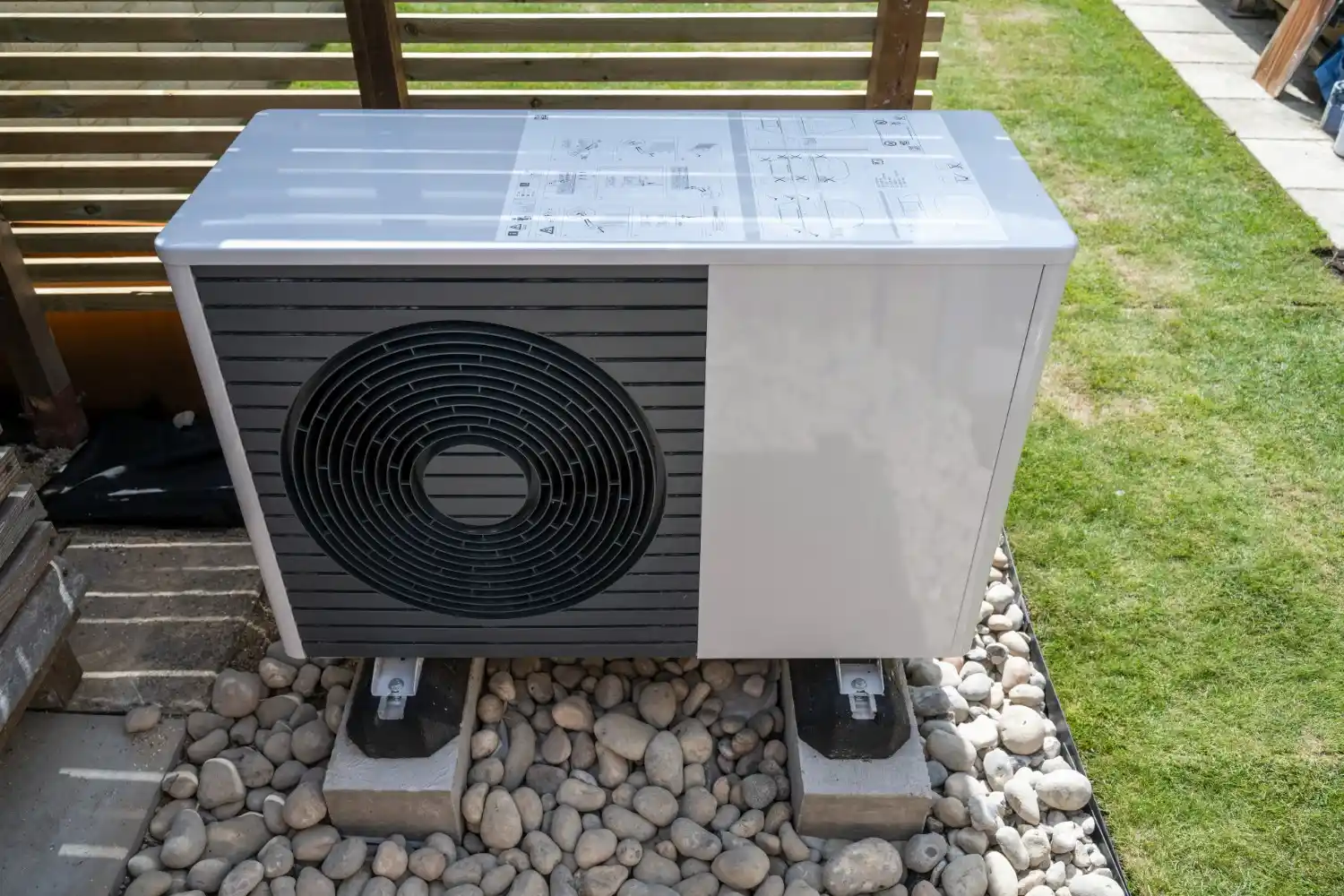
- Equipment Placement and Connection: The new indoor and outdoor units are positioned. For outdoor condensers, this involves leveling the pad to ensure proper operation and drainage. Indoor coils and furnaces are aligned with existing ductwork. Technicians then braze or mechanically connect refrigerant lines, ensuring a sealed system that will not leak under pressure.
- Electrical and Gas Integration: High-voltage wiring is connected to the disconnect box and the unit itself. Low-voltage control wiring is run to the thermostat. For gas furnaces, piping is connected, tested for leaks, and verified to have proper pressure delivery. This step is critical for safety and fire prevention.
- System Charging and Testing: Once connected, the system is pressure-tested with nitrogen to guarantee there are no leaks. A vacuum is pulled to remove moisture and air from the lines before the factory-specified amount of refrigerant is released or added. The system is then fired up, and technicians measure static pressure, temperature rise or drop, and airflow to verify it is performing according to the manufacturer's data.
Determining When to Replace vs. Repair Your System
Deciding between repairing an aging unit and investing in a new installation is a common dilemma. While repairs may seem like a lower upfront cost, they can become a financial drain if the system is nearing the end of its useful life. There are specific indicators that signal a replacement is the more prudent financial decision.
- The 50% Rule: If the cost of a necessary repair approaches or exceeds 50% of the value of a new system, replacement is generally the better option. Putting expensive parts into an old system does not reset the clock on the rest of the components, which may fail shortly after.
- System Age and R-22 Phase-Out: Air conditioners and heat pumps over 10 to 15 years old, and furnaces over 15 to 20 years old, have likely surpassed their peak efficiency. If your older unit relies on R-22 refrigerant (Freon), repairs involving refrigerant leaks are exorbitantly expensive and increasingly difficult to source. Modern systems use environmentally safer refrigerants and are designed for higher efficiency.
- Frequency of Breakdowns: If you require service calls multiple times a year, the system has become unreliable. The cumulative cost of service fees and minor repairs often outpaces the monthly financing cost of a new, warrantied system. Unreliability also poses a safety risk during extreme weather events in Raymore.
- Rising Energy Bills: A steady increase in utility bills without a change in usage habits indicates the system is losing efficiency. Internal components wear down, coils corrode, and motors lose efficacy, causing the unit to work harder to produce the same amount of conditioning. All Day Comfort Heating and Cooling LLC can assess your current energy consumption against the ratings of a new system to project potential savings.
- Uneven Comfort and Noise: Systems that struggle to keep up often produce loud noises, odd smells, or fail to balance humidity levels. If one room is freezing while another is sweltering, the system may have compressor issues or failing blower motors that justify replacement over complex repairs.
Navigating Local Climate Demands and Regulations
The geography of the region dictates specific requirements for heating and cooling systems. In this area, equipment must be versatile enough to handle high humidity in July and sub-zero wind chills in January.
- Humidity Management: Raymore experiences significant humidity during the summer months. An air conditioner’s job is twofold: cooling the air and removing moisture. If a unit is not sized correctly via Manual J calculations, it may cool the house too quickly without running long enough to pull moisture out of the air. This leads to a cold, clammy indoor environment and promotes mold growth. Modern multi-stage or variable-speed systems are recommended here as they run at lower speeds for longer periods, providing superior dehumidification.
- Heating Efficiency: Winter lows frequently dip below freezing. Homeowners often choose between gas furnaces and heat pumps. While heat pumps are excellent for moderate cold, dual-fuel systems (a heat pump paired with a gas furnace) can offer the best of both worlds for this region, switching to gas heat only when temperatures drop to extremes where electric heat pumps become less efficient.
- Permitting and Compliance: Major HVAC installations and replacements in Raymore and the surrounding Cass County area are subject to building codes. These codes dictate everything from the type of venting used for furnaces to the electrical disconnect requirements for outdoor units. Professional installation includes the management of this permitting process. Ensuring that the work passes city inspection is vital for your safety, insurance coverage, and the future resale value of the home. Unpermitted work can lead to fines or complications during property transactions.
- Utility Rebates and Incentives: Local utility providers often offer rebates for upgrading to high-efficiency equipment (high SEER2 or AFUE ratings). These programs change frequently, but a professional installer will be aware of current opportunities to help offset the initial investment cost.
Why Professional Execution Matters for Long-Term Efficiency
The longevity and efficiency of your heating and cooling system are determined more by the quality of the installation than the brand name on the equipment. A top-tier unit installed poorly will perform worse than a mid-range unit installed perfectly. The difference lies in the technical details that are often invisible to the homeowner but critical to operation.
Improper refrigerant charge is a leading cause of premature compressor failure. If a system is undercharged, the compressor overheats; if overcharged, liquid refrigerant can enter the compressor, destroying it. Professional technicians use digital gauges and subcooling/superheat calculations to dial in the charge to the ounce.
Ductwork integrity is another differentiator. Leaky supply ducts push conditioned air into attics or crawlspaces, while leaky return ducts pull dust, allergens, and humidity into the system, clogging filters and coils. During installation, professionals seal connections and transitions to ensure that the air you pay to condition actually reaches your living space.
Correct airflow settings are also mandatory. Modern ECM motors have multiple speed taps or programming options. These must be matched to the static pressure of your specific duct system. Ignoring this step can result in a noisy system, blown motors, or cracked heat exchangers due to overheating.
Finally, warranty registration and support protect your investment. Most manufacturers require proof of professional installation to honor parts warranties. By securing a professional replacement, you ensure that if a component fails prematurely, the manufacturer will cover the part, and your service provider will handle the logistics.
Don't leave your home's comfort to chance or risk safety with subpar workmanship. Secure a system that is sized right, installed to code, and built to last through the changing seasons.
Ensure your home is ready for the season—schedule your installation consultation now.
Contact Us
customer reviews
Areas We Serve




Copyright © 2026 All Day Comfort Heating and Cooling.
All rights reserved.
