




Water Heater Replacement in Raymore, MO
In Raymore, experience top-tier water heater replacement and repair services. Immediate inspections and warranties offered. Schedule your service today!
Facing Water Heater Troubles in Your Home?
Is your water heater failing to provide enough hot water, or perhaps it's started making unsettling noises? You're likely looking at a needed repair or potentially a full replacement, especially if your unit has exceeded its expected lifespan. Homeowners in Raymore often face these issues unexpectedly, leaving households without the sanitation and comfort required for daily life.
Contact us immediately to schedule an on-site inspection or to inquire about our financing options.
We provide a streamlined solution to restore your hot water quickly:
- Immediate inspection and same-day service availability to minimize downtime.
- Expert installations ensuring efficiency, safety, and system longevity.
- Comprehensive warranties included with every replacement unit.
All services are backed by a full warranty to ensure your peace of mind and protect your investment.
What You Can Expect From Professional Replacement Services
When you commit to a water heater replacement, you are purchasing more than just a metal tank; you are investing in a renewed plumbing infrastructure for your home. The objective is to transition from a failing unit to a high-efficiency system with zero friction. We handle the entire scope of the project, from the initial load calculation to the final safety check.
Modern water heaters, whether standard tank models or tankless systems, have specific installation requirements that differ from models manufactured ten or fifteen years ago. Updated Department of Energy regulations often mean new units have different dimensions or insulation requirements. We manage these logistical challenges, ensuring the new unit fits within your designated utility space while meeting all clearance requirements for ventilation and maintenance access.
The service includes the safe disconnection of your existing power source—whether gas or electric—and the complete drainage and removal of the old unit. We handle the disposal of the bulky, heavy equipment so you are not left with a rusting appliance in your garage. Our team also evaluates your current piping infrastructure. Over time, connection points can degrade or corrode. We replace necessary fittings, supply lines, and shut-off valves to ensure the new connection is watertight and durable.
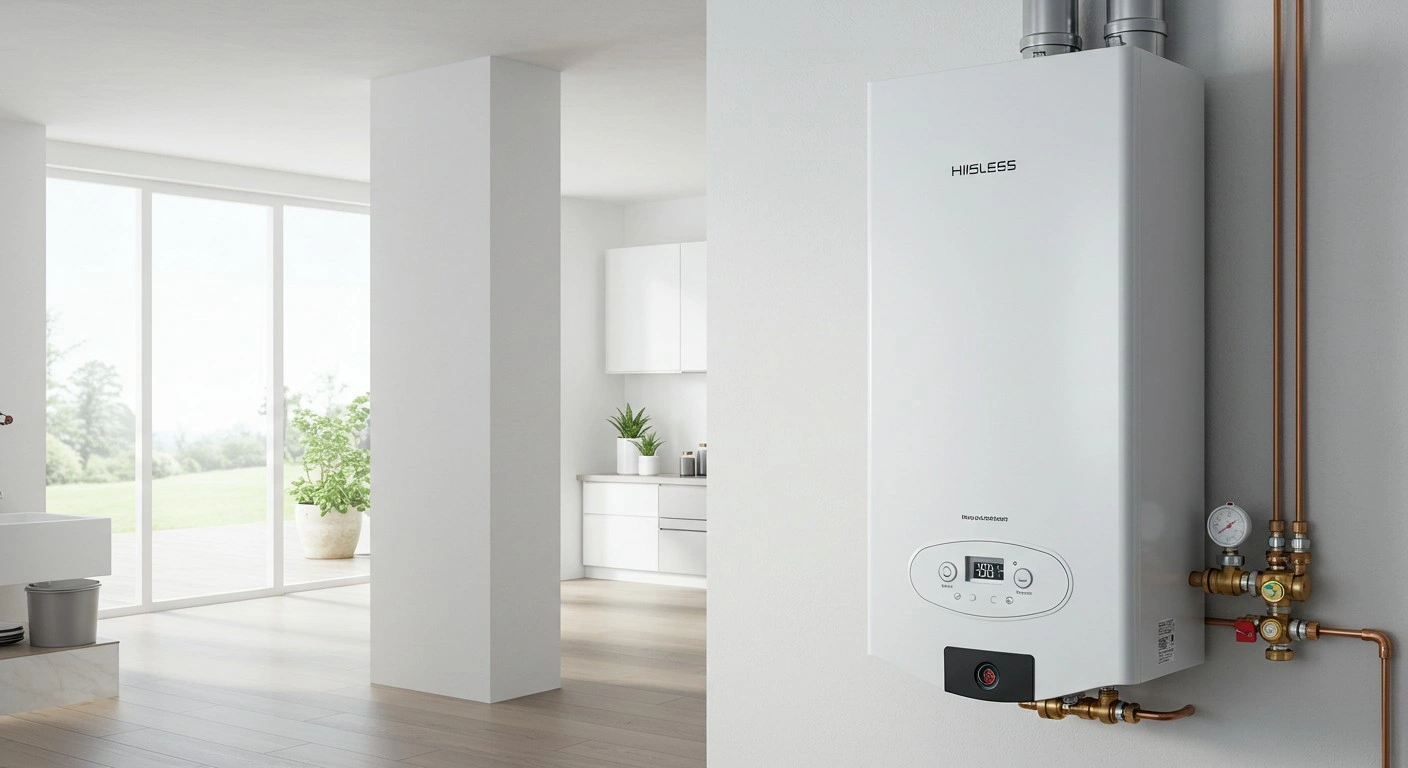
The Installation and Replacement Process
A water heater replacement is a systematic process that requires adherence to safety protocols and plumbing codes. We do not skip steps or rely on guesswork. Every action taken during the installation is designed to ensure the safety of your home and the efficiency of the new unit — request service today.
- Site Assessment and Preparation
- The process begins with shutting off the water main and the energy source (gas or electricity) to the existing unit.
- We clear the area to prevent damage to surrounding property and lay down protective coverings to keep your floors clean.
- Technicians verify that the existing venting system (for gas units) is compatible with the new model to prevent carbon monoxide issues.
- Draining and Removal
- A hose is attached to the drain valve of the old tank to empty the water completely. This is often where sediment buildup is most visible.
- Once empty, we disconnect the water lines and the flue pipe or electrical wiring.
- The old unit is carefully removed from the premises for proper recycling or disposal.
- Positioning and Connection
- The new water heater is positioned in a drain pan (if required or recommended) to protect against future leaks.
- We install a new temperature and pressure (T&P) relief valve, a critical safety component that prevents tank explosion due to excess pressure.
- Dielectric unions or appropriate connectors are used to join the copper pipes to the steel tank, preventing galvanic corrosion that shortens the tank's life.
- System Testing and Commissioning
- The tank is filled with water before the power is turned on to prevent "dry firing," which can instantly destroy electric heating elements.\
- We check for gas leaks using specialized detection fluid or electronic sniffers for gas models.
- Finally, we ignite the pilot or power the unit, set the thermostat to a safe temperature (typically 120°F), and verify that hot water is reaching your fixtures.
Deciding Between Repair and Replacement
Determining whether to patch up an old unit or invest in a new one is a financial and practical decision. While repairs can resolve minor issues, there are specific thresholds where replacement becomes the only logical choice for safety and economic reasons.
- Age of the Unit: Most traditional tank water heaters are designed to last between 8 and 12 years. If your unit is nearing or has passed the 10-year mark, putting money into repairs is often a sunk cost. Internal corrosion usually starts to compromise the integrity of the steel tank at this age. Once a tank begins to leak from the body (not a valve), it cannot be repaired; it must be replaced immediately to prevent catastrophic flooding.
- Frequency of Failures: If you have required multiple repairs within the last year, or if the cost of a necessary repair approaches 50% of the cost of a new unit, replacement is the smarter financial move. Older units that require frequent part replacements (such as thermocouples, heating elements, or thermostats) are signaling that the entire system is reaching the end of its service life.
- Efficiency and Performance Drops: A significant accumulation of sediment at the bottom of the tank can harden over time, creating a barrier between the heat source and the water. This forces the unit to run longer to heat the same amount of water, driving up utility bills. If you notice a steady increase in energy costs or if the water never seems to get hot enough despite thermostat adjustments, the unit has lost its efficiency. All Day Comfort Heating and Cooling LLC recommends evaluating your monthly energy spend against the efficiency rating of a modern unit to see the potential ROI of replacement.
- Visual Indicators: Rusty water coming from the hot side of your faucet indicates that the inside of the tank is rusting away. Rumbling or banging noises (kettling) indicate severe sediment buildup. These are terminal signs for a water heater. A replacement ensures you have clean water and a quiet, safe operation.
Local Considerations for Raymore Homeowners
Operating a water heater in Raymore presents specific challenges due to the regional climate and water conditions. Understanding these local factors ensures your installation is robust enough to handle the environment.
- Seasonal Temperature Fluctuations: Our region experiences significant temperature swings, from hot, humid summers to freezing winters with lows in the 30s. During winter, the inlet water temperature entering your home is significantly colder. Your water heater must work harder to raise that water to the desired 120°F. If a unit is undersized or aging, it will struggle to keep up during the winter months. We ensure your new unit is properly sized to handle this increased thermal load (Delta T) during cold snaps.
- Sediment and Water Quality: Local water supplies can contain minerals that precipitate out of the water when heated, settling at the bottom of the tank. This is common in our area and can lead to premature tank failure. We often recommend maintenance plans or specific filtration add-ons to mitigate this issue. For homeowners in Raymore, installing a unit with a self-cleaning feature or ensuring an accessible drain valve for annual flushing is critical for longevity.
- Permits and Safety Codes: Local building codes strictly regulate water heater installations to ensure safety. This includes requirements for expansion tanks. Since many municipal water systems utilize closed loops (with backflow preventers), thermal expansion creates pressure that has nowhere to go. An expansion tank absorbs this pressure. Without it, your relief valve may weep, or the tank seam may burst. We ensure every installation complies with local mechanical and plumbing codes, including proper venting for gas units to prevent back-drafting.
Why Professional Execution Matters
The difference between a DIY attempt and a professional installation is evident in safety, efficiency, and durability. Water heaters involve electricity, natural gas, carbon monoxide venting, and high-pressure water. A misstep in any of these areas can lead to property damage or serious safety hazards.
- Correct Sizing and Selection: We do not simply replace "like for like" without assessment. Family sizes change, and hot water demand fluctuates. We calculate your peak hour rating demand to ensure you have a unit that can handle morning showers, laundry, and the dishwasher simultaneously without running cold. Whether you need a 50-gallon high-recovery tank or a high-efficiency tankless model, we guide the selection based on data, not guesses.
- Venting and Gas Safety: For gas water heaters, the venting system is the lungs of the appliance. Improper slope, incorrect pipe material, or poor connections can cause exhaust gases to leak back into the home. We inspect the entire flue system. If you are upgrading to a high-efficiency power-vent model, we install the necessary PVC intake and exhaust piping to meet manufacturer specifications.
- Warranty Protection: Manufacturers strictly enforce warranty conditions. If a unit is installed incorrectly—such as lacking a thermal expansion tank or having improper dielectric connections—the warranty may be voided. By hiring a licensed professional, you ensure that the manufacturer’s warranty remains valid. We provide the documentation and proof of professional installation required to keep your coverage active — view our testimonials.
- Post-Installation Clean Up: We respect your home. The removal of an old water heater can be messy, involving rusty water and soot. We take precautions to contain the mess and leave the installation area cleaner than we found it. We verify that the new unit is stable, level, and accessible for future maintenance.
Upgrade Your Home Comfort and Safety
A reliable water heater is non-negotiable for a functioning home. Waiting until the unit bursts causes unnecessary stress and water damage. Proactive replacement allows you to choose the best system for your needs rather than taking whatever is available in an emergency.
We provide the technical skill and local knowledge required to ensure your new system delivers consistent hot water for years to come. From removing the old, heavy tank to fine-tuning the temperature of the new one, every step is handled with precision.
Secure your home’s hot water supply today. Reach out to our team to schedule your replacement service.
Contact Us
customer reviews
Areas We Serve




Copyright © 2026 All Day Comfort Heating and Cooling.
All rights reserved.
